

It’s important to know if a urinary tract infection (UTI) can spread to a partner through oral sex. UTIs are not sexually transmitted infections (STIs). But, sexual activity can make getting a UTI more likely.Is a uti spread through oral sex or other sexual contact? Get the facts on the common causes and transmission risks of UTIs.
Studies show that UTI-causing bacteria can move during oral sex and other sexual acts. It’s key for couples to understand these risks. They should take steps to keep their health safe together.
Key Takeaways
- UTIs are not considered STIs, but sexual activity can increase the risk of developing a UTI.
- Bacteria responsible for UTIs can be transferred during oral sex and other sexual activities.
- Understanding the risks can help couples take preventive measures.
- Maintaining open communication with your partner about UTI risks is important.
- Seeking medical advice can help in managing and preventing UTIs.
Understanding Urinary Tract Infections (UTIs)

It’s important to know about UTIs to manage and prevent them. UTIs are common and affect many people around the world. We’ll cover the basics, including causes, symptoms, and risk factors.
What Causes UTIs?
UTIs happen when bacteria get into the urinary tract. E. coli is the main culprit, causing about 90% of UTIs. Other bacteria like Klebsiella and Staphylococcus saprophyticus can also cause infections.
Cause | Description | Prevalence |
E. coli | Bacteria commonly found in the gastrointestinal tract | 90% |
Klebsiella | Bacteria that can cause various infections | 4% |
Staphylococcus saprophyticus | A type of bacteria that can cause UTIs, mostly in young women | 3% |
Common Symptoms of UTIs
UTI symptoms can vary. They include a burning feeling when you pee, needing to pee a lot, and stomach pain. If left untreated, UTIs can cause serious problems like kidney damage.
Key symptoms to watch out for:
- Burning sensation during urination
- Frequent or intense urges to urinate
- Cloudy or strong-smelling urine
- Abdominal pain or discomfort
Risk Factors for Developing UTIs
Some people are more likely to get UTIs. Being female, having a weak immune system, and using certain birth control are risk factors. Knowing these can help prevent UTIs.
Major risk factors:
- Female anatomy
- Sexual activity
- Use of certain birth control methods
- Menopause
- Blocked urinary tract
The Bacteria Behind UTIs
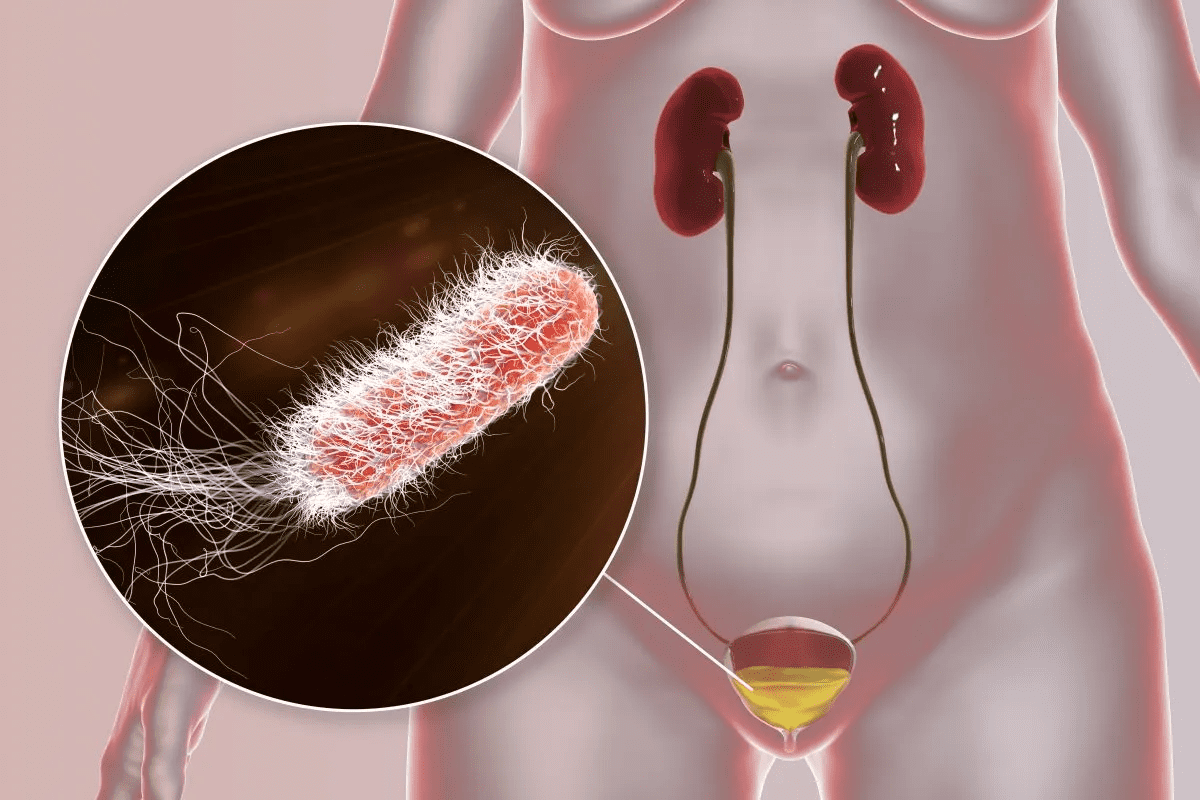
Urinary tract infections (UTIs) are mainly caused by bacteria. E. coli is the most common one. Knowing which bacteria cause UTIs helps in finding the right treatment.
E. coli: The Primary Culprit (90% of Cases)
E. coli, or Escherichia coli, is a common gut bacteria. But when it gets into the urinary tract, it can cause infections. E. coli is behind about 90% of UTIs, making it the main bacteria to worry about.
E. coli is so common in UTIs because it’s everywhere in our guts. It’s also good at moving into the urinary tract.
Other Bacteria That Cause UTIs
While E. coli is the top UTI cause, other bacteria can also be to blame. These include Klebsiella, Proteus, and Staphylococcus saprophyticus. Each has its own traits and might need a different treatment.
- Klebsiella: Often linked to more serious infections.
- Proteus: Common in UTIs linked to catheters.
- Staphylococcus saprophyticus: Tends to affect young, sexually active women.
How Bacteria Enter the Urinary Tract
Bacteria can get into the urinary tract in many ways. Sex is a big risk factor because it can move bacteria from the genital area to the urinary tract. Other risks include poor hygiene, catheter use, and certain body shapes.
Knowing how bacteria get into the urinary tract is key to avoiding UTIs. By understanding the risks and taking steps to prevent them, people can lower their UTI chances.
Is a UTI Spread Through Sexual Contact?
UTIs are not STIs, but sex can make them more likely. It’s key to know how sex and UTIs are linked to prevent and manage UTIs better.
UTIs vs. STIs: Important Distinctions
UTIs and STIs are different infections that can spread through sex. UTIs mainly hit the urinary tract, like the bladder and kidneys. STIs, on the other hand, can affect the reproductive system and more.
Key differences between UTIs and STIs:
- UTIs are usually from bacteria like E. coli. STIs can come from bacteria, viruses, or parasites.
- UTIs aren’t just from sex, but STIs mostly are.
- UTIs and STIs have different symptoms and treatments.
Bacterial Transmission During Intimacy
Sex can push bacteria into the urinary tract, raising UTI risk. Bacteria from the genital and anal areas can get into the urethra, leading to infection.
Women are more at risk because their urethra is shorter and closer to the anus. This makes it easier for bacteria to get into the urinary tract.
Factor | Impact on UTI Risk |
Sexual Activity | Increases risk by introducing bacteria into the urinary tract |
Anatomy | Women are more susceptible due to their shorter urethra |
Hygiene Practices | Poor hygiene can increase bacterial transfer during intimacy |
Research on Sexual Activity and UTI Risk
Studies show sex is a big risk factor for UTIs, mainly in women. The more sex, the higher the UTI risk.
Knowing this helps us take steps to prevent UTIs. Good hygiene and urinating after sex can help lower UTI risk.
Oral Sex and UTI Development
Oral sex and urinary tract infections (UTIs) have a complex link. Bacteria from the mouth can move to the urinary tract. We’ll dive into how this happens and which bacteria are involved.
How Oral Bacteria Enter the Urinary Tract
Oral sex can bring bacteria from the mouth to the urinary tract. This happens when bacteria move from the mouth to the genitals. If hygiene is not followed, the risk increases.
During oral sex, bacteria can get into the urethra. This can lead to UTIs. The urinary tract’s anatomy and certain bacteria play a role in this risk.
Group B Streptococcus: The Oral-Urinary Connection
Group B Streptococcus (GBS) is found in the mouth and vagina. It can spread during oral sex, causing UTIs. Research shows GBS is a big cause of UTIs, mainly in women.
Studies show GBS can infect the urinary tract. Knowing this helps us prevent and treat UTIs better.
Gender Differences in UTI Risk from Oral Sex
Gender affects UTI risk from oral sex. Women are more at risk because of their shorter urethra. This makes it easier for bacteria to reach the bladder.
Here’s a table showing gender differences in UTI risk:
Gender | UTI Risk Factors | Anatomical Considerations |
Women | Shorter urethra, hormonal changes | Urethra is closer to the anus and vagina |
Men | Less common, often related to other health issues | Longer urethra provides more protection |
Knowing these differences helps us tailor prevention and treatment to each person’s needs.
Can Your Partner Get a UTI From You?
UTIs can worry people, even more so in intimate relationships. The question is: can you give your partner a UTI? UTIs aren’t contagious in the usual way. But there are things to think about when looking at the risk of passing them between partners.
Transmission Risks Between Partners
The chance of passing UTIs between partners is complex. UTIs are usually caused by bacteria already in the urinary tract. But sex can bring bacteria into the urinary tract, possibly causing infection.
Studies show sex can raise UTI risks, mainly for women. This is because their urethra is shorter and closer to the anus. This makes it easier for bacteria to get into the urinary tract.
Anatomical Differences and Susceptibility
Men and women’s bodies affect how likely they are to get UTIs. Women are more at risk because their urethra is shorter. This means bacteria have less distance to travel to the bladder.
Men, with their longer urethra, face a lower risk of UTIs. But men can get UTIs too, if they have health problems or certain sexual habits.
Shared Bacterial Environments
Partners can share bacteria, which might increase UTI risk. The bacteria causing UTIs can be in the genital and anal areas. Sex can help spread these bacteria.
It’s key to know UTIs aren’t directly passed on. But the bacteria causing them can be shared. This shows why good hygiene and safe sex are important.
Sexual Activity While Having a UTI
UTIs and sex have a complex relationship. Knowing the risks is key to making smart choices. When you have a UTI, your main goal is to feel better and avoid making things worse. Sex can make things harder, so it’s important to think about the pros and cons.
Potential Complications and Discomfort
Sex can make a UTI worse, causing more pain and discomfort. The pressure and friction can irritate the urinary tract. This can lead to more pain and even spread the infection to other areas.
Some problems you might face include:
- More pain and discomfort during and after sex
- Infection spreading to other parts of the reproductive system
- Longer recovery time due to extra irritation
When to Abstain from Sexual Activity
It’s best to avoid sex until the UTI is gone. This helps prevent complications and speeds up recovery. How long you should wait depends on the UTI’s severity and treatment success.
Here are things to consider before starting sex again:
Factor | Guideline |
Symptom resolution | Wait until symptoms have significantly improved or resolved |
Antibiotic treatment | Complete the full course of antibiotics as prescribed |
Medical clearance | Consult with your healthcare provider for clearance |
Impact on Recovery Time
Sex can slow down recovery from a UTI. The extra irritation and bacteria spread can make healing harder. Waiting until the UTI is treated helps you recover faster and more effectively.
Understanding the risks and taking steps to avoid them can help manage UTIs. Always talk to a healthcare professional for advice on UTIs and sex.
Common Misconceptions About UTIs and Sexual Activity
Many people don’t understand how UTIs and sex are linked. There are myths that can cause worry and confusion. It’s important to clear up these myths to help people understand UTIs better.
Myth vs. Reality: UTI Transmission
Some think UTIs are spread through sex. But, sex can raise the risk of getting a UTI, but it’s not the main cause. UTIs usually happen when bacteria get into the urinary tract. Most often, this bacteria is from the person’s own feces, not from someone else.
Medical Expert, a urologist, says, “UTIs aren’t like STIs. Sex can help bacteria get into the urinary tract, but the bacteria are usually already there.”
Misunderstandings About UTI Causes
Some believe UTIs come from poor hygiene. But, it’s not just about cleanliness. UTIs can be caused by many things, like how a person is built, sex, and some health issues. For example, women are more likely to get UTIs because their urethra is shorter.
- Anatomical factors, such as a shorter urethra in women
- Sexual activity, which can facilitate bacterial entry
- Certain medical conditions, like diabetes or urinary tract abnormalities
Cultural and Social Factors
Culture and society can also shape how we see UTIs. In some places, UTIs are seen as shameful or linked to certain behaviors. It’s key to talk about these issues to help people understand UTIs better.
Healthcare workers aim to make a safe space for people to talk about UTIs. This way, they can get the help they need without fear.
Prevention Strategies for UTIs Related to Sexual Activity
To prevent UTIs linked to sex, it’s important to practice good hygiene and know the risks. By following these steps, you can lower your chance of getting a UTI.
Pre and Post-Sex Hygiene Practices
Keeping clean is key to avoiding UTIs. Urinating after sex helps get rid of bacteria. Also, gently cleaning your genital area before and after sex can help.
Try to stay away from harsh soaps or douches in your genital area. These can upset the natural balance of bacteria and increase UTI risk. Use mild, fragrance-free cleansers instead.
Hydration and Urination Habits
Drinking lots of water is vital for your urinary tract. Drink plenty of water to dilute your urine and keep your urinary tract clean. This helps prevent bacteria buildup.
Go to the bathroom regularly. Holding your urine for too long can let bacteria grow. Urinate when you feel the urge to keep your urinary tract clear.
Protective Measures During Oral Sex
Oral sex can bring bacteria into your urinary tract, leading to UTIs. Using dental dams or condoms during oral sex can block bacteria transfer. This lowers UTI risk.
Good oral hygiene also plays a role. Regular brushing, flossing, and dental visits can control oral bacteria. This helps prevent bacteria transfer during oral sex.
By following these prevention tips, you can greatly lower your UTI risk from sex. It’s all about being proactive and protecting your urinary tract health.
Treatment Options for UTIs
UTIs need the right treatment to get better. This includes antibiotics and other care. Starting treatment quickly is key to feeling better and avoiding problems.
Medical Interventions and Antibiotics
Antibiotics are the main treatment for UTIs. They kill the bacteria causing the infection. The right antibiotic depends on the bacteria and how bad the infection is.
Common antibiotics for UTIs are:
- Trimethoprim/sulfamethoxazole: Often used for uncomplicated UTIs.
- Nitrofurantoin: Preferred for pregnant women and for treating lower UTIs.
- Fosfomycin: Used for uncomplicated UTIs, when other treatments don’t work.
It’s important to finish all antibiotics, even if you start feeling better. This makes sure the infection is gone and helps prevent it from coming back.
“Antibiotics are a cornerstone in the treatment of UTIs, providing a targeted way to get rid of the bacteria.”
A renowened Urologist
Home Remedies and Supportive Care
Along with antibiotics, there are home remedies and care that can help with UTI symptoms:
- Hydration: Drinking lots of water helps get rid of bacteria in the urinary tract.
- Urinary Analgesics: Medications like phenazopyridine can ease pain and discomfort.
- Heat Therapy: A heating pad on the lower abdomen can help with pain.
- Cranberry Products: Some studies show cranberry juice or supplements might help prevent UTIs, but their role in treatment is not clear.
Addressing Recurrent UTIs
If you keep getting UTIs, you might need more help:
- Preventive Antibiotics: Taking a low-dose antibiotic regularly to prevent infections.
- Vaginal Estrogen Therapy: For postmenopausal women, to lower the risk of UTIs.
- Lifestyle Changes: Changing how you have sex, using lubrication, and avoiding irritating products.
Knowing about these treatment options can help a lot. Always talk to a healthcare provider to find the best treatment for you.
When to Seek Medical Attention
Knowing when to see a doctor is key to handling UTIs well and avoiding serious issues. We’ll show you the signs that mean you need to get help right away.
Warning Signs of Complications
Some symptoms mean a UTI might be getting worse. Look out for:
- Severe pain in your lower belly or back
- High fever or feeling cold
- Nausea and vomiting
- Blood in the urine or urine that’s not its usual color
- Urinary retention or trouble peeing
If you notice any of these, get medical help fast.
Symptom | Possible Complication |
Severe pain | Kidney damage |
High fever | Sepsis |
Nausea and vomiting | Dehydration |
UTIs During Pregnancy
UTIs are more serious for pregnant women because they can harm both mom and baby. Pregnant women are at higher risk for kidney infections, which can cause early labor.
If you’re pregnant and have UTI symptoms, see a doctor right away. Quick diagnosis and treatment are vital to avoid problems.
When UTI Symptoms Persist Despite Treatment
If your UTI symptoms don’t get better or get worse after treatment, you need to see a doctor again. This could mean:
- Antibiotic resistance
- Incomplete treatment
- Underlying conditions that need more checking
Talk to your healthcare provider to figure out why symptoms won’t go away. They can help find other treatments.
Conclusion
Urinary Tract Infections (UTIs) are common and can be linked to sexual activity. We’ve looked into how UTIs and intimacy are connected. It’s key to know the causes, how to prevent them, and treatment options.
UTIs aren’t sexually transmitted infections, but sex can raise your risk. Bacteria causing UTIs can spread between partners, even through oral sex. To prevent UTIs, practice good hygiene, drink plenty of water, and pee after sex.
If you have UTI symptoms, get medical help for uti treatment. Untreated UTIs can cause serious problems. Knowing the risks of uti and sexual activity helps keep your relationship healthy.
The question of is a uti spread through sex is complex. It depends on the bacteria and your body. But, you can lower the risk by being safe.
In short, knowing about UTIs, how to prevent them, and treatment is important for those who are sexually active. By understanding the risks and taking steps, you can lower your chance of getting UTIs. This helps keep your relationship healthy and prevents spreading UTIs to your partner, answering can you spread a uti to another person.
FAQ
Is it safe to have oral sex if I have a urinary tract infection (UTI)?
No, it’s not safe to have oral sex with a UTI. It can be uncomfortable and might spread bacteria to your partner.
Can I spread a UTI to my partner through oral sex?
UTIs aren’t STIs, but bacteria can spread during oral sex. This could give your partner a UTI, if they’re more likely to get it because of their body.
Can having a UTI affect my recovery if I continue to have sex?
Yes, having sex with a UTI can make recovery harder. It can bring bacteria back into your urinary tract and cause more irritation.
Are UTIs and STIs the same thing?
No, they’re not the same. UTIs are infections in the urinary tract, usually from bacteria. STIs are infections spread through sex, caused by different pathogens.
How can I prevent getting a UTI from oral sex?
To avoid UTIs from oral sex, keep clean, drink lots of water, pee after sex, and use protection during oral sex.
Can my partner get a UTI from me if I have one?
Yes, your partner can get a UTI from you through bacteria during sex, including oral sex.
What are the risks of having sex with a UTI?
Sex with a UTI can make you more uncomfortable. It can also lead to kidney damage if the infection spreads and make recovery longer.
How are UTIs treated?
UTIs are treated with antibiotics. Sometimes, home remedies and care can help symptoms. You can also prevent UTIs from coming back.
When should I seek medical attention for a UTI?
See a doctor if symptoms are severe, don’t get better with treatment, or if you’re pregnant and think you have a UTI.
Can I have intercourse with a bladder infection?
We usually say no to sex with a bladder infection. It can make discomfort worse and make the infection harder to treat.
Can you pass a UTI to someone else through oral sex?
Yes, you can pass UTI-causing bacteria to someone else through oral sex. This could give them a UTI.
Is it okay to have oral sex with a UTI?
No, it’s not safe to have oral sex with a UTI. It can spread bacteria and cause discomfort.
Can you get a UTI from oral sex?
Yes, you can get a UTI from oral sex if bacteria from your mouth get into your urinary tract.
Can I give my boyfriend a UTI?
Yes, if you have a UTI, you can pass bacteria to your partner during sex, including oral sex.
Can you spread a UTI to another person?
While UTIs aren’t spread like STIs, bacteria can be passed to another person through sex. This could give them a UTI.
References
- NIH MedlinePlus. (2024, May 22). Crystals in urine. https://medlineplus.gov/lab-tests/crystals-in-urine/