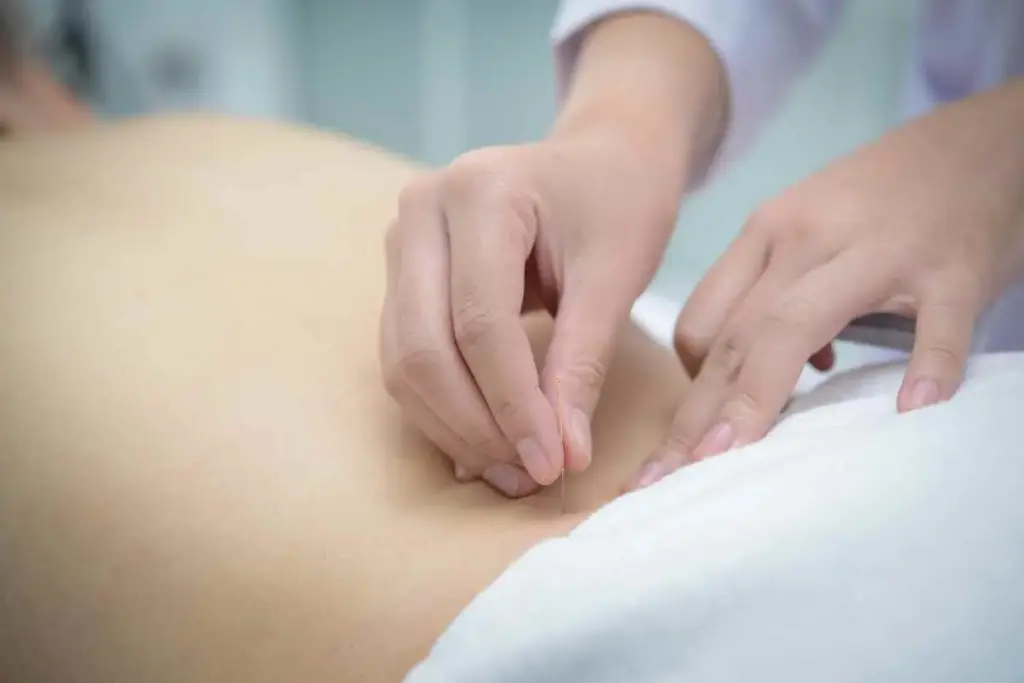
For thousands of years, acupuncture has been a part of traditional Chinese medicine. Modern science is now showing it works for chronic pain, migraines, and more.
Acupunc therapy is becoming known as a safe, non-drug treatment. We focus on using the best science in our care. This means combining new therapies with top international standards.
We look into the history and science behind acuouncture. Our goal is to understand if it’s a real medical treatment.
Key Takeaways
- Acupuncture is an ancient Chinese practice now validated by modern neuroscience.
- It is used as a nonpharmacological treatment for chronic pain and other conditions.
- Clinical trials and systematic reviews support its effectiveness.
- Liv Hospital integrates evidence-based acupuncture into patient care.
- Combining traditional practices with modern standards enhances treatment outcomes.
The Origins and History of Acupuncture

Acupuncture is a key part of Traditional Chinese Medicine, with a history spanning thousands of years. It is deeply rooted in ancient Chinese culture and philosophy.
Ancient Chinese Beginnings
The first signs of acupuncture date back to the Shang Dynasty (16th-11th centuries BC). It was believed to cure ailments and balance the body. Archaeological finds like stone and bone needles show it was practiced back then.
Early acupuncture was influenced by Taoism and the idea of qi, or vital energy.
“The practice of acupuncture is not just about needling; it’s about understanding the human body and its responses to different stimuli,” said a renowned TCM practitioner.
The Origin of Acupuncture in Traditional Chinese Medicine
During the Han Dynasty (206 BC-220 AD), acupuncture became a key part of Traditional Chinese Medicine. The Huangdi Neijing (Yellow Emperor’s Inner Canon) is one of the earliest texts on acupuncture. It describes its techniques and uses.
Acupuncture in TCM aims to restore balance to the body’s qi. Practitioners believed needles in specific points could correct imbalances and promote health.
Spread of Asian Acupuncture Practices Worldwide
As trade and cultural exchange grew, so did acupuncture’s spread. Countries like Japan and Korea adopted and adapted acupuncture, creating their own styles.
| Country | Acupuncture Style | Characteristics |
| China | Traditional Chinese Acupuncture | Emphasizes the balance of qi; uses a wide range of needle techniques. |
| Japan | Japanese Acupuncture | Focuses on superficial needling; often uses thinner needles. |
| Korea | Korean Acupuncture | Incorporates hand acupuncture; emphasizes the use of specific points for various conditions. |
Today, acupuncture is practiced worldwide, with its methods and principles evolving. Its global spread has sparked interest in its effectiveness and mechanisms. This has led to more research and its integration into modern healthcare.
Understanding How Acupuncture Works
To grasp acupuncture, we must explore its core principles and methods. It’s more than just needles; it’s a deep-rooted system of traditional medicine.
Traditional Chinese Medicine Principles
At the core of acupuncture is the idea of qi, or vital energy. It flows through the body along specific paths called meridians. Traditional Chinese Medicine sees this flow as key to health. Any blockage can cause disease or pain.
The goal is to balance qi by stimulating certain points on the meridians. Thin needles are used to do this. They help regulate qi flow and aid in healing.
Common Techniques and Methods
Acupuncture uses several methods, with needle insertion being the most common. The needles are thin and made of sterile materials to avoid infection.
Other methods include moxibustion (using herbs to stimulate healing), cupping (suction on the skin to boost blood flow), and electrical acupuncture (using a small electrical current).
What Happens During an Acupuncture Session
In an acupuncture session, the practitioner first checks the patient’s condition. They use Traditional Chinese Medicine techniques like pulse diagnosis and tongue examination.
The patient then lies down on a table, and the practitioner inserts needles into specific points. The number and location depend on the condition being treated.
Patients might feel a sensation at the needle site, from a mild tingling to a deeper ache. This shows the qi is being stimulated. The needles stay in for 15 to 30 minutes, allowing the patient to relax.
Is Acupuncture Real? Examining the Scientific Evidence
To figure out if acupuncture works, we need to look at the research. Many studies have checked if acupuncture helps with health issues.
Clinical Studies and Research Findings
Studies have looked at acupuncture for pain, nausea, and allergies. Some studies show it can help with these issues, but we don’t know how it works.
A big review of acupuncture studies found it can help with chronic pain. But, the quality of the evidence varies. More research is needed.
Conditions Where Acupuncture Shows Promise
Acupuncture might help with many health problems. It could reduce chronic pain, help with nausea, and ease allergy symptoms.
- Chronic pain management
- Nausea relief
- Allergy symptom alleviation
The Placebo Effect Debate
There’s a big debate about acupuncture. Some think its benefits come from believing it works. Others believe it has real effects.
Research tries to figure out if acupuncture is real or just a placebo. Some studies show it’s more than just a placebo. This suggests it might really help.
What Medical Institutions Say About Acupuncture
Many medical groups have looked at acupuncture. The National Institutes of Health (NIH) has reviewed its use. They say it might be helpful as a complementary therapy.
“Acupuncture may be a useful complementary therapy for a variety of conditions, including pain and nausea.”
NCCIH, National Institutes of Health
Even though there’s debate, many medical groups see acupuncture’s value. As research grows, we’ll learn more about acupuncture’s role in health care.
Conclusion: Making Informed Decisions About Acupuncture
Acupuncture is a complex practice used for centuries to treat health issues. Its effectiveness is debated, but evidence shows it helps with chronic pain and depression.
It’s key to talk to a licensed accupuncturist before trying it. They can explain the benefits and risks. Research on the National Center for Biotechnology Information website shows acupuncture can be cost-effective for some conditions.
Knowing the different acupuncture techniques and methods is important. Understanding the principles and evidence helps make informed choices about care.
Acupuncture, known as accupuntur, accupncture, or acupunchture, is a popular treatment. Talking to a qualified practitioner can help decide if it’s right for you.
FAQ:
What is acupuncture, and how does it work?
Acupuncture is a traditional Chinese medicine technique. It involves inserting thin needles into specific points on the body. This helps restore balance to the flow of qi, or life energy, along meridians or channels.
Is acupuncture a legitimate medical treatment?
Yes, acupuncture is recognized as a legitimate medical treatment. It has been practiced for thousands of years. The World Health Organization also recognizes it.
What is the history of acupuncture?
Acupuncture started in ancient China over 2,000 years ago. It has spread worldwide, influenced by various cultures.
What happens during an acupuncture session?
During an acupuncture session, a licensed practitioner inserts thin needles into specific points. They leave the needles in for 15-30 minutes. This stimulates the body’s natural healing processes.
Does acupuncture really work, or is it just a placebo effect?
Some studies suggest acupuncture might have a placebo effect. But, many clinical trials show it can treat conditions like chronic pain, nausea, and anxiety.
Can I use acupuncture alongside conventional medical treatments?
Yes, you can use acupuncture with conventional treatments. But, it’s important to talk to a licensed practitioner and your healthcare provider. This ensures safe and effective care.
How do I find a licensed acupuncture practitioner?
To find a licensed practitioner, search online or ask for referrals. You can also check with professional organizations like the National Certification Commission for Acupuncture and Oriental Medicine.
Is acupuncture safe?
Acupuncture is generally safe when done by a licensed practitioner. They use sterile needles. Side effects are rare, like bruising or dizziness.
Can acupuncture be used to treat specific medical conditions?
Acupuncture has been studied for treating conditions like chronic pain, migraines, infertility, and mental health disorders. Results vary.
What is the role of qi in acupuncture?
In traditional Chinese medicine, qi is the life energy flowing through the body. Acupuncture aims to restore balance to this flow. This promotes health and well-being.
References:
National Center for Biotechnology Information. Evidence-Based Medical Insight. Retrieved from https://pubmed.ncbi.nlm.nih.gov/29198932/