
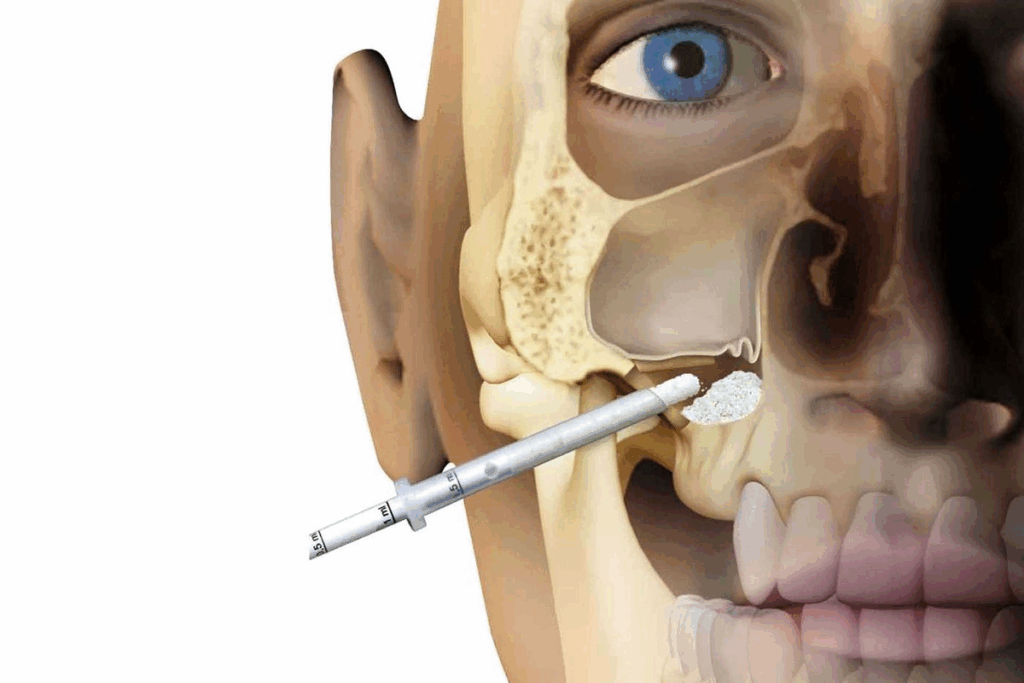
When you’re diagnosed with sinusitis, you might wonder if it’s contagious. Knowing why you got sinusitis is key. Acute sinusitis is when your sinuses get inflamed for up to four weeks. Is acute sinusitis contagious? Learn that the primary cause is often a common cold, which is highly contagious.
Sinusitis itself isn’t contagious. But, the germs that cause it can be. Most sinus infections start with a virus. If that’s your case, you can spread the virus that caused it. But, you can’t spread the infection itself.
Key Takeaways
- Acute sinusitis is not contagious, but the underlying pathogens can be.
- Most sinus infections are caused by viruses.
- You can spread the virus that causes sinusitis, but not the infection itself.
- Understanding the cause of your sinusitis is key to managing your health.
- Protecting those around you means knowing the contagious nature of the pathogens.
Understanding Acute Sinusitis
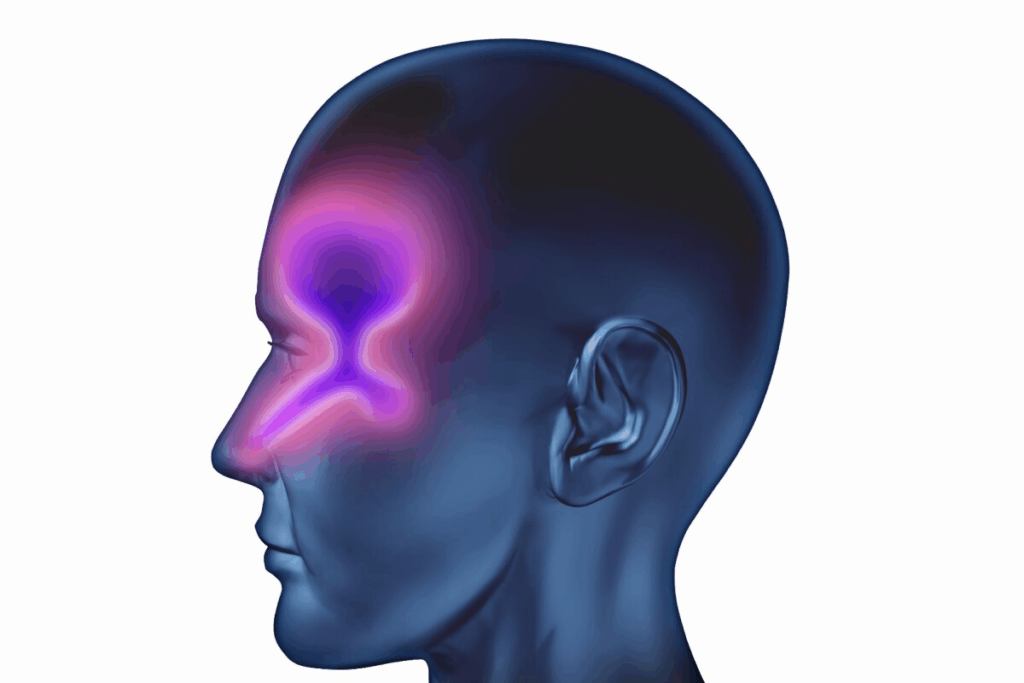
To understand if acute sinusitis is contagious, we need to know what it is. It’s a condition where the sinuses get inflamed, lasting up to four weeks. It’s common and can really affect someone’s life.
Definition and Symptoms of Acute Sinusitis
Acute sinusitis means the sinuses get inflamed and blocked. Symptoms include a stuffy nose, facial pain, headaches, coughs, and thick discharge. These happen because of mucus buildup and swelling in the sinuses, often from infections.
Causes of Sinus Inflammation
Most cases of acute sinusitis start with a viral infection, like rhinovirus or influenza. Bacterial infections can also cause it, usually after a virus. Fungal infections are rare but can affect people with weak immune systems. Knowing the cause helps find the right treatment.
Duration and Progression of Acute Sinusitis
Acute sinusitis usually lasts up to four weeks. It goes through stages, starting with an infection that causes inflammation and mucus. If not treated, it can lead to a bacterial infection. The length and how it progresses depend on the cause and the person’s health.
Understanding acute sinusitis helps us know if it’s contagious and how to treat it. This knowledge is key for managing and preventing the condition.
Is Acute Sinusitis Contagious?
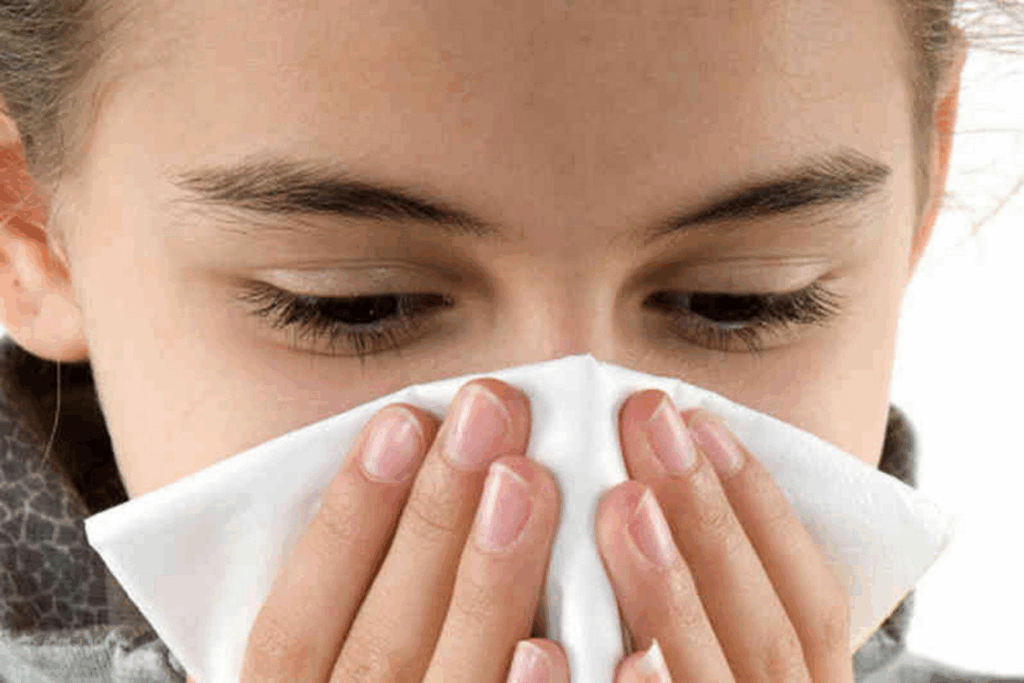
To understand if acute sinusitis is contagious, we need to look at its causes and how it spreads. This condition is when the sinuses get inflamed or infected. It can happen due to viruses or bacteria.
The Misconception About Sinusitis Contagion
Many think that acute sinusitis is contagious. But, it’s more complex than that. The germs causing it can spread, but the sinusitis itself isn’t as contagious as a cold or flu.
Key Point: Even if germs are passed on, not everyone will get sick.
Understanding Pathogen Transmission vs. Condition Transmission
It’s important to know the difference between passing on germs and getting sick. Germs that cause sinusitis can spread through coughing, touching surfaces, or being close to someone who’s sick.
- Germs can spread through coughing.
- Touching contaminated surfaces can also spread germs.
- Being close to someone who’s sick increases your risk.
But, getting sinusitis depends on many things. This includes your immune system, how your body is built, and what’s around you.
Contagious Period Considerations
If a virus causes your sinusitis, you can spread germs before you even show symptoms. This can go on for days after you start feeling sick. How long depends on the virus.
Viral Cause | Contagious Period |
Rhinovirus | 2-3 days before symptoms, up to 2 weeks after |
Influenza | 1 day before symptoms, up to 5-7 days after |
Adenovirus | 2-3 days before symptoms, up to 2 weeks after |
Knowing how long you can spread germs is key to stopping them from spreading further.
By understanding that sinusitis itself isn’t contagious but the germs are, we can act smarter. This helps us protect others when we have acute sinusitis.
Viral Sinusitis: The Contagious Culprit
Most cases of acute sinusitis start with viral infections, which can spread. Viral sinusitis is the most common type of acute sinusitis. Knowing how it spreads and how long it lasts is key to managing it and stopping it from spreading to others.
Common Viral Causes of Sinusitis
Rhinoviruses, influenza viruses, and adenoviruses are common causes of sinusitis. These viruses are very contagious. They can cause sinus infections, mainly in people with weak immune systems or certain physical issues.
- Rhinoviruses, the most common cause of the common cold
- Influenza viruses, responsible for the flu
- Adenoviruses, which can cause a range of infections
How Viral Sinusitis Spreads
Viral sinusitis spreads through respiratory droplets, touching contaminated surfaces, and being close to someone who’s infected. Keeping clean, like washing your hands often, and staying away from others can help stop it from spreading.
Typical Duration and Course of Viral Sinusitis
Viral sinusitis usually gets better on its own in 7 to 10 days without antibiotics. You can manage symptoms with over-the-counter meds. Resting also helps.
Even though viral sinusitis is contagious, good hygiene and prevention can lower the chance of it spreading to others.
Bacterial Sinusitis: Secondary and Non-Contagious
It’s important to know the difference between viral and bacterial sinusitis. Bacterial sinusitis often comes after a viral infection. Knowing this helps us understand if it’s contagious and how to treat it.
How Bacterial Infections Develop After Viral Sinusitis
Bacterial sinusitis usually starts after a viral infection. The virus weakens the sinus lining, making it easy for bacteria to grow. This leads to longer and more serious symptoms. Bacterial sinusitis isn’t spread from person to person but is a complication of a viral infection.
Several things can lead to bacterial sinusitis. These include the type of bacteria, how well the body fights off infection, and any sinus problems. Common culprits include Streptococcus pneumoniae, Haemophilus influenzae, and Moraxella catarrhalis.
Why Bacterial Sinusitis Isn’t Contagious
Bacterial sinusitis isn’t contagious because it’s not spread from person to person. It happens when a viral infection leads to a bacterial one. The bacteria are usually already in the body or around it. The risk of spreading lies with the initial viral infection, not the bacterial one.
This is why bacterial sinusitis doesn’t spread to others. The symptoms come from the body’s reaction to the bacteria, not from the bacteria itself.
Identifying Bacterial vs. Viral Sinusitis
Telling bacterial from viral sinusitis is key for the right treatment. Both can have similar symptoms, but some signs point to bacterial sinusitis. These include symptoms lasting over 10 days, severe fever, and thick, colored nasal discharge.
Characteristics | Viral Sinusitis | Bacterial Sinusitis |
Duration of Symptoms | Typically less than 10 days | Often persists for 10 days or more |
Fever | Usually low-grade or absent | Can be high, if bacterial |
Nasal Discharge | Clear or slightly colored | Purulent (thick and colored) |
Treatment | Supportive care | May need antibiotics |
Knowing these differences helps manage sinusitis better. If symptoms don’t get better or get worse, seeing a doctor is important. They can figure out the best treatment.
Transmission Methods of Contagious Pathogens
To stop sinus infections, we need to know how they spread. Several key factors and routes are involved in this process.
Respiratory Droplet Transmission
Contagious pathogens often spread through respiratory droplets. When someone who’s sick coughs, sneezes, or talks, they release droplets. These droplets can carry viruses or bacteria and be inhaled by others, causing infection.
Respiratory droplet transmission is a big worry in crowded places or during outbreaks. We can lower the risk by practicing good hygiene. This includes covering our mouths and noses when we cough or sneeze.
“The transmission of respiratory pathogens is facilitated by close contact with infected individuals and by touching contaminated surfaces.”
Surface Contamination and Fomites
Surface contamination is key in spreading pathogens. When someone who’s sick touches surfaces, they leave viruses or bacteria behind. These surfaces become fomites. Others can get infected by touching these surfaces and then their face.
Surface Type | Survival Time of Pathogens | Prevention Method |
Metal | Up to 48 hours | Regular disinfection |
Plastic | Up to 72 hours | Regular disinfection |
Cardboard | Less than 24 hours | Avoid sharing cardboard items |
Close Contact Considerations
Being close to someone who’s sick raises the risk of getting infected. This includes direct contact and being near them, which can lead to transmission through droplets or shared air.
To stay safe, keep a distance from sick people. Avoid sharing things like utensils or personal items. Good hygiene is also key.
Knowing how pathogens spread helps us protect ourselves and others from sinus infections. By practicing good hygiene, avoiding close contact with sick people, and disinfecting surfaces often, we can greatly reduce the spread of contagious pathogens.
Risk Factors for Developing Acute Sinusitis
Acute sinusitis can be caused by many factors. These include the body’s structure, the environment, and how well the immune system works. Knowing these risks helps people prevent problems and get help when needed.
Anatomical Factors: Deviated Septum and Other Structural Issues
Problems with the body’s structure can raise the risk of sinusitis. For example, a deviated septum can block mucus flow, causing inflammation. Other issues like nasal polyps or big turbinates can also lead to sinus troubles.
Doctors say a deviated septum can block the nose and increase sinusitis risk.
“Surgical correction of a deviated septum can significantly improve sinus drainage and reduce the frequency of sinus infections.”
Anatomical Factor | Effect on Sinusitis Risk |
Deviated Septum | Increases risk due to obstructed mucus flow |
Nasal Polyps | Contributes to chronic sinus inflammation |
Enlarged Turbinates | Can cause nasal obstruction and sinus issues |
Environmental Triggers: Allergies and Irritants
Things around us can also affect our sinuses. Allergies to pollen, dust, or pet dander can make sinuses inflamed. Things like tobacco smoke, pollution, and strong smells can make sinus problems worse.
For example, people with allergies might feel more sinus pressure and congestion when pollen is high. Staying away from allergens and using air purifiers can help.
Immune System Considerations
A weak immune system makes it easier to get sinusitis. People with HIV/AIDS or those on immunosuppressive drugs are more at risk.
Keeping the immune system strong is key. Eating well, exercising, and sleeping enough can help. Sometimes, taking vitamin C is suggested to boost the immune system.
Frequency of Recurrent Sinus Infections
Some people get sinus infections over and over. This could mean there’s an underlying problem. Issues like anatomical problems, allergies, and immune system issues can cause this.
Tracking how often you get sinus infections and what symptoms you have can help doctors. Sometimes, seeing an ear, nose, and throat (ENT) specialist is needed.
Protecting Others When You Have Contagious Sinusitis
When you have contagious sinusitis, it’s important to protect others. Simple steps can help a lot. This way, you can lower the chance of spreading it.
Respiratory Etiquette and Mask Usage
Good respiratory etiquette is key to stopping the spread of contagious sinusitis. Here’s how:
- Cover your mouth and nose with a tissue when you cough or sneeze
- Use your elbow if you don’t have a tissue
- Wear a mask when you’re close to others
- Throw away used tissues right away
Wearing a mask is very important in crowded places. It’s also key when you’re near people who might get sick easily, like the elderly or those with weak immune systems.
Isolation Recommendations
Keeping to yourself when you have contagious sinusitis is a good idea. Here’s why:
- Stay away from family and friends
- Don’t go to work or school
- Use a separate room and bathroom if you can
- Don’t share things like utensils, towels, or glasses
Household Disinfection Practices
Cleaning your home often is important to stop the spread of germs. Pay attention to:
- Surfaces like doorknobs, light switches, and countertops
- Use a disinfectant that kills viruses and bacteria
- Clean around you often, after you cough or sneeze
Communication with Close Contacts
Telling people close to you that you’re sick is important. This way, they can protect themselves. Here’s what to do:
- Tell family and friends you’re contagious
- Teach them how to stay safe
- Be ready to answer their questions
By following these steps, you can manage your contagious sinusitis well. And you’ll keep those around you safe too.
When to Seek Medical Attention
Knowing when to see a doctor is key for treating sinusitis well. If your symptoms last a long time or are very bad, you should get medical help.
Warning Signs of Complications
Some symptoms mean you might have a serious problem. These include:
- Severe headache or facial pain that doesn’t get better with common pain meds
- High fever (usually above 102°F) that keeps going
- Swelling or redness around the eyes
- Persistent nasal discharge, if it’s thick, yellow, or green
- Difficulty breathing or feeling like you can’t catch your breath
If you see any of these signs, you should get medical help right away. This can stop serious problems.
Differentiating Between Viral and Bacterial Infections
Telling viral from bacterial sinus infections is important. They both have similar symptoms, but how long they last and how bad they are can tell you the difference.
If your infection lasts more than 10-14 days, it’s likely bacterial. Viral infections usually get better in 7-10 days.
Special Considerations for High-Risk Individuals
Some people are more likely to get serious problems from sinusitis. These include:
- Those with weakened immune systems (e.g., due to chronic illness or immunosuppressive therapy)
- People with underlying respiratory conditions (such as asthma or COPD)
- Individuals with anatomical abnormalities (like a deviated septum)
For these high-risk groups, seeing a doctor early is very important. It helps avoid serious issues.
Telemedicine vs. In-Person Evaluation
Telemedicine is becoming more common, giving patients more ways to see doctors. But, seeing a doctor in person is usually needed for a full check-up, if you think there might be complications.
Talking to your doctor about your options can help figure out the best way to get care for you.
Conclusion: Key Takeaways About Sinusitis Contagion
It’s important to know how sinusitis spreads. Sinusitis itself isn’t contagious. But, the viruses that cause it can spread. This is key to keeping yourself and others safe.
People often wonder how contagious is sinusitis. But, it’s the viruses that cause it that are contagious. To stop these viruses, wash your hands often and avoid close contact with others.
Learning about sinusitis and how it spreads helps us prevent it. This knowledge helps us stay healthy and protect others. It also lowers the chance of sinusitis and its problems.
FAQ
Is acute sinusitis contagious?
Acute sinusitis itself is not contagious. But, the germs that cause it, like viruses or bacteria, can spread.
What causes acute sinusitis?
It can be caused by viruses, bacteria, or fungi. Viruses are the most common reason.
How does viral sinusitis spread?
It spreads through respiratory droplets, touching contaminated surfaces, and being close to someone who’s sick.
Is bacterial sinusitis contagious?
No, bacterial sinusitis isn’t contagious. It often happens after a viral infection.
How can I prevent spreading sinusitis to others?
To stop spreading it, wear a mask, stay away from others, and clean your home well.
What are the risk factors for developing acute sinusitis?
Risks include certain body shapes, environmental factors, and a weak immune system.
How long does viral sinusitis last?
Viral sinusitis usually lasts up to four weeks. Symptoms often go away by themselves.
When should I seek medical attention for sinusitis?
See a doctor if you have severe pain, a high fever, or trouble breathing.
Can sinusitis be spread through casual contact?
Sinusitis itself can’t be spread. But, the germs that cause it can be passed through close contact or touching contaminated things.
Are sinus infections spreadable through respiratory droplets?
Yes, respiratory droplets can carry the germs that cause sinusitis, like viruses.
How can I differentiate between viral and bacterial sinusitis?
Telling viral from bacterial sinusitis usually needs a doctor’s check-up. Symptoms can be similar.
References
- National Center for Biotechnology Information. (2025). Is Acute Sinusitis Contagious What You Need to. Retrieved from https://www.ncbi.nlm.nih.gov/books/NBK547701/