Last Updated on November 13, 2025 by
Understanding the genetic part of cancer is key when it’s in your family. Studies show that almost 40% of cancer cases can be stopped by changing our lifestyle.
Genetic changes passed down can affect how cells grow and fix DNA damage. This makes some people more likely to get cancer. But knowing this risk lets us take action early.

Getting regular cancer screenings is very important. Early detection can boost survival chances by up to 90% in some cancers. By making smart health choices, we can lower our risk a lot.
Key Takeaways
- Nearly 40% of cancers are preventable through lifestyle changes.
- Genetic mutations can increase cancer susceptibility.
- Regular screenings improve survival rates.
- Informed health decisions can reduce cancer risk.
- Lifestyle changes and screenings are key for prevention.
Understanding hereditary cancer: Is cancer hereditary?
Knowing the genetic roots of cancer is key for those with a family history of it. It helps in planning how to prevent and screen for cancer. Hereditary cancer happens when a genetic mutation is passed down through generations. This increases the risk of getting certain cancers.
The genetic component of cancer
Cancer is a complex disease shaped by genetics and environment. The genetic part deals with mutations in genes that control cell growth. Some families are at higher risk because they carry an inherited gene mutation.
For example, mutations in the BRCA1 and BRCA2 genes raise the risk of breast and ovarian cancers. Research shows that genetic syndromes can lead to different cancers. Genetic testing can identify these risks early, helping in early intervention.

Common hereditary cancer syndromes
Many hereditary cancer syndromes have been found, each linked to specific genetic mutations. Some well-known ones include:
- BRCA1 and BRCA2: Linked to higher risks of breast, ovarian, and other cancers.
- Lynch Syndrome: Raises the risk of colorectal, endometrial, and other cancers.
- Familial Adenomatous Polyposis (FAP): Characterized by many polyps in the colon, greatly increasing colorectal cancer risk.
Knowing about these syndromes is vital for those with a family history of cancer. It helps in genetic counseling and testing.
Assessing your personal risk factors
Assessing personal risk involves looking at family history, genetic test results, and health factors. Those with a strong family history of cancer should think about genetic counseling. This can help them understand their risk better.
Important factors to consider include:
- The number of relatives with cancer.
- The age when relatives were diagnosed.
- The presence of known genetic mutations.
By understanding these, people can work with healthcare providers. Together, they can create a plan for preventing and early detecting cancer.
Essential screening protocols for high-risk individuals
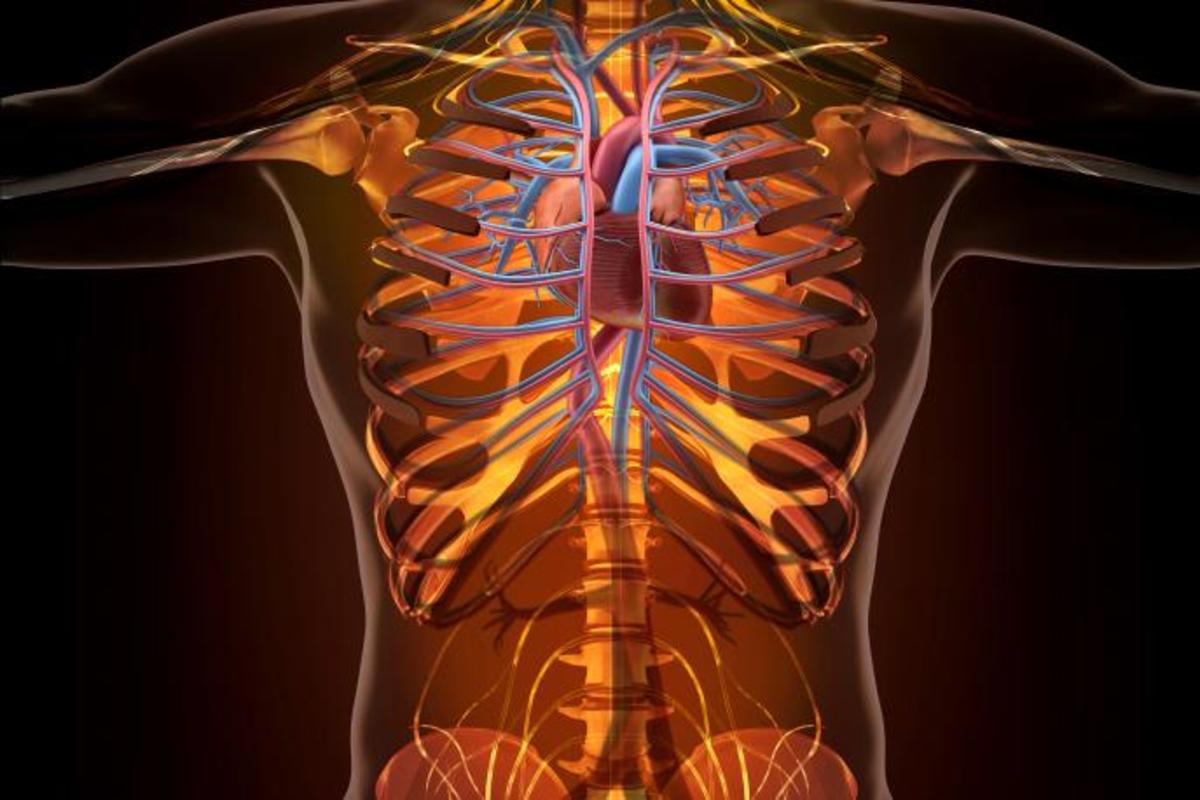
For those at higher risk of cancer, knowing and following key screening steps is key. People with a family history of cancer or certain genetic traits are at higher risk. They need special screening plans to catch cancer early, when it’s easier to treat.
Recommended Screening Schedules by Cancer Type
Each cancer type needs its own screening method. For example, women with BRCA1 or BRCA2 mutations should start breast cancer checks early. They might need both mammograms and MRI scans. Those with a family history of colon cancer might start colonoscopies younger.
- Breast Cancer: Annual mammograms or breast MRI starting at age 25 for those with BRCA mutations.
- Colon Cancer: Colonoscopy every 5 years starting at age 40, or 10 years before the age of the earliest colon cancer diagnosis in the family.
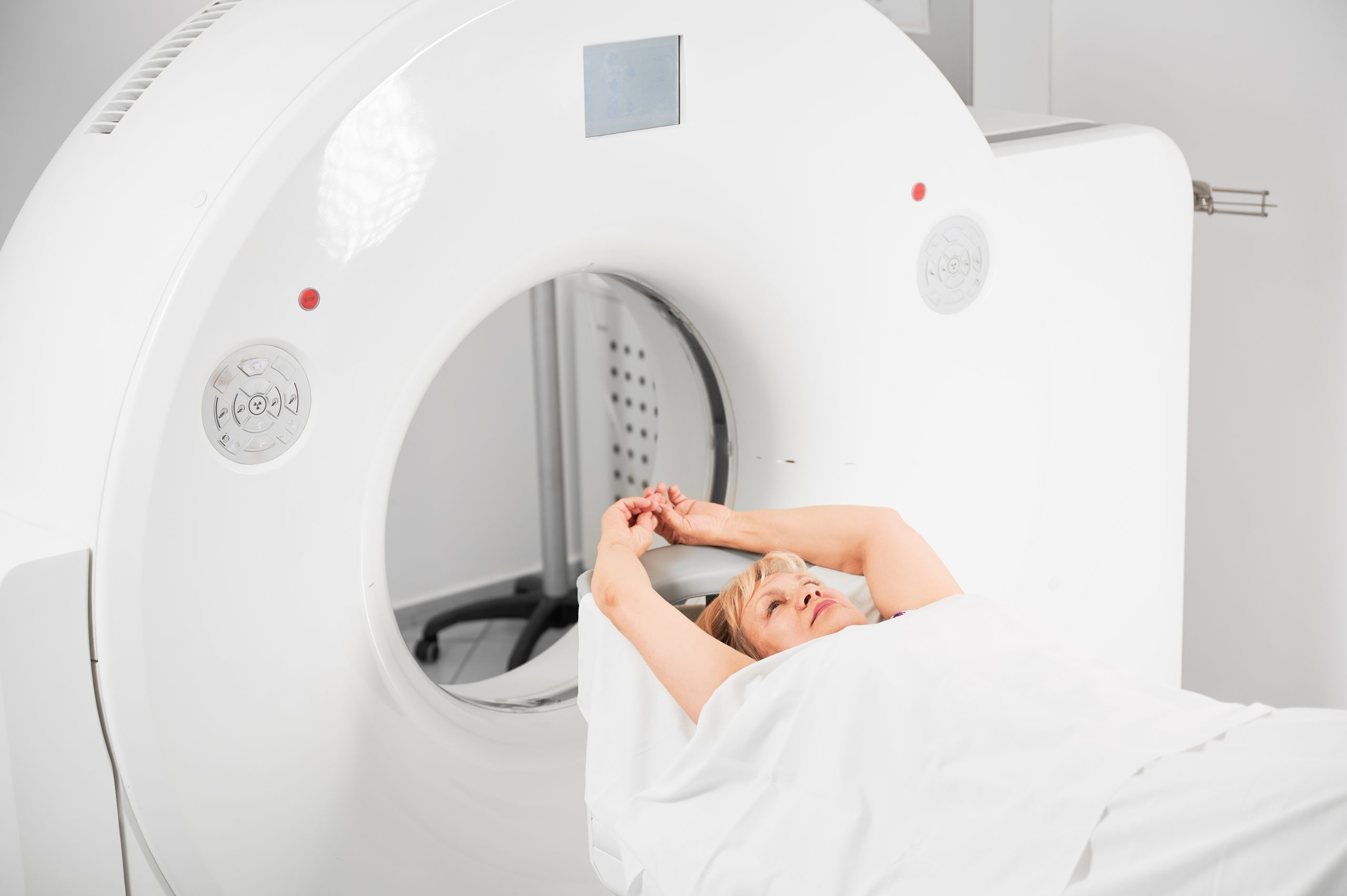
- Lung Cancer: Annual low-dose CT scans for those with a significant smoking history and family history of lung cancer.
Early Detection and Its Impact on Survival Rates
Finding cancer early greatly boosts survival chances. Early-stage cancer treatments work better, leading to higher survival rates. For instance, breast cancer found early has a nearly 99% five-year survival rate.
Regular screenings can spot cancer before symptoms show. This makes early treatment possible. We stress the need to follow screening schedules to benefit from early detection.
Overcoming Screening Barriers and Maintaining Consistency
Many face hurdles to regular screenings, like fear, cost, and access issues. To beat these, it’s vital to:
- Discuss concerns and risks with a healthcare provider.
- Explore financial help for screenings.
- Use mobile screening services or community health programs when they’re around.
Sticking to screening plans is key for high-risk folks. Knowing the right screening times and getting past barriers can greatly lower cancer death risk.
Lifestyle modifications that reduce cancer risk
Making smart lifestyle choices can lower cancer risk, even if you have a family history. Healthy habits and avoiding harmful things can greatly reduce your cancer risk.
Maintaining a Healthy Weight and Exercise Regimen
Keeping a healthy weight is key, as being overweight increases cancer risk. Exercise helps manage weight and also lowers cancer risk. Aim for at least 150 minutes of moderate-intensity or 75 minutes of vigorous-intensity exercise per week.
Experts say, “Regular physical activity can help reduce the risk of certain cancers, including breast, colon, and uterine cancer.”
“Exercise is a vital component of a healthy lifestyle, and its benefits extend far beyond just maintaining a healthy weight.”
Dietary Changes That Fight Cancer
Eating lots of fruits, vegetables, and whole grains can lower cancer risk. Including a variety of colorful fruits and vegetables in your diet ensures a broad intake of essential nutrients and antioxidants. Try to eat less processed and red meat.
- Incorporate a rainbow of fruits and vegetables into your meals.
- Choose whole grains over refined grains.
- Limit your intake of processed and red meats.
Limiting Alcohol Consumption and Tobacco Use
Drinking too much alcohol and using tobacco products are big cancer risks. Limiting alcohol intake and avoiding tobacco products can significantly reduce cancer risk. Quitting smoking is the best way to lower smoking-related cancer risk.
- Set a limit on alcohol consumption based on health guidelines.
- Avoid tobacco products entirely.
- Seek support if needed to quit smoking or reduce alcohol consumption.
Preventive Vaccines Against Cancer-Causing Viruses
Some viruses, like HPV and hepatitis B, increase cancer risk. Vaccines against these viruses can significantly reduce the risk of developing related cancers. Talking to a healthcare provider about vaccines is a key step in preventing cancer.
By making these lifestyle changes, you can actively lower your cancer risk. While genetics play a role, a healthy lifestyle can make a big difference.
Genetic counseling and testing: Taking control of your risk
If your family has a history of cancer, genetic counseling and testing can help. They let you understand your genetic risk. This way, you can work with doctors to lower your risk.
When to Consider Genetic Testing
Genetic testing is key for those with a family history of cancer. If you wonder can cancer run in the family, the answer is yes. It can show your risk. We suggest testing if you have a family history of breast, ovarian, colon, or other cancers.
Some genes, like BRCA, raise cancer risk a lot. You might ask, can the BRCA gene skip a generation? Yes, it can. A single mutated gene can increase risk, even if a parent isn’t affected.
Understanding Test Results and Risk Assessment
After genetic testing, knowing your results is key. A positive result means you have a mutation that raises cancer risk. But, a genetic counselor can help you understand what it means for you and your family.
If you have a BRCA mutation, we can talk about preventive steps like mastectomies. For colon cancer, regular screenings are important. We also look into if is blood cancer hereditary and how it affects your risk.
Creating Personalized Prevention Plans
With your genetic risk in mind, we make a plan just for you. This plan might include more screenings, lifestyle changes, or preventive surgeries. Our goal is to catch cancer early or stop it before it starts.
- Enhanced screening protocols
- Lifestyle modifications
- Preventive measures such as surgery
Modern Medical Approaches to Prevention
Modern medicine has many ways to prevent cancer, even with a genetic risk. We keep up with new research and technologies. This way, we offer the best care to protect your health.
By managing your genetic risk through counseling and testing, you’re in control of your health. We’re here to support you every step of the way.
Conclusion
Understanding if cancer can skip a generation is key to preventing it. Knowing your risk factors is important. If your family has a history of cancer, your risk might be higher. But, this doesn’t mean you will definitely get cancer.
Age is a big factor in cancer risk. Knowing who is at higher risk helps people take action. By living healthy, getting regular check-ups, and talking to a genetic counselor, you can lower your risk. At Liv Hospital, we offer top-notch healthcare for international patients, ensuring quality and care.
By taking charge of your health, you can handle your cancer risk. We urge everyone, but those with a family history of cancer, to be proactive. Regular tests, healthy living, and genetic advice can greatly reduce cancer risk.
FAQ
Is cancer a genetic disease?
Cancer can be influenced by genetics, but it’s not just a genetic disease. Genetic mutations can raise cancer risk. Some hereditary syndromes can also increase the risk of certain cancers.
Can cancer run in the family?
Yes, cancer can run in families due to inherited genetic mutations. We help people understand their risk and how to manage it.
Is breast cancer a hereditary disease?
Breast cancer can be hereditary, mainly with BRCA1 and BRCA2 mutations. We offer genetic counseling and testing to help understand risk and plan prevention.
Does cancer skip a generation?
Cancer can seem to skip a generation due to genetics and environment. We help individuals understand their family history and risk factors.
What are the chances of getting cancer if it runs in the family?
The chance of getting cancer with a family history varies. It depends on the cancer type, genetic mutations, and lifestyle. We help individuals understand their risk and how to lower it.
Can the BRCA gene skip a generation?
Yes, the BRCA gene can skip a generation. It’s passed down in an autosomal dominant pattern. We offer genetic counseling and testing to understand risk.
Is liver cancer hereditary?
Liver cancer is not typically hereditary. But, some genetic conditions can increase risk. We help individuals understand their risk and prevention plan.
If my mom has pancreatic cancer, will I get it?
A family history of pancreatic cancer may increase your risk. But, it’s not a sure thing. We provide genetic counseling and testing to understand risk and plan prevention.
Who is most likely to get cancer?
People with a family history of cancer, certain genetic mutations, or lifestyle factors like tobacco use or poor diet are at higher risk. We help individuals understand their risk and develop strategies to reduce it.
What are the chances of getting cancer?
Cancer risk varies based on genetics, lifestyle, and environment. We work with individuals to understand their risk and create a personalized prevention plan.
Is blood cancer hereditary?
Some blood cancers, like certain leukemias, can be influenced by genetics. We offer genetic counseling and testing to understand risk and plan prevention.
References
- National Cancer Institute. (2015). Cancer Statistics. https://www.cancer.gov/about-cancer/understanding/statistics
- American Cancer Society. (2025). Cancer Facts & Figures 2025. https://www.cancer.org/research/cancer-facts-statistics/all-cancer-facts-figures/2025-cancer-facts-figures.html
- Garutti, M., et al. (2023). Hereditary Cancer Syndromes: A Comprehensive Review. PubMed Central. https://pmc.ncbi.nlm.nih.gov/articles/PMC10218093/