
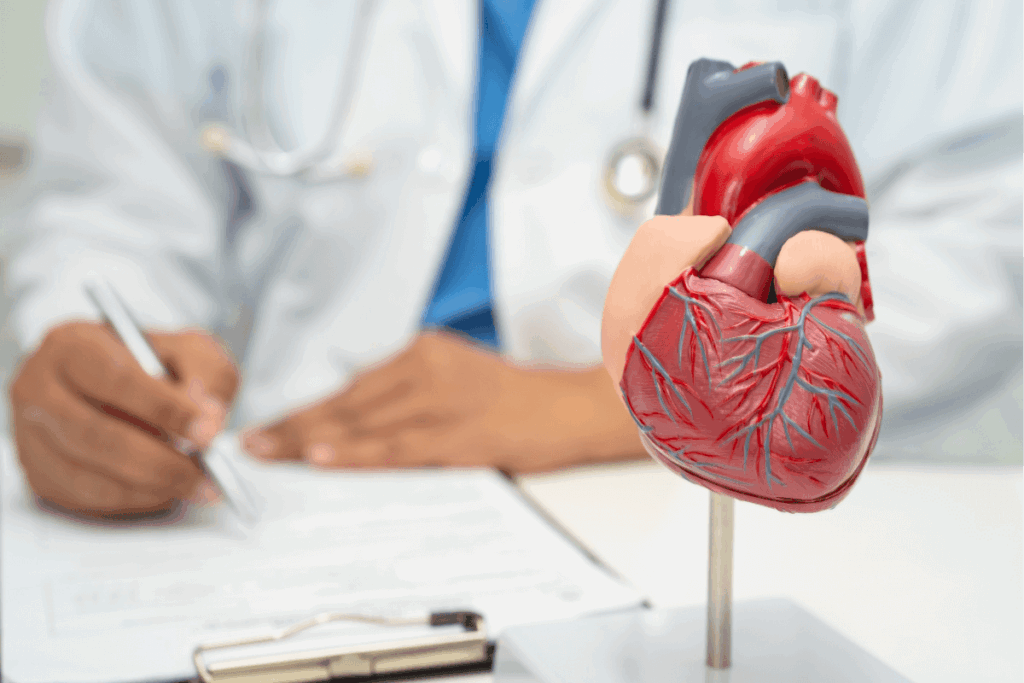
Having a heart emergency can be scary. But knowing the difference between cardiac arrest and heart attacks is key. Find out is cardiac arrest painful and what symptoms and sensations to expect.
At Liv Hospital, we focus on the latest care methods. We aim to help patients and families spot important symptoms early. This way, they can get help quicker and have better results.
Cardiac arrest happens when the heart suddenly stops beating. This is because of an irregular heart rhythm. It causes immediate loss of consciousness and breathing problems.
This is different from a heart attack, where blood flow to the heart is blocked. During cardiac arrest, the person usually doesn’t feel pain. This is because they lose consciousness quickly.
Key Takeaways
- Cardiac arrest is a sudden loss of heart activity due to irregular heart rhythm.
- It leads to immediate loss of consciousness and breathing difficulties.
- The condition is different from a heart attack.
- Typically, there is no pain experienced during cardiac arrest due to rapid unconsciousness.
- Immediate treatment is vital to prevent death.
Understanding Cardiac Arrest and Heart Attacks
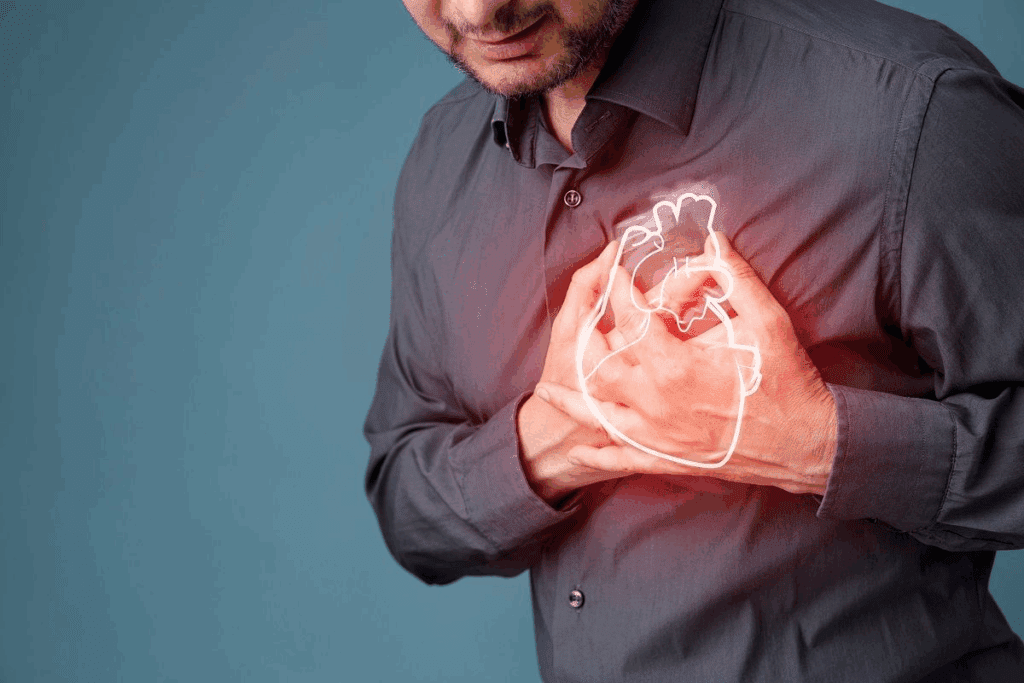
Many people confuse ‘cardiac arrest’ and ‘heart attack’ as the same thing. But they are not. Knowing the difference is key to getting the right care and better results.
Defining Cardiac Arrest
Cardiac arrest happens when the heart stops beating suddenly. This stops blood and oxygen from reaching important organs. It can be caused by heart disease, trauma, or some medicines.
The heart’s electrical system goes wrong, leading to arrhythmias like ventricular fibrillation. Without quick action, it can be fatal.
Defining Heart Attack
A heart attack, or myocardial infarction, is when a heart part doesn’t get enough blood. This is usually because a coronary artery is blocked by a blood clot.
This blockage damages or kills heart tissue. The damage’s extent depends on where and how long the artery is blocked.
Key Differences Between the Two Conditions
The main difference is in their causes and effects. A heart attack is a circulation problem that can cause cardiac arrest if severe.
Cardiac arrest, though, is an electrical problem that makes the heart stop suddenly. Not all heart attacks lead to cardiac arrest, and not all cardiac arrests are from heart attacks.
Is Cardiac Arrest Painful? The Truth About Pain Perception
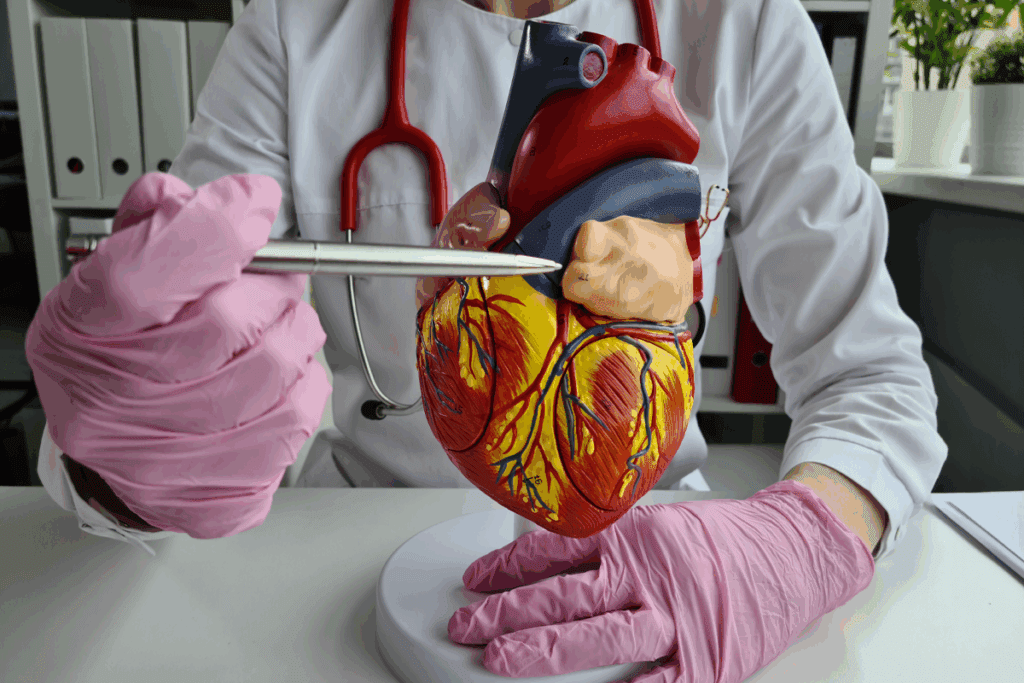
Cardiac arrest is when the heart suddenly stops beating. Many wonder if it hurts. We’ll look into whether it’s painful, and why it’s usually not felt.
Why Pain Is Usually Not Experienced
When the heart stops, blood flow drops fast. This means the brain and other organs get less oxygen. Consciousness is lost quickly, so pain is rarely felt.
The heart’s sudden stop means the brain gets no oxygen or nutrients. This leads to immediate loss of consciousness. So, cardiac arrest is not usually painful.
Rapid Loss of Consciousness
The heart’s failure to pump blood to the brain causes quick loss of consciousness. The brain lacks oxygen, and the person doesn’t feel pain in time.
| Time Frame | Physiological Change | Consciousness Level |
| 0-5 seconds | Heart stops beating | Full consciousness |
| 5-10 seconds | Blood flow to brain decreases | Consciousness starts to fade |
| 10+ seconds | Brain deprived of oxygen | Unconscious |
Accounts from Survivors
Cardiac arrest itself isn’t usually painful because of quick loss of consciousness. Yet, some survivors talk about feelings before or during it. Their stories offer insights into surviving cardiac arrest.
Some say they felt uneasy or uncomfortable before losing consciousness. But, everyone’s experience is different.
Learning from survivors helps us better care for those who’ve had cardiac arrest. It’s a way to support them through this tough time.
Heart Attack Pain: What It Actually Feels Like
Heart attack pain is often described as a pressing or squeezing sensation in the chest. But, it can vary a lot from one person to another. Knowing these patterns is key to spotting heart attack signs and getting help fast.
Common Pain Descriptions
The pain of a heart attack can be very intense. It’s often felt as:
- A tight band or pressure around the chest
- A heavy or squeezing sensation
- Discomfort that may feel like indigestion or a burning sensation
It’s important to remember that pain levels can vary. Some people might feel only mild discomfort, while others might have severe pain.
Pain Radiation Patterns
Heart attack pain isn’t just in the chest. It can spread to other areas, like:
- The arms (more commonly the left arm, but can be both)
- The back, neck, or jaw
- The stomach
This happens because the nerves that serve the heart also cover these other areas. This makes it hard to figure out where the pain is coming from.
Variations in Pain Experience
Not everyone feels heart attack pain the same way. Some differences include:
| Symptom | Description | Frequency |
| Chest Pain | Pressure or squeezing sensation | Common |
| Shortness of Breath | Difficulty breathing without chest pain | Less Common |
| Other Symptoms | Lightheadedness, fatigue, or cold sweats | Variable |
During a heart attack, the heart keeps beating. Sometimes, the heart rate goes up. Breathing can also change, with some people feeling short of breath.
It’s important to know these differences to spot a heart attack. If you or someone else is showing these signs, get medical help right away.
Heartbeat Changes During Cardiac Events
Changes in heartbeat are key in cardiac events like heart attacks and cardiac arrests. Knowing these changes helps us understand the event and how to react.
Does Your Heart Beat Faster During a Heart Attack?
During a heart attack, the heart usually keeps beating. But, the heart rate might go up because of stress and pain. This is the body’s way of trying to cope with the heart attack.
The heart rate often increases during a heart attack because of stress. But, if things get worse, the heart rhythm can get irregular. This irregularity might mean a more serious problem.
Heart Rhythm During Cardiac Arrest
Cardiac arrest is different because the heart stops beating altogether. This stoppage leads to loss of consciousness and can be fatal if not treated fast. The heart rhythm in cardiac arrest is usually ventricular fibrillation or asystole, both needing quick medical help.
As a doctor noted, “Cardiac arrest is a medical emergency needing fast treatment, often with a defibrillator and CPR.”
Warning Signs in Heart Rhythm
Before heart attacks and cardiac arrests, there are warning signs in heart rhythm. These signs include arrhythmias, or irregular heartbeats. Spotting these signs early is key to stopping more serious cardiac events.
“The key to surviving cardiac arrest is recognizing the warning signs and acting quickly,” said a renowned cardiologist.
Understanding heartbeat changes in cardiac events helps us spot warning signs. This way, we can act fast to prevent deadly outcomes.
Breathing Patterns and Respiratory Changes
The way a person breathes during a cardiac event can provide critical clues about their condition. Breathing patterns can vary significantly between a heart attack and cardiac arrest. Understanding these differences is key for the right response.
Can You Breathe During a Heart Attack?
During a heart attack, a person can breathe, but they might feel short of breath or have trouble breathing. This happens because the heart isn’t pumping well. It doesn’t send enough oxygen-rich blood around the body.
Some people might feel tightness in their chest or like they’re suffocating. These symptoms are scary and mean they need medical help right away.
Breathing During Cardiac Arrest
In contrast, breathing stops during cardiac arrest. This is a more serious condition where the heart suddenly stops beating well. Without blood flow and oxygen, serious brain damage or death can happen.
Agonal Breathing Explained
Before cardiac arrest, a person might have agonal breathing. This is gasping breaths that aren’t normal. Agonal breathing shows severe distress and means the brain isn’t getting enough oxygen. It’s a sign that cardiac arrest is coming or has happened.
Knowing the difference between normal breathing, hard breathing during a heart attack, and agonal breathing helps. It’s vital for bystanders and medical teams to act fast. Spotting these signs can save lives in cardiac emergencies.
The Physiological Process of Cardiac Arrest
Cardiac arrest happens when the heart suddenly stops working. This can lead to loss of consciousness and even death if not treated quickly. It’s a serious medical emergency where the heart can’t pump blood well.
What Happens to the Heart
The heart’s electrical system fails, causing it to stop beating. This can happen for many reasons, like a big heart attack or other serious health issues. When the heart stops, it can’t send blood to important organs like the brain.
The heart’s sudden stoppage causes blood pressure to drop. This means less blood gets to important parts of the body. The brain also loses oxygen and nutrients, leading to loss of consciousness.
Effects on the Brain and Consciousness
The brain needs blood and oxygen to work. When cardiac arrest happens, the brain quickly loses consciousness. This is because it can’t get the blood and oxygen it needs.
The effects on consciousness are quick and severe. The brain’s electrical activity slows down. Without fast medical help, this can cause permanent brain damage or death.
Systemic Shutdown Timeline
The body starts to shut down quickly during cardiac arrest. Without blood and oxygen, cells and organs start to fail. Here’s what happens:
- Within 0-15 seconds: Loss of consciousness
- Within 15-30 seconds: Abnormal breathing patterns or agonal breathing
- Within 1-2 minutes: Significant decline in vital organ function
- Within 4-6 minutes: Possible permanent brain damage
Knowing this timeline is key to understanding how urgent cardiac arrest is. It shows why quick medical help is so important.
Cardiac Arrest vs Heart Attack Symptoms: A Comparative Look
Distinguishing between cardiac arrest and heart attack symptoms is key in heart emergencies. Both are serious and need immediate medical help. Yet, they have different symptoms and outcomes.
Immediate Signs and Symptoms
Cardiac arrest is marked by sudden collapse and loss of consciousness. It also includes no pulse or breathing. On the other hand, a heart attack often presents with chest pain or discomfort. It can also cause shortness of breath and pain in the arms, back, neck, jaw, or stomach.
Cardiac arrest symptoms are severe and sudden. They include:
- Sudden collapse
- No pulse
- No breathing or abnormal breathing
- Loss of consciousness
Heart attack symptoms can vary. They may include:
- Chest pain or discomfort
- Shortness of breath
- Lightheadedness or fainting
- Pain or discomfort in one or both arms, the back, neck, jaw, or stomach
Progression of Symptoms
The progression of symptoms differs between cardiac arrest and heart attack. Cardiac arrest symptoms are immediate and severe, often without warning. Heart attack symptoms can develop gradually or come on suddenly.
| Symptom | Cardiac Arrest | Heart Attack |
| Onset | Sudden | Gradual or sudden |
| Consciousness | Loss of consciousness | Typically conscious |
| Pulse | No pulse | Pulse may be normal or abnormal |
| Breathing | No breathing or agonal breathing | Shortness of breath |
How Bystanders Can Recognize Each Condition
Bystanders are key in recognizing cardiac emergencies. To spot cardiac arrest, look for someone who has collapsed and is unresponsive. They should not be breathing or have abnormal breathing. For a heart attack, watch for chest pain or discomfort, shortness of breath, or pain in the arms, back, or jaw.
Acting quickly is vital. If you think someone is having a cardiac arrest, call emergency services and start CPR if you know how. For a suspected heart attack, call emergency services and, if advised, give aspirin.
Vital Signs During Cardiac Events
Heart attacks and cardiac arrests change vital signs in specific ways. It’s vital for doctors to know these changes to treat these conditions well.
Heart Attack Vitals
During a heart attack, vital signs change a lot. A big sign is an elevated pulse, as the heart tries to make up for less blood flow. Blood pressure might also change, often going up because of pain and stress.
An electrocardiogram (ECG) will show abnormal heart rhythms. This can point to where in the heart the attack is happening.
Cardiac Arrest Vitals
Cardiac arrest changes vital signs even more. The most important change is the absence of a pulse, meaning the heart isn’t working right. Without quick help, this can be fatal.
Other signs, like blood pressure, can’t be measured because the heart isn’t pumping. An ECG will show a flatline or chaotic rhythm, showing the heart’s failure.
What Medical Professionals Look For
Doctors watch vital signs closely during cardiac events. They look for signs like high cardiac biomarkers and abnormal ECGs in heart attacks. They also check for changes in pulse and blood pressure.
In cardiac arrest, they look for no pulse and no response. Spotting these changes quickly helps doctors give the right treatment fast.
Which Is More Dangerous: Heart Attack or Cardiac Arrest?
Heart attacks and cardiac arrests are not just terms; they mean life or death. Both are serious, but they affect us differently. Knowing the difference can save lives.
Mortality Rates Comparison
Cardiac arrest is more deadly than a heart attack. Studies show it has a higher death rate, mainly if not treated fast. Cardiac arrest stops the heart, cutting off blood and oxygen. A heart attack blocks blood flow, damaging heart muscle.
Cardiac arrest needs quick action like CPR to keep the heart beating. Heart attacks give more time to get help before things get worse.
Immediate vs. Long-term Dangers
Cardiac arrest is deadly because it happens suddenly. It needs fast treatment to avoid death. Heart attacks are serious but give time to get help.
Both can harm health long-term. Cardiac arrest can damage the brain. Heart attacks can harm the heart and require lifestyle changes.
Risk Factors for Fatal Outcomes
Many factors raise the risk of death from heart attacks and cardiac arrests. These include heart disease, high blood pressure, diabetes, smoking, and family history. Knowing these can help prevent and treat early.
For cardiac arrest, past arrhythmias or previous arrests increase risk. For heart attacks, obesity, lack of exercise, and genetic conditions play a part.
It’s vital to recognize signs and get help fast. Quick treatment can greatly improve chances of survival for both conditions.
Conclusion: Understanding and Responding to Cardiac Emergencies
It’s key to know the difference between cardiac arrest and heart attack to act fast in emergencies. We’ve looked at the unique signs, heartbeat changes, and breathing patterns for each.
Spotting the signs of cardiac arrest and heart attack can be a lifesaver. When these emergencies happen, it’s vital to act quickly. This means calling for help and starting CPR if needed.
Knowing how to tell cardiac arrest apart from a heart attack helps us react better in emergencies. Quick action and the right steps can greatly lower the chance of death from these serious conditions.
FAQ
What is the difference between cardiac arrest and a heart attack?
Cardiac arrest is when the heart’s rhythm goes wrong or stops. A heart attack is when a blockage in blood vessels hurts the heart.
Does cardiac arrest hurt?
No, cardiac arrest usually doesn’t hurt because the person loses consciousness fast. This means they can’t feel pain.
What does a cardiac arrest feel like?
People who survive cardiac arrest say it doesn’t hurt. Some feel a sense of doom or discomfort before they lose consciousness.
How does a heart attack feel?
A heart attack feels like pressure or squeezing in the chest. It can spread to the arms, back, or jaw. The pain can change in intensity and feel different.
Does your heart beat faster during a heart attack?
Yes, the heart rate goes up during a heart attack. This is because the body is stressed.
What happens to your heartbeat during cardiac arrest?
In cardiac arrest, the heart’s rhythm goes wrong or stops. This leads to a lack of blood flow.
Can you breathe during a heart attack?
Yes, you can breathe during a heart attack. But you might feel short of breath or have trouble breathing.
What happens to your breathing during cardiac arrest?
Breathing stops during cardiac arrest. Some people might gasp, but these breaths are not effective.
What are the vital signs during a heart attack?
During a heart attack, vital signs can include a faster heart rate. Blood pressure and breathing rate might also change.
What are the vital signs during cardiac arrest?
During cardiac arrest, the pulse is usually gone. Breathing is ineffective or stops. Blood pressure is not measurable.
Which is more dangerous, heart attack or cardiac arrest?
Cardiac arrest is more dangerous because it stops the heart. This leads to quick loss of consciousness and death if not treated fast.
Does sudden cardiac arrest hurt?
Like regular cardiac arrest, sudden cardiac arrest usually doesn’t hurt. This is because the person loses consciousness quickly.
What does it feel like when your heart stops?
When the heart stops, as in cardiac arrest, the person loses consciousness fast. They don’t feel sensations or pain.
References
- Lung, K., & Lui, F. (2023). Anatomy, Abdomen and Pelvis: Arteries. In StatPearls. National Center for Biotechnology Information. https://www.ncbi.nlm.nih.gov/books/NBK525959/