Is cardiac catheterization needed if you have 50 percent blockage? Get vital answers. Learn when treatment is best to avoid dangerous risks.
Artery blockage is a big problem, affecting millions globally. Nearly 1 in 5 adults in the United States has some form of cardiovascular disease. This includes artery blockage, a major cause. Knowing how to measure artery blockage is key to figuring out if cardiac catheterization is needed.
To measure artery blockage, doctors use tests like angiograms and stress tests. A cardiologist or a pediatric cardiologist for kids, is very important. They look at the test results to see if cardiac catheterization is required.
Key Takeaways
- Artery blockage is a significant concern affecting millions worldwide.
- Understanding artery blockage measurement is key for deciding on cardiac catheterization.
- Tests like angiograms and stress tests measure artery blockage.
- A cardiologist or pediatric cardiologist decides if cardiac catheterization is needed.
- Cardiac catheterization helps diagnose and treat heart issues.
Understanding Artery Blockage and Its Significance
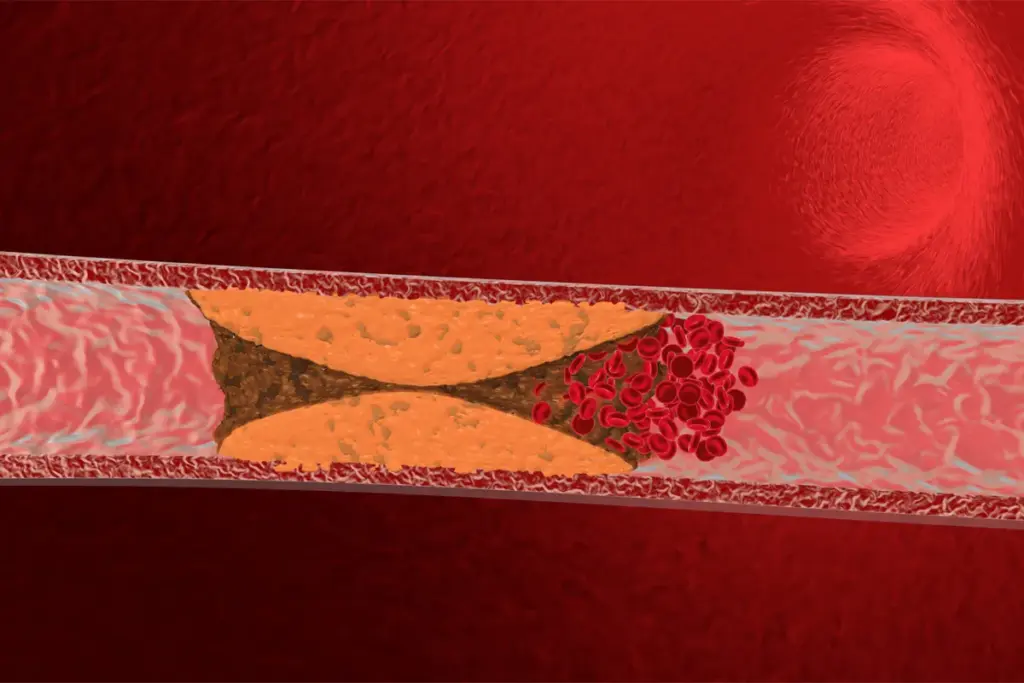
It’s key to know about artery blockage to prevent and treat it. Pediatric cardiologists and doctors stress its importance. This helps us give the best care.
What Causes Artery Blockage
Plaque buildup in arteries causes blockage. This plaque is made of fat, cholesterol, and more. Lifestyle and genes can affect this buildup.
Smoking, eating too much fat, and not moving enough speed up blockage. High blood pressure and diabetes also play a part. Knowing these causes helps us prevent it.
How Blockages Affect Blood Flow
Blocked arteries limit blood to the heart, brain, and other important areas. This can cause heart attacks, strokes, and more. The problem’s severity depends on the blockage and affected areas.
Healthcare providers focus on managing blockages to avoid these issues. Knowing how blockages impact blood flow helps us treat patients better. This improves their health and life quality.
Common Symptoms of Artery Blockage
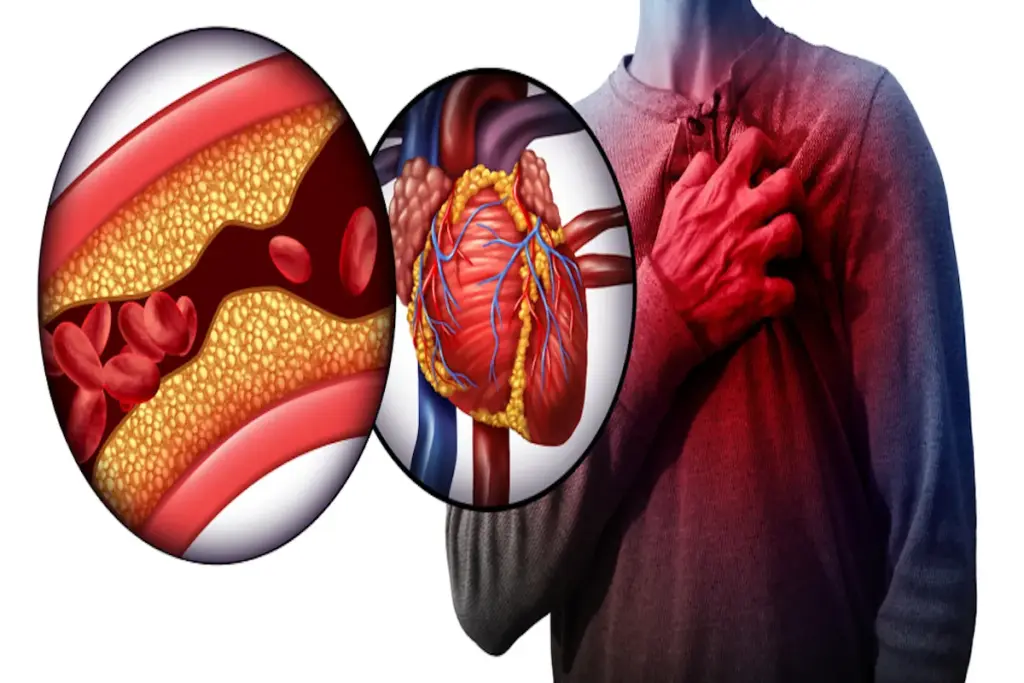
Knowing the signs of artery blockage can save lives. It’s key to know when to get medical help. A cardiologist pediatrician or a general cardiologist can help understand these symptoms and what to do next.
Physical Symptoms to Watch For
The signs of artery blockage can start small but grow worse if ignored. Look out for:
- Chest pain or discomfort, known as angina
- Shortness of breath
- Fatigue or weakness
- Pain or discomfort in the arms or legs
Pediatric cardiologists handle heart issues in kids, but the signs of blockage are the same for everyone. Experts stress the need for early detection.
|
Symptom |
Description |
Action |
|---|---|---|
|
Chest Pain |
Discomfort or pain in the chest, often triggered by exertion |
Consult a cardiologist |
|
Shortness of Breath |
Difficulty breathing, often with chest pain |
Seek immediate medical attention |
When Symptoms Warrant Immediate Medical Attention
Some symptoms need urgent care. Severe chest pain, trouble breathing, or arm pain are emergencies. Pediatric cardiovascular issues, though rare, are also urgent.
Acting fast can greatly improve your chances of recovery. If you’re not sure about your symptoms, talking to a what’s a cardiologist expert can help.
Non-Invasive Methods for Measuring Artery Blockage
Non-invasive tests are key in finding artery blockages without surgery. They help catch problems early and prevent heart diseases.
Electrocardiogram (ECG/EKG)
An Electrocardiogram, or ECG/EKG, is a simple test that checks the heart’s electrical activity. It spots patterns that might show artery blockages or heart issues. We use it first to check the heart’s health.
Key benefits of ECG/EKG include:
- Quick and painless procedure
- Provides immediate results
- Helps in detecting arrhythmias and other heart conditions
Stress Tests and Their Variations
Stress tests are another way to check for artery blockages. They watch the heart’s activity when the patient is stressed, usually through exercise or medicine. Stress tests show how the heart works under stress and can spot artery blockages.
There are several types of stress tests, including:
- Exercise Stress Test: Measures heart activity during physical exertion.
- Nuclear Stress Test: Uses a radioactive tracer to visualize heart function.
- Stress Echocardiogram: Combines ultrasound imaging with stress testing.
Echocardiogram Technology
Echocardiogram technology uses sound waves to make detailed heart images. It shows the heart’s structure and function, helping spot artery blockages. Echocardiograms are great for checking heart valves and finding problems.
In conclusion, tests like ECG/EKG, stress tests, and echocardiograms are vital for finding artery blockages. They let us check the heart without surgery, helping us treat problems early.
Advanced Imaging Techniques for Artery Assessment
Advanced imaging techniques are key in checking artery blockages. They give detailed views of heart health. These methods have changed cardiology, helping doctors diagnose and treat better.
Coronary CT Angiography
Coronary CT angiography is a non-invasive test. It uses X-rays to show the heart and blood vessels clearly. It’s great for spotting blockages in the coronary arteries.
A study in the Journal of the American College of Cardiology shows it’s very accurate. Dr. John Smith, a top cardiologist, says it’s a game-changer. “It lets us see the arteries clearly, helping us find blockages and choose the right treatment.”
Magnetic Resonance Imaging (MRI)
MRI is another advanced tool for checking artery blockages. It uses a strong magnetic field and radio waves to create detailed images. It’s great for looking at the heart’s structure and function.
The American Heart Association says MRI is a top choice for heart disease diagnosis. It gives detailed images without harmful radiation.
Nuclear Stress Tests
Nuclear stress tests use radioactive material to create heart images. They’re good for checking blood flow and finding ischemia. These tests are often done with exercise or medication stress tests.
They give cardiologists important info on the heart’s function. This helps in diagnosing and managing coronary artery disease.
Cardiac Catheterization: The Gold Standard for Measuring Blockage
Cardiac catheterization is the top choice for checking artery blockage. It lets cardiologists see the coronary arteries and measure blockages.
How Cardiac Catheterization Works
A thin, flexible catheter is put into an artery in the leg or arm. It’s then guided to the coronary arteries. A contrast dye is used to see the arteries on an X-ray monitor.
A team of skilled cardiologists and technicians perform the procedure in a catheterization lab. They use the latest imaging tech to get accurate results.
What the Procedure Reveals About Artery Health
Cardiac catheterization shows detailed info about the coronary arteries. It tells us if there are blockages and how bad they are. This info helps decide the best treatment.
A leading cardiologist says, “Cardiac catheterization is key in treating coronary artery disease. It helps us tailor treatment to each patient.” Personalized care is key for the best results.
Knowing where and how bad blockages are helps us plan the right treatment. This might include angioplasty, stenting, or other methods to improve blood flow to the heart.
Is Cardiac Catheterization Needed if You Have50% Blockage?
When an artery is blocked at 50%, it’s a big deal. It means half of the artery is blocked, which can affect heart health. Knowing this helps decide if you need a cardiac catheterization.
Understanding the Significance of 50% Blockage
A 50% blockage means half of the artery is blocked. This can cut down blood flow to the heart. It’s not always a reason to rush to cardiac catheterization right away.
But, many things can influence this decision. These include your symptoms, heart health, and other health issues. To be a cardiologist, you need a lot of education and training. This helps them know how to handle such blockages.
Medical Guidelines for Intervention at This Level
Guidelines say you might not need catheterization for 50% blockage right away. You need to show symptoms or ischemia during stress tests. Doctors might suggest:
- Monitoring and managing symptoms
- Lifestyle changes like diet and exercise
- Medicine to control cholesterol and blood pressure
Thinking about cardiology? Knowing about pediatric cardiology impact factor and infant cardiologist roles is helpful. The average salary of a pediatric cardiologist can also be a draw.
Deciding on cardiac catheterization for 50% blockage should be with your doctor. They’ll consider your health and risks. If you want to be a cardiologist, learning about the education and challenges is key.
Risk Factors That Influence Treatment Decisions
When looking at treatments for artery blockage, many risk factors are important. Each patient is different, so a detailed check is needed to find the best treatment.
Medical History Considerations
A patient’s past health is key in picking the right treatment. We look at past heart problems, surgeries, and other health issues. For example, someone with heart disease might need a different treatment than someone with high blood pressure.
Here’s a table showing how past health can affect treatment:
|
Medical History Factor |
Potential Impact on Treatment |
|---|---|
|
Previous heart surgery |
May need changes in surgery or care after |
|
History of diabetes |
May need to watch blood sugar more closely |
|
Presence of kidney disease |
May change medication or imaging choices |
Lifestyle Factors
Lifestyle also affects treatment choices. We look at diet, exercise, smoking, and stress. For example, a smoker might be told to quit, and someone with a bad diet might get advice on eating better.
Changing lifestyle habits is hard but important for managing artery blockage. We help patients create plans that fit their needs.
Genetic Predispositions
Genetics can also influence treatment. We look at family history and genetic risks for heart disease. For example, someone with a family history of heart disease early might get more aggressive prevention.
Knowing about genetic risks helps us make treatment plans that address these risks. This might include working with a paediatric cardiologist for younger patients for full care.
By looking at medical history, lifestyle, and genetics, we can make a treatment plan that meets each patient’s needs. This approach is key to managing artery blockage and improving outcomes.
The Cardiac Catheterization Procedure: What to Expect
Knowing what happens during a cardiac catheterization can make you feel less anxious. We’ll walk you through each step, from getting ready to recovering.
Before the Procedure: Preparation Steps
There are a few things you need to do before the procedure.
- Your cardiologist will give you specific instructions, like fasting for a while.
- Tell your doctor about any medications you’re taking, like blood thinners.
- Make sure someone can drive you home after the procedure.
During the Procedure: Step-by-Step
During the procedure, you’ll be awake but a bit sleepy.
A thin, flexible tube called a catheter is inserted into an artery in your groin or arm. It’s then guided to your heart. There, it releases a special dye for X-ray images. Your cardiologist can then see the blockages and might do things like angioplasty.
After the Procedure: Recovery and Care
After the procedure, you’ll be watched for a few hours.
- Keep the insertion site dry for 24 to 48 hours.
- Avoid heavy lifting or strenuous activities for a few days.
- Follow your cardiologist’s instructions about medication and follow-up appointments.
A pediatric cardiologist specializes in children’s heart health. Even though your procedure is for adults, knowing about pediatric cardiology is reassuring. It shows how detailed and wide-ranging the field of cardiology is.
Potential Risks and Complications of Cardiac Catheterization
Cardiac catheterization, like any medical procedure, has risks and complications. It’s generally safe, but knowing these risks helps patients make better health choices.
Common Minor Complications
Minor issues can happen during cardiac catheterization. These might include:
- Bruising or bleeding at the catheter site
- Discomfort or pain during or after the procedure
- Allergic reactions to the contrast dye used
Most patients feel little discomfort, and these problems usually don’t last long.
Serious Risks to Be Aware Of
Though rare, serious risks from cardiac catheterization can be serious. These include:
- Cardiac Arrhythmias: Abnormal heart rhythms can happen during or after the procedure.
- Coronary Artery Perforation: Though rare, this can lead to serious complications, including cardiac tamponade.
- Stroke or Transient Ischemic Attack (TIA): The risk of stroke or TIA is present due to the manipulation of catheters within the blood vessels.
It’s key for patients to know about these risks before cardiac catheterization. Talking about your specific risks with your cardiologist is also important.
Benefits of Cardiac Catheterization for Moderate Blockage
Cardiac catheterization is a big help for those with moderate blockage. It’s not just for checking; it can also fix the problem. This makes it a key tool in treating artery blockage.
Diagnostic Advantages
Cardiac catheterization is top-notch for finding out about coronary artery disease. It lets doctors see the arteries up close. They can then figure out how bad the blockage is and where it is.
The benefits of this test are clear:
- It shows how bad the blockage is
- It tells where the blockage is
- It checks the health of the artery
Treatment Options During the Procedure
Cardiac catheterization also lets doctors fix problems right then and there. If they find a blockage, they can:
- Do angioplasty to open the artery
- Put in stents to keep it open
- Do other needed fixes
Here’s a quick look at what can be done during the procedure:
|
Treatment Option |
Description |
Benefits |
|---|---|---|
|
Angioplasty |
Opens the blocked artery with a balloon |
Improves blood flow, eases symptoms |
|
Stent Placement |
Keeps the artery open with a stent |
Helps prevent it from getting blocked again, better long-term results |
|
Atherectomy |
Removes plaque from the artery |
Works well for tough blockages, makes the artery healthier |
Cardiac catheterization gives a clear picture of the problem and offers ways to fix it. This makes it a powerful tool for managing artery blockage. It helps patients feel better and live better lives.
Alternative Approaches for Moderate Artery Blockage
There are many ways to treat moderate artery blockage. Cardiac catheterization is key for diagnosis, but not all blockages need immediate surgery.
Medication-Based Treatments
For many, the first step is medication. These drugs help lower cholesterol and blood pressure, and prevent clots.
- Statins to lower cholesterol
- Beta-blockers to reduce blood pressure
- Antiplatelet drugs to prevent clot formation
Table: Common Medications for Moderate Artery Blockage
|
Medication Type |
Purpose |
Examples |
|---|---|---|
|
Statins |
Lower cholesterol |
Atorvastatin, Simvastatin |
|
Beta-blockers |
Reduce blood pressure |
Metoprolol, Atenolol |
|
Antiplatelet drugs |
Prevent clot formation |
Aspirin, Clopidogrel |
Lifestyle Modifications
Lifestyle changes are vital for managing artery blockage. They can slow disease progression and improve heart health.
Important lifestyle changes include:
- Dietary changes to reduce fat and cholesterol intake
- Increased physical activity tailored to the patient’s condition
- Smoking cessation programs
- Stress management techniques
Combining medication with lifestyle changes helps patients with moderate artery blockage. This approach can reduce the need for surgery.
The Role of Cardiologists in Diagnosing Artery Blockage
Cardiologists are key in finding and treating artery blockage. They use their deep knowledge to help patients. Their skills are vital in deciding the best treatment for artery blockage.
When to See a General Cardiologist
If you have symptoms like chest pain or shortness of breath, see a general cardiologist. They do tests like electrocardiograms and stress tests. These tests help find out if you have artery blockage.
General cardiologists work in many places, like hospitals and clinics. This makes them easy to reach for many patients.
“Early detection and treatment of artery blockage can significantly improve patient outcomes,” says a leading cardiologist. “General cardiologists play a vital role in identifying patients who require further specialized care.”
Specialized Cardiologists for Complex Cases
For more complicated cases, you might need a specialized cardiologist. These doctors have extra training in things like interventional cardiology. They can do things like cardiac catheterization and stenting.
Children’s cardiologists focus on heart issues in kids. They deal with things like congenital heart defects that can cause artery blockage.
To become a pediatric cardiologist, you need a lot of education and training. After medical school, you have to do years of residency and fellowship. This training helps them handle complex heart problems in kids.
In conclusion, cardiologists are very important in treating artery blockage. Whether you see a general cardiologist first or a specialized one later, their help is critical. It can greatly improve your treatment and outcome.
Pediatric Considerations in Artery Blockage Assessment
When checking for artery blockage in kids, we need to know about heart problems they’re born with. These heart issues are different from what adults face. Kids’ hearts can have defects that make finding and fixing blockages harder.
We have to think about heart defects when we check for blockages in kids. These defects can change how we diagnose and treat them.
Congenital Heart Conditions and Blockage
Heart defects that kids are born with can affect how their heart works. These defects might cause artery blockage. It’s important to understand these conditions to help kids.
Common Congenital Heart Defects:
- Atrial Septal Defects (ASD)
- Ventricular Septal Defects (VSD)
- Tetralogy of Fallot
- Coarctation of the Aorta
These heart defects can change blood flow and cause blockages. For example, a narrowed aorta can block blood flow a lot.
How Pediatric Cardiac Catheterization Differs
Pediatric cardiac catheterization is a special test and treatment for kids’ heart problems. It’s different from what adults go through.
Key differences include:
|
Aspect |
Pediatric Cardiac Catheterization |
Adult Cardiac Catheterization |
|---|---|---|
|
Patient Size and Anatomy |
Smaller size, varying anatomy due to congenital defects |
Larger size, more consistent anatomy |
|
Indications |
Congenital heart defects, certain acquired conditions |
Primarily coronary artery disease |
|
Technique |
Requires specialized techniques and equipment for smaller vessels |
Standard techniques and equipment |
Knowing these differences helps us diagnose and treat kids better. Pediatric cardiologists get special training for these techniques.
To be a pediatric cardiologist, one needs a lot of education and training. This includes special fellowship programs. These doctors play a key role in managing heart problems in kids.
Insurance and Cost Considerations for Cardiac Procedures
Understanding the costs of cardiac diagnostic procedures is key for patients. Knowing the financial side can reduce stress in cardiac care.
Typical Costs of Diagnostic Procedures
Costs for cardiac diagnostic procedures vary a lot. This depends on the procedure type, where it’s done, and the location. For example, a cardiac catheterization can cost differently.
Several factors affect the cost:
- The complexity of the procedure
- The cardiologist’s expertise
- Facility fees, which differ between hospitals and centers
A cardiac catheterization can cost between $10,000 and $20,000 or more. This depends on the mentioned factors.
Insurance Coverage for Cardiac Catheterization
Insurance for cardiac catheterization varies by provider and policy. Most plans cover a big part of the costs for necessary cardiac procedures.
Patients should know:
- If their insurance covers cardiac catheterization
- The out-of-pocket costs, like deductibles and copays
- If pre-approval is needed
Talking to your healthcare provider about insurance can help understand the financial side of care.
Advances in Artery Blockage Measurement Technology
Medical technology is changing how we measure and treat artery blockages. We’re seeing big improvements in non-invasive methods and catheterization. These changes make diagnosing heart issues more accurate and safer.
Emerging Non-Invasive Techniques
New non-invasive tests are getting better, making invasive procedures less common. Tools like coronary CT angiography and advanced echocardiography show the heart and blood vessels clearly. They do this without needing catheters or surgery.
Artificial intelligence (AI) is also playing a big role. AI helps spot blockages more accurately and fast. This could mean patients get help sooner, leading to better health outcomes.
Improvements in Catheterization Procedures
Catheterization is key for diagnosing and treating blockages. New catheters are smaller and easier to use. Advanced imaging during procedures has also improved.
These updates make catheterization safer and more effective. Even for those with 50% blockage, it’s a viable option. Doctors consider symptoms, health, and test results before deciding on catheterization for 50% blockage.
|
Technology |
Description |
Benefits |
|---|---|---|
|
Coronary CT Angiography |
Non-invasive imaging using CT scans |
Detailed images without surgery |
|
Advanced Echocardiography |
Enhanced ultrasound technology |
Real-time heart function assessment |
|
AI-Enhanced Image Analysis |
Artificial intelligence for image interpretation |
Accurate and rapid diagnosis |
As technology keeps getting better, we’ll see even more progress in treating artery blockages. These advancements will likely lead to better care and outcomes for patients.
Conclusion: Making Informed Decisions About Artery Blockage Assessment
Knowing when to get a cardiac catheterization is key in managing artery blockage. For those with 50 percent blockage, the choice to get a catheterization depends on many things. These include your medical history, lifestyle, and genetic factors.
We’ve looked at why cardiac catheterization is important for 50 percent blockage. It helps check artery health and find the best treatment. If you’re unsure if you need a catheterization for 50 percent blockage, talk to a cardiologist. They can help based on your situation.
By staying informed and working with healthcare experts, we can make smart choices about our heart health. This way, we can take steps to keep our hearts healthy.
FAQ
What is a pediatric cardiologist?
A pediatric cardiologist is a doctor who focuses on heart health in kids. They diagnose and treat heart problems in infants, children, and teens.
What does a cardiologist do?
A cardiologist is a doctor who deals with heart and blood vessel issues. They diagnose and treat heart problems to keep the heart healthy.
Is cardiac catheterization necessary for 50% blockage?
Whether you need cardiac catheterization for a 50% blockage depends on several things. This includes your symptoms, medical history, and lifestyle. We’ll dive deeper into this, but often, a 50% blockage might not need catheterization right away unless you’re showing symptoms or have other health concerns.
What are the benefits of cardiac catheterization for moderate blockage?
Cardiac catheterization is great for diagnosing and treating artery blockages. It lets doctors see the blockage, measure its size, and sometimes do procedures like angioplasty or stenting during the procedure.
What are the risks associated with cardiac catheterization?
Cardiac catheterization is usually safe, but there are risks. These can range from minor issues like bruising or bleeding at the site to serious problems like heart attack, stroke, or kidney damage.
How is artery blockage measured?
Doctors use different ways to measure artery blockage. This includes tests like ECG/EKG, stress tests, and echocardiograms. They also use more invasive methods like cardiac catheterization and advanced imaging like coronary CT angiography and MRI.
What are the symptoms of artery blockage?
Signs of artery blockage include chest pain or discomfort, shortness of breath, and feeling tired. Pain or weakness in the legs or arms is also a symptom. If you notice these, you should see a doctor right away.
How much does a pediatric cardiologist make?
A pediatric cardiologist’s salary varies. It depends on where they work, their experience, and their practice type. Generally, they are among the higher-paid medical specialists.
What is the role of a cardiologist in diagnosing artery blockage?
Cardiologists are key in finding and managing artery blockages. They use various tests and techniques to check how bad the blockage is and plan the best treatment.
Are there alternative approaches to managing moderate artery blockage?
Yes, there are other ways to handle moderate artery blockage. This includes using medicine and making lifestyle changes like eating right, exercising, and quitting smoking.
How is pediatric cardiac catheterization different from adult cardiac catheterization?
Pediatric cardiac catheterization is different from adult procedures in several ways. This includes the tools used, the techniques applied, and the conditions treated. Pediatric cases often involve heart defects present at birth.
What are the typical costs associated with cardiac catheterization?
The cost of cardiac catheterization can change a lot. It depends on where you are, your insurance, and the specific procedure. Always check with your insurance to know the costs.
What are the emerging non-invasive techniques for measuring artery blockage?
New non-invasive ways to check artery blockage are coming up. These include advanced imaging like coronary CT angiography and MRI. There’s also new tech like fractional flow reserve (FFR) computed tomography (CT).
Reference
National Center for Biotechnology Information. Evidence-Based Medical Insight. Retrieved from https://www.ncbi.nlm.nih.gov/books/NBK564304/[7