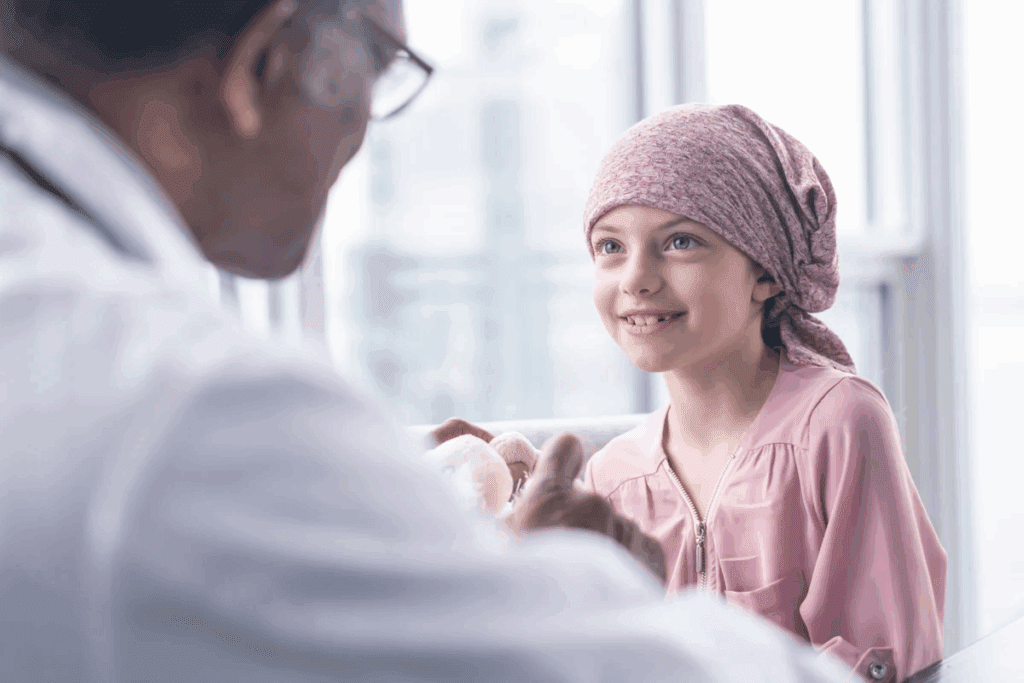
Although childhood cancer is relatively rare, it affects about 150 children per million worldwide . Its impact on families is huge. In the United States, most children with cancer live long lives. About 80% of them do. Facts on genetic testing and hereditary risk factors. Is Childhood cancer hereditary in your family?
It’s key to understand the genetic link behind familial childhood cancer. This helps families deal with the disease’s complexities. We look at the genetic risk factors for childhood cancer. This gives families a better understanding of their situation.
Key Takeaways
- Childhood cancer is a relatively rare disease but has a significant impact on families.
- A majority of children with cancer in the United States become long-term survivors.
- Genetic factors play a critical role in childhood cancer development.
- Knowing genetic risk helps families manage the disease.
- Familial childhood cancer cases show the importance of genetic links.
What is Childhood Cancer?
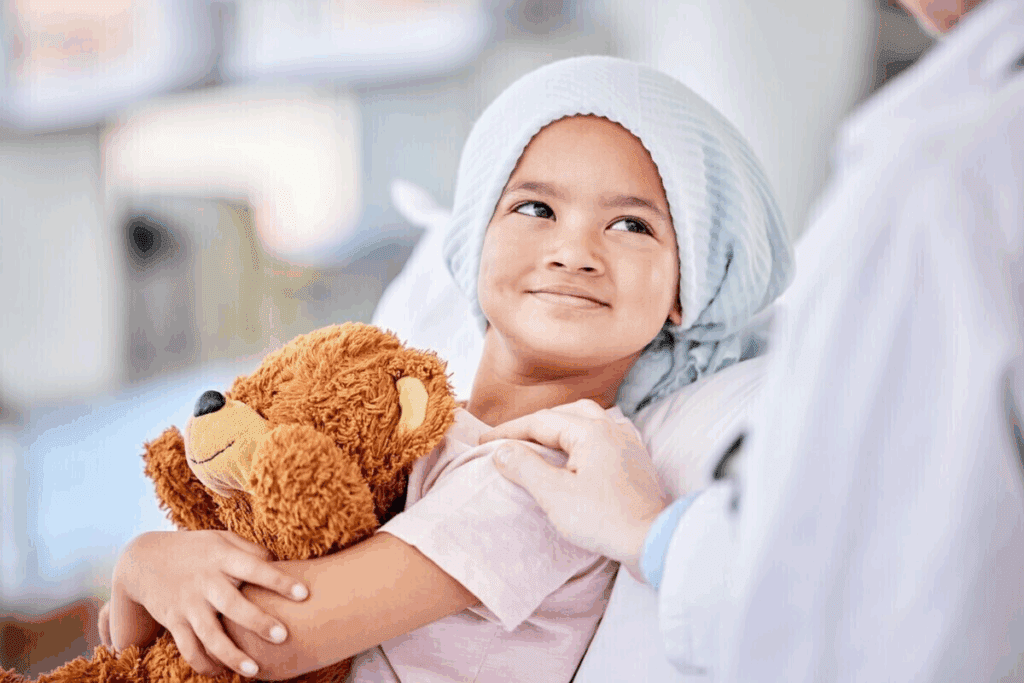
Childhood cancer is a complex disease that affects kids all over the world. It involves genetics and the environment. Knowing about childhood leukemia genetics and other factors helps find and treat it early.
Common Types of Childhood Cancer
Childhood cancer includes leukemia, brain tumors, and lymphoma. Leukemia is the most common, making up about 30% of all cases. Pediatric cancer predisposition to these can be due to genetic mutations.
- Leukemia: Cancer of the blood and bone marrow
- Brain Tumors: Abnormal cell growth in the brain
- Lymphoma: Cancer of the lymphatic system
| Type of Cancer | Description | Prevalence |
| Leukemia | Cancer of the blood and bone marrow | 30% |
| Brain Tumors | Abnormal cell growth in the brain | 25% |
| Lymphoma | Cancer of the lymphatic system | 10% |
Symptoms to Watch For
Symptoms of childhood cancer vary by type. Look out for fever, fatigue, and unexplained weight loss. Cancer gene mutations in children can cause specific symptoms.
“Early detection is key to treating childhood cancer effectively. Parents should be aware of the common symptoms and consult a doctor if they have any concerns.”
Experts highlight
Treatment Options
Treatment for childhood cancer depends on the type and stage. It often includes chemotherapy, radiation, and surgery. Knowing the hereditary tumor risk helps tailor the treatment.
We aim to provide full care and support to families with childhood cancer. We ensure they get the best treatment outcomes.
The Role of Genetics in Childhood Cancer

Learning about the genetic causes of childhood cancer helps families and doctors spot risks early. Genetics are key in childhood cancer, with some genetic syndromes raising the risk of certain cancers.
About 10% of childhood cancers are linked to genetics. Syndromes like Li-Fraumeni and Down syndrome raise the risk of specific cancers. “A genetic syndrome can greatly affect a child’s cancer risk,” says a pediatric oncologist. “Early detection and monitoring are vital.”
Genetic Mutations Explained
Genetic mutations are changes in DNA. They can be passed down from parents or happen on their own. In childhood cancer, some mutations can lead to cancer by messing with cell growth.
Key types of genetic mutations linked to childhood cancer include:
- Mutations in tumor suppressor genes, which help prevent cancer by fixing DNA mistakes or killing cells that can’t be fixed.
- Mutations in oncogenes, which, when changed, can cause cells to grow and lead to cancer.
Key Hereditary Factors
Several hereditary factors can raise a child’s cancer risk. Families with a history of certain genetic syndromes or multiple cancers may be at higher risk. For example, Li-Fraumeni syndrome greatly increases the risk of cancers like breast cancer, sarcomas, and brain tumors.
Families with a history of cancer should talk to their healthcare provider about their family’s medical history. Genetic counseling can offer insights into risks and help families make informed decisions about monitoring and prevention.
By understanding the genetic link to childhood cancer, families and healthcare providers can work together. They can spot risks early and take the right steps to manage them.
Are Certain Cancers More Likely to Be Hereditary?
Childhood cancer can have a genetic link. Some cancers, like leukemia and brain tumors, are more likely to be hereditary. We look at how family history affects these cancers.
Leukemia and Its Genetic Connections
Leukemia is the most common cancer in kids. Research shows some cases are linked to genetics. Genetic mutations can be passed down or happen during a person’s life. In some families, leukemia has been seen for generations.
Studies found genetic syndromes that raise leukemia risk. For example, kids with Down syndrome are more likely to get leukemia because of their genetic condition.
Brain Tumors and Family History
Brain tumors are common in kids, and family history matters. Certain genetic conditions, like Li-Fraumeni syndrome and neurofibromatosis, increase brain tumor risk.
| Cancer Type | Genetic Connection | Family History Impact |
| Leukemia | Genetic mutations, inherited or acquired | Increased risk with family history of leukemia |
| Brain Tumors | Genetic conditions like Li-Fraumeni syndrome | Significant impact with family history of brain tumors |
Understanding the genetic link in childhood cancer is key for families. By looking at genetics and family history, we can manage risks better. This helps support families dealing with these diseases.
Understanding the Role of Family History
Family medical history is very important in understanding childhood cancer. It shows how a child’s risk of cancer can be linked to their family’s health. Knowing this helps us spot risks early and act fast.
How Family Medical History Impacts Risk
A family history of cancer can raise a child’s risk of getting cancer. Genetic mutations from past generations can play a big role. We look at family medical history to find patterns that might show a higher risk of childhood cancer.
For example, if there’s a history of breast cancer or leukemia in the family, it might mean a genetic risk. We tell families to watch their children’s health closely because of this.
Genetic Counseling for Families
Genetic counseling is key for families with cancer history. It helps them understand their risk and make smart health choices. Through counseling, families learn about their genetic risks and testing options.
We suggest genetic counseling for families with a lot of cancer history. This involves looking at their medical history, talking about genetic tests, and guiding them on managing risks. By knowing their genetic risks, families can catch problems early and prevent them.
We’re dedicated to supporting families in understanding their genetic risks. We offer all the help and guidance they need during this time.
Hereditary Syndromes Associated with Cancer
Some genetic conditions raise the risk of certain cancers in kids. It’s key to know about these syndromes to lower cancer risk.
Li-Fraumeni Syndrome
Li-Fraumeni syndrome is a rare genetic disorder. It increases the risk of cancers like breast cancer, brain tumors, and leukemia. This syndrome is caused by inherited mutations in the TP53 tumor suppressor gene. Families with a history of many cancers may have this syndrome.
Knowing about Li-Fraumeni syndrome is vital for early detection and prevention. We suggest genetic counseling for families with this history. This helps discuss the risks and benefits of genetic testing.
Neurofibromatosis
Neurofibromatosis is a genetic disorder that raises cancer risk. This condition causes many noncancerous tumors (neurofibromas) all over the body. Most are not cancerous, but some can turn cancerous, mainly in NF1.
People with neurofibromatosis need regular checks to spot cancers early. We stress the need for a detailed care plan. This includes regular check-ups and screenings based on the individual’s risk.
By knowing about syndromes like Li-Fraumeni and neurofibromatosis, we can prevent and detect cancer early. This knowledge helps families make better health choices.
Testing for Genetic Predispositions
Genetic testing is key in finding cancer risks in kids. It helps us understand more about childhood cancer’s genetic roots. This makes it a strong tool for families and doctors.
Who Should Get Tested?
Not all kids need genetic testing, but it’s good for those with a family history of cancer. Families with early-onset cancers or multiple cases can really benefit. It’s wise for families to talk to a doctor or genetic counselor about their history.
Available Testing Options
There are many genetic tests out there, from single-gene tests to full genomic analyses. Next-generation sequencing (NGS) is a top-notch method that checks many genes at once. The right test depends on the family’s history and other factors. We help families choose the best test for them.
Managing Risks for Families
Reducing the risk of childhood cancer requires both prevention and early detection. Families with a cancer history must take action to lower their risk. They should also seek medical help early.
Preventative Measures
While some cancers can’t be prevented, lifestyle changes and medical steps can help. Families should talk to their doctor about these steps:
- Avoiding exposure to known carcinogens
- Maintaining a healthy diet and lifestyle
- Genetic counseling for families with a history of cancer
Genetic counseling is key for families with a cancer history. It helps them understand their risk and plan how to manage it.
Monitoring for Early Detection
Early detection is vital for better outcomes in children with cancer. Families with a cancer history should:
- Have regular check-ups with a healthcare provider
- Get screening tests as advised by their doctor
- Know the early signs of childhood cancer
The table below shows a monitoring plan for families with a cancer history:
| Age Group | Recommended Screening | Frequency |
| 0-5 years | Pediatric check-ups | Every 3-6 months |
| 6-12 years | Annual physical exams | Annually |
| 13+ years | Screening as recommended by healthcare provider | As recommended |
By being proactive and informed, families can lower their risk and help their children. We are here to support families every step of the way.
Support for Families with Genetic Links
Genetic counseling and support are key for families dealing with childhood cancer risks. Knowing the genetic link can be both a relief and a burden. We offer full support to these families.
Resources and Organizations
Many organizations provide valuable help for families with genetic cancer risks. These include:
- Genetic Counseling Services: Professional counselors give detailed info on genetic risks and help families make informed choices.
- Cancer Support Organizations: Groups like the American Cancer Society and the Childhood Cancer Foundation offer info, emotional support, and advice.
- Online Resources: Websites focused on genetic cancer risks share the latest research, management tips, and forums for connecting with others.
A study in the Journal of Clinical Oncology found that families who got genetic counseling felt more in control of their cancer risk.
“Genetic counseling can significantly impact a family’s ability to cope with the risk of hereditary cancer by providing them with the knowledge and tools needed to make informed decisions.”
— Journal of Clinical Oncology
Support Groups and Networks
Support groups and networks offer emotional support and practical advice to families with genetic links to childhood cancer. You can find them through local hospitals, cancer organizations, and online.
| Support Group Type | Description | Benefits |
| In-person Support Groups | Meetings held at local hospitals or community centers | Face-to-face interaction, emotional support |
| Online Support Groups | Forums and social media groups dedicated to hereditary cancer | Accessibility, 24/7 support, connection with a wider community |
| Family Counseling | Professional counseling services for the entire family | Improved family dynamics, coping strategies |
We encourage families to look into these resources and support groups. Connecting with others facing similar challenges can offer valuable insights and help families feel less alone.
Research Developments in Childhood Cancer Genetics
The field of childhood cancer genetics is growing fast. New discoveries are uncovering the genetic roots of the disease. We’re learning more about the complex genetic factors that lead to childhood cancer.
Current Studies and Findings
Recent studies have found key genetic mutations in childhood cancer. For example, research on childhood leukemia genetics has pinpointed specific genetic changes that cause leukemia in kids. These discoveries are vital for better diagnosis and treatment.
Also, studies on genetic predisposition childhood tumors show how hereditary factors play a part in some cancers in kids. Knowing these genetic risks helps identify children at higher risk. This allows for early monitoring and care.
Future Directions in Research
Future research will aim to apply current findings to real-world treatments. This includes creating targeted therapies based on a tumor’s genetic makeup. For instance, scientists are looking into therapies that target specific cancer gene mutations in children.
There’s also a growing focus on genetic counseling for families touched by childhood cancer. Understanding genetic risks helps families make better health choices for themselves and their kids.
We expect ongoing research to shed more light on the link between genetics and childhood cancer. This will lead to better care and outcomes for kids with this disease.
Conclusion: The Importance of Awareness
It’s vital for families to know about the link between genes and childhood cancer. This knowledge helps them understand their risk and take action. We stress the need for open family talks and genetic testing to manage cancer risk in kids.
Family Communication and Genetic Testing
Talking openly about health history is essential, more so if there’s cancer in the family. We urge families to share their medical past and consider genetic counseling. Genetic tests can spot inherited cancer risks early, leading to better prevention.
By spreading the word about genetic counseling for pediatric cancer, we empower families. Knowing about family cancer history is critical for managing inherited risks. This knowledge helps families protect their children’s health.
FAQ
What is the genetic link to childhood cancer?
The genetic link to childhood cancer is about inherited mutations that raise a child’s cancer risk. We look into how family genes can affect a child’s cancer risk.
Are certain types of childhood cancer more likely to be hereditary?
Yes, some cancers in kids are more likely to be linked to genes. For example, leukemia and brain tumors often have a genetic link.
How does family medical history impact the risk of childhood cancer?
Family health history is very important for cancer risk in kids. A history of cancer, even at a young age, can increase a child’s risk. We talk about why genetic counseling is key for families with cancer history.
What are hereditary syndromes associated with childhood cancer?
Certain syndromes like Li-Fraumeni and neurofibromatosis raise a child’s cancer risk. Knowing about these syndromes can help catch cancer early.
Who should consider genetic testing for childhood cancer?
Families with a history of cancer, and young cases, should think about genetic testing. We cover the types of tests and who might need them.
What are the available testing options for genetic predispositions to childhood cancer?
Genetic tests can find inherited mutations that increase cancer risk in kids. We look at the different tests, including those for specific syndromes.
How can families manage the risk of childhood cancer?
Families can lower cancer risk by taking steps and watching for early signs. We share ways to reduce risk and improve outcomes, like lifestyle changes and tests.
What resources are available for families navigating the challenges of genetic links to childhood cancer?
Families facing genetic cancer risks can find help from various resources and support groups. We highlight the help available for dealing with the emotional and practical sides of cancer risk.
What is the current state of research into childhood cancer genetics?
Research on childhood cancer genetics is growing fast, with new findings often. We discuss current studies and future research to keep families and doctors updated.
Why is awareness important in managing the risk of childhood cancer?
Being aware is key to managing childhood cancer risk. We stress the importance of talking about family health and genetic testing, to protect kids’ health.
What is the role of genetic counseling in childhood cancer?
Genetic counseling is vital for families to understand their cancer risk. We explain how it helps families with cancer history make informed decisions about testing and managing risk.
How does Pediatric cancer predisposition affect families?
Pediatric cancer predisposition can deeply affect families emotionally and practically. We discuss support and resources to help families deal with cancer risk challenges.
References
- Kaatsch, P., & Steliarova-Foucher, E. (2022). Global, regional, and national childhood cancer burden, 1990–2019. Chinese Journal of Cancer Research, 34(5), 597-606. https://pmc.ncbi.nlm.nih.gov/articles/PMC9481947/
- Ricci, A. M., & others. (2024). Causes of childhood cancer: A review of the recent literature. Cancers, 16(7), 1297. https://www.mdpi.com/2072-6694/16/7/1297
- Wang, Z., & others. (2025). Genetic and epigenetic bases of long-term adverse effects among survivors of childhood cancer. Nature Reviews Cancer, (online ahead of print). https://www.nature.com/articles/s41568-024-00768-6