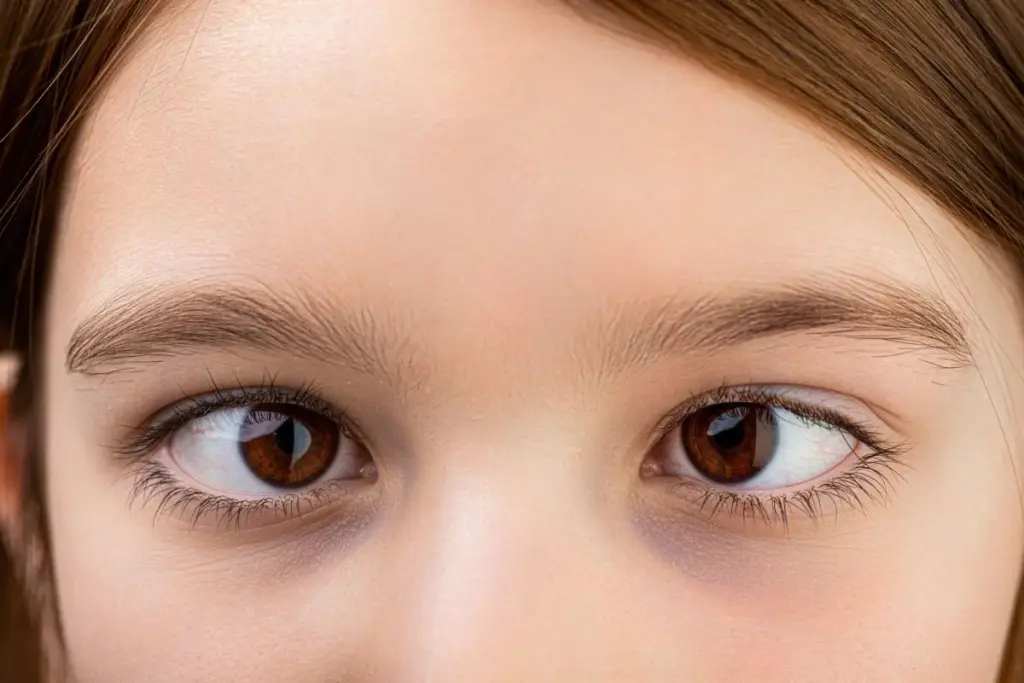
Have you seen eye misalignment in yourself or a family member? Wondered if strabismus is inherited? Knowing if strabismus and lazy eye are passed down is key for families. We’ll look into how genetics affect strabismus and its impact on families with a history of it.
Studies show a big genetic link to strabismus, a condition where eyes don’t line up right. For more on the genetic connection, check out Visionary Eye Care Co., a top source for eye health info.
Key Takeaways
- Strabismus, or cross eyes, has a significant genetic component.
- Families with a history of strabismus are at higher risk.
- Genetic predisposition is just one factor; eye development and other health conditions also play a role.
- Early screening is key for catching strabismus and amblyopia.
- Comprehensive eye exams help kids build strong visual skills.
Understanding Strabismus and Lazy Eye
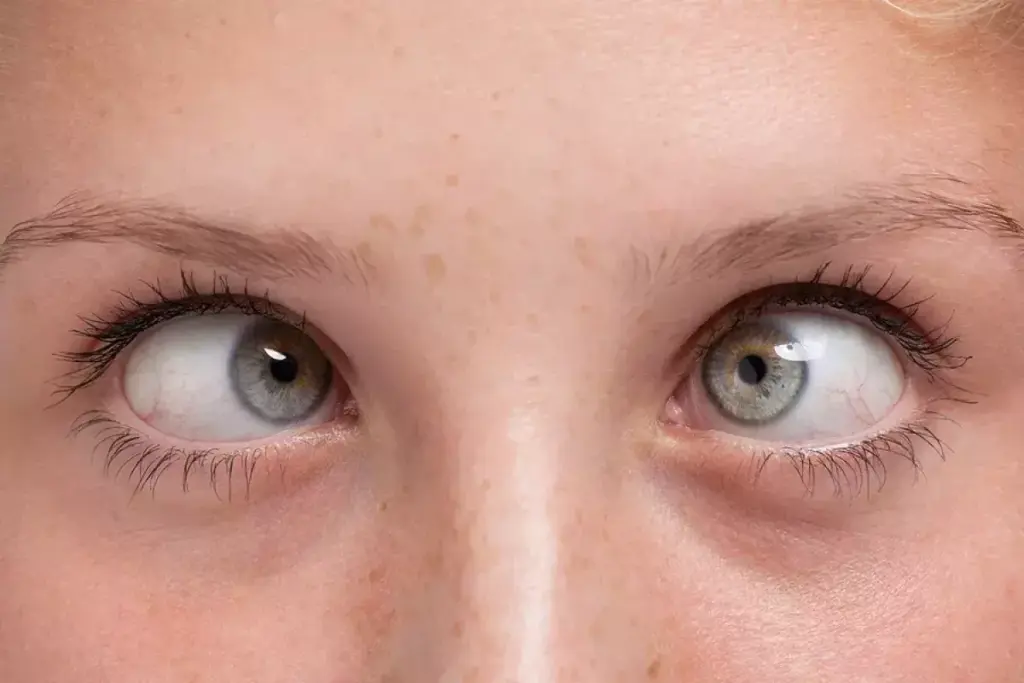
It’s important to know about strabismus and amblyopia to understand their genetic links. These eye conditions can greatly affect vision and daily life. By learning about their causes and symptoms, we can grasp their complexities better.
What is Strabismus (Cross Eyes)?
Strabismus, or cross eyes, is when the eyes don’t align properly. This misalignment can make it hard to see clearly and judge distances. “Strabismus can be present from birth or appear within the first few years of life,” so catching it early is key.
Strabismus can be caused by genetics, muscle problems, or nerve issues. It might also be linked to other health problems or vision issues. Treatment can include glasses, vision therapy, or sometimes surgery to fix the eye alignment.
What is Amblyopia (Lazy Eye)?
Amblyopia, or lazy eye, is when one eye sees poorly because of childhood development issues. It often comes from strabismus or other factors that make the brain favor one eye. “If left untreated, amblyopia can lead to permanent vision loss in the affected eye.”
Amblyopia symptoms can be hard to spot, so it’s important for parents to watch for vision problems. Treatment usually involves fixing the cause, like strabismus, and might include patching the stronger eye to help the weaker one.
Early treatment of strabismus and amblyopia is critical to avoid long-term vision issues. By understanding their causes, symptoms, and treatments, we can help those affected and support eye health.
Is Cross Eyes Genetic? The Evidence for Heredity
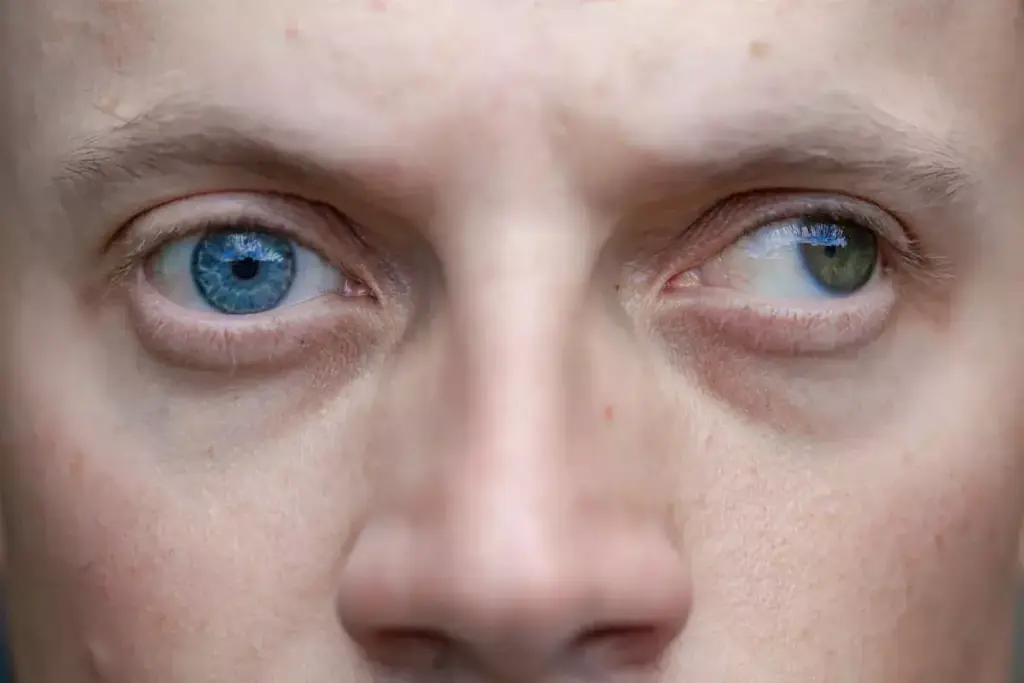
Studies have looked into how genetics affect strabismus, showing a clear link. We’ll dive into the evidence that points to genetics playing a big role in strabismus and lazy eye.
Family Studies and Strabismus
A 2023 study found that 20 to 30 percent of people with strabismus have a family member with it. This shows a strong family connection, proving genetics are key.
Family history increases the risk of strabismus. This supports the idea that genes play a big part in its development.
Twin Studies and Genetic Correlation
Twin studies show genetics’ impact. If one twin has strabismus, the other has an 82 percent chance of it too. This is much higher than the 47 percent chance in non-identical twins. This big difference shows genetics are strongly linked to strabismus.
The higher rate in identical twins points to genetics’ role in strabismus. This evidence backs up the idea that heredity is involved.
Inheritance Patterns and Multiple Gene Involvement
Strabismus’s inheritance is complex, with many genes involved. Research shows several genes contribute to it, making it a condition influenced by many factors.
| Study Type | Finding | Implication |
| Family Studies | 20-30% of strabismus patients have a close relative with the condition | Strong familial link indicating genetic factors |
| Twin Studies | 82% concordance in identical twins vs. 47% in non-identical twins | Significant genetic correlation |
| Inheritance Patterns | Multiple genes involved | Complex, multifactorial condition |
Knowing the genetic roots of strabismus helps identify at-risk individuals. It also guides treatment. More research is needed to find better ways to help those with strabismus.
Types of Strabismus and Their Genetic Components
Strabismus, or cross eyes, is not just one condition. It’s a sign of different issues that can affect how our eyes line up. Each type of strabismus has its own genetic link, with some being more heritable than others.
Esotropia: Inward Eye Deviation
Esotropia is when one or both eyes turn inward. Research shows it has a strong genetic link. People with a family history of esotropia are more likely to get it.
Genetic predisposition is key in esotropia. It’s linked to other genetic conditions, showing its complex genetic makeup.
Exotropia: Outward Eye Deviation
Exotropia is when eyes turn outward. It also has genetic roots, but not as strong as esotropia. This shows the genetic influence varies among strabismus types.
A study in the Journal of Ophthalmology found exotropia’s genetics are complex. It involves many genes, making it harder to understand.
A leading researcher in ophthalmic genetics
Other Forms and Their Heritability
There are other strabismus types like hypertropia (upward deviation) and hypotropia (downward deviation). Each has its own genetic and environmental factors.
Knowing the type of strabismus and its genetics is vital for treatment. A thorough eye exam is recommended for those with a family history of strabismus.
| Type of Strabismus | Genetic Component | Heritability |
| Esotropia | Significant genetic predisposition | High |
| Exotropia | Complex, multifactorial genetics | Moderate |
| Hypertropia/Hypotropia | Varying genetic influences | Varies |
As we learn more about strabismus genetics, it’s clear that understanding these factors is essential. It helps us provide better care and support for those affected.
Conclusion: Understanding Risk Factors and Treatment Options
Knowing if strabismus runs in families can help families deal with it better. Studies show that people with a family history of strabismus are more likely to get it. This makes us wonder if lazy eye and amblyopia are passed down through genes.
It’s important to catch strabismus early and treat it right away. This can stop vision problems from getting worse. There are many ways to treat strabismus, like glasses, patching, vision therapy, and surgery. Knowing the risks helps families act early to help their loved ones.
Strabismus and amblyopia can really affect our daily lives. By looking into treatment options and understanding the genetic side, we can manage them better. This knowledge helps families make better choices for their eye health.
FAQ
Is strabismus genetic?
Yes, research shows strabismus has a strong genetic link. People with a family history of strabismus are more likely to get it. This is because certain genes play a role in its development.
What is the difference between strabismus and amblyopia?
Strabismus is when one eye doesn’t line up right. It can turn in, out, up, or down. Amblyopia, or lazy eye, is when the brain prefers one eye over the other. This often happens because of strabismus or other vision problems.
Are lazy eyes hereditary?
Amblyopia is not directly inherited, but the conditions that cause it (like strabismus or refractive errors) often run in families.
Is being cross-eyed a disability?
Being cross-eyed (a form of Strabismus) can be considered a disability if it significantly affects vision, depth perception, or daily functioning.
Is astigmatism genetic from mother or father?
Astigmatism is usually influenced by genes from both parents rather than just one.
Are you born with a lazy eye?
Most people are not born with amblyopia, but they may be born with eye conditions that can lead to it during early childhood.
Is strabismus inherited?
Strabismus can be inherited, as it often runs in families, though environmental and developmental factors also contribute.
What are the types of strabismus and their genetic components?
Types include esotropia, exotropia, hypertropia, hypotropia, and paralytic strabismus—some (especially esotropia and exotropia) show stronger familial patterns, while others are less commonly genetic.
References
National Center for Biotechnology Information. Evidence-Based Medical Insight. Retrieved from https://pubmed.ncbi.nlm.nih.gov/11535449/