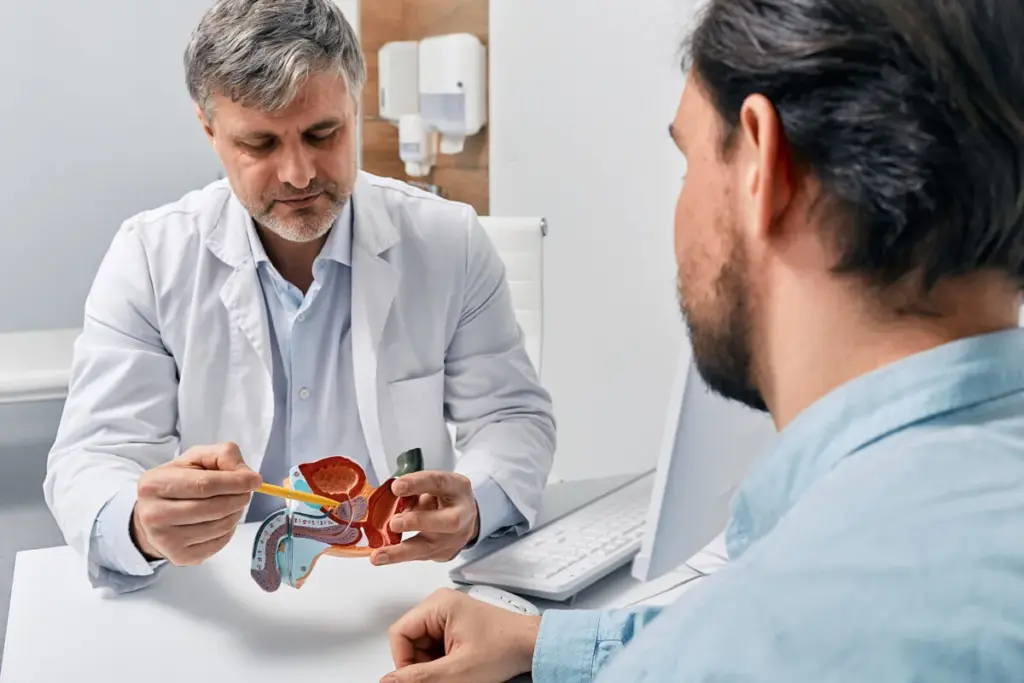
Feeling anxious? Many find a cystoscopy male embarrassing, but we explain the professional environment and how to manage the awkwardness during the test. Nearly 1 in 5 people will face urinary tract issues at some point. These can range from infections to cancers. A cystoscopy lets urologists see inside the bladder and urethra. It’s used to find and treat problems like hematuria, bladder cancer, and symptoms of the lower urinary tract (LUTS).
Knowing why a cystoscopy is done can ease cystoscopy anxiety and urology procedure discomfort. We make sure to keep your patient privacy concerns safe during this intimate medical exam. We aim for a respectful and safe experience for you.
Key Takeaways
- Cystoscopy is key for finding urinary tract issues.
- It helps treat problems like hematuria and bladder cancer.
- Your comfort and privacy are our main focus.
- Learning about the procedure can help reduce anxiety.
- Cystoscopy is a safe and useful way to diagnose.
Understanding Cystoscopy: What Is It?
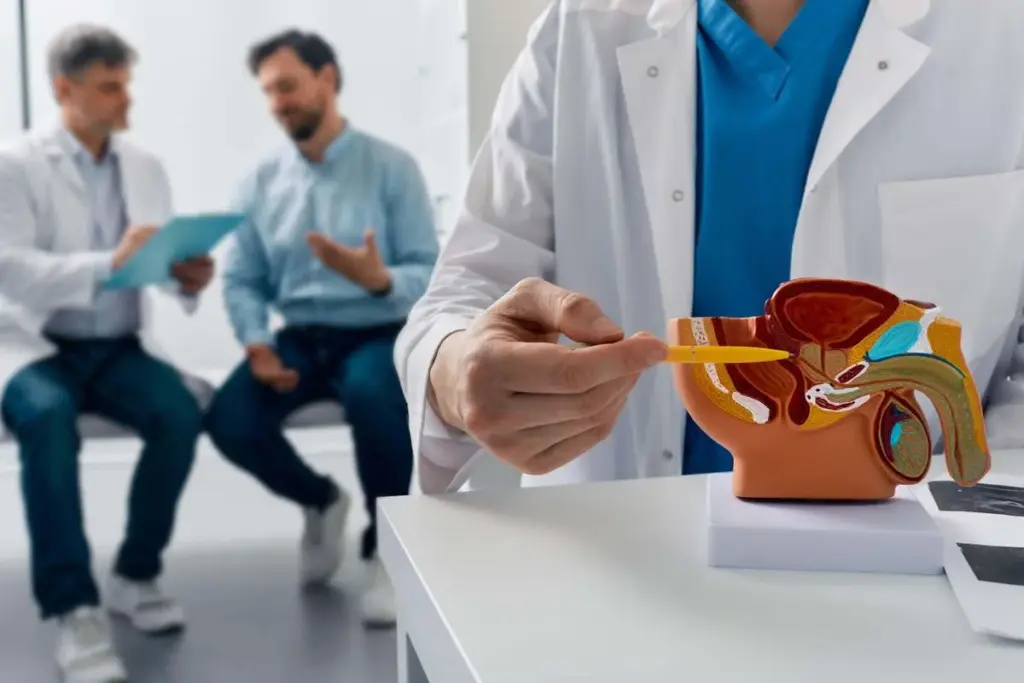
Many patients feel anxious about cystoscopy. But knowing what it is can ease worries. It’s a common test used by doctors to check the bladder and urethra.
Cystoscopy lets doctors see inside the bladder and urethra. They use a thin tube with a camera, called a cystoscope. This tube shows images on a screen, helping doctors find and treat problems.
Definition and Purpose of Cystoscopy
Cystoscopy is used to look closely at the urinary tract. It helps find issues like stones or tumors. Doctors use it to understand why patients might have pain or blood when they pee.
This test is key for creating a good treatment plan. It lets doctors see the problem directly, which can be more helpful than other tests.
How Cystoscopy is Performed
Doctors use either a flexible or rigid cystoscope, depending on the case. Flexible cystoscopy is less invasive and can be done with local anesthesia. It’s mainly for looking around.
Rigid cystoscopy might need general anesthesia or sedation. It’s used for more detailed checks or treatments. This type can also involve taking tissue samples.
- The steps for cystoscopy include:
- Cleaning the area with an antiseptic.
- Using local anesthesia or sedation.
- Inserting the cystoscope into the urethra.
- Looking at the bladder and urethra with the camera.
- Taking tissue samples if needed.
Knowing what happens during a cystoscopy can make patients feel less scared. We want our patients to be informed and comfortable during the procedure.
Common Reasons for a Cystoscopy
A cystoscopy is a key procedure for urologists. It helps diagnose and treat many issues. Sometimes, it can make people feel anxious or embarrassed. But, it’s vital for keeping the urinary system healthy.
We focus on patient dignity and comfort during the procedure. Our aim is to create a supportive space. Here, patients feel well-informed and cared for.
Diagnostic Evaluation
Cystoscopy is key for finding the cause of urinary symptoms. It’s used for:
- Checking why there’s blood in the urine
- Finding the source of frequent UTIs
- Looking into painful urination or incontinence
By looking inside the bladder and urethra, we can spot problems. These might be causing the symptoms.
Treatment of Urinary Conditions
Cystoscopy also helps treat some urinary issues. This includes:
- Removing stones or tumors from the bladder
- Helping with bladder problems like interstitial cystitis
- Placing stents to fix urethral strictures
These treatments are done with the patient’s comfort in mind. Often, local anesthesia is used to reduce pain.
Monitoring Existing Urological Issues
For those with urological conditions like bladder cancer, cystoscopy is important. It helps us:
- Watch for cancer or other issues coming back
- See if current treatments are working
- Change the treatment plan if needed
We know repeated procedures can be scary. But, we’re here to make each visit as easy and stress-free as possible. We always aim for the best care.
Preparation for a Cystoscopy
Getting ready for a cystoscopy is important, and we help you every step of the way. We know it can be scary to have a medical test. So, we make sure you feel supported and comfortable in our professional setting.
Initial Consultation and Health Assessment
First, you’ll meet with your urologist for a consultation. They will check your health and talk about any medical issues you have. This is key to making sure the procedure is safe for you.
Be ready to share your health history, including any medicines you’re taking and allergies. This helps us keep you safe during the test.
Pre-Procedure Instructions
After your consultation, you’ll get specific instructions for before the test. These might include:
- Fasting or Dietary Restrictions: You might need to not eat or drink for a while before the test.
- Medication Management: Your doctor might tell you to stop or keep taking certain medicines.
- Arrangements for Transportation: If you have anesthesia, you’ll need a ride home.
It’s important to follow these instructions to avoid risks and have a good experience.
What to Expect on the Day of the Procedure
On the day of your cystoscopy, our team will help you get ready. We aim to make you feel comfortable and answer any questions you have.
Here’s what you can expect:
- Registration and Preparation: You’ll check in and do any paperwork before going to the procedure room.
- Anesthesia Administration: You might get local, sedation, or general anesthesia to keep you comfortable.
- The Procedure: Our skilled urologist will do the cystoscopy, explaining each step.
Knowing what to expect can make you feel more relaxed and confident in our care.
The Cystoscopy Procedure: Step by Step
Many people find the thought of a cystoscopy scary. But knowing what to expect can help a lot. We aim to guide you through the cystoscopy process step by step. This way, you’ll feel informed and comfortable.
Anesthesia Options
We talk about anesthesia options with you before starting. The type of anesthesia depends on the procedure and your needs. We might use local anesthesia, sedation, or general anesthesia.
We choose anesthesia with you in mind. We consider the procedure’s complexity and your health. Our goal is to make you as comfortable as possible, reducing any anxiety you may have about the procedure.
The Procedure Explained
A cystoscopy involves using a thin, flexible or rigid tube with a camera. This tube is inserted into the urethra and then into the bladder. It lets us see inside your urinary tract.
We might take images or videos during the procedure. Sometimes, we need to take a biopsy or remove blockages. The whole process is watched closely to keep you safe and comfortable.
Duration and Recovery Time
A cystoscopy usually takes 15 to 60 minutes. This depends on the examination’s complexity and any treatments. After, you’ll be in a recovery area for a short time.
Recovery time varies, but most people can go back to normal activities in a few hours. We give you specific instructions for after the procedure to help with recovery.
Understanding the cystoscopy steps and how we ensure your comfort can reduce anxiety. Our team is here to support you every step of the way.
Potential Risks and Complications
Cystoscopy is a key tool for diagnosis, but it comes with risks. At our institution, we focus on urology staff professionalism. We aim to give patients top-notch care and make sure they know what’s happening.
Common Side Effects
Most people do fine after cystoscopy, but side effects can happen. Common ones include:
- Temporary discomfort or pain while urinating
- Mild bleeding or blood in the urine
- Frequent urination or a sense of urgency
These side effects usually go away in a few days. Preparing emotionally for the procedure can help. Knowing what to expect can ease anxiety and make things smoother.
Rare but Serious Risks
There are also serious risks, though they’re rare. These include:
- Urinary tract infections (UTIs)
- Significant bleeding that may need extra treatment
- Perforation of the bladder or urethra, which is very rare
It’s important for patients to know about these risks. Talking to their urologist is key. We also make sure patients feel safe sharing their concerns. This is why privacy in urology is a top priority.
Knowing about risks helps patients make better choices. Our team is dedicated to caring for you with compassion and professionalism. We’re here to support you every step of the way.
What to Expect After a Cystoscopy
Knowing what happens after a cystoscopy can ease worries and help you feel better. We’ll walk you through the recovery process. This will cover common concerns and what to expect during your cystoscopy aftercare.
Immediate Recovery and Care
Right after the procedure, rest for the rest of the day. You might feel some discomfort or a burning feeling when you pee. But, this usually goes away in a few hours. It’s important to follow our post-procedure instructions to recover smoothly.
Key things to do during your immediate recovery include:
- Drink lots of water to clear your system
- Avoid hard work or lifting heavy things
- Watch your pee and its color
Post-Procedure Symptoms
Some symptoms are normal after a cystoscopy, like:
Symptom | Duration | Action |
|---|---|---|
Burning sensation while urinating | A few hours to a couple of days | Drink plenty of water, consider over-the-counter pain relief |
Frequent urination | A few days | Monitor and adjust fluid intake |
Blood in urine | A few days | Notify your urologist if it persists or is heavy |
When to Contact Your Urologist
Most people get better without issues, but knowing when to call for help is key. Reach out to your urologist if you have:
- Severe pain or trouble peeing
- Heavy bleeding or clots in your pee
- Fever or chills
- Signs of infection, like bad-smelling pee
Being aware of these signs and following our follow-up care advice can help you recover well.
Cystoscopy vs. Other Diagnostic Tests
It’s important to know how cystoscopy compares to other tests. Cystoscopy lets doctors see inside the bladder and urethra. This is key for finding and treating many urological issues.
Comparing Cystoscopy with Ultrasound
Cystoscopy and ultrasound are used to check the urinary tract. But they do it in different ways. Ultrasound uses sound waves to show images of the kidneys, bladder, and other organs. Cystoscopy, on the other hand, uses a cystoscope to look inside the bladder and urethra.
Cystoscopy is better at showing the bladder’s inside details. It can spot tumors, stones, or inflammation. But ultrasound is non-invasive and looks at the upper urinary tract, like the kidneys.
Contrast with CT Scans and MRIs
CT scans and MRIs give detailed images of the urinary tract. CT scans use X-rays, and MRIs use magnetic fields and radio waves. They’re great for the upper urinary tract, like kidney stones or tumors.
Cystoscopy focuses on the bladder and urethra. While CT scans and MRIs show the bladder wall and tissues, cystoscopy lets doctors see and take tissue samples for biopsy.
Choosing between cystoscopy and other tests depends on the condition and the patient’s health. Knowing each test’s strengths and limits helps doctors pick the best one.
Frequently Asked Questions About Cystoscopy
Understanding cystoscopy means answering the questions patients often ask before the procedure. We know patients have worries about the process. We’re here to clear up some of the most common ones.
Is Cystoscopy Painful?
Many patients worry if cystoscopy hurts. We get it; medical procedures can be scary. But cystoscopy is usually not painful. A local anesthetic numbs the area, making it comfortable. You might feel some mild discomfort or pressure, but it’s short-lived.
How Long Does the Procedure Take?
Patients also wonder how long cystoscopy takes. The time varies based on the reason for the procedure and any extra treatments. A simple cystoscopy can last from 5 to 15 minutes. If more is needed, it could take longer. We’ll tell you exactly how long it will be for you.
Can I Drive After the Procedure?
Many ask if they can drive home after. Whether you can drive depends on the anesthesia and your health. If you had a local anesthetic and feel okay, you might drive. But if you had sedation or feel uncomfortable, it’s best to have someone drive you. We’ll talk about this during your pre-procedure meeting to make sure you’re set.
By answering these questions, we hope to ease your worries about cystoscopy. If you have more questions or concerns, please talk to your urologist.
Conclusion: Is Cystoscopy Right for You?
Choosing to have a cystoscopy is a personal choice. It should be made after talking to a urologist. This is based on your health needs and worries. We stress the need for personalized decision making in medical choices.
Making an Informed Decision
To make a smart cystoscopy decision, talk to your urologist about your worries. This way, you’ll know the good and bad sides of the procedure. You can then choose what’s best for your health.
Discussing Your Concerns
Your urologist is there to help you. By discussing concerns with your urologist, you can clear up any doubts. This helps you decide if cystoscopy is the right choice for you.
FAQ
What is cystoscopy, and why is it performed?
Cystoscopy lets a urologist see inside the bladder and urethra. It helps find and treat issues like bleeding, cancer, and symptoms of the lower urinary tract.
Is cystoscopy a painful procedure?
Cystoscopy might cause some discomfort, but it’s not usually painful. We use anesthesia or sedation to make you comfortable.
How long does a cystoscopy procedure take?
Cystoscopy can last from 15 to 60 minutes. This depends on the procedure’s complexity and if any treatments are added.
Can I drive after undergoing a cystoscopy?
It’s best to have someone drive you home. Sedation or anesthesia can make driving unsafe. But, it depends on the anesthesia and how you react.
What are the possible risks and complications of cystoscopy?
Cystoscopy is usually safe, but risks include infection, bleeding, and injury. We take steps to avoid these and keep you safe.
How should I prepare for a cystoscopy?
Your urologist will give you specific instructions. This might include dietary changes, stopping certain meds, and arranging for a ride home.
What can I expect during the recovery period after a cystoscopy?
You might feel some discomfort, mild bleeding, or need to urinate often. These symptoms usually go away quickly. We’ll guide you on how to care for yourself and when to call your urologist.
Will my privacy be respected during the cystoscopy procedure?
Yes, we value your privacy and dignity. Our staff is trained to provide a supportive and professional environment.
Can I discuss my concerns and questions with my urologist before undergoing a cystoscopy?
Absolutely, we encourage you to talk to your urologist about any worries or questions. This helps you understand the procedure and feel comfortable with it.
Reference
National Center for Biotechnology Information. Evidence-Based Medical Insight. Retrieved from https://www.ncbi.nlm.nih.gov/books/NBK493180/