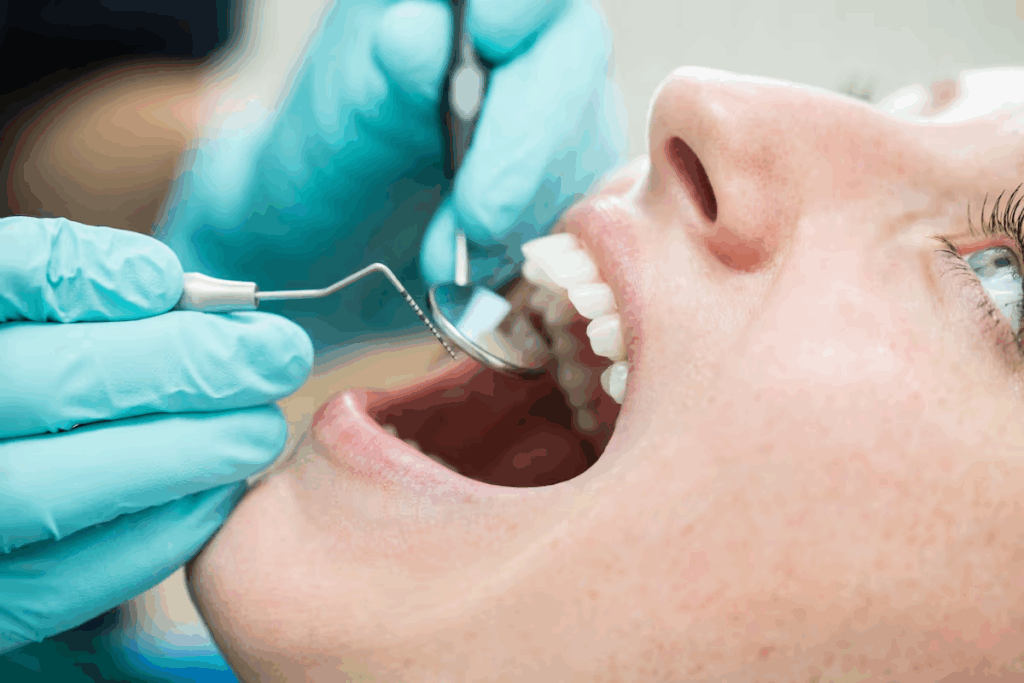
Oral cancer, also known as mouth cancer, can greatly affect a person’s life if caught late. In the United States, about 59,660 new cases of oral and pharyngeal cancer are expected in 2025. Sadly, there will be around 12,770 deaths from it.
Is dying from oral cancer painfulHow Painful Is Liver Surgery When Doctor Removed Liver During Surgery? Learn about advanced-stage symptoms and modern palliative care methods to manage pain.
Early detection is key to better patient outcomes and treatment success. Oral cancer starts when cells on the lips or inside the mouth change. These changes often begin in the flat, thin cells lining the lips and mouth, called squamous cells.
At Liv Hospital, we stress the need to spot the early signs of oral cancer for better care and support. Knowing the early signs of mouth cancer helps people get medical help quickly. This can lead to better treatment results.
Key Takeaways
- Early detection of oral cancer can significantly improve patient outcomes.
- Oral cancer forms when cells on the lips or in the mouth mutate.
- Recognizing the early signs of oral cancer is critical for timely medical attention.
- Liv Hospital offers complete care and support for oral cancer patients.
- Understanding the early stages of mouth cancer can enhance treatment success rates.
Understanding Oral Cancer: Types and Prevalence
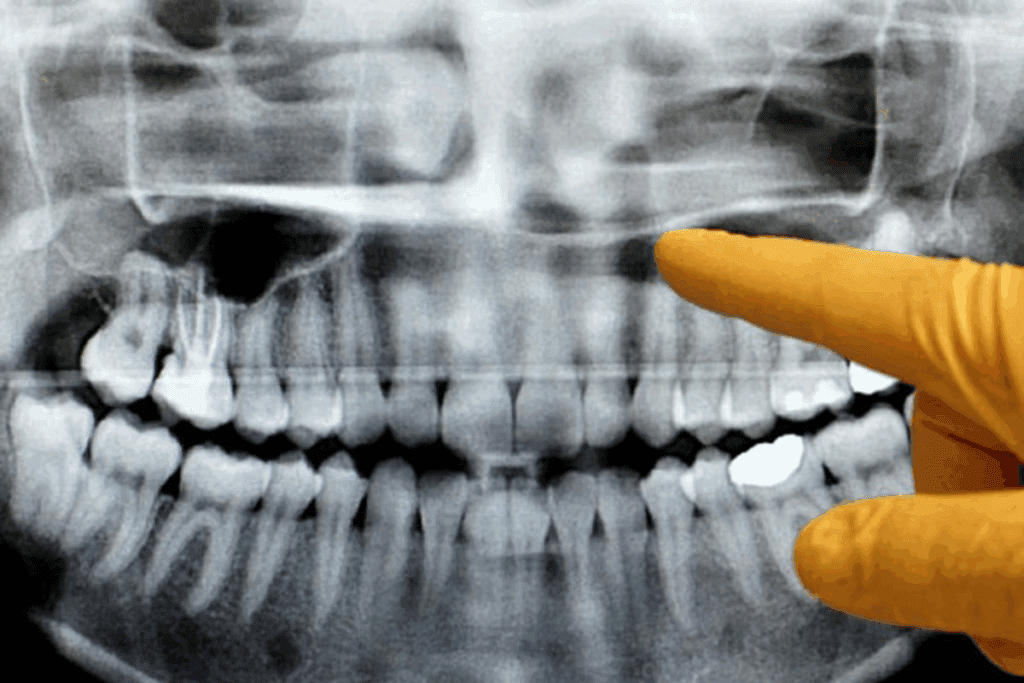
It’s important to know about oral cancer to catch it early and treat it well. Oral cancer, or mouth cancer, includes many types of cancers in the mouth area. These cancers can happen in different places like the lips, tongue, cheeks, gums, and throat.
Definition and Classification of Oral Cancers
Oral cancers are grouped by where they start and the type of tissue they affect. The most common one is squamous cell carcinoma, making up about 90% of oral cancers. Other types include salivary gland tumors, lymphomas, and sarcomas. Knowing the type helps doctors understand how serious it is.
Oral cancer is divided into stages 0 to IV. Stage 0 is when cancer is just on the surface. Stages I to IV mean it’s more serious. Knowing the stage helps doctors choose the best treatment.
Current Statistics in the United States
Oral cancer is a big problem in the United States, with thousands of new cases every year. Most people diagnosed are 63 years old, and about 20% are under 55. Sadly, many cases are found too late.
The need for early detection is clear. In the U.S., over 50,000 new cases of oral cancer are diagnosed each year, leading to about 10,000 deaths. Knowing the risks and signs is key to saving lives.
Learning about oral cancer types and how common they are helps us see why catching it early is so important. Regular dental visits and knowing the early signs can help lower the number of cases and deaths from oral cancer.
The Critical Importance of Early Detection
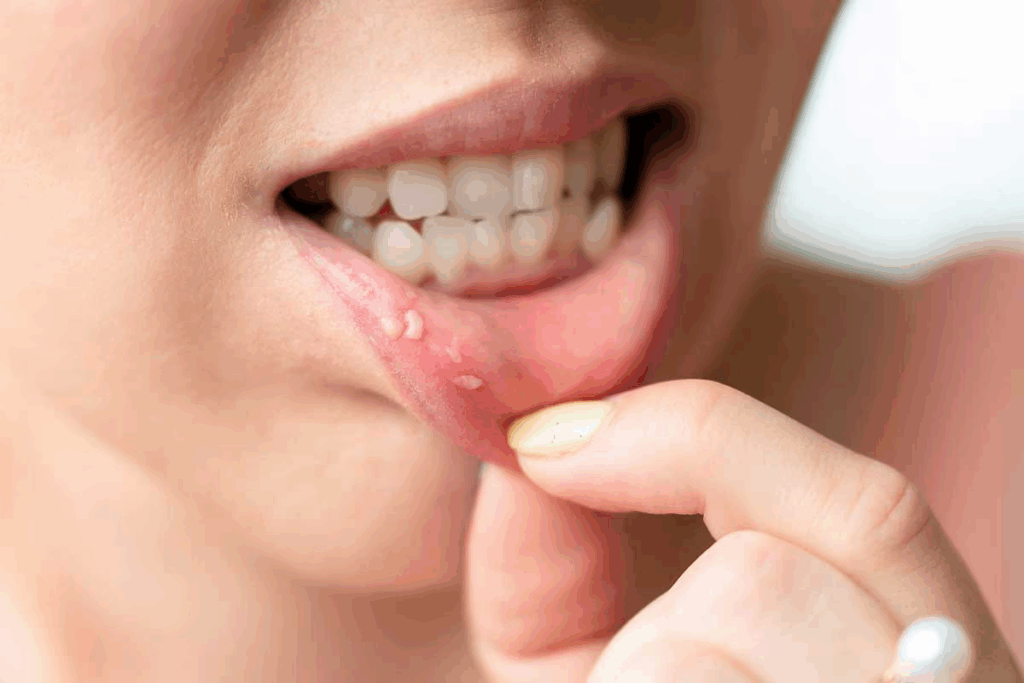
Oral cancer is much easier to treat if caught early. This is key to managing and treating the disease well. Early detection is not just beneficial; it’s critical for better survival rates and treatment results.
Survival Rate Differences Between Early and Late Detection
The survival rates for oral cancer vary a lot based on when it’s found. For localized oral cancer, the 5-year survival rate is 87.5%. For regional oral cancer, it’s 69.5%. And for distant oral cancer, it’s just 37.8%.
“The survival rate for oral cancer patients drops dramatically as the disease progresses to more advanced stages.” This shows how important it is to catch the disease early. Regular check-ups can help find problems before they get worse.
The Pre-cancerous Stage Advantage
Oral cancer often starts as pre-cancerous lesions. These can be found during dental exams. Regular dental check-ups can lead to the early detection of these pre-cancerous changes, allowing for timely intervention.
“Early intervention during the pre-cancerous stage can prevent the development of oral cancer.”
Regular Dental Examinations as Preventive Measure
Regular dental exams are key in catching oral cancer early. Dentists can spot early signs of oral cancer, like pre-cancerous lesions. Routine dental visits are not just for maintaining oral hygiene; they are also a vital preventive measure against oral cancer.
By knowing the risks and going for regular dental exams, people can lower their risk of advanced oral cancer. We suggest that everyone, but those with risk factors like tobacco use or HPV infection, see a dentist regularly.
Common Early Warning Signs of Oral Cancer
Knowing the early signs of oral cancer is key to managing it well. Spotting these signs early can greatly improve treatment results and survival chances.
Persistent Rough Patches and Ulcerations
Persistent rough patches or ulcerations in the mouth are early signs of oral cancer. These may start painless but can hurt as they grow. It’s important to regularly check your mouth for these changes.
Red and White Patches (Erythroplakia and Leukoplakia)
Erythroplakia and leukoplakia show up as red and white patches in the mouth. These can lead to cancer if not checked. Seeing a doctor early can stop cancer from forming.
Changes in Teeth and Gums
Oral cancer can also cause changes in teeth and gums. Look out for loose teeth, bleeding gums, or dentures that don’t fit right. Telling your dentist about these changes can help catch it early.
Functional Changes
Oral cancer can also affect how you function. You might have trouble swallowing, numbness in your lip or chin, or changes in your voice. Don’t ignore these symptoms and see a doctor right away.
In summary, knowing the early signs of oral cancer is vital. Look out for rough patches, red and white patches, changes in teeth and gums, and functional issues. Catching it early can lead to better treatment and outcomes.
What Does Early Stage Oral Cancer Look Like?
Early-stage oral cancer can show up in many ways. It’s key to know what to look for. Oral cancer can look like a sore that won’t heal, white or red patches, loose teeth, or growths inside the mouth.
It can also cause mouth pain, ear pain, or trouble swallowing. These symptoms are important to watch for.
Visual Characteristics of Suspicious Lesions
Suspicious lesions in early-stage oral cancer can look different. They might appear as ulcers, patches, or lumps. Red and white patches, known as erythroplakia and leukoplakia, are important to notice because they can be precancerous.
A study found that smokers are 7 to 10 times more likely to get oral cancer than nonsmokers. This shows why it’s vital to watch for mouth changes.
First Stage Gum Cancer Appearance
Gum cancer in its first stage can show up as a painless lump or thickening on the gum. It might also look like an ulcer or an area that’s tender. Spotting these signs early can really help with treatment.
Location | Common Signs |
Gums | Painless lump, ulcer, or tenderness |
Tongue | White or red patch, ulcer, or lump |
Floor of Mouth | Ulcer, lump, or pain |
Early Oral Cancer on Tongue and Floor of Mouth
On the tongue and floor of the mouth, early oral cancer can look like white or red patches, ulcers, or lumps. These areas are more likely to get cancer. Any lasting changes need a doctor’s check.
“The most common sites for oral cancer are the tongue, floor of the mouth, and the lips. Any unusual changes in these areas should be taken seriously.”
Differentiating Between Benign Conditions and Cancer Signs
Telling the difference between benign conditions and cancer signs can be hard. But, persistent changes like sores that don’t heal or ongoing pain are warning signs. They need medical attention.
Knowing the risk factors, like tobacco use and HPV infection, can help. Regular dental visits are key for catching it early.
Specific Early Signs by Location
Knowing the early signs of oral cancer by location is key for early treatment. Oral cancer can show up in many places, like the lips, tongue, and gums. Each area might have its own early warning signs.
Early Oral Cancer on Gums
Early gum cancer might look like a rough patch or an ulcer that won’t heal. It could also show up as a red or white spot. Any unusual gum changes should be checked right away.
Beginning Stages of Mouth Cancer on Tongue
At first, tongue cancer might seem like painless ulcers or bumps. It could also cause pain or trouble swallowing. Watch for any new or changing spots on the tongue.
Early Signs on Lips and Inside Cheeks
Lip cancer might start with crusting, scaling, or a sore that won’t go away. Inside the cheeks, look for red or white patches or bleeding. Keep an eye on these spots for any odd changes.
Floor of Mouth and Under-Tongue Warning Signs
Cancer in the floor of the mouth or under the tongue is harder to spot early. Signs might include numbness, pain, or trouble swallowing. Be on the lookout for any unusual feelings or changes in these areas.
By knowing these early signs, we can catch oral cancer sooner. Regular self-checks and dental visits are important for this.
Risk Factors for Developing Oral Cancer
Oral cancer can be caused by several factors. Some can be changed, while others can’t. Knowing these risks helps prevent and catch oral cancer early.
Tobacco Use and Its Impact
Tobacco is a big risk for oral cancer. Smokers are 7 to 10 times more likely to get oral cancer than non-smokers. Using smokeless tobacco also raises the risk. We stress avoiding all tobacco to lower oral cancer risk.
Alcohol Consumption Patterns
Drinking a lot of alcohol is another big risk. Using alcohol and tobacco together increases the risk even more. We suggest drinking in moderation to lower this risk.
Human Papillomavirus (HPV) Infection
Some types of Human Papillomavirus (HPV), like HPV-16, raise the risk of throat cancers. Knowing about HPV and getting vaccinated can help lower the risk of HPV-related oral cancers.
Other Contributing Factors
Other things can also increase the risk of oral cancer. These include a diet without fruits and veggies, mouth irritation, and a weak immune system. Eating well, keeping your mouth clean, and managing health issues are key for good oral health.
By knowing and tackling these risk factors, we can prevent and catch oral cancer early.
Diagnosis and Screening Process
Knowing how to diagnose and screen for oral cancer is key. It helps catch the disease early. Regular dental check-ups are important for spotting oral cancer early.
Professional Oral Cancer Screenings
Professional screenings are a big part of keeping your mouth healthy. A healthcare pro looks for any odd changes in your mouth. This includes unusual patches, lumps, or lesions.
Key elements of a professional oral cancer screening include:
- A thorough visual examination of the lips, tongue, cheeks, gums, and throat.
- A physical examination to feel for lumps or abnormalities.
- A review of the patient’s medical and dental history.
Diagnostic Procedures
Tests are used to confirm oral cancer. These tests include:
- Biopsy: A procedure where a sample of tissue is taken for examination under a microscope.
- Imaging Tests: Such as CT scans, PET scans, and MRIs, which help determine the stage and spread of the cancer.
Understanding Staging and Grading
Staging and grading help figure out the cancer’s outlook and treatment. They are very important.
Stage | Description |
I | Cancer is small and localized. |
II | Cancer is larger but is in one place. |
III | Cancer has spread to nearby tissues or lymph nodes. |
IV | Cancer has spread to distant parts of the body. |
When to Seek Medical Attention
If you notice any odd changes in your mouth, get medical help right away. This includes persistent rough patches, red or white patches, or trouble swallowing. Catching it early can make a big difference.
Learning about the diagnosis and screening process helps you stay ahead. It’s all about catching oral cancer early and treating it effectively.
Is Dying from Oral Cancer Painful? Late-Stage Management
Late-stage oral cancer is tough to manage, mainly because of pain. As the disease gets worse, patients face many symptoms that hurt their quality of life. It’s key for doctors to understand these challenges to give the right care and support.
Pain Patterns in Advanced Oral Cancer
Advanced oral cancer can cause a lot of pain. This is because the tumor grows and can touch nerves and tissues. Effective pain management is vital to keep patients comfortable.
The pain can be sharp, dull, or burning. Sometimes, it spreads to the ear or throat, making it hard to diagnose and treat. Knowing the pain’s pattern and type is important for a good pain plan.
Modern Pain Management Approaches
Today, managing pain in late-stage oral cancer is a mix of different treatments. This includes:
- Pharmacological interventions, such as opioids and non-opioid analgesics
- Palliative chemotherapy or radiation therapy to reduce tumor size
- Interventional procedures, such as nerve blocks
- Complementary therapies, including acupuncture and mindfulness techniques
Palliative care is key in managing pain and other symptoms. Palliative care teams offer support to patients and their families, improving life quality.
Palliative Care Options
Palliative care focuses on easing symptoms and stress of serious illnesses. For advanced oral cancer, it includes:
Service | Description | Benefits |
Pain Management | Tailored pharmacological and interventional treatments | Improved pain control, enhanced quality of life |
Symptom Control | Management of symptoms such as nausea and fatigue | Reduced distress, improved comfort |
Emotional and Psychological Support | Counseling and support for patients and families | Enhanced coping mechanisms, reduced anxiety and depression |
Emotional and Psychological Support
Emotional and psychological support is vital for patients with advanced oral cancer. The disease can cause a lot of emotional pain, like anxiety and depression. Supportive care services, like counseling, are key to help patients and families cope.
We know dying from oral cancer can be painful. But with good pain management and palliative care, patients can find relief. Healthcare providers must address both physical and emotional needs of patients and their families.
Conclusion: Proactive Steps for Oral Health Protection
Early detection and prevention are key to better outcomes for oral cancer patients. By taking action early, people can lower their risk of getting this disease.
Keeping your mouth healthy means avoiding harmful habits like smoking and drinking too much alcohol. Regular dental visits are also important. They help catch problems early.
Knowing the signs of oral cancer is critical. Look out for rough patches, red and white spots, and changes in your teeth and gums. Being alert helps protect your oral health.
By following these steps, we can fight oral cancer better. This improves life for those who have it.
FAQ
What are the early signs of oral cancer?
Early signs include rough patches, red and white patches, and changes in teeth and gums. You might also notice trouble swallowing.
What does early-stage oral cancer look like?
It can show up as suspicious lesions or changes in the color or texture of the mouth. You might see abnormalities on the tongue, lips, or floor of the mouth.
What are the risk factors for developing oral cancer?
Risk factors include tobacco use, drinking too much alcohol, and HPV infection. Age and genetics also play a role.
How is oral cancer diagnosed?
It’s diagnosed through screenings and biopsies. Understanding the disease’s stage and grade is also key.
Is dying from oral cancer painful?
Advanced oral cancer can be painful. But, there are ways to manage pain and improve quality of life.
What are the specific early signs of oral cancer on the gums?
Look out for color changes, swelling, or ulcers that don’t heal. These are early signs.
How can I differentiate between benign conditions and signs of cancer?
A professional evaluation is needed. Some benign conditions can look like cancer symptoms.
What is the importance of regular dental examinations in oral cancer detection?
Regular dental exams are vital. They help catch oral cancer and its precursors early.
Can oral cancer be prevented?
Not all cases can be prevented. But, avoiding tobacco and alcohol and knowing the signs can lower your risk.
What does stage 1 oral cancer look like?
Stage 1 might show as a small, localized lesion. It often doesn’t have many symptoms yet.
References
National Center for Biotechnology Information. (2025). What Are the Early Signs of Oral Cancer. Retrieved from https://www.ncbi.nlm.nih.gov/books/NBK565867/