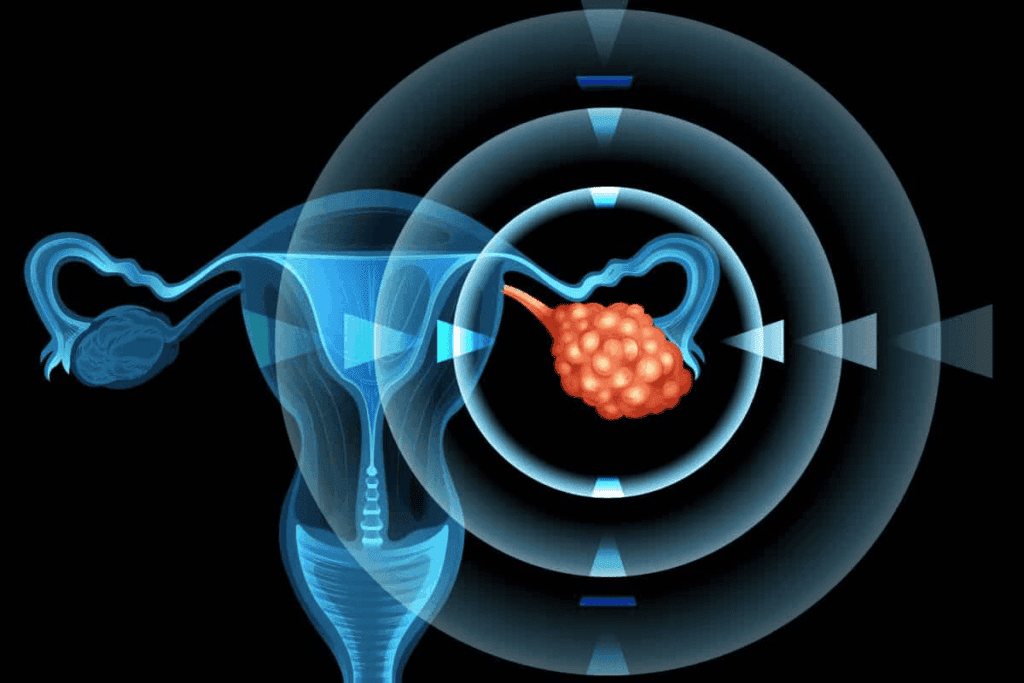
Endometriosis is clearly a chronic condition. It affects about 10% of women of childbearing age worldwide. We know how serious it is and its big impact on women’s health globally.is endometriosis a chronic illnessStrapping Down in Robotic Surgery: Is It Crucial and Safe?
At Liv Hospital, we focus on you, the patient. Our team offers care that meets international standards. We help women with this complex disease, which can cause a lot of pain, heavy bleeding, and trouble getting pregnant.
Endometriosis really affects how well you live. It needs a lot of care and support. We’re here to give you top-notch healthcare that fits your needs, no matter where you’re from.
Key Takeaways
- Endometriosis is a chronic condition affecting 10% of women of reproductive age worldwide.
- Symptoms include severe pelvic pain, heavy menstrual bleeding, and fertility issues.
- Comprehensive, patient-centered care is key to managing the condition.
- Liv Hospital offers care that meets international standards.
- We make sure international patients get care that’s just right for them.
Understanding Endometriosis: A Brief Overview

Endometriosis, often called “endo,” is a chronic condition. It happens when endometrial tissue grows outside the uterus. This disease affects many women worldwide, from their first period to menopause, without regard to their background or social status.
What Happens in Endometriosis
In endometriosis, tissue like the uterus lining grows outside. This leads to inflammation, scarring, and adhesions. The misplaced tissue thickens and bleeds with each cycle, causing pain and discomfort.
The growths can appear in places like the ovaries, fallopian tubes, and pelvic tissue. The exact cause is unknown, but it’s thought to involve genetics, hormones, and environment.
Who Is Affected by Endometriosis
Endometriosis usually starts between 15 to 49 years old. Symptoms can begin as early as a girl’s first period. It’s believed that about 1 in 10 women of reproductive age worldwide have endometriosis.
- Age: Symptoms can start early in life, and it’s not uncommon for teenagers to experience endometriosis.
- Ethnic Background: Endometriosis affects women across all ethnic backgrounds.
- Family History: Women with a family history of endometriosis are more likely to develop the condition.
The Systemic Nature of the Disease
Endometriosis is not just a localized condition; it has systemic implications that can affect overall health and well-being. The inflammation caused by endometriosis can lead to a range of symptoms beyond pelvic pain, including fatigue, digestive issues, and mental health concerns.
Understanding the systemic nature of endometriosis is key for developing effective treatment plans. These plans should address not just the symptoms but the overall health of the individual.
Is Endometriosis a Chronic Illness?
It’s important to see endometriosis as a chronic condition. This helps in creating better treatment plans and improving patient outcomes. Endometriosis is seen as a chronic disease that affects health and quality of life for a long time.
Definition of Chronic Illness
A chronic illness lasts a long time and often needs ongoing treatment. We call a chronic illness a health problem that lasts more than a year. It also needs ongoing medical care or limits daily activities.
Chronic illnesses have long durations and require continuous care. They also impact the patient’s quality of life. Examples include diabetes, arthritis, and heart disease.
How Endometriosis Meets Chronic Illness Criteria
Endometriosis meets the criteria for a chronic illness in several ways:
- Long Duration: Endometriosis can last for many years, needing ongoing management.
- Ongoing Medical Attention: Patients with endometriosis need continuous care, including medications and surgeries.
- Impact on Quality of Life: Endometriosis affects daily life, causing pain, fatigue, and impacting well-being.
By these criteria, endometriosis is clearly a chronic illness. It requires a long-term management approach.
The Long-term Nature of Endometriosis
Endometriosis is a long-term condition. Patients often manage symptoms for their whole lives. They face chronic pain, infertility issues, and other systemic effects.
Aspect | Short-term Impact | Long-term Impact |
Pain Management | Immediate relief through medication or surgery | Ongoing management, increased tolerance to medications |
Fertility | Potential for successful pregnancy with treatment | Ongoing challenges, decreased fertility over time |
Quality of Life | Temporary improvement with treatment | Long-term adaptation, significant life adjustments |
Understanding endometriosis’s long-term effects is key. It helps both patients and healthcare providers create effective management plans.
The Prevalence and Impact of Endometriosis
Endometriosis affects about 190 million women, making it a big health issue. It not only hurts the women who have it but also affects society and the economy.
Global Statistics on Endometriosis
Worldwide, about 10% of women of childbearing age have endometriosis. This means a lot of women are facing its symptoms and challenges. We need to spread awareness and find better ways to manage it.
Key statistics on endometriosis include:
- Estimated 190 million women affected worldwide
- 10% prevalence among women of reproductive age
- Significant impact on quality of life, productivity, and healthcare costs
Economic and Social Burden
Endometriosis costs a lot, including medical bills and lost work time. Women with it often can’t work as much because of pain and symptoms. This adds to the economic burden.
It also makes women feel isolated and less able to do things they love. This can hurt their mental health and overall happiness. We need a full plan to help them.
Quality of Life Implications
Endometriosis really changes life for those who have it. Symptoms like pain, heavy bleeding, and trouble getting pregnant can make everyday tasks hard. Finding good ways to manage endometriosis is key to improving their lives.
Understanding how common and impactful endometriosis is helps us meet the needs of those affected. We need to treat it medically and also support women with it. Awareness campaigns can help improve their lives too.
Causes and Risk Factors of Endometriosis
The exact causes of endometriosis are not fully understood. But, research has found several risk factors and triggers. It’s clear that many factors play a role in its development.
Theories on Endometriosis Development
Several theories explain how endometriosis develops. The coelomic metaplasia theory suggests that cells in the pelvic cavity can turn into endometrial tissue. Another theory, embryonic cell displacement, suggests that cells meant for the uterus are misplaced during fetal development.
Research also points to immune system dysregulation as a factor. It suggests that an impaired immune system can’t remove endometrial cells from outside the uterus. This allows the condition to grow.
Genetic and Environmental Factors
People with a family history of endometriosis are more likely to get it. This shows a genetic predisposition. Research has found genes linked to a higher risk. But, genetics alone doesn’t cause it; environment also plays a part.
Environmental factors like chemicals and lifestyle choices affect the risk. For example, exposure to dioxins and endocrine-disrupting chemicals may increase the risk.
Are You Born With Endometriosis?
The question of whether you’re born with endometriosis is complex. There’s evidence of a genetic link, suggesting a predisposition. But, having a genetic marker or family history doesn’t mean you’ll definitely get it.
Endometriosis is influenced by genetics, environment, and hormones. More research is needed to understand how these factors interact. This will help us grasp how endometriosis develops.
Common Symptoms of Endometriosis
Knowing the symptoms of endometriosis is key to early diagnosis and treatment. This condition has many symptoms that can really hurt your quality of life.
Pain-Related Symptoms
Pain is a big symptom of endometriosis. About 70% of people with it feel pain during their periods. Almost half have chronic pelvic pain. This pain can make everyday tasks hard.
Pain-related symptoms can include:
- Severe menstrual cramps
- Chronic pelvic pain
- Pain during or after sex
- Painful urination or bowel movements during menstruation
Menstrual Irregularities
Menstrual problems are also common in endometriosis. These can be heavy bleeding, long periods, or irregular cycles.
Symptom | Percentage Affected |
Heavy Menstrual Bleeding | 40% |
Prolonged Menstrual Periods | 30% |
Irregular Menstrual Cycles | 25% |
Fertility Issues
Fertility problems are a big worry for many with endometriosis. This condition can make it hard to get pregnant.
“Endometriosis is a major cause of infertility in women, and it is estimated that up to 50% of women with infertility have endometriosis.”
Fatigue and Systemic Effects
Endometriosis affects more than just the area where it occurs. It can also cause fatigue, which many people with it experience.
Fatigue can be caused by:
- Chronic pain
- Hormonal imbalances
- Inflammation
We know endometriosis is a complex condition needing a full approach to care. Understanding its symptoms is the first step to managing it well.
Lesser-Known and Uncommon Endometriosis Symptoms
Many know about common endometriosis symptoms. But, there are lesser-known symptoms that can really affect people. Endometriosis can impact health in many ways, often in unexpected ways.
Systemic Symptoms Beyond the Pelvis
Endometriosis is more than just a pelvic issue. It can affect the whole body. Some people feel very tired, which can make daily life hard. Chronic fatigue is a big problem for many with endometriosis.
Others might have gastrointestinal symptoms like bloating or changes in bowel movements. These symptoms can be confusing because they don’t always come with pelvic pain.
Organ-Specific Symptoms
Endometriosis can also target specific organs. For example, it can cause painful bowel movements or constipation if it affects the bowel. If it hits the bladder, people might have painful urination or frequent infections.
In rare cases, endometriosis can even affect the lungs or other distant areas. This can lead to symptoms like catamenial pneumothorax during menstruation. These symptoms show how endometriosis can affect the body in different ways.
Endometriosis Without Pain: Is It Possible?
About 25% of people with endometriosis don’t feel pain. This makes it harder to diagnose. Not feeling pain doesn’t mean the condition isn’t serious. It just means symptoms can vary a lot.
Some people might have asymptomatic endometriosis, found during surgery for other reasons. This shows why it’s key to watch for other symptoms and get checked if you’re worried about your health.
The Stages and Progression of Endometriosis
Knowing the stages and how endometriosis progresses is key to managing it well. This condition is complex and can affect people differently.
Classification System
The rASRM staging system is used to classify endometriosis. It has four stages: Stage I (minimal), Stage II (mild), Stage III (moderate), and Stage IV (severe). This system looks at the size, location, and depth of endometrial implants. It also considers adhesions and ovarian endometriomas.
Table: rASRM Staging System for Endometriosis
Stage | Description | Characteristics |
I | Minimal | Isolated implants, minimal adhesions |
II | Mild | More extensive implants, some adhesions |
III | Moderate | Multiple implants, significant adhesions |
IV | Severe | Extensive implants, dense adhesions, large endometriomas |
How Fast Can Endometriosis Develop?
Endometriosis can develop at different rates for everyone. Some women may see slow growth over years, while others may experience quick symptom worsening. Hormonal changes, age, and other health issues can affect how fast it progresses.
Is Progression Inevitable?
While endometriosis tends to get worse, not all women will see their symptoms worsen steadily. Some may stay the same for a long time, while others may see ups and downs in symptoms.
Factors Affecting Disease Progression
Several things can influence how endometriosis progresses. These include:
- Hormonal influences: Estrogen levels can affect the growth and maintenance of endometrial lesions.
- Genetic predisposition: Family history can play a role in the severity and progression of the disease.
- Lifestyle factors: Diet, exercise, and stress levels may also impact disease progression.
- Treatment approaches: Medical and surgical interventions can alter the course of the disease.
Understanding these factors and how they work together is key to creating effective management plans for each patient with endometriosis.
Diagnosis Challenges and Delays
Getting a diagnosis for endometriosis can be tough for many women. It’s not easy to figure out, and several things make it hard for patients.
The Diagnostic Journey
Getting diagnosed with endometriosis often takes many visits and tests. Women might see different doctors before they get the right diagnosis. This is because the symptoms are not clear-cut.
This journey can be frustrating and hard on your emotions. It’s important for patients to keep pushing and speak up for themselves.
Why Diagnosis Takes So Long
It often takes years to get diagnosed, from 4 to 12 years on average. Several reasons cause these delays:
- Doctors might not know much about endometriosis.
- The symptoms can be similar to other health issues.
- There aren’t many tests that can definitely say you have endometriosis.
Knowing these reasons can help both patients and doctors work better together to get a diagnosis faster.
Diagnostic Methods and Tests
There’s no one test that can say for sure if you have endometriosis. But, there are a few ways doctors can help figure it out. These include:
Diagnostic Method | Description | Usefulness |
Medical History | A detailed history of symptoms and menstrual health | High |
Pelvic Exam | A physical examination to check for abnormalities | Moderate |
Imaging Techniques (e.g., Ultrasound, MRI) | To visualize the reproductive organs and detect abnormalities | Moderate to High |
Laparoscopy | A surgical procedure to visually inspect the pelvic cavity | High (considered the gold standard) |
Using a mix of these methods can help doctors make a correct diagnosis.
Advocating for Proper Diagnosis
Patients are key in getting the right diagnosis. Keeping a detailed menstrual health history and knowing your symptoms can help. Also, don’t hesitate to ask for a second opinion if needed.
By working together, patients and doctors can tackle the challenges of diagnosing endometriosis. This way, they can find the best treatment plan.
Treatment Options for Chronic Endometriosis
Managing chronic endometriosis needs a detailed treatment plan. The goal is to control symptoms, reduce long-term effects, and enhance life quality.
Medical Management Approaches
Medical management is often the first step for chronic endometriosis. Treatments like birth control pills, progestins, or GnRH agonists are used. These aim to stop menstrual bleeding and slow endometrial growth, easing symptoms.
Hormonal therapies can help manage pain and symptoms. But, they might have side effects and aren’t right for everyone, like those trying to get pregnant.
Surgical Interventions
For some, surgical interventions are needed to diagnose or treat endometriosis. Laparoscopic surgery is often used to remove lesions or adhesions. In severe cases, a hysterectomy might be considered, but it’s usually a last option.
Choosing surgery should be thoughtfully done, weighing benefits against risks and fertility impact.
Complementary and Alternative Approaches
Besides medical and surgical treatments, complementary and alternative therapies are key in managing symptoms. These include dietary changes, acupuncture, physical therapy, and stress management.
Many find these approaches help with symptoms and overall well-being. It’s important to talk to a healthcare provider to make sure these therapies work well with medical treatments.
Creating a Comprehensive Treatment Plan
A comprehensive treatment plan is made for each person’s unique needs. It might include medical management, surgery, and alternative therapies.
“The key to managing chronic endometriosis is a personalized treatment plan that addresses the unique needs and goals of each patient.” – Expert in Endometriosis Care
By working with healthcare providers, women with endometriosis can create a plan. This plan not only manages symptoms but also improves their life quality.
The Connection Between Endometriosis and Other Chronic Conditions
Research shows that people with endometriosis are more likely to get other chronic conditions. This shows how important it is to understand the health effects of endometriosis.
Autoimmune Disorders
Endometriosis is linked to a higher risk of autoimmune disorders. Women with endometriosis are more likely to have conditions like lupus, rheumatoid arthritis, and multiple sclerosis. The exact reason is not known, but chronic inflammation and immune system problems might play a part.
Table: Autoimmune Disorders Associated with Endometriosis
Autoimmune Disorder | Description |
Lupus | A chronic autoimmune disease that can affect various parts of the body, including the skin, joints, and organs. |
Rheumatoid Arthritis | An autoimmune condition that causes inflammation and pain in the joints. |
Multiple Sclerosis | A disease that affects the central nervous system, leading to symptoms such as numbness, weakness, and vision problems. |
Mental Health Implications
Endometriosis can lead to mental health issues like anxiety and depression. It’s important to treat these mental health problems as part of the treatment plan.
“The psychological burden of endometriosis cannot be overstated. It is essential that healthcare providers offer support for both the physical and emotional aspects of the condition.”
Other Associated Conditions
Endometriosis is also linked to other chronic conditions like irritable bowel syndrome (IBS), interstitial cystitis, and fibromyalgia. Knowing these connections helps in treating the whole person, not just the symptoms.
The Importance of Holistic Care
Endometriosis and other chronic conditions are closely linked. A holistic care approach is needed. This means treating physical symptoms, mental health issues, and other conditions together. This way, we can improve the quality of life for those with endometriosis.
Managing endometriosis needs a complete plan. This includes medical treatment, lifestyle changes, and support for related conditions. By taking a holistic approach, we can better help people with endometriosis and improve their overall health.
Living with Endometriosis as a Chronic Condition
Managing endometriosis is more than just medical treatment. It’s about a whole-life approach. We need strategies to improve our quality of life while dealing with this chronic condition.
Daily Management Strategies
Managing endometriosis daily means using medical treatments, lifestyle changes, and self-care. Creating a daily routine that includes these can help control symptoms.
- Tracking symptoms and menstrual cycles to anticipate and prepare for flare-ups
- Incorporating pain management techniques, such as heat therapy or meditation
- Maintaining a balanced diet that reduces inflammation
Building Support Systems
Having a support system is key when living with endometriosis. This includes healthcare providers, support groups, and loved ones. Connecting with others who understand the condition offers emotional support and practical advice.
Support System | Description | Benefits |
Healthcare Providers | Specialists who provide medical treatment and guidance | Personalized care, symptom management |
Support Groups | Communities of individuals with endometriosis | Emotional support, shared experiences |
Loved Ones | Family and friends who offer emotional support | Understanding, practical help |
Lifestyle Modifications That Help
Some lifestyle changes can greatly help manage endometriosis. Dietary changes, like eating less processed food and more omega-3 fatty acids, can reduce inflammation.
Navigating Work and Relationships
Endometriosis can impact work and personal relationships. Communicating openly with employers, colleagues, and loved ones about the condition helps manage expectations and needs.
By using a complete approach to manage endometriosis, we can improve our quality of life. This helps us deal with the challenges of this chronic condition more effectively.
Conclusion: Navigating Life with Chronic Endometriosis
Living with chronic endometriosis means understanding the condition well. We’ve looked into what endometriosis is, how common it is, and its symptoms and treatments.
Knowing that endometriosis is a long-term condition helps people get the right care. This improves their life quality. It’s key to treat endometriosis as a chronic illness. This includes medical care, lifestyle changes, and emotional support.
We aim to raise awareness about chronic endometriosis. This way, we can help create a supportive environment. Our goal is to offer top-notch healthcare and support to patients worldwide. We want to help them manage their condition and feel better overall.
FAQ
Is endometriosis considered a chronic condition?
Yes, endometriosis is a chronic condition. It’s a long-term health issue that needs ongoing care.
What are the common symptoms of endometriosis?
Symptoms include pain, irregular periods, fertility problems, and feeling tired all the time.
Can endometriosis develop quickly?
How fast endometriosis develops varies. It depends on many factors.
Is it possible to have endometriosis without experiencing pain?
Yes, some people with endometriosis don’t feel pain. They might have no symptoms at all.
Does endometriosis run in families?
Yes, having a family history can increase your risk. It’s a factor to consider.
What are the treatment options for managing chronic endometriosis?
Treatments include medicine, surgery, and other methods. Each plan is made for the person’s needs.
How is endometriosis classified?
It’s classified by how widespread the disease is. This helps doctors decide on treatment.
Is endometriosis associated with other chronic conditions?
Yes, it’s linked to other long-term health issues. This includes autoimmune diseases and mental health problems. It shows the need for a complete care approach.
How can individuals with endometriosis manage their condition daily?
Daily management involves making lifestyle changes. It also means building a support network and handling work and personal life well.
Why is diagnosis often delayed?
Diagnosis is often late because of lack of awareness and normalizing symptoms. It also takes a surgical diagnosis. This highlights the need to push for accurate diagnosis.
What are the global statistics on endometriosis?
Endometriosis affects many women worldwide. It has a big impact on their lives, causing economic and social burdens.
References
World Health Organization. Endometriosis Diagnosis: A Comprehensive Guide. Retrieved from
https://www.who.int/news-room/fact-sheets/detail/endometriosis