
Gestational diabetes affects millions of pregnant women globally. It shows up as high blood sugar levels in women who didn’t have diabetes before. This happens during pregnancy. Is gestational diabetes permanent? This ultimate guide reveals the surprising truth about your critical risk factors after pregnancy.
Getting a gestational diabetes diagnosis can worry you, with thoughts about its lasting effects. The good news is that most women’s blood sugar levels go back to normal after they give birth. But, it’s key to know the long-term risks and how to keep yourself healthy.
At Liv Hospital, we offer full care and proven ways to manage gestational diabetes. We aim to help you through pregnancy and after, making sure you stay healthy and happy.
Key Takeaways
- Understand the definition and implications of gestational diabetes.
- Learn about the typical outcomes for women with gestational diabetes after pregnancy.
- Discover the importance of monitoring your health post-pregnancy.
- Find out how Liv Hospital supports women with gestational diabetes.
- Understand the steps you can take to protect your health.
Understanding Gestational Diabetes

Gestational diabetes is a condition where blood sugar levels are high during pregnancy. It usually shows up in the second or third trimester. It’s different from diabetes that a woman might have had before getting pregnant.
Definition and Prevalence
Gestational diabetes is diabetes that shows up during pregnancy, not before. It’s more common in some groups, like certain ethnicities and those with a family history of diabetes. Most women’s blood sugar levels go back to normal after they give birth.
It’s important to note that gestational diabetes often doesn’t have symptoms. So, pregnant women need to get tested as their doctors suggest. This condition is usually found through routine tests during pregnancy, not because of symptoms.
How It Differs from Type 1 and Type 2 Diabetes
Gestational diabetes is different from Type 1 and Type 2 diabetes. Type 1 diabetes happens when the body attacks the cells that make insulin. Type 2 diabetes is linked to lifestyle and genetics, causing insulin resistance.
Gestational diabetes is caused by hormonal changes and insulin resistance during pregnancy. The placenta’s hormones block insulin, raising blood sugar levels. Unlike Type 1 and Type 2, gestational diabetes usually goes away after pregnancy. But it can mean a higher risk of getting Type 2 diabetes later.
Causes and Risk Factors of Gestational Diabetes
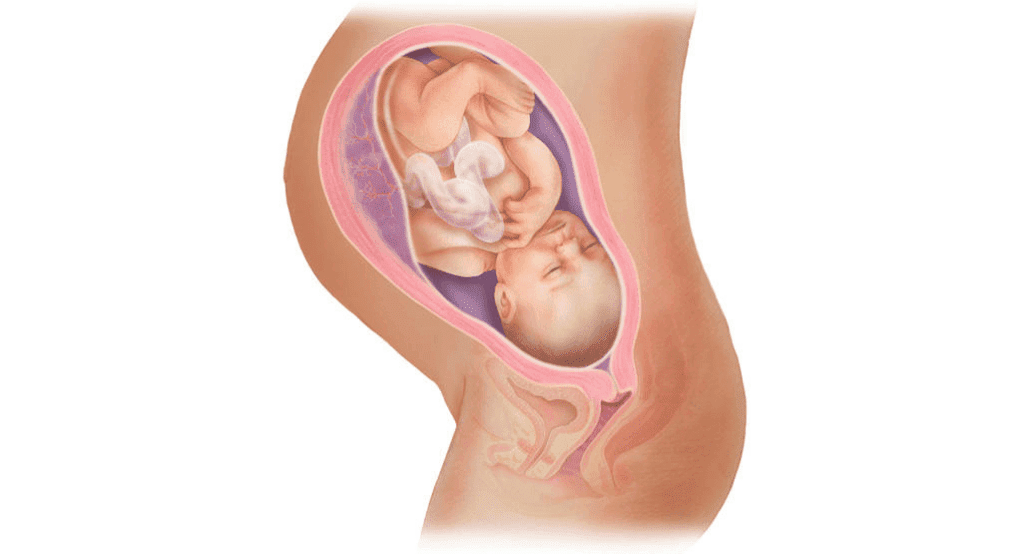
Gestational diabetes in pregnancy comes from hormonal and risk factors. Knowing these causes helps manage and prevent it.
Hormonal Changes During Pregnancy
The placenta makes hormones for the baby’s growth. But these hormones also block insulin, the key for blood sugar control. As pregnancy goes on, more hormones block insulin, causing high blood sugar.
Insulin resistance is normal in pregnancy. But some women face too much resistance, leading to gestational diabetes. We’ll look at what increases this risk.
Pre-existing Risk Factors
Some factors before pregnancy raise the risk of gestational diabetes. These include:
- Being overweight or obese before pregnancy
- Having a family history of diabetes
- Having had gestational diabetes in a previous pregnancy
- Being over 35 years old
- Belonging to certain ethnic groups (e.g., Hispanic, African American, Asian)
Knowing these risk factors helps doctors spot who needs early screening. Talk to your doctor about your risk to plan how to manage it.
Recognizing Gestational Symptoms
Gestational diabetes often shows up with signs that are easy to miss. It’s important to know the signs of gestational diabetes during pregnancy. Early detection helps manage the condition better.
Common Signs and Symptoms
Signs of gestational diabetes include increased thirst and urination, persistent fatigue, and blurred vision. Some women also get recurring infections, like urinary tract or yeast infections.
These symptoms can be mild and often seem like normal pregnancy issues. This makes it hard to spot gestational diabetes just by looking for symptoms.
Why Symptoms Often Go Unnoticed
The symptoms of gestational diabetes can be so mild. They are often seen as normal pregnancy issues. For example, more thirst and urination might be due to the body’s increased blood volume and the growing uterus’s pressure on the bladder.
So, many women find out they have gestational diabetes through routine tests. They don’t notice the symptoms themselves.
Diagnosis and Screening Procedures
Screening for gestational diabetes is a key part of prenatal care. It happens between the 24th and 28th weeks of pregnancy. This time is critical for spotting gestational diabetes and starting management to keep the pregnancy healthy.
Standard Screening Timeline
The American College of Obstetricians and Gynecologists suggests screening for gestational diabetes between 24 and 28 weeks. This timing matches the peak insulin resistance in the second half of pregnancy. Women at higher risk might need early screening.
Glucose Challenge Test
The first test for gestational diabetes is the glucose challenge test (GCT). You’ll drink a glucose solution and your blood glucose will be checked after one hour. A high blood glucose level may mean you need more testing.
Oral Glucose Tolerance Test
If the GCT shows abnormal results, you’ll do an oral glucose tolerance test (OGTT). You’ll fast overnight and then have your fasting blood glucose checked. After drinking a glucose solution, your blood glucose will be tested again at one, two, and sometimes three hours. Gestational diabetes is diagnosed if two or more of these measurements are above the threshold values.
Knowing about these tests can help you prepare for them. We’re here to support you through your prenatal care journey.
Is Gestational Diabetes Permanent?
Many women worry if gestational diabetes is permanent. This condition happens during pregnancy and can be scary. But, for most, it goes away after pregnancy.
What Happens After Delivery
After having a baby, most women’s blood sugar levels go back to normal. But, having gestational diabetes can affect future health. Studies show it raises the risk of getting type 2 diabetes later.
Post-Delivery Blood Sugar Trends
Timeframe | Blood Sugar Level Trend |
Immediately Post-Delivery | Return to normal or near-normal levels |
Short-term Postpartum (6-12 weeks) | Normalization of glucose levels in most cases |
Long-term | Increased risk of developing type 2 diabetes |
Postpartum Testing and Monitoring
Testing after pregnancy is key for women with gestational diabetes. The American Diabetes Association suggests testing for type 2 diabetes 4-6 weeks after giving birth. They also recommend screening every 1-3 years, based on risk factors.
Why is postpartum testing important? It catches type 2 diabetes early. This allows for quick action to improve health in the long run.
Long-term Blood Sugar Patterns
Women with gestational diabetes should watch their blood sugar over time. Changing diet and exercise habits can lower the risk of type 2 diabetes. Regular check-ups with doctors are also vital for staying healthy.
Knowing about gestational diabetes and acting early can prevent future health problems.
Managing Gestational Diabetes During Pregnancy
Managing gestational diabetes needs a few key steps. These include checking blood sugar, eating right, staying active, and sometimes taking medicine. By doing these things, women can keep their blood sugar in check. This helps keep both mom and baby safe.
Blood Sugar Monitoring
Checking blood sugar often is key to managing gestational diabetes. Women usually need to test their blood several times a day. They use a glucose meter to make sure their levels are where they should be.
Key monitoring times include:
- Upon waking (fasting)
- After meals (postprandial)
- At bedtime
Writing down these readings helps spot patterns. It also helps make changes to the management plan.
Dietary Modifications
Eating right is very important for managing gestational diabetes. Women often get a special meal plan. This plan considers their weight before pregnancy, how active they are, and what they like to eat.
Dietary Component | Recommended Approach |
Carbohydrates | Focus on complex carbs like whole grains, fruits, and vegetables |
Protein | Include lean proteins like poultry, fish, and legumes |
Fats | Emphasize healthy fats such as those found in nuts, seeds, and avocados |
Exercise and Physical Activity
Staying active is also key in managing gestational diabetes. Exercise can help lower blood sugar and make the body more sensitive to insulin.
Safe exercise options during pregnancy include:
- Brisk walking
- Swimming
- Prenatal yoga
- Low-impact aerobics
It’s important to talk to a healthcare provider before starting or continuing any exercise during pregnancy.
Medication and Insulin Therapy
For some women, just changing their diet and exercise isn’t enough. They might need medicine or insulin to control their blood sugar.
Insulin is often used when other methods don’t work. The type and amount of insulin needed varies from person to person.
By using monitoring, diet, exercise, and sometimes medicine or insulin, women can manage gestational diabetes well. This helps them have a healthy pregnancy.
Potential Complications for Mother and Baby
Gestational diabetes can pose serious health risks for both the mother and the baby. It’s important for pregnant women with gestational diabetes to know these risks. This knowledge helps ensure the best outcomes for both.
Risks During Pregnancy
Unmanaged gestational diabetes can cause several pregnancy complications. These include:
- Preterm labor
- Preeclampsia
- Increased risk of infections
- Polyhydramnios (excessive amniotic fluid)
Preterm labor is a big concern. It can cause breathing problems in the baby. Preeclampsia is another risk, marked by high blood pressure and protein in the urine.
Delivery Complications
Gestational diabetes can also make delivery harder. Women with gestational diabetes often need a cesarean delivery. Other possible delivery issues include:
- Shoulder dystocia
- Birth injuries
- Fetal distress
Complication | Description | Risk Factors |
Preterm Labor | Labor that begins before 37 weeks of pregnancy | Uncontrolled gestational diabetes, history of preterm labor |
Preeclampsia | High blood pressure and often protein in the urine | First pregnancy, family history, gestational diabetes |
Shoulder Dystocia | Difficulty delivering the baby’s shoulders | Macrosomia (large birth weight), gestational diabetes |
Long-term Health Implications
Gestational diabetes can affect health long after pregnancy. Mothers and children are at higher risk of type 2 diabetes and metabolic disorders.
Mothers with gestational diabetes are more likely to get type 2 diabetes. Children of mothers with gestational diabetes are at risk of obesity and type 2 diabetes too.
Knowing these risks helps in taking early action. This can reduce the chance of long-term health problems.
The Link Between Gestational Diabetes and Future Type 2 Diabetes
Gestational Diabetes is more than just a pregnancy issue. It also raises a woman’s risk of getting Type 2 Diabetes later. Studies show that women with Gestational Diabetes are much more likely to get Type 2 Diabetes. This is important for doctors and patients to know, as it helps in managing and preventing future health problems.
Statistical Risk Assessment
Research shows that women with Gestational Diabetes face a high risk of getting Type 2 Diabetes. At least half of these women will develop Type 2 Diabetes within ten years without preventive actions. This makes postpartum care and long-term follow-up very important for these women.
Key statistics include:
- A meta-analysis found that women with Gestational Diabetes are seven times more likely to get Type 2 Diabetes than those with normal blood sugar levels during pregnancy.
- The risk of getting Type 2 Diabetes can vary based on ethnicity, family history, and lifestyle.
Factors That Increase Conversion Risk
Several factors can make it more likely for women to get Type 2 Diabetes after Gestational Diabetes. These include:
- Family history: Having Type 2 Diabetes in first-degree relatives increases the risk.
- Obesity: Being overweight or obese is a big risk factor for Type 2 Diabetes.
- Physical inactivity: A sedentary lifestyle can lead to insulin resistance, raising the risk of Type 2 Diabetes.
- Diet: Eating a diet high in saturated fats, sugar, and salt can worsen insulin resistance.
Timeframe for Developing Type 2 Diabetes
The risk of getting Type 2 Diabetes after Gestational Diabetes lasts for many years. The risk is highest in the first five to ten years after giving birth. This shows why ongoing monitoring and preventive steps are essential.
Understanding the connection between Gestational Diabetes and Type 2 Diabetes helps doctors provide better care. They can suggest lifestyle changes, regular health checks, and possibly medication for those at high risk.
Preventing Type 2 Diabetes After Gestational Diabetes
To prevent type 2 diabetes after gestational diabetes, a mix of lifestyle changes and regular health checks is key. We’ll look at ways to lower the risk of getting type 2 diabetes.
Lifestyle Modifications
Healthy lifestyle choices are essential to avoid type 2 diabetes. This means:
- Dietary Changes: Eating a balanced diet with lots of veggies, fruits, whole grains, and lean proteins helps control blood sugar.
- Regular Physical Activity: Doing regular exercise like walking, swimming, or cycling boosts insulin sensitivity and health.
- Maintaining a Healthy Weight: Keeping a healthy weight through diet and exercise greatly lowers type 2 diabetes risk.
These changes not only manage blood sugar but also improve overall health.
Regular Health Screenings
Regular health checks are key for catching and managing type 2 diabetes early. We suggest:
- Testing for diabetes 4 to 12 weeks after your baby is born.
- If the first test is normal, test again every 1 to 3 years after that.
Early detection through regular tests leads to better outcomes.
By living a healthy lifestyle and following health screening advice, women with gestational diabetes can lower their risk of type 2 diabetes.
Planning Future Pregnancies After Gestational Diabetes
Women who had gestational diabetes need to know about future pregnancies. This knowledge helps them prepare for a healthy pregnancy. It also lowers the risk of complications.
Preconception Health
Preconception health is key for women with a history of gestational diabetes. It means being at a healthy weight, managing blood sugar, and eating well. Preconception care can greatly lower the chance of diabetes in future pregnancies. It’s wise to talk to a healthcare provider about a personalized plan.
Risk of Recurrence in Subsequent Pregnancy
The chance of gestational diabetes coming back is higher for those who had it before. The rate can be between 30% and 84%, based on several factors. Early screening and monitoring are key to managing this risk. Regular check-ups and screenings can spot issues early.
Preventive Strategies
There are ways to lower the risk of gestational diabetes in future pregnancies. These include living a healthy lifestyle, watching blood sugar, and going to prenatal check-ups. “A healthy lifestyle, including a balanced diet and regular exercise, is important in preventing gestational diabetes,” say healthcare experts. Women should be proactive about their health.
By focusing on preconception health, understanding recurrence risks, and using preventive strategies, women can manage their health in future pregnancies.
Conclusion: Living Well After Gestational Diabetes
After dealing with gestational diabetes during pregnancy, your journey doesn’t stop at birth. For many, it’s a sign of possible diabetes risks later. It’s key to keep managing your health and getting follow-up care to lower these risks.
Living well means making smart, healthy choices. Eat right, stay active, and check your blood sugar often. Your doctor will tell you how. These steps can help prevent type 2 diabetes later on.
Managing your health after gestational diabetes is more than just a choice. It’s about staying in touch with your healthcare team. They offer support and help catch problems early. This way, you get the care you need right away.
By living healthily and sticking to your follow-up care, you can lead an active life. This reduces the chance of future health problems.
FAQ
What is gestational diabetes?
Gestational diabetes is a condition where blood sugar levels are high during pregnancy. It usually goes away after the baby is born. But, women who have had it are more likely to get type 2 diabetes later.
Is gestational diabetes permanent?
No, gestational diabetes is not permanent. Blood sugar levels usually go back to normal after delivery. But, it can increase the risk of getting type 2 diabetes later.
What are the risk factors for gestational diabetes?
Being overweight, having a family history of diabetes, and being older are risk factors. Hormonal changes in pregnancy also play a role.
How is gestational diabetes diagnosed?
Doctors use screening tests between 24 and 28 weeks of pregnancy. The glucose challenge test and the oral glucose tolerance test are common.
Can gestational diabetes be managed without medication?
Yes, it can be managed with diet and exercise. It’s important to check blood sugar levels to see if more treatment is needed.
What are the possible complications of gestational diabetes?
It can lead to preterm labor, high birth weight, and the need for cesarean delivery. It also increases the risk of obesity and type 2 diabetes in the child.
How can the risk of type 2 diabetes be reduced after having gestational diabetes?
Eating healthy and exercising regularly can help. Regular health screenings are also key for early detection and treatment.
Will I get gestational diabetes in future pregnancies?
Having had it before increases the risk in future pregnancies. Planning for preconception health and preventive strategies can help manage this risk.
How soon after pregnancy should I be tested for diabetes?
Testing for diabetes is recommended between 4 to 12 weeks after delivery for women who had gestational diabetes. Ongoing screening is advised due to the increased risk of developing type 2 diabetes.
Can gestational diabetes be prevented?
While it can’t be completely prevented, a healthy weight, exercise, and a balanced diet before and during pregnancy can reduce the risk.
What are the signs of high blood sugar during pregnancy?
Signs include increased thirst and urination, fatigue, and blurred vision. But, gestational diabetes often has no symptoms, making screening important.
How does gestational diabetes affect the baby?
It can lead to high birth weight, birth injuries, and complications after birth. It also increases the child’s risk of obesity and type 2 diabetes later in life.
References
World Health Organization. Evidence-Based Medical Guidance. Retrieved from https://apps.who.int/iris/handle/10665/85975