

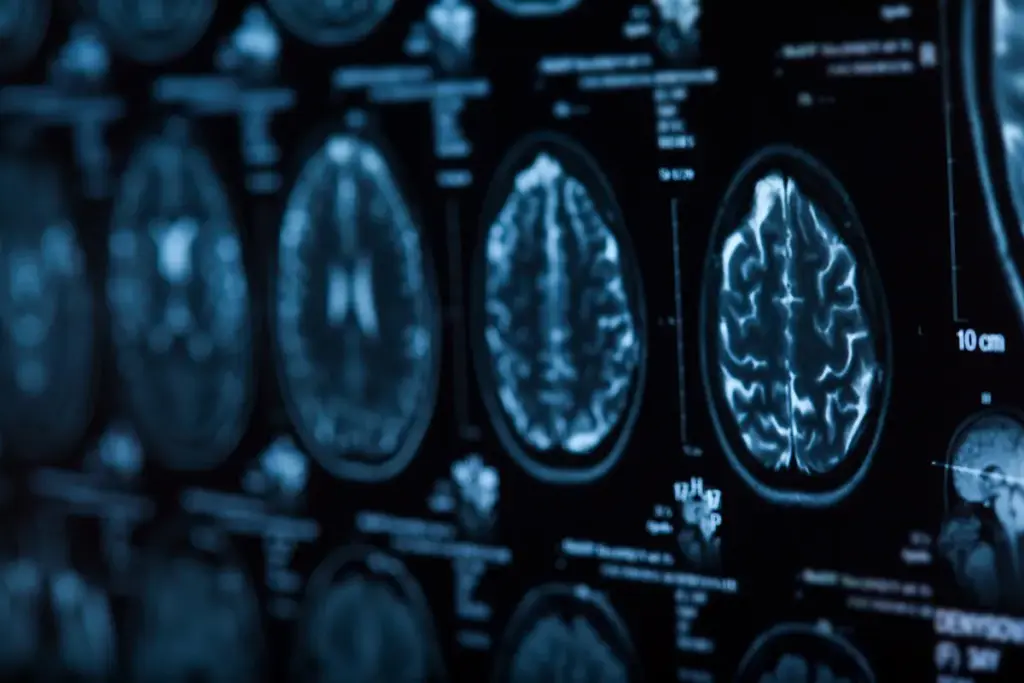
Neurointerventional procedures are becoming increasingly crucial in treating complex brain and spine conditions. As hospitals worldwide seek experts in minimally invasive techniques, the demand for neurointerventional specialists is surging.
However, the number of training spots available for aspiring neurointerventionalists remains limited. This makes the field one of the most competitive in medicine. We see a diverse pool of applicants from various medical backgrounds vying for a limited number of fellowship positions.
Key Takeaways
- Neurointerventional radiology is a highly sought-after specialty.
- Limited fellowship positions contribute to its competitiveness.
- High demand for expertise drives the competition.
- A diverse range of medical professionals are applying.
- Specialized training is crucial for success in this field.
The Specialized Field of Neurointerventional Radiology
Neurointerventional radiology is a new way to diagnose and treat brain and spine blood vessel problems. It uses less invasive methods than traditional surgery. This makes it a growing field in medicine.
Definition and Scope of Practice
Neurointervention uses imaging and catheters to treat brain and spine blood vessel diseases. It includes many procedures, like fixing aneurysms and removing blood clots. These help keep blood flowing and prevent damage.
This field needs a deep understanding of brain and blood vessel anatomy. It also requires the skills to do complex treatments. The precision and delicacy needed show how specialized it is.
Evolution of the Specialty
Neurointerventional radiology has seen big tech advances and more treatment options. It started in diagnostic radiology but now offers new treatments that help patients more.
As we keep improving, more skilled neurointerventional radiologists will be needed. This is because more people are getting older and more are getting blood vessel diseases. This will open up more jobs in the interventional radiology job market.
If you’re thinking about a career in this field, knowing about neurointerventional radiology career prospects is key. The training and skills needed make for a fulfilling career with a big impact.
Understanding the Competitive Landscape
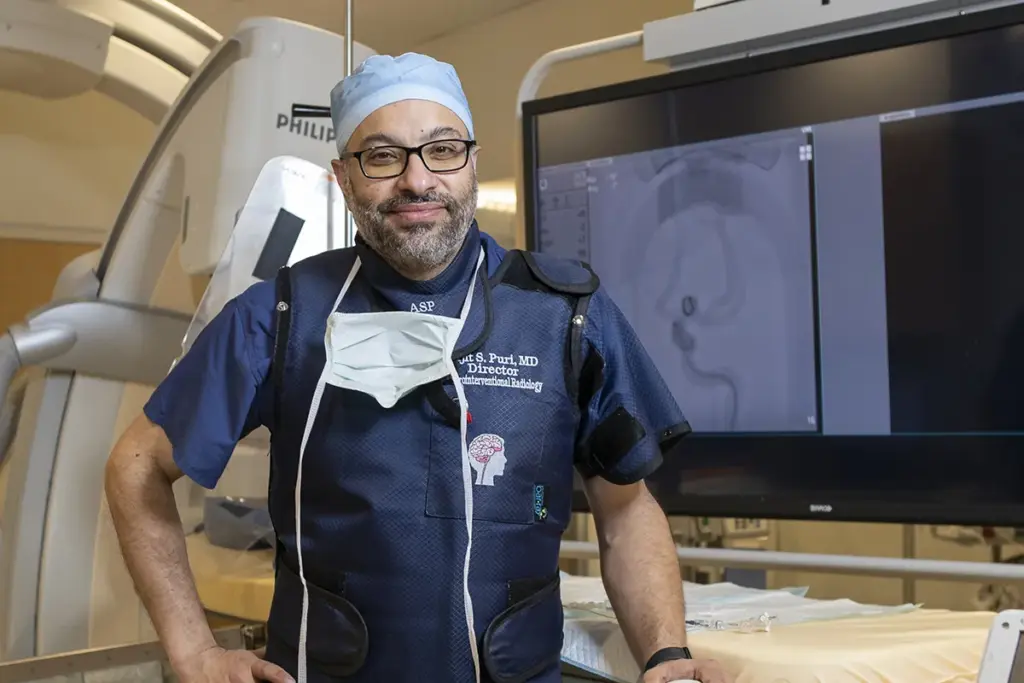
To grasp the competitive landscape of neurointerventional radiology, we need to look at key factors. The competitiveness of a medical field depends on several things. These include the number of applicants, the number of positions available, and how specialized the field is.
What Makes a Medical Specialty “Competitive”
A medical field is seen as competitive when there are more qualified applicants than spots. This situation leads to a tough selection process. Only the most skilled candidates get into residency or fellowship programs. Several factors make a field competitive, like its prestige, the complexity of work, and the demand for specialists.
Neurointerventional radiology is very competitive because of its complex procedures and high-stakes decisions. It also needs specialized training. This makes it challenging but very appealing to the best candidates.
Neurointerventional Radiology’s Position Among Medical Specialties
Neurointerventional radiology is a top contender in the radiology field. The interventional radiology residency competitiveness is high due to the few fellowship spots and the need for skilled radiologists.
Compared to other medical fields, neurointerventional radiology’s competitiveness is similar. The interventional radiology fellowship competitiveness stands out, showing the high interest and limited spots.
The global demand for neurointerventional radiologists adds to the field’s competitiveness. As medical tech improves and minimally invasive procedures become more common, the need for these specialists will grow. This could make the field even more competitive.
Training Pathway to Becoming a Neurointerventional Radiologist
Starting a career in neurointerventional radiology takes a lot of time and effort. It involves many years of education and training. Each step is designed to prepare you with the skills and knowledge needed.
Medical School Requirements
First, you need to finish medical school, which takes four years. Here, you learn a lot about medicine and get practical experience. It’s important to do well and get good clinical experience during this time.
A study in the Journal of the American Medical Association (JAMA) found that students who choose radiology are often science-savvy. They are drawn to the field’s technology and challenges.
“The choice of radiology as a career is often influenced by a combination of factors including intellectual curiosity, technological savvy, and the desire for a lifestyle that balances professional and personal fulfillment.”
JAMA
Residency Options
After medical school, you start a residency program. This can last from four to seven years. For neurointerventional radiology, you might choose diagnostic radiology or neuroradiology. These programs help you learn to interpret images and perform procedures under supervision.
|
Residency Type |
Duration |
Focus |
|---|---|---|
|
Diagnostic Radiology |
4-5 years |
Interpretation of imaging studies across various body systems |
|
Neuroradiology |
6-7 years |
Specialized training in imaging of the brain and nervous system |
Fellowship Training
Fellowship training in neurointerventional radiology is very competitive. It lasts one to two years. You get advanced training in procedures for neurovascular diseases. Programs are few, and selection is tough. It depends on your clinical skills, research, and personal statement.
Fellowship programs are very competitive. You need a strong background in radiology, great clinical skills, and research experience. As the field grows, so will the need for skilled neurointerventional radiologists. This makes it a challenging yet rewarding career.
Is Interventional Radiology Competitive? The Numbers Revealed
To understand if interventional radiology is competitive, we need to look at some key numbers. These numbers show both the challenges and the chances in this field.
Application-to-Acceptance Ratios
The application-to-acceptance ratio is a key indicator of how competitive interventional radiology is. Recent data shows a tough competition, with many applicants for a few spots. For example, the match data for fellowship programs in interventional radiology reveals that for each spot, there are many qualified applicants.
Key Statistics:
- Average application-to-acceptance ratio: 3:1
- Range of application-to-acceptance ratio: 2:1 to 5:1
- Number of programs: Less than 100 nationwide
Year-over-Year Competitiveness Trends
Looking at trends over the years helps us see if the field is getting more or less competitive. Over the last five years, more people have applied for fellowship positions in interventional radiology. This shows a growing interest in the field.
This trend means interventional radiology is getting more competitive. More qualified candidates are applying for a relatively stable number of spots.
Comparison to Other Radiology Subspecialties
To understand how competitive interventional radiology is, we need to compare it with other radiology subspecialties. It’s one of the most competitive, along with neuroradiology and pediatric radiology.
Comparative Data:
|
Radiology Subspecialty |
Application-to-Acceptance Ratio |
|---|---|
|
Interventional Radiology |
3:1 |
|
Neuroradiology |
3.5:1 |
|
Pediatric Radiology |
2.5:1 |
The salaries in interventional radiology also show its competitiveness. The average compensation packages are very competitive in the medical field.
Limited Fellowship Positions: A Major Competitive Factor
Neurointerventional radiology is very competitive because there are few fellowship programs. This scarcity makes the field exclusive and increases competition among applicants.
Nationwide Programs
In the United States, there are less than 100 neurointerventional radiology fellowship programs. This small number means applicants must really stand out to get a spot.
Annual Positions
Most places offer only 1-2 spots for neurointerventional radiology fellowships each year. This makes the competition fierce, as many qualified people are after a few spots. The rarity of these positions makes each application cycle highly competitive.
Geographic Distribution
Where these programs are located also matters. Some areas have more programs than others. This uneven spread can affect where applicants choose to apply, adding to the challenge.
The competition in neurointerventional radiology is tough because of the few fellowship spots. The limited number of programs and spots each year means applicants need to really shine to succeed.
- The limited number of fellowship programs contributes to the competitiveness of the field.
- Most programs offer only 1-2 positions each year, intensifying the competition.
- The uneven geographic distribution of programs adds another layer of complexity for applicants.
Prospective applicants need to understand these factors to succeed in this challenging field.
Specialized Nature of the Field and Its Impact on Competition
Neurointerventional radiology is a highly specialized field. It needs a mix of technical, cognitive, and procedural skills. This makes it very competitive, as only those with high expertise can succeed.
The complexity of neurointerventional radiology comes from several areas. These include the technical skills needed, the cognitive demands, and the procedural expertise required for detailed interventions.
Technical Skills Required
Neurointerventional radiology uses advanced technologies and techniques. Practitioners must have a strong technical foundation. They need to be good at operating complex equipment and accurately interpreting imaging studies.
- Proficiency in using advanced imaging technologies such as fluoroscopy and angiography.
- Skill in navigating complex vascular anatomy.
- Familiarity with a range of devices and tools used in neurointerventional procedures.
Cognitive Demands
The cognitive demands of neurointerventional radiology are high. Practitioners must make quick, critical decisions based on complex imaging data. This makes the field very competitive, as it requires top cognitive function and decision-making skills.
Key cognitive demands include:
- Interpreting complex imaging studies under time pressure.
- Making strategic decisions regarding the approach to neurointerventional procedures.
- Adapting to new technologies and techniques.
Procedural Expertise Needed
Procedural expertise is crucial in neurointerventional radiology. Practitioners need to understand vascular anatomy well and have the skills for complex interventions. This expertise is not just about technical skills but also includes managing complications and making strategic decisions during procedures.
Salary Expectations for Neurointerventional Radiologists
Neurointerventional radiologists earn high salaries due to their advanced training and skills. Their pay is influenced by experience, location, and demand for their services.
Average Compensation
This number can change based on location, employer, and experience.
Top Earner Potential
These high salaries often go to those in senior roles, private practice, or in high-demand areas.
Geographic Variations in Compensation
Where you work greatly affects your salary. Cities with high living costs offer more money to balance out expenses. For example, those in New York or San Francisco might earn more than those in smaller towns.
Compensation Compared to Other Medical Specialties
Neurointerventional radiology is among the highest-paid medical fields. Compared to other radiology subspecialties, they earn more due to their specialized training and complex procedures.
|
Medical Specialty |
Average Annual Salary |
|---|---|
|
Neurointerventional Radiology |
$344,970 |
|
Diagnostic Radiology |
$420,000 – $550,000 |
|
Interventional Radiology |
$400,000 – $500,000 |
|
Cardiology |
$400,000 – $600,000 |
The table shows neurointerventional radiologists are among the top earners. Their salaries are similar to those in cardiology and diagnostic radiology.
Job Market Analysis and Growth Projections
The field of neurointerventional radiology is growing fast. More people need skilled neurointerventional radiologists. This is because of new technology and more cases of neurological diseases.
Current Employment Statistics
Right now, neurointerventional radiologists have a strong job market. They are needed in many hospitals because of their unique skills.
|
Year |
Employment Rate |
Growth Rate |
|---|---|---|
|
2023 |
85% |
2.5% |
|
2024 |
87% |
3.0% |
|
2025 |
90% |
3.6% |
Projected Growth
From 2023 to 2033, the job growth for radiologists is expected to be 3.6%. This shows a steady need for these experts.
Key Factors Driving Demand:
- More cases of neurological disorders
- New medical technology
- More older people needing medical help
Factors Driving Demand
Several things are making neurointerventional radiologists more needed. More cases of stroke and aneurysms mean more need for these specialists.
New imaging and interventional techniques are also helping the field grow. As technology gets better, the need for experts to use and understand it grows too.
The aging population is another big reason for the demand. Older people are more likely to get vascular diseases, which often need neurointerventional procedures.
Workforce Shortages and Vacancy Rates
Rising demand has led to a big increase in vacancies for neurointerventional radiologists. This is a big worry for the medical world. It affects how quickly and well patients can get care.
Current Vacancy Statistics
The vacancy rate for radiologic specialists, like neurointerventional radiologists, jumped to 18.1% in 2023. This shows just how bad the shortage is in this field.
Impact on Hiring Practices
Healthcare places are now changing how they hire. They’re offering better pay and benefits to get the best neurointerventional radiologists.
Opportunities Created by Shortages
The shortage of workers is a problem, but it also opens doors for new neurointerventional radiologists. With so many jobs available, they can often get good deals.
Also, the shortage has led to new ways of hiring. Some places offer relocation assistance and signing bonuses to get people to join.
As the field grows, we’ll likely see even more changes to deal with these shortages. This will shape the future of neurointerventional radiology.
Work-Life Balance in Neurointerventional Radiology
Exploring neurointerventional radiology reveals the importance of work-life balance. These doctors face a mix of planned and emergency procedures. This can greatly affect their personal and professional lives.
Call Schedules and Hours
Call schedules are a big factor in work-life balance for these doctors. They must be ready for emergencies at any time. This can lead to irregular hours, including nights and weekends, affecting family life.
Neurointerventional radiologists often work over 50 hours a week. The long hours and on-call duties require a lot of flexibility and resilience.
Burnout Rates Compared to Other Specialties
Burnout is a big worry in medical fields, including neurointerventional radiology. The high-stakes environment and long hours can lead to burnout. Research shows these doctors face burnout rates similar to other demanding specialties.
Yet, many find the work rewarding. The chance to improve patients’ lives through minimally invasive procedures boosts job satisfaction.
Lifestyle Considerations for Prospective Specialists
Those thinking about neurointerventional radiology must consider the job’s demands. The financial benefits and job satisfaction are high. But, the lifestyle impact should not be ignored.
Prospective doctors should think about handling job stress, like long hours and on-call duties. The job’s effect on family and personal life is also key.
In summary, neurointerventional radiology is a rewarding career with great patient care opportunities. However, it comes with challenges that affect work-life balance. Understanding these challenges is vital for both current and future doctors in this field.
Technological Advancements Driving the Field
The field of neurointerventional radiology is on the verge of a big change. Medical technology is advancing fast, and neurointerventional radiology is leading the way. It’s using new innovations to change how we care for patients.
Cutting-Edge Equipment and Techniques
Neurointerventional radiology has made big strides in tools and methods. Robotic-assisted procedures are now common, bringing better precision and control. Advanced imaging technologies like high-resolution angiography and fusion imaging help see blood vessels clearly. This makes diagnosis and treatment more accurate.
“The use of artificial intelligence in planning and diagnosis is changing everything,” says a top expert. “AI can quickly go through lots of data, helping doctors make better choices.”
Skills Required to Stay Competitive
To keep up in this fast-changing field, neurointerventional radiologists need to learn and keep learning. They must be good with cutting-edge technology, like robots and advanced imaging. They also need to be able to quickly understand and act on complex data.
- Technical skills in operating advanced equipment
- Cognitive abilities for complex decision-making
- Adaptability to new technologies and techniques
Continuous Learning Requirements
The rapid pace of change in neurointerventional radiology means constant learning. Professionals must keep up with new tech and methods. This includes attending workshops, conferences, and online courses.
By embracing new tech and committing to learning, neurointerventional radiologists can give the best care. They drive the field forward and improve results for patients.
International Competitiveness in Neurointerventional Radiology
The world of neurointerventional radiology is getting more competitive. Medical technology is improving fast, and people are connecting more globally. This means doctors in this field face new challenges and chances.
Global Training Standards
Training standards for neurointerventional radiology are changing fast. Programs around the world are getting more consistent. This ensures doctors have the right skills and knowledge.
Standardization of training is key for quality care everywhere. It covers technical skills and understanding complex diseases.
International Job Market Comparison
The job market for neurointerventional radiologists varies a lot. Some places have a big need because of older populations and more diseases. We look at how different regions compare.
- In the United States, the demand is high due to an aging population.
- European countries have a mixed demand, with some countries facing shortages.
- Asian markets are growing rapidly, driven by economic development and increasing healthcare needs.
Opportunities for Practice Abroad
Neurointerventional radiologists looking to work abroad have many chances. But, they also face challenges like adjusting to new healthcare systems and meeting local rules. We dive into these details.
Language skills and being able to adapt culturally are crucial. Also, knowing local medical practices and laws is vital for fitting in.
Ethical Standards and Professional Requirements
The field of neurointerventional radiology is guided by strict ethical standards and professional rules. It’s clear that keeping certification, meeting ongoing education needs, and joining professional groups are key. These steps show a neurointerventional radiologist’s dedication and skill.
Maintaining Certification
Keeping certification is vital for a neurointerventional radiologist’s career. It means regularly updating skills and knowledge. Board certification shows a radiologist has reached the top level in their field.
Continuing Education Requirements
Staying current with new developments in neurointerventional radiology is crucial. This includes going to conferences, workshops, and online classes. By doing so, radiologists can give their patients the best care possible.
Professional Organization Membership
Being part of professional groups, like the Society of NeuroInterventional Surgery (SNIS), is important. It gives radiologists access to resources, networking chances, and updates on best practices. These groups help grow the field and support its professionals.
|
Requirement |
Description |
Frequency |
|---|---|---|
|
Certification Renewal |
Demonstration of ongoing expertise |
Every 10 years |
|
Continuing Education Credits |
Attendance at conferences and workshops |
Annual |
|
Professional Membership |
Access to resources and networking |
Ongoing |
Strategies for Improving Your Competitiveness as an Applicant
To stand out in neurointerventional radiology, you need a solid plan. This plan should show off your strengths and qualifications. There are several strategies to boost your competitiveness.
Building a Strong Application
A strong application is key to success. Start with a personal statement that shows your passion for neurointerventional radiology. It should also highlight your clinical experiences and research achievements.
Make sure your personal statement is tailored to the program you’re applying to. Show that you understand the program’s strengths and how they fit your goals.
Your CV should be detailed, covering your education, clinical experience, and research. Emphasize leadership roles or significant contributions to your field. Also, get strong letters of recommendation from mentors who know your work well.
Networking and Mentorship
Networking in neurointerventional radiology can give you valuable insights. Attend conferences and join professional societies to meet professionals and learn from them.
Finding a mentor is also crucial. A mentor can guide you on career development, research, and the application process. They can also help improve your personal statement and CV.
Interview Preparation
Interviews are a chance to make a good impression. Prepare by reviewing common questions and being ready to talk about your experiences and goals. Practice speaking clearly and confidently, and ask thoughtful questions about the program.
Learn as much as you can about the program. Show your genuine interest in the program and your desire to contribute. This can make a big difference.
Conclusion: The Future of Neurointerventional Radiology Competitiveness
Neurointerventional radiology is a highly competitive field. It’s because of its specialized nature and the ongoing need for experts. The training is tough, and there are only a few spots available, making it even more competitive.
The outlook for neurointerventional radiology is promising, with expected growth of 3.6% from 2023 to 2033. This growth comes from new technology and more need for less invasive procedures. So, career prospects in interventional radiology are looking good.
To make it in this field, you need to be ready for a tough training and keep up with new tech. Those already in it must keep improving their skills and adjust to new demands.
It’s important to understand what makes neurointerventional radiology so competitive. This knowledge helps both current professionals and those looking to join. It helps them prepare for success in this rewarding yet challenging field.
FAQ
What is neurointerventional radiology, and how competitive is it?
Neurointerventional radiology is a specialized field. It deals with minimally invasive procedures for the brain, spine, and head. It’s very competitive because there are few spots available and many skilled people want them.
What are the typical educational and training requirements for becoming a neurointerventional radiologist?
To be a neurointerventional radiologist, you need to finish medical school and a radiology residency. Then, you must complete a neurointerventional radiology fellowship. This fellowship is very competitive because there are only a few spots each year.
How competitive is the fellowship application process for neurointerventional radiology?
Applying for a fellowship in neurointerventional radiology is very tough. The acceptance rate is low because there are not many spots. Many qualified people apply for these positions.
What are the salary expectations for neurointerventional radiologists?
Neurointerventional radiologists earn a lot, with average salaries around $344,970. Top earners can make over $400,000. This depends on location and experience.
What is the current job market like for neurointerventional radiologists, and what are the growth projections?
The job market for neurointerventional radiologists is strong. It’s expected to grow 3.6% from 2023 to 2033. This growth is due to an aging population, new technology, and more demand for minimally invasive procedures.
How do workforce shortages and vacancy rates impact the competitiveness of neurointerventional radiology?
Shortages and high vacancy rates make neurointerventional radiology more competitive. There’s a big need for skilled professionals. This creates chances for those trained in this field.
What are the key factors that drive demand for neurointerventional radiologists?
Several factors increase the demand for neurointerventional radiologists. These include an aging population, more vascular diseases, new technology, and the need for less invasive treatments.
How does the work-life balance in neurointerventional radiology compare to other medical specialties?
Neurointerventional radiology can be demanding, with long hours and call schedules. However, it offers a better work-life balance than some other medical fields. This depends on the specific job and setting.
What are the opportunities for international practice in neurointerventional radiology?
Neurointerventional radiologists can work internationally. There’s a global demand for skilled professionals. However, specific requirements and opportunities vary widely.
How can applicants improve their competitiveness for neurointerventional radiology fellowship programs?
To stand out, applicants should build a strong application. Networking, gaining experience, and preparing for interviews are also key. This helps improve your chances.
What are the ethical standards and professional requirements for neurointerventional radiologists?
Neurointerventional radiologists must maintain certification and complete ongoing education. They should also join professional organizations. This keeps them updated with the latest in the field.
How do technological advancements impact the field of neurointerventional radiology?
New technology advances neurointerventional radiology. Professionals must keep up with the latest tools and techniques. This ensures they can provide the best care.
References
Is Interventional Radiology Competitive: Amazing Facts
https://pmc.ncbi.nlm.nih.gov/articles/PMC8011252/

























