
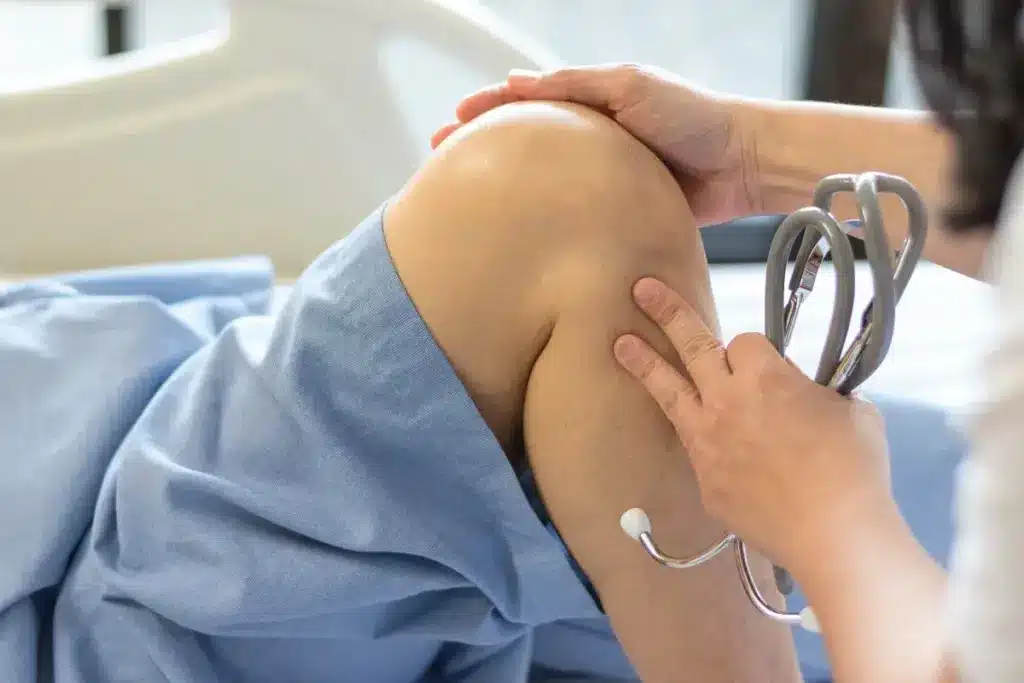
Is knee replacement surgery permanent for patients? Discover the essential truth about why this surgery is a powerful, long-term health fix.
Every year, over 600,000 knee replacement surgeries are done in the United States. This makes it one of the most common orthopedic surgeries.
It’s important for patients to know how long different knee surgeries take to recover. This helps them get ready for their rehabilitation.
Knee replacement surgery is known for a long recovery period. But, how long it takes can change based on many things.
Key Takeaways
- The number of knee replacement surgeries performed annually is significant.
- Recovery times vary among different knee surgeries.
- Knee replacement surgery has a notable recovery period.
- Several factors influence the recovery duration.
- Understanding recovery times helps patients prepare.
The Complexity of Knee Surgery and Recovery

The human knee joint is a marvel of engineering. But, its surgery and recovery can be quite complicated. The knee joint is the largest joint in the body. It bears significant weight and pressure, making it prone to pain and damage.
The Knee Joint: A Masterpiece of Engineering
The knee joint is a complex structure. It consists of bones, ligaments, and cartilage, all working together to facilitate movement. Its complexity means that surgeries in this area can vary greatly in terms of technique and recovery.
The knee joint’s structure includes the femur, tibia, and patella. All of these play critical roles in mobility. The ligaments and cartilage provide stability and cushioning, respectively.
Why Recovery Times Vary Significantly
Recovery times after knee surgery can differ significantly. This is based on the type of surgery performed and individual patient factors. For instance, arthroscopic procedures tend to have shorter recovery times compared to more invasive surgeries like knee replacement.
Patient factors such as age, overall health, and adherence to rehabilitation protocols also play a role. Understanding these factors helps in setting realistic expectations for recovery.
The Evolution of Knee Surgery Throughout History
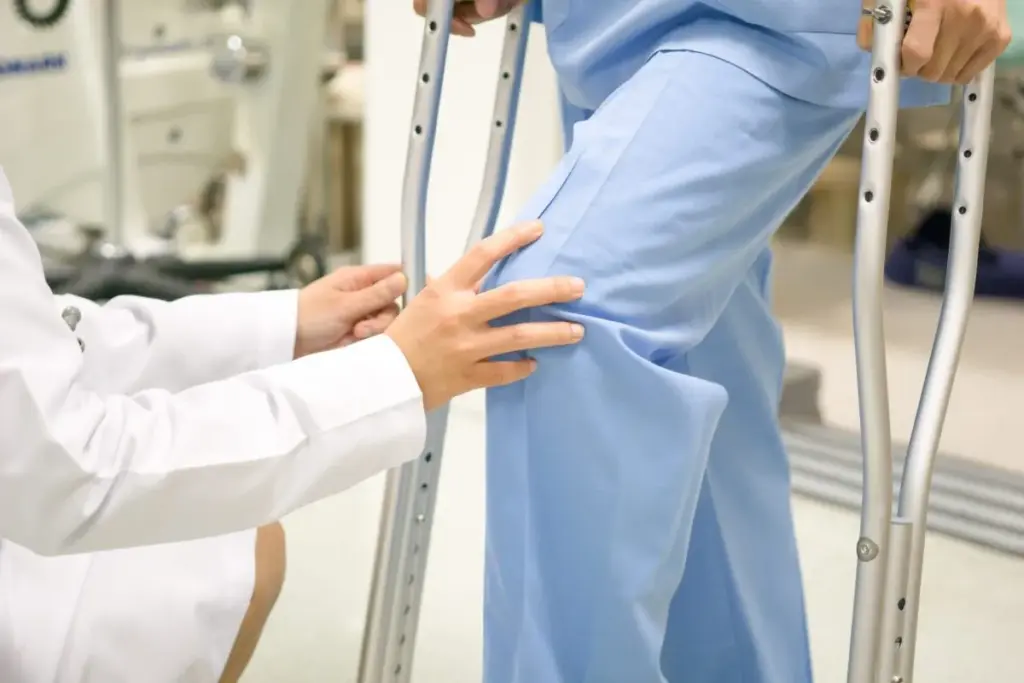
The evolution of knee surgery reflects significant advancements from early methods to today’s sophisticated techniques. This journey shows how medical tech and orthopedic surgeons have made great strides.
Knee Surgery Origin and Early Techniques
In the early 20th century, surgeons started working on knee repairs. Back then, surgeries were invasive and took a long time to heal.was a key figure, introducing early movement after surgery in the late 1800s.
“The history of knee surgery is marked by significant milestones, from the first meniscectomy to the development of arthroscopic techniques.” – Orthopedic Surgeon
These early steps paved the way for today’s knee surgery. Meniscectomy and ligament repair were among the first procedures developed.
|
Procedure |
Early Techniques |
Modern Advancements |
|---|---|---|
|
Meniscectomy |
Open surgery with lengthy recovery |
Arthroscopic meniscectomy with faster recovery |
|
Ligament Repair |
Invasive procedures with significant rehabilitation |
Arthroscopic ligament reconstruction with improved outcomes |
Revolutionary Advancements in Modern Knee Surgery
Modern knee surgery has seen big changes, thanks to arthroscopy and better imaging. Arthroscopic surgery makes procedures less invasive, cutting down recovery times and boosting results.
- Improved imaging techniques for better diagnosis
- Minimally invasive surgical procedures
- Advanced materials for implants and prosthetics
These changes have greatly helped patients, leading to quicker healing and better lives. The story of knee surgery is one of constant progress, with more research on the horizon.
Common Types of Knee Surgeries and Their Recovery Timelines
Knee surgeries vary, with recovery times that differ greatly. It’s key for patients to know these differences. This helps them manage their recovery better.
Arthroscopic Procedures
Arthroscopic knee surgery uses small incisions and a camera to guide tools. It’s a minimally invasive technique for fixing cartilage, removing bone spurs, and treating other issues. Most people can get back to normal in 2-6 weeks.
Meniscus Repair and Meniscectomy
Meniscus repair stitches torn meniscus parts together. Meniscectomy removes the damaged part. Meniscus repair takes 3-6 months to recover, while meniscectomy is quicker, at 4-8 weeks. The choice depends on the damage’s extent and location.
Ligament Reconstruction Surgeries
Ligament reconstruction, like ACL repair, uses a graft to rebuild the torn ligament. It’s often needed by athletes or those with knee instability. Recovery can take 9-12 months before returning to sports or heavy activities.
Partial and Total Knee Replacement
Knee replacement surgeries replace damaged joints with artificial ones. Partial replacement is for one part of the knee, while total replacement is for the whole knee. Recovery times vary, but most people need 6-12 months to fully recover and regain strength.
Arthroscopic Knee Surgery: The Minimally Invasive Option
Arthroscopic knee surgery is a new way to fix knee problems. It uses small cuts to put in a camera and tools. This method causes less damage, hurts less, and lets you get back to life faster than old surgery ways.
Typical Recovery Timeline: 2-6 Weeks
Recovering from arthroscopic knee surgery is usually quick, taking 2 to 6 weeks. You’ll need to do exercises to get your strength and movement back.
Factors That Can Extend Recovery
Several things can make recovery take longer, including:
- Patient’s overall health: If you have health issues, healing might take longer.
- Extent of the surgery: More complicated surgeries need more time to heal.
- Adherence to rehabilitation: Skipping physical therapy can make recovery longer.
To help with recovery, doing prehabilitation exercises before surgery is a good idea. These exercises make your knee stronger. Also, following a post-surgery care plan is key. It includes managing pain, taking care of your wound, and slowly getting back to activities.
Meniscus Surgery: Recovery Expectations
Recovering from meniscus surgery is a journey that depends on the type of surgery. Whether it’s a meniscectomy or a repair, the recovery time varies. This is based on the surgery’s complexity and the person’s health.
Meniscectomy Recovery: 4-8 Weeks
A meniscectomy removes the damaged part of the meniscus. It’s often simpler and has a quicker recovery than repair. Most people can get back to normal in 4 to 8 weeks.
Recovering from a meniscectomy is usually straightforward. Symptoms improve quickly, but it takes up to 8 weeks to fully recover. This includes getting back strength and range of motion.
|
Recovery Stage |
Timeline |
Activities |
|---|---|---|
|
Immediate Post-Surgery |
1-2 weeks |
Rest, ice, compression, elevation (RICE) |
|
Early Rehabilitation |
2-4 weeks |
Range of motion exercises, strengthening |
|
Advanced Rehabilitation |
4-8 weeks |
Progressive strengthening, agility drills |
Meniscus Repair Recovery: 3-6 Months
Meniscus repair is more complex. It involves stitching or reattaching the torn meniscus. This requires a longer recovery, usually 3 to 6 months.
The longer recovery time is because the meniscus needs to heal fully. A strict rehabilitation program is needed to ensure healing and prevent injury.
- Initial recovery phase: Focus on pain management and basic knee mobility.
- Intermediate phase: Progressive strengthening and range of motion exercises.
- Advanced phase: Functional training and return to sports or strenuous activities.
Knowing the differences in recovery between meniscectomy and repair helps prepare for rehab. By following the surgeon’s advice and sticking to a rehabilitation plan, people can improve their recovery.
ACL Reconstruction: A Lengthy Rehabilitation Process
The recovery after ACL reconstruction is complex and takes several months. It involves many steps to help patients regain strength and mobility in their knee. This process is essential for a full recovery.
Initial Recovery Phase: First 2 Months
The first two months are key in setting the stage for recovery. Patients often feel pain, swelling, and have limited movement. Managing pain well and following a rehabilitation plan are very important. The goal is to start with simple exercises and improve knee function.
“Early mobilization and rehabilitation after ACL reconstruction can significantly improve outcomes and reduce the risk of complications.”
Intermediate Recovery: 2-6 Months
In the next phase, patients start to get stronger and more mobile. This stage includes more challenging exercises like strength training and agility drills. The focus now is on getting the knee ready for more activities.
|
Phase |
Timeline |
Goals |
|---|---|---|
|
Initial Recovery |
0-2 months |
Pain management, basic mobility |
|
Intermediate Recovery |
2-6 months |
Strength training, agility drills |
|
Full Recovery |
9-12 months |
Return to sports, full functionality |
Full Recovery and Return to Sports: 9-12 Months
The last phase is about getting back to full activity, including sports. Patients should have gained a lot of strength and mobility. A good rehabilitation plan is key to achieving this.
Knowing the different recovery phases helps patients prepare for their journey. With the right support and approach, they can fully recover and get back to their activities.
Partial Knee Replacement: A Middle-Ground Option
For those with knee damage in just one area, partial knee replacement is a good choice. This surgery replaces only the damaged part of the knee. It keeps the healthy bone and tissue around it intact.
Hospital Stay and Initial Weeks
People getting a partial knee replacement usually stay in the hospital for 1 to 3 days. Right after surgery, they should rest, keep their leg up, and do light exercises. This helps with healing and reduces swelling.
Key aspects of the initial recovery phase include:
- Pain management through medication
- Gradual mobilization to prevent stiffness
- Monitoring for any signs of complications
Rehabilitation Protocol: 1-3 Months
The rehab for partial knee replacement is less intense than for total knee replacement. Patients start physical therapy a few weeks after surgery. They work on getting their strength, flexibility, and range of motion back.
A well-structured rehabilitation program may include:
- Strengthening exercises for the surrounding muscles
- Flexibility and range of motion exercises
- Balance and coordination training
Complete Recovery: 6-9 Months
It can take 6 to 9 months to fully recover from a partial knee replacement. How fast you recover depends on your health, how well you follow your rehab plan, and if you have any other health issues.
|
Recovery Stage |
Timeline |
Key Activities |
|---|---|---|
|
Initial Recovery |
0-6 weeks |
Rest, elevation, gentle exercises |
|
Rehabilitation |
1-3 months |
Physical therapy, strengthening exercises |
|
Complete Recovery |
6-9 months |
Return to normal activities, advanced exercises |
Partial knee replacement is a good option for those with localized knee damage. It offers a quicker recovery than total knee replacement. By following a structured rehab plan, patients can get back to their normal activities.
Total Knee Replacement: What Surgery Has the Longest Recovery Time
Total knee replacement is known for its long recovery time. This surgery replaces the knee joint with artificial parts. It greatly affects a person’s life and how they move.
Immediate Post-Operative Period: First Month
The first month after surgery is very important. Patients need to rest, keep their leg up, and do gentle exercises. This helps prevent stiffness and aids in healing. Managing pain is also a big focus.
Progressive Rehabilitation: 1-3 Months
As patients get better, their rehab gets more challenging. Physical therapy is key to getting strength, flexibility, and moving better. Most see big improvements in 1-3 months after surgery.
Advanced Recovery: 3-6 Months
By this point, most patients have made a lot of progress. They can start doing more activities and exercises. But, they’re not fully recovered yet.
Complete Recovery and Beyond: 12-18 Months
Total knee replacement takes a long time to fully recover from, often 12-18 months. Age, health, and following rehab plans can affect how long it takes.
Recovery Timeline Overview
|
Recovery Stage |
Timeline |
Key Activities |
|---|---|---|
|
Immediate Post-Operative |
First Month |
Rest, elevation, gentle exercises |
|
Progressive Rehabilitation |
1-3 Months |
Physical therapy, strength training |
|
Advanced Recovery |
3-6 Months |
Strenuous activities, advanced exercises |
|
Complete Recovery |
12-18 Months |
Full integration of new knee, return to normal activities |
Total knee replacement is one of the surgeries with the longest recovery times. Knowing the recovery process helps patients prepare and get the best results.
Is Knee Replacement Surgery Permanent?
Many people wonder if knee replacement surgery is permanent. Knee replacement, or arthroplasty, replaces the damaged knee joint with artificial parts. It’s a successful surgery, but its permanence depends on several factors.
Understanding the Lifespan of Modern Knee Implants
Modern knee implants are made to last long. They can last 15 to 20 years or more. The American Academy of Orthopaedic Surgeons says most knee replacements will need to be revised due to wear and tear.
Several things affect how long a knee implant lasts. These include:
- The material used for the implant
- The age and activity level of the patient
- The surgical technique employed
- Post-operative care and rehabilitation
Factors That Affect Knee Replacement Longevity
Many factors influence how long a knee replacement lasts. Patient-related factors like age, weight, and overall health are key. Younger, more active patients may wear out their implants faster.
Surgical factors also matter. The type of implant used and the surgical technique can affect longevity. For example, some materials are more durable than others. The surgeon’s skill and experience also play a role.
When Revision Surgery Becomes Necessary
Revision surgery may be needed for reasons like wear and tear, infection, or loosening of the implant. The decision to have revision surgery is made after careful evaluation and discussion with the surgeon.
It’s important to know that knee replacement surgery is not always permanent. Regular check-ups with healthcare providers are key to monitor the implant’s condition and address any issues early.
Patient Experiences: Real Recovery Journeys After Knee Surgery
After knee surgery, patients face a mix of physical and emotional challenges. Everyone’s recovery is different. It depends on the surgery type, health, and what they hope for.
Expectations vs. Reality in Recovery Timelines
Patients often think they know how fast they’ll recover. But, reality can be different. Some get better quicker, while others take longer.
A study showed that clear communication from doctors helps a lot. It makes patients happier and less worried. Important factors include:
- Pre-surgery prep and learning
- Managing pain after surgery
- Following physical therapy
- Having family and friends support
Psychological Aspects of Extended Recovery Periods
Long recoveries can really affect your mind. Patients might feel frustrated, disappointed, anxious, or even depressed. It’s important to remember these feelings are normal.
“I felt like I was losing my identity as an active person,” said one patient after knee surgery. “But with the right support and mindset, I was able to navigate the recovery process and come out stronger on the other side.”
Success Stories and Cautionary Tales
Real stories from patients offer great insights. Success tales can motivate, while cautionary tales warn of possible problems.
For instance, a patient who stuck to physical therapy got better faster. But, another who ignored advice faced complications that made recovery longer.
These stories show how important it is to follow doctor’s orders. And having a supportive network helps a lot in recovering well.
Factors That Significantly Impact Knee Surgery Recovery Time
Knowing what affects knee surgery recovery is key. It helps set realistic goals and get the best results. Many things can change how long it takes to recover, and knowing them can help patients get ready.
Patient-Related Factors: Age, Weight, and Overall Health
Things about the patient can really affect recovery time. Age is a big deal, as older people might need more time to heal. Weight also matters, because being overweight can stress the knee. Plus, a patient’s overall health, like diabetes or heart disease, can slow down healing.
- Age: Older patients may have longer recovery times.
- Weight: Excess weight can stress the knee joint.
- Overall Health: Presence of comorbidities can affect healing.
Surgical Factors: Technique, Surgeon Experience, and Complications
The surgery itself also plays a big part in recovery. The surgical technique used can affect how long it takes to heal. The experience of the surgeon is also important, as more skilled surgeons can do the job better. Any complications during or after surgery, like infections, can make recovery longer.
- Surgical Technique: Minimally invasive techniques may reduce recovery time.
- Surgeon Experience: More experienced surgeons may have better outcomes.
- Complications: Infections or other complications can delay healing.
Rehabilitation Compliance and Physical Therapy Engagement
Lastly, sticking to rehabilitation and doing physical therapy is very important. Patients who follow their rehab plans and do physical therapy well tend to recover faster. A good rehab program helps the knee work better, strengthens muscles, and improves movement.
By knowing these factors, patients can better plan their recovery. This helps them aim for the best results after knee surgery.
Strategies to Optimize Your Recovery After Knee Surgery
Recovering from knee surgery takes a mix of getting ready before surgery, careful care after surgery, and changes in lifestyle and diet. A full recovery plan helps patients heal faster and get back to their daily life sooner.
Pre-Surgery Preparation: Prehabilitation Exercises
Prehabilitation, or prehab, means doing exercises and physical therapy before surgery. It strengthens the muscles around the knee, helping with a quicker and better recovery.
- Do low-impact activities like cycling or swimming to boost heart health.
- Work on strengthening the quadriceps, hamstrings, and calf muscles.
- Do exercises that improve balance and flexibility to move better.
Post-Surgery Care: Following Medical Advice
Following the care plan after surgery is key for a smooth recovery. This means taking medicine as told, going to physical therapy, and watching for any signs of problems.
“The key to a successful recovery is not just the surgery itself, but how well the patient follows the post-operative instructions.”
Nutrition and Lifestyle Modifications for Faster Healing
Eating a balanced diet full of important nutrients helps a lot with recovery. Foods high in protein, vitamins, and minerals help fix tissues and keep you healthy.
|
Nutrient |
Benefit |
Food Sources |
|---|---|---|
|
Protein |
Muscle repair and growth |
Chicken, fish, beans, eggs |
|
Vitamin C |
Collagen synthesis and wound healing |
Citrus fruits, berries, leafy greens |
|
Omega-3 Fatty Acids |
Inflammation reduction |
Salmon, walnuts, flaxseeds |
Assistive Devices and Home Modifications
Using assistive devices and making home changes helps a lot with recovery. It reduces strain and makes moving around easier.
- Use walkers or crutches as recommended by your healthcare provider.
- Install handrails in strategic locations, such as bathrooms and stairways.
- Rearrange living spaces to minimize the need for excessive walking or bending.
Conclusion
Knowing about different knee surgeries and their recovery times is key for patients. Each surgery, from arthroscopic to total knee replacement, has its own recovery pace. This pace depends on the patient’s health, the surgery method, and how well they follow their rehab plan.
Knee surgery recovery times can really vary. For example, arthroscopic surgeries might take just a few weeks to recover from. But, more complex surgeries like total knee replacements can take months or even a year or more. Knowing these differences helps patients set realistic goals and prepare better.
By understanding the main points from this article, patients can better manage their recovery. It’s important to know about pre-surgery prep, post-surgery care, and the role of rehab. Knee surgery recovery is a journey that needs patience, dedication, and the right advice.
FAQ
What is the origin of knee surgery?
Knee surgery started in the early 1900s. The first arthroscopic surgeries were done in the 1920s. Over time, technology and techniques have greatly improved.
What type of knee surgery has the longest recovery time?
Total knee replacement surgery takes a long time to recover from. It usually takes 12-18 months to fully recover.
Is knee replacement surgery permanent?
Modern knee implants are made to last a long time. But, knee replacement surgery is not forever. The implant’s life depends on the patient’s age, activity level, and the quality of the implant.
How long does it take to recover from arthroscopic knee surgery?
Arthroscopic knee surgery recovery is usually 2-6 weeks. But, it can vary based on the surgery’s extent and the patient’s health.
What is the difference in recovery time between meniscectomy and meniscus repair?
Meniscectomy recovery is 4-8 weeks. Meniscus repair takes 3-6 months. This is because the repaired meniscus needs time to heal.
How long does it take to recover from ACL reconstruction surgery?
ACL reconstruction recovery is long. It usually takes 9-12 months to fully recover and return to sports.
What factors influence knee surgery recovery time?
Many things affect knee surgery recovery time. These include the patient’s age, weight, and health. Also, the surgery’s technique, the surgeon’s experience, and how well the patient follows the rehabilitation plan.
Can prehabilitation exercises improve knee surgery recovery?
Yes, prehabilitation exercises can help. They strengthen the muscles around the knee and improve joint mobility.
How can nutrition and lifestyle modifications aid in knee surgery recovery?
Good nutrition and lifestyle changes can help. Eating well and maintaining a healthy weight can aid in healing. Quitting smoking also reduces complications after surgery.
Reference
National Center for Biotechnology Information. Evidence-Based Medical Insight. Retrieved from https://pmc.ncbi.nlm.nih.gov/articles/PMC3216084/



 Departments
 Related Videos
 Our Doctors
 News
News