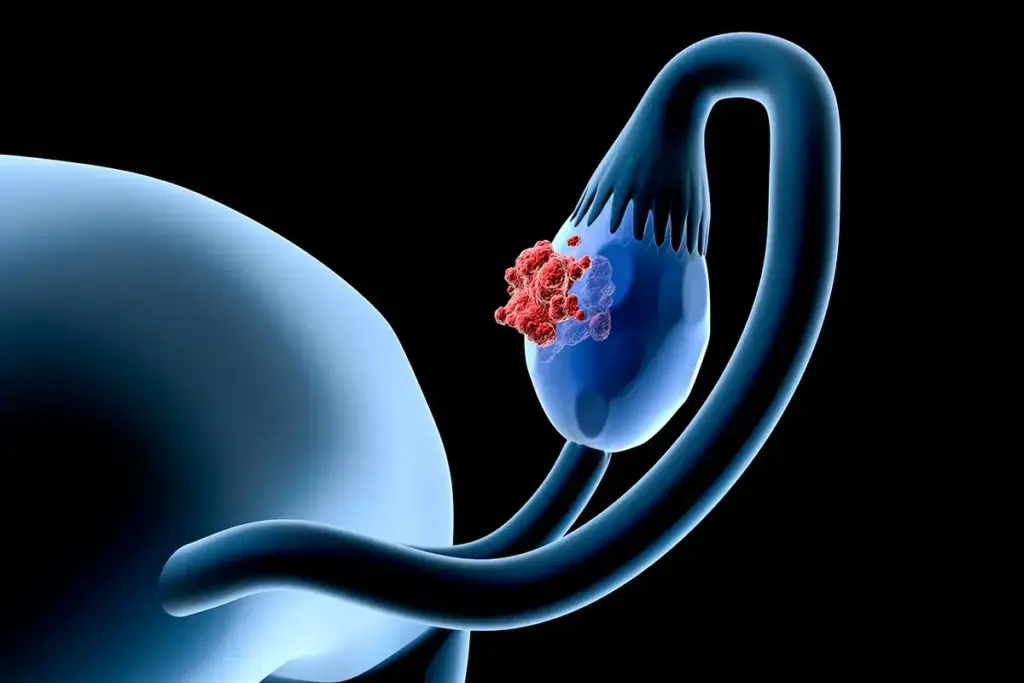
Early detection of ovarian cancer greatly boosts a patient’s survival chances. The American Cancer Society reports that the five-year survival rate for ovarian cancer is 90% to 93% if caught at Stage I.
If found early, ovarian cancer is very treatable. This gives patients a lot of hope. We will look into why early detectionmatters, the treatment options, and survival rates for ovarian cancer. For more details on , check our resource page.
Key Takeaways
- Early detection of ovarian cancer significantly improves survival rates.
- The five-year relative survival rate for ovarian cancer is 90-93% if detected at Stage I.
- Effective treatment options are available for ovarian cancer when caught early.
- Survival rates vary significantly based on the stage at diagnosis.
- World-class care institutions play a critical role in treating ovarian cancer.
Understanding Ovarian Cancer: Types and Stages

It’s important to know about the different types and stages of ovarian cancer. This knowledge helps in choosing the right treatment and care for patients. Ovarian cancer is not just one disease. It includes many types and stages, each with its own features and treatment options.
Different Types of Ovarian Cancer
Ovarian cancer can start in different cells. The main types are:
- Epithelial tumors: These are the most common, starting in the outer layer of the ovary.
- Germ cell tumors: These start in the cells that make eggs and are more common in younger women.
- Sex cord-stromal tumors: These rare tumors start in the stromal tissue of the ovary, which makes hormones.
Each type of ovarian cancer is unique and may need a different treatment. Knowing the exact type of cancer is key to finding the best treatment.
The FIGO Staging System Explained
The International Federation of Gynecology and Obstetrics (FIGO) staging system helps classify ovarian cancer. It ranges from Stage I, where the cancer is only in the ovaries, to Stage IV, where it has spread to distant organs.
The FIGO staging system is as follows:
- Stage I: Cancer is only in the ovaries.
- Stage II: Cancer has spread to other pelvic organs.
- Stage III: Cancer has spread to the peritoneum outside the pelvis or to nearby lymph nodes.
- Stage IV: Cancer has spread to distant organs, like the liver or lungs.
Knowing the stage of ovarian cancer is vital for planning treatment. The FIGO staging system helps doctors communicate better. It ensures patients get the right care.
Early Detection Challenges: Why Ovarian Cancer Often Goes Unnoticed

Ovarian cancer symptoms are hard to spot early. It’s called a “silent killer” because its signs are not clear. The American Cancer Society says only 20% of ovarian cancers are caught early.
Subtle Symptoms That Are Often Overlooked
Ovarian cancer symptoms are not clear and can be mistaken for other issues. Common signs include:
- Pelvic or abdominal pain
- Bloating or swelling in the abdomen
- Difficulty eating or feeling full quickly
- Urinary urgency or frequency
These symptoms are vague and often blamed on other things. Women should know these signs and see a doctor if they don’t go away.
Why Only 20% of Cases Are Caught Early
Only 20% of ovarian cancers are found early. This is because the symptoms are not clear and there’s no good test for everyone. current tests can’t find ovarian cancer early in women without symptoms. So, most cancers are found when they’re already advanced.
Risk Factors That Increase Vigilance
Some things make it more likely to get ovarian cancer. These include:
- Family history of ovarian or breast cancer
- Genetic mutations like BRCA1 and BRCA2
- Being over 50, as most cases happen then
Women with these risk factors should watch their symptoms closely. Early detection is key to treating it well. Knowing these risk factors helps find who needs closer monitoring.
The Critical Importance of Early Diagnosis
Diagnosing ovarian cancer early is key to better patient outcomes. Early detection makes treatments more effective and raises survival chances.
Diagnostic Tools and Procedures
Many tools and procedures help find ovarian cancer. These include:
- Pelvic Examination: A detailed pelvic exam is often the first step in diagnosing ovarian cancer.
- Imaging Tests: Ultrasound and MRI help see the ovaries and spot issues.
- Blood Tests: The CA-125 blood test looks for a protein often high in ovarian cancer.
- Biopsy: A biopsy takes a tissue sample from the ovary for closer look.
|
Diagnostic Tool |
Description |
Significance |
|---|---|---|
|
Pelvic Examination |
Manual examination of the pelvic region |
Initial assessment for abnormalities |
|
Ultrasound |
Imaging technique using sound waves |
Visualizes ovarian structures and detects masses |
|
CA-125 Blood Test |
Measures the level of CA-125 protein in the blood |
Elevated levels may indicate ovarian cancer |
The Role of Regular Check-ups and Screening
Regular check-ups and screenings are vital for early ovarian cancer detection. While no perfect test exists, regular pelvic exams and knowing risk factors can help catch the disease early.
We suggest women, and those with a family history of ovarian or breast cancer, talk to their doctors about their risks. This can help figure out the best screening plan and steps to take.
By focusing on early diagnosis and using the tools we have, we can better treat ovarian cancer and improve patient outcomes.
Is Ovarian Cancer Treatable? The Reality of Treatment Options
Early detection is key to beating ovarian cancer. This disease needs a detailed treatment plan. The success of treatment depends on the cancer’s stage, type, and the patient’s health.
Standard Treatment Protocols for Early-Stage Disease
For early ovarian cancer, surgery and chemotherapy are the main treatments. Surgery removes the tumor and affected tissues. Chemotherapy kills cancer cells that have spread.
The surgery type depends on the disease’s spread and if the patient wants to keep their fertility. Options include:
- Fertility-sparing surgery for young women
- Total hysterectomy with removal of ovaries and fallopian tubes
- Debulking surgery to remove as much of the tumor as possible
Treatment Approaches for Advanced Disease
Advanced ovarian cancer needs a strong treatment plan. This often includes surgery, chemotherapy, and targeted therapy. The aim is to control the disease, manage symptoms, and improve life quality.
|
Treatment Approach |
Early-Stage Disease |
Advanced Disease |
|---|---|---|
|
Surgery |
Primary treatment to remove the tumor |
Debulking surgery to reduce tumor burden |
|
Chemotherapy |
Adjuvant therapy to eliminate remaining cancer cells |
Primary treatment to control disease progression |
|
Targeted Therapy |
Not typically used |
Used in combination with chemotherapy |
Knowing about ovarian cancer treatments is vital for making informed choices. Working with a healthcare team helps create a treatment plan that meets individual needs.
Survival Rates by Stage: What the Statistics Tell Us
Ovarian cancer survival rates change a lot based on when it’s found. Early detection is key. The says the five-year survival rate is 90% to 93% if caught at Stage I.
Stage I Survival Rates: A Positive Outlook
Diagnosing ovarian cancer at Stage I is good news. The high survival rate shows how important it is to find it early. Early-stage ovarian cancer is often more treatable, which means better chances for patients.
Several things help with high survival rates at Stage I:
- Good screening and diagnosis methods
- Quick treatment after finding the cancer
- The cancer’s biology might be less aggressive
Decline in Survival Rates with Advanced Stages
Survival rates drop as ovarian cancer gets more advanced. This shows the tough fight against cancer that has spread.
Here are the survival rates for advanced stages:
- Stage II: Survival rate starts to fall as cancer spreads to nearby tissues.
- Stage III: Cancer spreads to distant tissues in the belly, lowering survival rates more.
- Stage IV: Survival rate drops a lot when cancer spreads to organs far from the belly.
The American Cancer Society says knowing these stats is key for patients and doctors. Early detection greatly improves survival chances.
“The five-year relative survival rate for ovarian cancer is between 90% and 93% if detected at Stage I, highlighting the critical importance of early detection and timely intervention.”
Ovarian cancer survival rates depend on many things, like when it’s found, treatment success, and patient health. Understanding these helps us tackle ovarian cancer better and improve patient results.
Surgical Interventions for Early-Stage Ovarian Cancer
Early-stage ovarian cancer treatment often involves surgical interventions. These surgeries aim to remove the tumor and affected tissues. Surgery is a key part of managing ovarian cancer, potentially curing patients at an early stage.
Types of Surgery and Their Effectiveness
There are several surgical procedures for early-stage ovarian cancer. The choice depends on the disease stage, patient health, and fertility wishes.
Primary Surgical Options:
- Total hysterectomy with bilateral salpingo-oophorectomy
- Unilateral salpingo-oophorectomy for fertility preservation
- Omentectomy to remove cancerous tissue
- Lymph node dissection for staging and treatment
These surgeries can be done through open or minimally invasive techniques. They have shown to improve survival rates for early-stage patients.
|
Surgical Procedure |
Purpose |
Effectiveness |
|---|---|---|
|
Total Hysterectomy |
Removal of uterus and ovaries |
Highly effective for cure |
|
Unilateral Salpingo-Oophorectomy |
Removal of one ovary and tube |
Effective for early-stage disease and fertility preservation |
|
Omentectomy |
Removal of omental tissue |
Important for staging and reducing tumor burden |
Fertility-Sparing Options for Young Patients
Young patients with early-stage ovarian cancer often seek fertility-sparing surgery. These surgeries aim to remove cancer while keeping reproductive organs intact. This allows patients to conceive in the future.
Fertility-sparing surgery includes procedures like unilateral salpingo-oophorectomy. This removes the affected ovary and tube but spares the uterus and the other ovary. It’s a good option for those wanting to have children.
Receiving an ovarian cancer diagnosis can be overwhelming, even more so for young women. Our team is dedicated to providing detailed care. This includes discussing fertility-sparing options to support our patients during this difficult time.
The Role of Chemotherapy in Early-Stage Treatment
For many patients with early-stage ovarian cancer, chemotherapy is key. It’s used along with surgery to treat the cancer. It’s important to know its role and possible side effects.
Chemotherapy helps kill any cancer cells left after surgery. This lowers the chance of the cancer coming back. Talk to your healthcare provider about the benefits and risks of chemotherapy. They can help decide the best treatment for you.
When Chemotherapy Is Recommended After Surgery
Chemotherapy is often suggested after surgery if there’s a high risk of cancer coming back. The decision to use chemotherapy depends on several factors. These include the cancer’s stage and type, and your overall health.
- High-Risk Features: If the cancer has high-risk features, such as a high grade or certain genetic mutations, chemotherapy may be recommended.
- Cancer Spread: If the cancer has spread to other parts of the body, chemotherapy can help control the disease.
- Patient’s Health: The patient’s overall health and ability to tolerate chemotherapy are also considered.
Side Effects and Management Strategies
Chemotherapy can cause a range of side effects, from mild to severe. Common side effects include:
- Nausea and Vomiting: Medications can help manage these symptoms.
- Fatigue: Resting and maintaining a healthy lifestyle can help alleviate fatigue.
- Hair Loss: Some patients may experience hair loss, which is usually temporary.
Managing these side effects is key to keeping the patient’s quality of life during treatment. We work closely with our patients to find ways to reduce the impact of chemotherapy side effects.
Understanding chemotherapy’s role in early-stage ovarian cancer treatment helps patients make informed decisions. We are committed to providing full support throughout the treatment process.
Latest Treatments and Emerging Therapies
Ovarian cancer treatment is changing fast with new treatments and therapies. Research is moving forward, bringing new ways to help patients.
Targeted Therapies Showing Promise
Targeted therapies are a new hope for ovarian cancer. They aim at specific cancer molecules, sparing healthy cells. PARP inhibitors are showing great promise, mainly for those with BRCA1 and BRCA2 mutations.
Other promising therapies include angiogenesis inhibitors and PI3K/AKT pathway inhibitors. These target how tumors grow and survive.
Immunotherapy Approaches for Ovarian Cancer
Immunotherapy is another key area in ovarian cancer treatment. It uses the body’s immune system to fight cancer. Checkpoint inhibitors have shown promise in trials, opening up new treatment paths.
Researchers are also looking into cancer vaccines and adoptive T-cell therapy. These involve modifying T cells to attack cancer cells.
Clinical Trials and Research Developments
Clinical trials are vital for finding new ovarian cancer treatments. They test the safety and effectiveness of new therapies, including combinations.
Patients with ovarian cancer might be able to join clinical trials. This gives them access to new treatments. We suggest talking to a healthcare provider about these options.
Managing Ovarian Cancer Symptoms and Improving Quality of Life
Managing symptoms and improving quality of life are key parts of treating ovarian cancer. We face many challenges in caring for ovarian cancer patients. It’s important to tackle these issues during and after treatment.
Symptom Management During Treatment
Managing symptoms well is critical for patients with ovarian cancer. Symptoms like pain, fatigue, and nausea are common. We use different methods to help manage these symptoms and improve life quality.
- Pain Management: We use medicines and other therapies to reduce pain.
- Fatigue Reduction: We suggest gentle exercise, rest, and good nutrition to fight fatigue.
- Nausea Control: We use anti-nausea drugs and change diets to lessen nausea.
By tackling symptoms early, we help patients handle treatment better and keep their quality of life high.
Complementary and Supportive Therapies
Along with regular treatments, other therapies are key in managing symptoms and improving life quality. These include:
- Acupuncture: It helps with pain and nausea.
- Mindfulness and Meditation: They reduce stress and help relax.
- Nutritional Counseling: It makes sure patients get the right nutrients for treatment.
These therapies are customized for each patient. They offer a complete support system during treatment.
By combining symptom management with these therapies, we greatly enhance life quality for ovarian cancer patients. Our care focuses on the whole person, addressing physical, emotional, and nutritional needs.
Life After Treatment: Remission and Monitoring
Reaching the end of ovarian cancer treatment is a big step. It marks the start of a new chapter in a patient’s life. It’s important to know about follow-up care and managing emotions after treatment.
Follow-up Care Protocols
Regular check-ups are key to keeping an eye on health and catching any signs of cancer coming back early. We suggest a plan that includes:
- Physical exams and medical history reviews
- Imaging tests like CT scans or MRIs
- Blood tests to check tumor markers
These plans are made just for each person, based on their treatment and health. Going to these appointments helps us spot and fix any problems quickly.
|
Follow-up Care Component |
Frequency |
Purpose |
|---|---|---|
|
Physical Exams |
Every 3-6 months |
Monitor overall health and detect signs of recurrence |
|
Imaging Tests |
As recommended by the healthcare provider |
Visualize the internal organs for signs of cancer recurrence |
|
Blood Tests |
Regularly, as advised |
Monitor tumor markers that could indicate recurrence |
Dealing with the Fear of Recurrence
Many survivors worry about cancer coming back. It’s normal to feel scared about this. We can help by:
- Learning about signs and symptoms of recurrence
- Talking openly with healthcare teams
- Doing things that help reduce stress, like meditation or yoga
By being proactive and staying in touch with doctors, patients can deal with the fear of recurrence. This way, they can live a happy and meaningful life.
Life after ovarian cancer treatment is a journey of patience, resilience, and support. Understanding follow-up care and managing fear of recurrence helps survivors move forward with confidence and hope.
Liv Hospital’s Multidisciplinary Approach to Ovarian Cancer
At Liv Hospital, we take a team approach to fight ovarian cancer. We use the newest medical tools and care with kindness. Our team works together to meet each patient’s special needs.
Mission: Competing Internationally with Best Outcomes
We aim to be among the top in ovarian cancer treatment worldwide. We do this by keeping up with the latest research and technology. This ensures our patients get the best treatments.
We are dedicated to being the best. Our strict treatment plans and ongoing improvement show our commitment.
“The key to successful ovarian cancer treatment lies in a multidisciplinary approach that brings together experts from various fields to provide complete care.”
Liv Hospital Oncologist
Vision: Continuous Excellence and Top-Tier Patient Experience
We want to keep getting better and give our patients the best experience. We aim to make a caring and supportive place for our patients. This way, they feel valued and strong during their treatment.
We focus on both their medical and emotional needs. Our goal is to help them get the best results.
- Personalized care plans tailored to individual patient needs
- Access to the latest treatment options and clinical trials
- A supportive care team available around the clock
Core Values: Preventive, Curative, and Ethical Healthcare
Our values are about preventing, curing, and ethical healthcare. We believe in early prevention and effective treatments for ovarian cancer. Our ethical practices mean we act with honesty, openness, and respect for our patients.
|
Core Value |
Description |
|---|---|
|
Preventive Healthcare |
Emphasizing early detection and prevention strategies to reduce ovarian cancer risk |
|
Curative Healthcare |
Providing the most effective and advanced treatments for ovarian cancer |
|
Ethical Healthcare |
Guiding our practices with integrity, transparency, and respect for patient rights |
We strive to positively impact our patients and their families. Our approach to ovarian cancer care is holistic and supportive. It helps from the start of diagnosis through treatment and after.
Prevention Strategies and Risk Reduction
To lower the risk of ovarian cancer, it’s important to use genetic testing, make lifestyle changes, and know your personal risk factors. By understanding these, women can take steps to lower their chance of getting ovarian cancer.
Genetic Testing for High-Risk Individuals
Genetic testing is key for finding those at high risk of ovarian cancer. BRCA1 and BRCA2 gene mutations are big risk factors. Testing can spot these mutations. We suggest genetic counseling and testing for women with a family history of ovarian or breast cancer.
- Identifying BRCA1 and BRCA2 mutations can inform preventive measures.
- Genetic testing can also identify other mutations that may increase ovarian cancer risk.
- Understanding genetic risk can lead to earlier and more effective intervention.
Lifestyle Factors That May Reduce Risk
Genetic testing isn’t the only way to lower ovarian cancer risk. Dietary habits, physical activity, and avoiding obesityare lifestyle choices that can help.
- Eating a diet full of fruits, vegetables, and whole grains may help reduce risk.
- Regular physical activity has been linked to a lower risk of ovarian cancer.
- Keeping a healthy weight is also key, as obesity is linked to a higher risk.
By combining genetic awareness with healthy lifestyle choices, women can greatly reduce their risk of ovarian cancer. We stress the need for a complete approach to prevention. This includes both medical advice and personal responsibility.
Conclusion: Hope Through Early Detection and Advanced Treatment
Ovarian cancer is a serious disease, but it can be managed with early detection and advanced treatment. This brings hope to patients. The 5-year survival rate for ovarian cancer caught early is 91.7%, as shown by .
Thanks to new treatments like surgery, chemotherapy, and emerging therapies, outcomes have gotten better. Early detection is essential for effective treatment. Regular check-ups and screenings help doctors find and treat ovarian cancer early.
Knowing more about ovarian cancer, its types, and stages helps patients take care of their health. By catching it early and using the latest treatments, we can increase survival rates. This also improves the quality of life for those with ovarian cancer.
FAQ
What are the common symptoms of ovarian cancer?
Ovarian cancer symptoms are often subtle and can be easily overlooked. Common symptoms include abdominal bloating, pelvic pain, and difficulty eating. You might also feel full quickly or have urinary urgency or frequency.
How is ovarian cancer staged?
Ovarian cancer is staged using the FIGO staging system. It classifies the disease into different stages, from Stage I to Stage IV. This is based on the extent of tumor spread.
What are the treatment options for ovarian cancer?
Treatment options for ovarian cancer vary based on the stage and type of the disease. Standard treatments include surgery, chemotherapy, and emerging therapies. These include targeted therapies and immunotherapy.
How effective is surgery in treating early-stage ovarian cancer?
Surgery is a common treatment option for early-stage ovarian cancer. Its effectiveness depends on the type of surgery and the stage of the disease. Young patients may have fertility-sparing options.
What is the role of chemotherapy in ovarian cancer treatment?
Chemotherapy is often used with surgery to treat ovarian cancer. It is recommended after surgery in certain cases. Managing its side effects is important.
What are the latest treatments and emerging therapies for ovarian cancer?
The latest treatments and emerging therapies for ovarian cancer include targeted therapies and immunotherapy. These offer new hope for patients. They are being continuously researched and developed.
How can ovarian cancer symptoms be managed during treatment?
Managing ovarian cancer symptoms during treatment involves various strategies. This includes complementary and supportive therapies. These help improve quality of life.
What is the importance of follow-up care after ovarian cancer treatment?
Follow-up care is critical after ovarian cancer treatment. It helps monitor for recurrence and address concerns or fears. Protocols vary depending on the individual case.
Can ovarian cancer be prevented?
While ovarian cancer cannot be entirely prevented, genetic testing for high-risk individuals can reduce risk. Certain lifestyle factors may also help.
What is Liv Hospital’s approach to ovarian cancer care?
Liv Hospital offers a multidisciplinary approach to ovarian cancer care. Their mission is to provide world-class care. They aim for continuous excellence and a top-tier patient experience.
What are the survival rates for ovarian cancer by stage?
Survival rates for ovarian cancer vary significantly by stage. Stage I has a much higher survival rate compared to advanced stages.
References:
National Cancer Institute. (n.d.). Cancer stat facts: Ovarian cancer. Retrieved from https://seer.cancer.gov/statfacts/html/ovary.html