Is PET scan painful? Many people worry about pain, preparation, or what happens after a PET scan. At Liv Hospital, we understand your concerns and are here to help.
A PET scan is a simple test that creates 3D images of your body’s inside. It helps doctors find and treat conditions like cancer — and the good news is, the scan itself is usually not painful.
A PET scan is usually not painful. Knowing what to expect before, during, and after can ease your worries.
Key Takeaways
- PET scans are generally not painful and are used to create detailed images of the body’s internal structures.
- Preparation is key: avoid eating or drinking for a few hours before the scan, and limit physical activity.
- The scan itself typically lasts between 30-60 minutes.
- Patients are advised to rest after the injection of the radioactive substance and before the scan.
- A radiologist will review the images and send a formal report to your physician.
Understanding PET Scans: What They Are and Why They’re Performed
PET scans are important for patients. They help find and manage many health issues. A PET scan shows how the body’s cells work.
The Science Behind Positron Emission Tomography
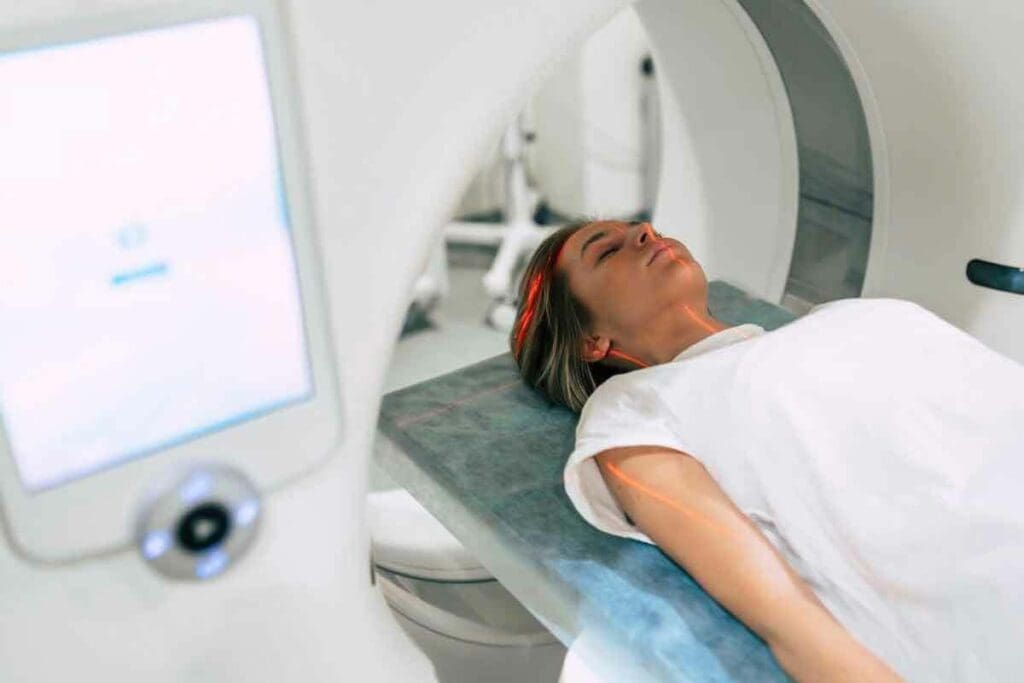
PET scans use a special liquid to see active body areas. This liquid is absorbed by cells and sends signals. The PET scanner catches these signals to make detailed images.
First, the patient gets the special liquid. Then, the PET scanner makes a map of cell activity. This helps doctors find and track diseases like cancer.
Common Medical Conditions Requiring PET Scans
PET scans are key in fighting cancer. They help see how far cancer has spread and if treatments work. They also help with other diseases like Alzheimer’s and heart issues.
“PET scans have become an indispensable tool in oncology, providing critical information that guides treatment decisions and improves patient outcomes.”
A famous medical expert, an Oncologist
PET Scans vs. Other Imaging Techniques
PET scans are different from CT scans and MRI scans. They show how cells work, not just their shape. This makes them great for finding cancer that other scans miss.
| Imaging Technique | Primary Use | Key Benefit |
| PET Scan | Cancer diagnosis and monitoring | Metabolic activity insight |
| CT Scan | Anatomical imaging | Detailed cross-sectional images |
| MRI | Soft tissue imaging | High-resolution images of soft tissues |
In conclusion, PET scans are very important. They help find and manage many diseases, like cancer. Knowing how PET scans work helps patients understand their health better.
Preparing for Your PET Scan: Essential Steps
Getting ready for a PET scan is key. You’ll need to talk to your healthcare provider, check your meds, and know what to wear and bring. This prep helps make sure the scan goes well and the results are right.
Consultation with Your Healthcare Provider
Before your PET scan, talk to your healthcare provider in detail. This is your chance to ask any questions or share concerns. They will explain the scan’s purpose, what to expect, and any special instructions.
Make sure to ask about any special preparations needed. This could include diet changes, medication adjustments, or other steps. Your provider might also give you extra info or resources to help you get ready.
Medication Considerations Before the Scan
Some meds can change how your PET scan results come out. So, it’s important to talk about your meds with your healthcare provider. They might tell you to stop taking certain meds or adjust your doses before the scan.
For some PET scans, like those for cancer, you might need to fast or follow a special diet. Usually, you’ll need to stop eating for 4 to 6 hours before. You can drink plain water during this time. It’s important to follow these diet rules to get accurate results.
| Medication Type | Action Required | Timing |
| Diabetes Medication | Adjust dosage | As advised by your doctor |
| Insulin | Adjust dosage or timing | As advised by your doctor |
| Other Medications | Consult your doctor | Before the scan |
What to Wear and Bring to Your Appointment
On PET scan day, wear comfy clothes and avoid metal items like jewelry. You’ll need to remove any metal before the scan. Also, bring any medical records, a list of your meds, and any other info your provider asked for.
“Patients should be advised to wear loose, comfortable clothing and to avoid any items that contain metal. This helps ensure the scan process is as smooth as possible.”
Medical Imaging Guidelines
By following these steps, you’ll be ready for your PET scan. This ensures the scan goes smoothly and the results are accurate.
Diet Before a PET Scan for Cancer: What You Need to Know
When you’re getting ready for a PET scan, what you eat matters a lot. The food and drinks you have before the scan can change how the tracer works. This might affect the quality of the images you get.
Why Dietary Restrictions Matter for Accurate Results
Following dietary rules before a PET scan is key. Some foods and drinks can change how the tracer moves in your body. This could mess up the scan’s images. By sticking to the diet plan, you help get clear images for diagnosis and treatment.
Your healthcare team will tell you what to avoid eating before the scan. This helps make sure the scan results are accurate.
Foods and Beverages to Avoid
Stay away from foods and drinks with a lot of sugar, caffeine, and alcohol before the scan. These can change your body’s metabolism and how the tracer spreads.
Here’s a list of things to avoid:
- Sugary drinks and foods
- Caffeine-containing products
- Alcoholic beverages
- High-carbohydrate foods
What Can I Eat Before a PET Scan: Safe Options
Even with restrictions, there are safe foods to eat before a PET scan. Eat light meals or snacks that are low in sugar and carbs. Focus on protein and veggies.
Here are some safe food choices:
| Food Category | Safe Options |
| Protein-rich foods | Chicken, fish, eggs, tofu |
| Vegetables | Leafy greens, broccoli, cauliflower |
| Beverages | Water, unsweetened tea |
Talk to your healthcare team about what you can eat before the scan. They can give you advice based on your needs and the scan’s requirements.
By following the diet rules, you help make sure your PET scan results are accurate. This supports better cancer diagnosis and treatment.
Why Rest Before a PET Scan Is Crucial
Resting before a PET scan is key to getting accurate results. It’s not just about what you eat or when you arrive. Rest helps the tracer spread evenly in your body.
We tell patients to skip hard workouts and exercise for 24 hours before the scan. This is because moving too much can mess up where the tracer goes. For example, working out can make muscles take up more glucose, which might hide cancer cells from the scan.
The Impact of Physical Activity on Tracer Distribution
Working out before a PET scan can change how the tracer moves in your body. When you exercise, your muscles use more glucose. This can mess up the tracer’s job in finding tumors or cancer cells.
To get the best scan, avoid exercise before your PET scan. This lets the tracer focus on the right areas, not your muscles. So, we tell patients to relax and skip hard activities before their scan.
Recommended Rest Periods and Why They Matter
The rest time before a PET scan varies, but usually, it’s 24 to 48 hours. It’s important to avoid not just exercise but also any activity that might stress your body.
| Activity | Recommended Rest Period | Reason |
| Strenuous Exercise | 24-48 hours | Reduces muscle glucose uptake, ensuring accurate tracer distribution. |
| Light Exercise (e.g., walking) | 12-24 hours | Minimizes unnecessary muscle activity. |
| Stressful Activities | 24 hours | Reduces overall bodily stress, improving scan accuracy. |
Mental Preparation and Relaxation Techniques
Mental prep is as important as rest for a PET scan. Being calm can lower stress and anxiety, making the scan more accurate.
Deep breathing, meditation, or calming music can really help patients relax. We suggest trying these to manage any scan-day jitters.
By resting and mentally preparing, patients can get the most accurate PET scan results. This helps doctors make better decisions for their care.
Is a PET Scan Painful? Understanding Comfort Levels During the Procedure
Many people wonder if a PET scan hurts. We’re here to clear up what you can expect. The main worry is the radioactive tracer injection, a key part of the scan.
The Tracer Injection Experience
The tracer injection feels like a routine blood draw. You might feel a pinch or sting, but it’s quick. Most say the pain is minor and short-lived.
Here are some things to know about the injection:
- A skilled healthcare professional does the injection.
- The whole thing takes just a few seconds.
- Some might feel a cold sensation as the tracer goes in.
Physical Sensations During the Scan
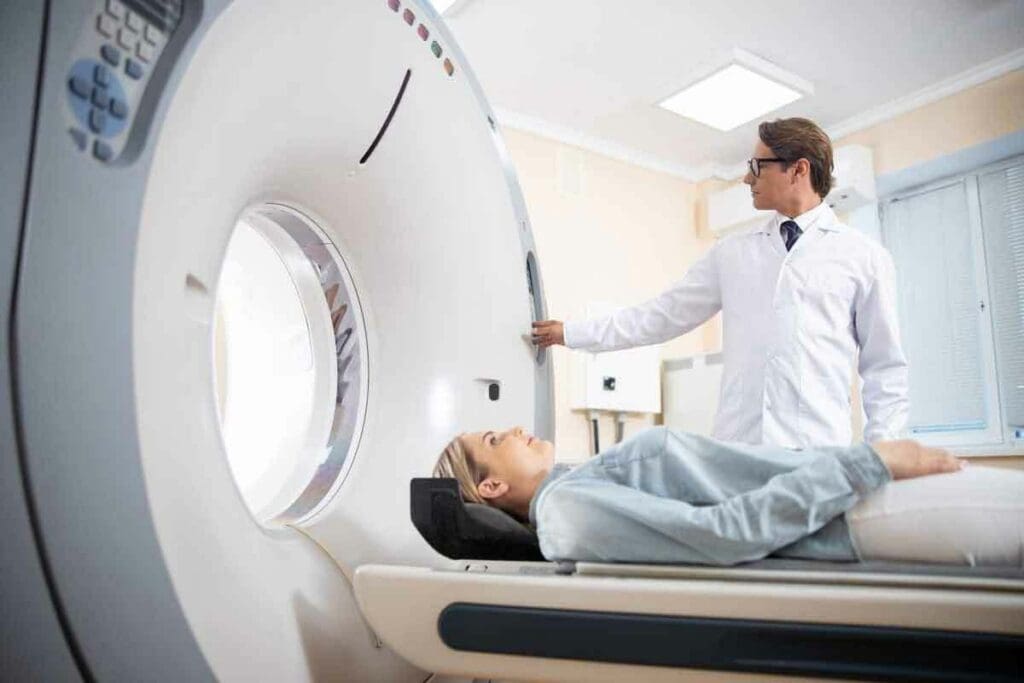
During the PET scan, most people don’t feel much pain. You’ll lie on a table that slides into a big, doughnut-shaped machine. Some might feel a bit claustrophobic, but it’s not painful.
Some might feel anxious about the scanner’s closed space. But you can relax or even get sedated to help.
Managing Discomfort During the Procedure
If you’re worried about feeling uncomfortable during the scan, there are ways to ease your mind:
- Talk to your healthcare provider about your worries.
- Try relaxation techniques like deep breathing or meditation.
- Bring a friend or family member for support.
By knowing what to expect and taking steps to manage discomfort, you can make your PET scan as comfortable as possible.
Managing Claustrophobia During PET Scans
For many, the idea of a PET scan is scary, even more so for those with claustrophobia. The PET scan machine is big and enclosed. It can make some people feel anxious or uncomfortable.
Scanner Environment and Space Limitations
The PET scanner is a high-tech device that takes detailed images of the body. But its design worries those with claustrophobia. It looks like a tunnel that goes around the body part being scanned. Even though it’s open at both ends, it can feel confining.
It’s good to know that the PET scanning team knows how to help those with claustrophobia. They will do their best to make you comfortable during the scan.
Coping Strategies and Techniques
Here are some ways to deal with claustrophobia during a PET scan:
- Breathing Exercises: Deep, slow breaths can calm your mind and body.
- Communication: Tell the PET scanning team about your claustrophobia before the scan. They can then offer more support.
- Relaxation Techniques: Listening to calming music or using guided imagery can lessen anxiety.
- Support Companion: Having a trusted friend or family member there can offer emotional support.
When to Discuss Sedation Options with Your Doctor
If your claustrophobia is severe, talk to your doctor about sedation before the PET scan. Sedation can make you feel more relaxed, reducing anxiety and discomfort.
Your doctor will suggest the best sedation for you, based on your health history and the PET scan’s needs. It’s also key to follow any pre-sedation instructions from your healthcare provider.
Knowing about the scanner and using coping strategies can help those with claustrophobia feel less anxious during a PET scan. If needed, talking to your doctor about sedation can make the experience even more comfortable.
How Long Does a PET Scan Take? Timeline Expectations
Understanding the timeline of a PET scan is key. From start to finish, it takes a lot of time. Knowing what to expect can help manage your expectations.
Duration of the Actual Scanning Process
The actual scan takes about 20 to 30 minutes. You’ll lie on a table that slides into the scanner. It detects signals from the tracer. “The scanning itself is quick,” says a radiologist. “But the whole visit can take longer because of prep and other things.”
Total Time Commitment Including Preparation
The scan itself is short, but the whole visit is about 2 hours. This includes getting ready, changing clothes, and getting the tracer. You also need to account for extra procedures or talks before or after.
Factors That May Extend Scan Duration for Cancer Diagnosis
For cancer scans, the time can be longer. This is because of extra imaging, scan complexity, or needing scans at different times. “Sometimes, patients need more scans or delayed images,” says an oncologist. “This can visit longer.”
In summary, while the scan itself is brief, the whole process takes a lot of time. Being ready and knowing what can affect the time can make things smoother.
The PET Scan Procedure: Step by Step
Learning about the PET scan process can help ease your worries. Knowing what to expect can make your PET-CT scan experience better.
Arrival and Initial Preparation
When you arrive, the medical team will help you get ready. They’ll check you in, confirm your identity, and might ask you to change into a hospital gown. This is to remove any metal objects or items that could affect the scan.
The Tracer Administration Process
Next, you’ll receive the tracer, a radioactive substance, through an arm vein injection. It goes to areas with high activity, like growing cancer cells. After the injection, you’ll wait about an hour for the tracer to spread throughout your body.
The Scanning Room Environment
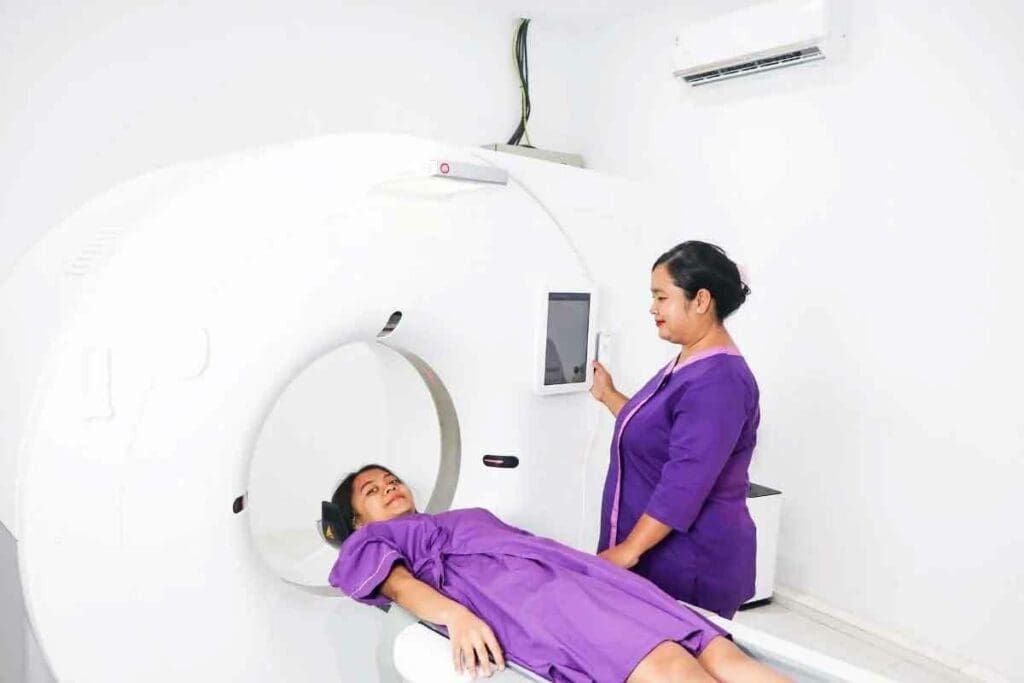
The scanning room is where the PET scan happens. The scanner is a big, ring-shaped machine. You’ll lie on a narrow bed that moves through the scanner. The room is quiet and controlled to help you relax.
What Happens During the Actual Scan
During the scan, you’ll need to stay very quiet and lie perfectly straight. The bed will move through the scanner. The scan is painless and takes about 30 minutes to an hour. The scanner captures the signals from the tracer, making detailed images of your body.
By knowing these steps, you can prepare better for your PET scan. This can help reduce your anxiety and make the process smoother.
After Your PET Scan: What to Expect
After your PET scan, you might wonder how you’ll feel and what to do next. We get it; medical procedures can be scary. We aim to help you feel confident during the post-scan period.
Immediate Physical Sensations
Right after your PET scan, you might feel some physical effects from the tracer. Most people feel okay, but some might feel a bit dizzy or tired. These feelings usually go away quickly.
How Do You Feel After a PET Scan: Common Experiences
Everyone reacts differently after a PET scan. Some people feel fine, while others might notice changes. Drinking lots of water helps get rid of the tracer and lowers radiation exposure.
Common experiences include:
- Feeling tired or lethargic
- Experiencing mild dizziness
- Noticing no significant changes
These feelings are usually mild and short-lived. But, if you’re worried or symptoms last, talk to your doctor.
When to Contact Your Doctor About Post-Scan Symptoms
Most symptoms after a PET scan are minor and go away quickly. But if you have severe reactions or concerns, call your doctor right away.
If you’re worried about milder symptoms or aren’t sure what to do, reach out to your healthcare provider. They can give advice based on your situation and medical history.
Knowing what to expect and following aftercare instructions can help you recover smoothly. This way, you can avoid any discomfort.
PET Scan Aftercare: Best Practices
After your PET scan, following the right aftercare steps is key. It helps you recover well and lessens side effects. We know getting a PET scan is a big deal. So, taking care of yourself afterward is very important.
Hydration Requirements and Recommendations
Drinking lots of water is a must to get rid of the tracer. Drinking at least 8 to 10 glasses of water in 24 hours is recommended. It’s a simple way to remove the radioactive material from your body.
Activity Restrictions Following the Procedure
Most people can go back to their usual activities right after the scan. But there are some things to watch out for. Avoid being close to pregnant women, babies, and young kids for the rest of the day. This is to keep them safe from radiation.
Radiation Safety Considerations
The tracer in PET scans is safe, but it’s good to follow some safety tips. Here’s what we suggest:
- Wash your hands well after using the bathroom.
- Don’t share things like utensils or glasses for the day.
- Flush the toilet twice after you use it to get rid of the tracer.
Returning to Normal Diet and Activities
Unless your doctor tells you not to, you can go back to your usual diet and activities. Eating a balanced diet and staying hydrated will help your body heal. If you’re unsure about going back to normal, always check with your doctor.
By following these aftercare tips, you can recover smoothly and avoid risks. If you notice anything strange or have concerns, contact your healthcare provider right away.
Conclusion: Navigating Your PET Scan Experience with Confidence
Learning about the PET scan process can reduce anxiety. Being ready and informed can greatly improve your experience. This article covered how to prepare, what to expect, and how to manage discomfort or claustrophobia.
To feel confident during your PET scan, know what preparation is needed. This includes following dietary rules and getting enough rest. We also went over the scan process, from the injection to the scan itself, and what happens afterward. Knowing if the scan hurts and understanding the comfort levels can ease your worries.
By following the right steps and staying informed, you can avoid discomfort and have a smooth scan. We hope this guide has helped you prepare for your PET scan. If you have more questions, talk to your healthcare provider.
FAQ
Does a PET scan hurt?
A PET scan is usually not painful. You might feel a bit uncomfortable when the tracer is injected. But the scan itself is painless.
What should I eat before a PET scan?
Before a PET scan, you need to follow certain dietary rules. Some foods and drinks can affect the scan’s results. Your doctor will tell you what to avoid and what’s safe to eat.
Why do I need to rest before a PET scan?
Resting before a PET scan is important. Physical activity can affect how the tracer spreads in your body. This ensures the scan’s accuracy.
How long does a PET scan take?
The scan itself takes about 30 minutes to an hour. But getting ready and the whole process can take longer. The exact time depends on the scan type and the condition being checked.
Can I eat before a PET scan for cancer?
Before a PET scan for cancer, you might need to fast or follow a special diet. This helps get accurate results. Always check with your doctor for specific instructions.
What happens during the PET scan procedure?
During the scan, you’ll get a radioactive tracer injection. Then, you’ll lie on a table that slides into the scanner. The scanner takes images of the tracer in your body.
How do I feel after a PET scan?
After the scan, you might feel tired or have some discomfort at the injection site. These feelings are usually short-lived. You can usually go back to your normal activities soon after.
What is the next step after a PET scan?
After the scan, your doctor will review the results and talk to you about them. Based on the findings, you might need more tests, treatments, or follow-up visits.
How long does it take to get a PET scan?
Getting a PET scan usually happens on the scheduled day. The preparation and scanning process takes a few hours.
Can claustrophobia affect my PET scan experience?
Claustrophobia might make you anxious about the PET scanner’s enclosed space. Talk to your doctor about this before the scan. They can offer strategies or sedation to help you feel more comfortable.
What are the best practices for PET scan aftercare?
After a PET scan, drink plenty of water and avoid hard activities. Follow your doctor’s advice on radiation safety and when to return to your normal diet and activities.
References
- Centers for Disease Control and Prevention. (2022). Radiation Safety: Nuclear Medicine Procedures. https://www.cdc.gov/nceh/radiation/healthcare/nuclearmedicine.htm