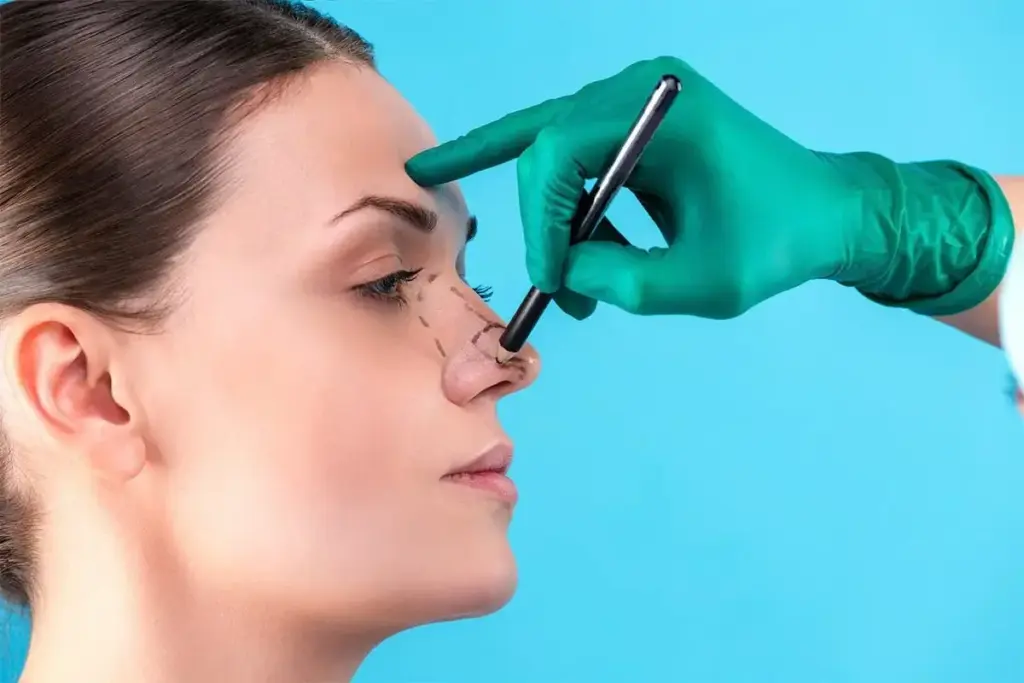
More people are getting cosmetic procedures, making plastic surgery addiction a growing concern. This addiction is when someone keeps getting more surgeries, even if they’re not happy with the results.
True wellness is more than just looking good. It’s about feeling good too. Plastic surgery addiction is when someone keeps getting surgery to change how they look, even if it’s harmful.
At Liv Hospital, we see plastic surgery addiction as a serious issue. It’s when someone is never happy with their body and keeps getting surgery hoping to feel better.
Key Takeaways
- Plastic surgery addiction is a recognized behavioral compulsion.
- It involves undergoing multiple cosmetic procedures despite dissatisfaction.
- This condition is driven by underlying psychological needs.
- True wellness requires addressing both physical and psychological aspects.
- Liv Hospital provides compassionate, patient-centered care.
Defining Plastic Surgery Addiction: A Growing Concern
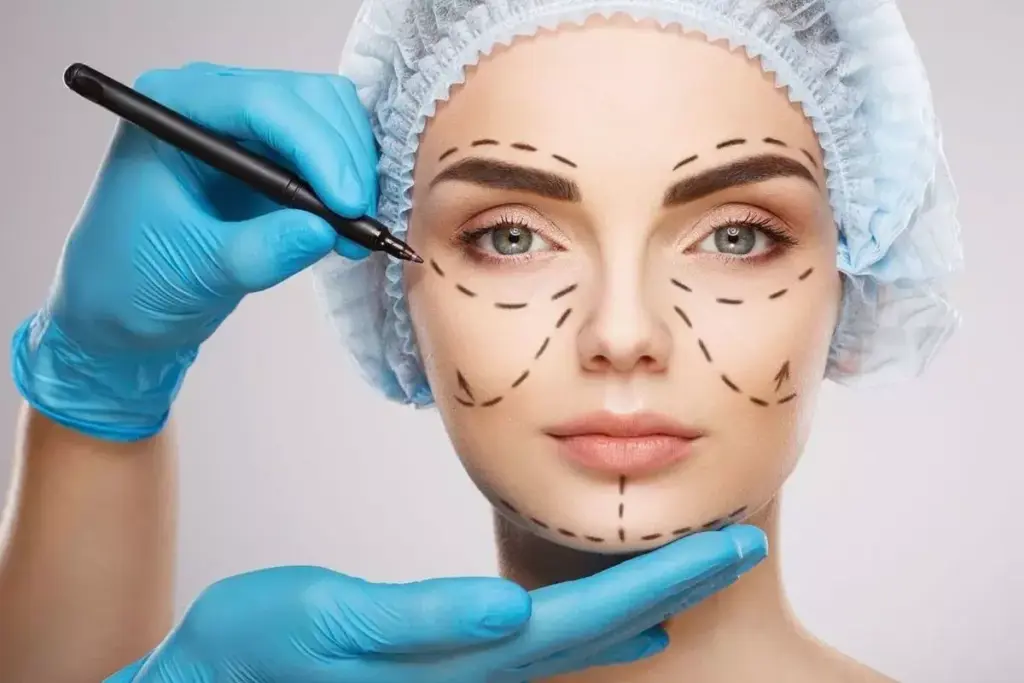
Plastic surgery addiction is becoming more common and needs to be understood better. We must look at what makes someone addicted to cosmetic procedures.
What Constitutes an Addiction to Cosmetic Procedures
An addiction to cosmetic procedures means someone keeps getting surgeries, even when it’s risky. Studies show that people with body dysmorphic disorder (BDD) are 15 times more likely to seek plastic surgery. This shows that mental health issues are a big part of why people become addicted to cosmetic surgeries.
“The difference between wanting to improve oneself and being addicted can be hard to see,” says Dr. [Last Name], a well-known plastic surgeon.
“It’s important for patients to know the signs of addiction, like feeling anxious or depressed without surgery.”
Global Trends and Demographics
The International Society of Aesthetic Plastic Surgeons found a 4% rise in cosmetic surgeries worldwide. About 11 million surgeries happen every year. Women make up 92% of these surgeries, with 33% of them being between 30-39 years old. These numbers show how common cosmetic surgeries are in some groups and why making smart choices is key.
If you’re worried about your own or someone else’s behavior with cosmetic surgeries, there’s help. You can find out more about the signs of being addicted to surgery and how to deal with it.
The Psychology Behind Surgical Obsession
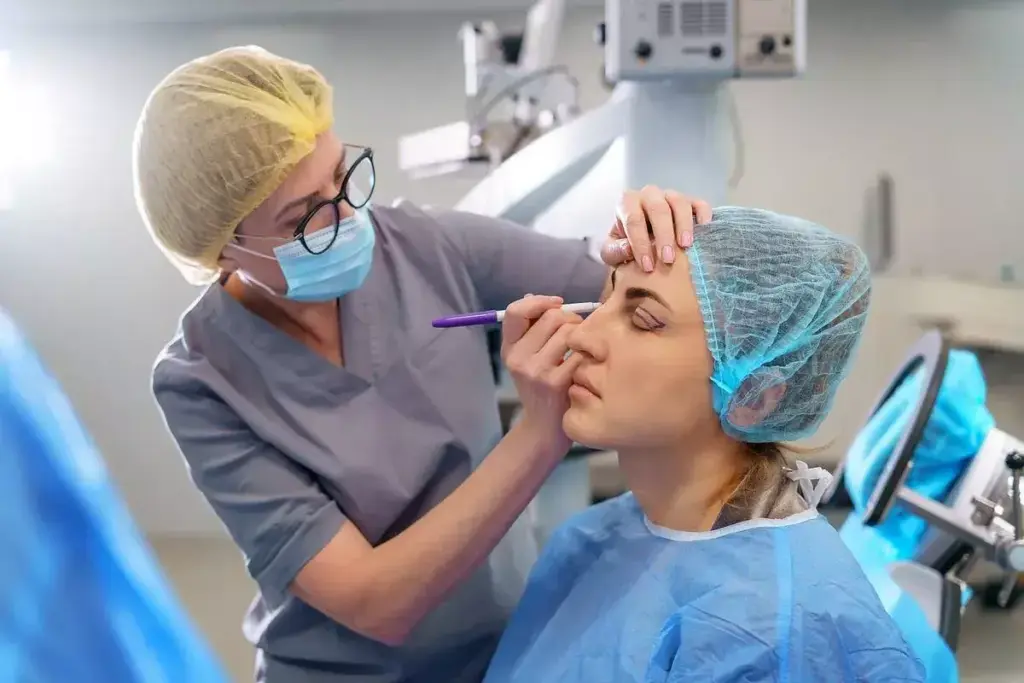
Understanding why some people become obsessed with surgery is key. This obsession can lead to serious risks. The choice to get cosmetic surgery is often driven by deep psychological factors.
Body Dysmorphic Disorder: 15x More Common in Surgery Patients
Body Dysmorphic Disorder (BDD) makes people obsessed with their looks. Studies show BDD is 15 times more common in those who get plastic surgery. People with BDD keep getting surgery hoping to fix their flaws, but it rarely works.
“The relationship between BDD and plastic surgery is complex, with many individuals seeking surgical solutions to their perceived flaws.” This quote shows how deeply connected BDD and plastic surgery are.
The Cycle of Dissatisfaction and Pursuit of Perfection
People who become plastic surgery addicts often feel unhappy no matter how many surgeries they have. This dissatisfaction leads them to want more surgery. This cycle is caused by:
- Unrealistic hopes about what surgery can do
- The endless search for an unattainable beauty ideal
- Deep psychological issues that surgery can’t fix
Recognizing Warning Signs of Addiction
It’s important to spot the signs of cosmetic addiction early. Some warning signs include:
- Always wanting more surgery right after the first one
- Being unhappy with past surgeries and wanting to fix them again
- Being so focused on looks that it affects daily life
Knowing these signs helps healthcare professionals and individuals prevent the dangers of too much plastic surgery.
Why Is Plastic Surgery Unhealthy When Taken to Extremes?
Plastic surgery is often sought for beauty reasons but can be risky when done too much. As people get more surgeries, the risks add up. This can lead to serious health problems.
Immediate Physical Complications from Repeated Procedures
Getting multiple plastic surgeries can cause immediate health issues. These include infections, excessive scarring, nerve damage, and blood clots. The more surgeries you have, the higher the risk.
Anesthesia complications are also a big risk. Heart problems can happen, even in people with no heart issues. It’s key to tell your surgeon about your health history to lower these risks.
Long-term Health Consequences
The long-term effects of plastic surgery addiction can be serious. Repeated use of anesthesia can harm your brain and nervous system. Also, always wanting to change how you look can lead to mental health issues like depression and anxiety.
Studies show that having more than three surgeries can lead to these long-term problems. It’s important for both patients and doctors to spot addiction to cosmetic surgery early and act fast.
Plastic surgery addiction affects not just the individual but society too. It can lead to unhealthy beauty standards and a big financial burden. Understanding these risks helps us find ways to reduce the harm caused by plastic surgery addiction.
Conclusion: Finding Balance Between Aesthetic Desires and Health
We’ve looked into plastic surgery addiction, a big issue worldwide. It’s important to understand why people might become obsessed with surgery. We also need to know the signs of addiction.
Helping those addicted to plastic surgery requires a team effort. It involves mental health care and controlling the urge for more surgeries. We offer top-notch healthcare and support for patients from around the world. This shows we value a balanced approach that focuses on overall health.
If you think you might be addicted to surgery, getting help is key. Professional help can reduce the dangers of too many surgeries. It also helps tackle the underlying issues that might be causing your addiction.
Striking a balance between wanting to look good and staying healthy is vital. This balance helps ensure people get the right care to beat plastic surgery addiction.
FAQ
What is plastic surgery addiction?
Plastic surgery addiction is when someone keeps getting cosmetic surgeries, even if they don’t work out. It’s often because of deep-seated psychological issues like Body Dysmorphic Disorder (BDD).
How common is Body Dysmorphic Disorder among plastic surgery patients?
BDD is much more common in people getting cosmetic surgeries. Studies show it’s about 15 times more common than in the general public.
What are the risks associated with excessive plastic surgery?
Too much plastic surgery can cause immediate problems like infections and scarring. It can also lead to long-term health issues that affect your overall well-being.
Can plastic surgery addiction be treated?
Yes, plastic surgery addiction can be treated. It involves a mix of psychological support, counseling, and sometimes medical help to tackle the underlying issues.
How can one recognize the warning signs of plastic surgery addiction?
Warning signs include always wanting more surgeries, being unhappy with past results, and how it affects your daily life and mental health.
Is plastic surgery bad for mental health?
Plastic surgery can boost self-esteem for some. But for others, it can make mental health problems worse, if it’s driven by unrealistic hopes or an addiction to surgery.
What are the long-term health consequences of repeated cosmetic surgeries?
Long-term effects can include chronic health problems and a higher risk of surgery complications. There can also be long-term psychological effects from being unhappy or having unresolved issues.
How can individuals struggling with plastic surgery addiction find support?
Those struggling can get help from healthcare providers who offer full care. This includes psychological services, support groups, and treatment programs designed for plastic surgery addiction.
References:
National Center for Biotechnology Information. Evidence-Based Medical Guidance. Retrieved from
https://pubmed.ncbi.nlm.nih.gov/15749345/



 Departments
 Related Videos
 Our Doctors
 News
News