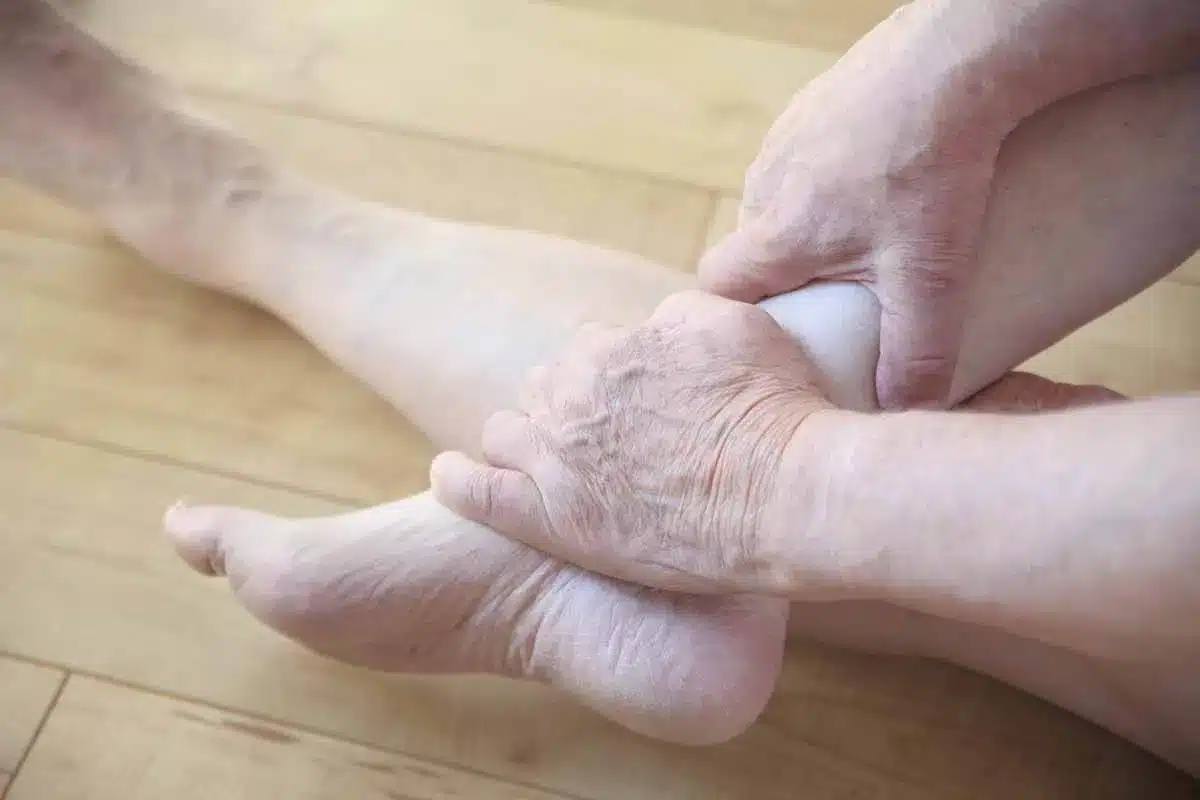
Psoriasis affects millions worldwide, but it’s more than just skin issues. People with psoriasis are at a higher risk for serious health problems. This makes it a condition that needs careful attention.
Is psoriasis dangerous? Learn the crucial facts on the powerful risks and the positive role of sunlight in treating this serious condition today.
Psoriasis can significantly impact a person’s life, causing discomfort, pain, and emotional distress. Studies show that psoriasis risks include a higher chance of heart disease and mental health issues. This highlights the serious dangers of psoriasis.
Key Takeaways
- Psoriasis is associated with various health risks beyond skin symptoms.
- Cardiovascular disease is a significant concern for individuals with psoriasis.
- Mental health issues are more common among people with psoriasis.
- The condition can significantly impact a person’s quality of life.
- Understanding the risks of psoriasis is key for effective management.
Understanding Psoriasis and Its Impact
[PLACE THE IMAGE HERE]
Psoriasis is more than just skin issues; it’s a sign of immune system problems. It affects millions, causing both physical and emotional pain. We’ll dive into what psoriasis is, its symptoms, and types to understand its impact fully.
What is Psoriasis?
Psoriasis is an autoimmune disease where the immune system attacks healthy skin. This leads to fast skin cell growth. As a result, red, scaly patches appear on the skin.
Symptoms of Psoriasis
Psoriasis symptoms differ from person to person. Common signs include:
- Red patches on the skin covered with thick, silvery scales
- Dry, cracked skin that may bleed
- Soreness or itching on the affected skin areas
- Thickened, pitted, or ridged nails
- Swollen and stiff joints
Types of Psoriasis
There are several types of psoriasis, each with its own features:
|
Type of Psoriasis |
Description |
|---|---|
|
Plaque Psoriasis |
The most common form, characterized by raised, red patches covered with a silvery white buildup of dead skin cells. |
|
Guttate Psoriasis |
A type that often starts in childhood or young adulthood, characterized by small, dot-like lesions. |
|
Inverse Psoriasis |
Mainly affects the folds of the skin, such as the armpits, groin, and under the breasts, appearing as smooth, red patches. |
|
Pustular Psoriasis |
A rare form characterized by white blisters surrounded by red skin, often accompanied by fever, chills, and rapid heartbeat. |
Knowing the different types of psoriasis is key to finding the right treatment. Each type has its own challenges and needs a specific care plan.
Is Psoriasis Dangerous?

Psoriasis is more than just a skin issue; it affects overall health deeply. It causes skin lesions but also impacts many other areas of well-being.
Potential Health Risks
Research shows psoriasis can lead to serious health problems. People with psoriasis face a higher risk of cardiovascular disease. This includes heart attacks, strokes, and high blood pressure.
“The connection between psoriasis and heart disease is strong,” says a health expert. “It’s key for those with psoriasis to know this risk.”
Psoriasis also raises the chance of getting diabetes. The ongoing inflammation from psoriasis can lead to insulin resistance, a step towards diabetes. So, managing psoriasis well is key to lowering this risk.
Psychological Impact of Psoriasis
The mental side of psoriasis is just as important as the physical. The visible signs can make people feel embarrassed, lower their self-esteem, and make them want to hide. Many with psoriasis also feel depression and anxiety, which can really hurt their life quality.
“The mental toll of psoriasis can be as tough as its physical symptoms. It’s vital to tackle both to offer full care.”
To deal with the mental side, having support is key. This can include doctors, support groups, and family. Recognizing the mental effects of psoriasis and getting help is important for coping.
In summary, psoriasis is not just a skin issue; it’s a serious health risk. Understanding and tackling these risks is essential for improving life for those with it.
Exploring Treatment Options
We will look at the various treatments for psoriasis management. We focus on the best ways to lessen symptoms and enhance life quality.
Psoriasis treatment varies for each person. It depends on the condition’s severity, the patient’s health, and their lifestyle.
Topical Treatments
Topical treatments are often the first choice for psoriasis. They include creams, ointments, and gels applied to the skin. These help reduce inflammation, slow skin cell growth, and remove scales.
Corticosteroids are a common topical treatment because they fight inflammation. But, using them for a long time can cause side effects. It’s important to use them as directed by a healthcare provider.
Systemic Treatments
For severe psoriasis, systemic treatments are used. These medications are taken orally or injected and work throughout the body. They can be very effective but may have serious side effects, so careful monitoring is needed.
- Biologics target specific parts of the immune system. They reduce inflammation and slow skin cell production.
- Traditional systemic medications, like methotrexate and cyclosporine, have been used for years. They help control symptoms effectively.
Light Therapy
Light therapy, or phototherapy, involves using specific light wavelengths under medical supervision. It slows skin cell growth and reduces inflammation, helping many patients.
UVB phototherapy is a common light therapy for psoriasis. Narrowband UVB is often the most effective for some patients.
Sunlight and Its Effects on Psoriasis
Sunlight can help or harm psoriasis, depending on how much you get. Some people feel better when they’re in the sun. But too much sun can make things worse.
Benefits of Sunlight
Sunlight can make psoriasis symptoms better for a few reasons:
- UV Radiation: Sun’s UV rays slow down skin cell growth. This can reduce scaling and inflammation.
- Vitamin D Production: Sunlight makes your skin produce vitamin D. Vitamin D might help improve psoriasis symptoms.
- Mood Enhancement: Being in the sun can make you feel better and less stressed. Stress can make psoriasis worse.
Risks Associated with Sun Exposure
But sunlight also has risks:
- Skin Cancer Risk: Too much UV radiation can increase your chance of skin cancer.
- Premature Aging: UV rays can cause wrinkles and age spots early.
- Psoriasis Flare-ups: Too much sun can make psoriasis symptoms worse for some people.
To enjoy sunlight safely, use sunscreen with a high SPF. Wear protective clothes and stay out of the sun during its strongest hours.
Benefits of Sunlight for Psoriasis Sufferers
People with psoriasis can get many benefits from sunlight. These include better vitamin D levels and a happier mood. Sunlight is a natural way to help manage psoriasis symptoms and improve overall health.
Vitamin D Production
Sunlight helps psoriasis sufferers by making vitamin D. When skin is in sunlight, it makes vitamin D. This vitamin is key for healthy skin. It helps control how skin cells grow, which can lessen psoriasis symptoms.
Vitamin D is very important for psoriasis. People with psoriasis often have less vitamin D. Taking vitamin D supplements can help some symptoms. Sunlight is a natural way to increase vitamin D levels, making it a big part of treatment.
Key benefits of vitamin D production through sunlight include:
- Regulation of skin cell growth and development
- Potential reduction in psoriasis symptom severity
- Improved overall skin health
Mood Enhancement
Sunlight also helps with mental health. It can reduce stress and anxiety in people with psoriasis. Sunlight makes the body release serotonin, which boosts mood and lowers stress.
For those with psoriasis, sunlight’s benefits are huge. It can help them use less medicine and live better lives.
The mood-enhancing effects of sunlight can lead to:
- Reduced stress and anxiety
- Improved overall mental well-being
- Enhanced resilience to psoriasis-related challenges
Precautions When Using Sunlight for Treatment
Using sunlight to treat psoriasis needs careful thought. It can help some people but too much can cause sunburn and raise skin cancer risks.
Safe Sun Exposure Practices
To safely use sunlight for psoriasis treatment, follow these guidelines:
- Start with short exposure periods and gradually increase time.
- Avoid peak sun hours (usually between 10 am and 4 pm).
- Use protective clothing and apply sunscreen to unaffected areas.
By following these steps, people with psoriasis can minimize the risks associated with sun exposure while benefiting from the treatment.
When to Avoid the Sun
There are times when people with psoriasis should stay out of the sun:
- During peak sun hours.
- When taking photosensitizing medications.
- If they have a history of skin cancer or are at high risk.
Awareness of these factors is key to safely use sunlight as a psoriasis treatment.
|
Practice |
Description |
Benefit |
|---|---|---|
|
Gradual Exposure |
Start with short periods and increase gradually |
Reduces risk of sunburn |
|
Avoid Peak Hours |
Stay out of the sun between 10 am and 4 pm |
Minimizes exposure to strongest UV rays |
|
Protective Measures |
Wear protective clothing and apply sunscreen to unaffected skin |
Prevents damage to healthy skin |
Seeking Professional Advice
Getting help from a dermatologist is the first step in treating psoriasis. Psoriasis is complex and needs a plan that fits each person’s needs.
Consulting a Dermatologist
A dermatologist will look at your medical history, lifestyle, and how severe your psoriasis is. They are key in creating a safe and effective treatment plan for you.
Seeing a dermatologist offers many benefits:
- They can accurately diagnose and assess how severe your psoriasis is.
- You’ll have access to various treatments, like creams, pills, and light therapy.
- They can give you advice on managing symptoms and preventing flare-ups.
Importance of Personalized Treatment Plans
Having a treatment plan made just for you is vital for managing psoriasis. These plans are based on your specific condition, medical history, and lifestyle. This ensures you get the best treatment for you.
Personalized plans offer many advantages:
- They lead to better treatment results because they’re targeted.
- They lower the chance of side effects by managing medications carefully.
- They make patients happier because they get advice and support that fits them.
|
Aspect |
General Treatment Approach |
Personalized Treatment Plan |
|---|---|---|
|
Treatment Strategy |
One-size-fits-all approach |
Tailored to individual needs |
|
Medication Management |
Standard medication protocols |
Careful selection based on patient history and condition |
|
Patient Support |
Limited guidance |
Comprehensive advice and ongoing support |
Alternative Therapies for Psoriasis
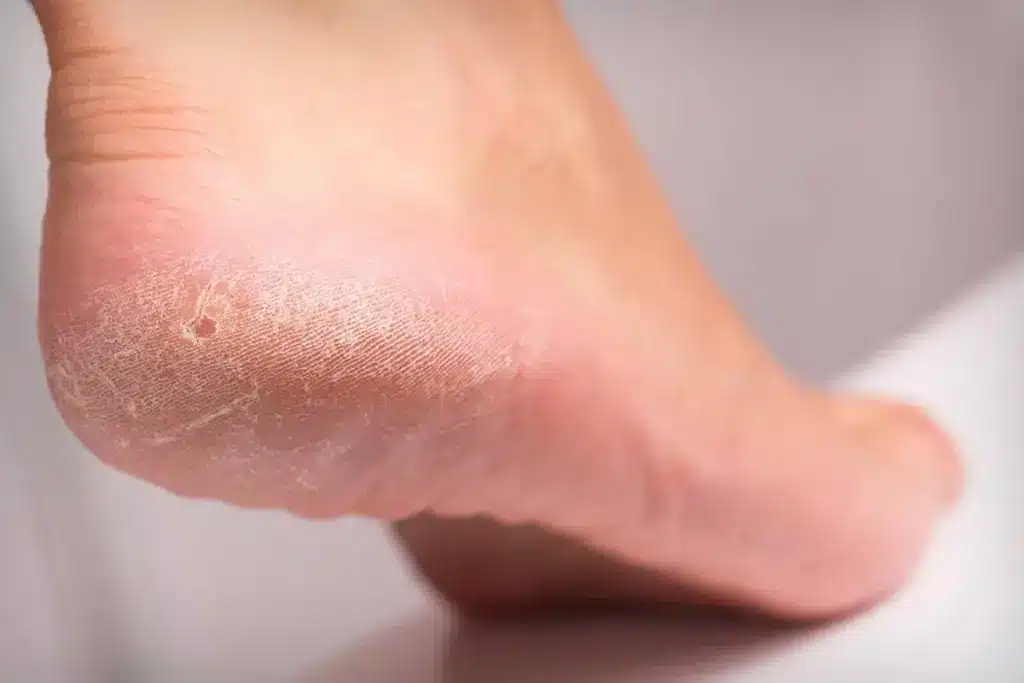
Managing psoriasis needs a mix of treatments. We look at alternative therapies that work with traditional ones. It’s key to know their good points and downsides.
Dietary Changes
Changing what you eat can help with psoriasis. Some foods can make symptoms worse, while others can help. Staying away from trigger foods is important. Foods like gluten, dairy, and sugary, fatty foods can be bad.
But, eating foods that fight inflammation is good. Omega-3s, antioxidants, and fiber are great. Think salmon, leafy greens, and berries. A healthy diet is good for your skin and overall health.
Mind-Body Techniques
Mind-body methods are also helpful for psoriasis. Stress can make symptoms worse. Meditation and mindfulness can lower stress, helping symptoms.
“Mindfulness practices can lead to a reduction in stress, which is beneficial for individuals with psoriasis.”
– A healthcare professional
Yoga and deep breathing can also help. They improve mental health and help manage psoriasis. These practices connect mind and body, helping with chronic conditions.
Living with Psoriasis
Managing psoriasis well means using a mix of skincare, stress control, and support networks. It’s tough, but the right steps can make life better. People can live well with psoriasis.
Managing Daily Life
Every day, psoriasis needs a good skincare plan, avoiding things that make it worse, and following treatment plans. This helps reduce psoriasis’s daily effects and boosts overall health.
Support Networks and Resources
Support groups and expert advice are key for managing psoriasis. They offer the help needed to live well with the condition. We suggest reaching out to these resources to improve life and deal with the emotional side of psoriasis.
With good daily care and support, people can lessen psoriasis’s effects. They can then enjoy a fulfilling life.
FAQ
Is psoriasis a dangerous condition?
Psoriasis is not usually life-threatening. But, it can raise the risk of other health problems. These include heart disease and mental health issues if not managed.
What are the possible health risks linked to psoriasis?
People with psoriasis face higher risks of heart disease, depression, and anxiety. It’s key to get full care to lower these risks.
How does psoriasis affect overall health and well-being?
Psoriasis can greatly impact a person’s life. It causes discomfort, emotional stress, and affects daily tasks. Managing psoriasis well is vital for health and happiness.
What treatment options are available for managing psoriasis?
Treatments for psoriasis include creams, pills, and light therapy. It’s important to talk to a dermatologist to find the right treatment.
Can sunlight help alleviate psoriasis symptoms?
Sunlight can help some people with psoriasis. It boosts vitamin D and mood. But, it’s important to be safe in the sun to avoid making symptoms worse.
How can I safely use sunlight as a treatment for psoriasis?
To safely use sunlight, avoid too much sun, wear protective clothes, and use sunscreen. Always talk to a dermatologist for the best approach.
Are there alternative therapies that can help manage psoriasis?
Yes, things like diet changes and mind-body practices might help. But, always talk to a doctor to make sure they fit with your treatment.
How can I manage psoriasis on a daily basis?
Managing psoriasis daily means using medicine, making lifestyle changes, and managing stress. Finding support and resources can also help a lot.
Why is it essential to consult a dermatologist for psoriasis treatment?
Seeing a dermatologist is key to getting a treatment plan that fits your needs. This ensures you manage your psoriasis well and stay healthy.
What are the possible complications of unmanaged psoriasis?
Untreated psoriasis can lead to serious issues. These include heart disease, arthritis, and mental health problems. Getting professional help is vital to avoid these risks.
References
JAMA Network. Evidence-Based Medical Insight. Retrieved from https://jamanetwork.com/journals/jama/fullarticle/209285