
Medical technology is getting better, and robotic-assisted surgery is becoming more common. This is true for Medicare patients too. The use of robotic surgery has grown a lot, from 0.5% in 2010 to 11.9% in 2018. This is a huge increase.
Many patients wonder if Medicare covers robotic heart surgery. Not all surgeries are covered, but Medicare does cover some when they are needed.
Key Takeaways
- Medicare covers certain robotic heart surgeries deemed medically necessary.
- The adoption of robotic-assisted surgery among Medicare patients has significantly increased.
- Coverage depends on the specific procedure and medical necessity.
- Patients should consult with their healthcare provider to determine coverage.
- Robotic heart surgery offers benefits like reduced recovery time and less invasive procedures.
Understanding Robotic Heart Surgery
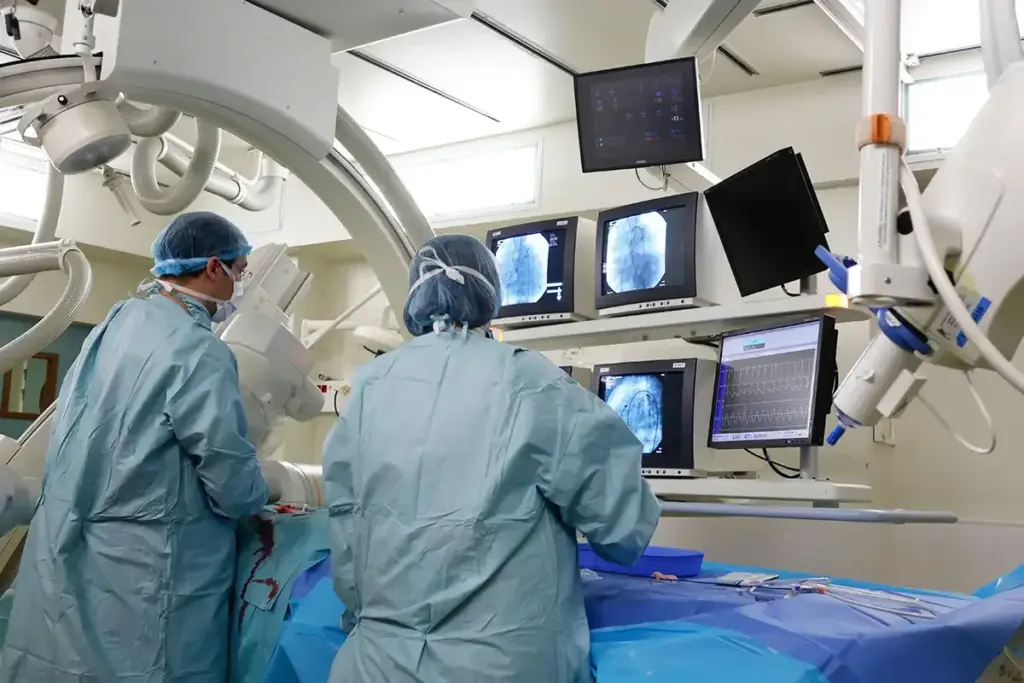
Robotic heart surgery is a big step forward in heart care. It gives patients less invasive treatment options. This method uses a robotic system to help surgeons, making the surgery more precise and cutting down on recovery time.
What is Robotic Heart Surgery?
Robotic heart surgery uses a complex robotic system. It lets surgeons do complex heart procedures through small cuts. The system offers clear 3D images and precise tools, helping surgeons work more accurately.
The surgeon controls the robotic system from a console. They sit at the console and guide the surgery. The console turns the surgeon’s hand movements into exact movements of the tools, making delicate surgeries possible with less invasion.
How Robotic Surgery Differs from Traditional Approaches
Robotic surgery is different from traditional open-heart surgery or minimally invasive surgery. The main differences are:
- Smaller cuts mean less damage and trauma
- Clear 3D images for better visualization
- Robotic tools offer more precision and control
- Less blood loss and fewer transfusions needed
- Patients stay in the hospital less time and recover faster
A study in the Journal of Thoracic and Cardiovascular Surgery found robotic cardiac surgery has fewer complications and shorter hospital stays than traditional methods.
“Robotic cardiac surgery is a game-changer in cardiology, giving patients a safer and less invasive option for complex heart procedures.”
Medical Expert, Cardiothoracic Surgeon
Common Robotic Cardiac Procedures
Several heart procedures are done with robotic help, including:
|
Procedure |
Description |
Benefits |
|---|---|---|
|
Mitral Valve Repair |
Fixes the mitral valve to stop leakage or stenosis |
Less invasive, faster recovery |
|
Coronary Artery Bypass Grafting (CABG) |
Restores blood flow to the heart |
Less risk of complications, less trauma |
|
Atrial Septal Defect (ASD) Closure |
Closes a hole in the heart’s septum |
Less invasive, quicker recovery |
As robotic technology gets better, it will be used more in heart surgery. This will open up new ways to treat heart conditions.
Medicare Coverage Basics for Surgical Procedures

Medicare coverage is key for surgeries like robotic heart surgery. Knowing how Medicare works helps patients get the care they need.
Medicare Parts and Their Coverage
Medicare has several parts for different healthcare needs. Medicare Part A covers hospital stays and some home care. Medicare Part B covers doctor visits and tests.
For surgeries, like robotic heart surgery, both parts are important. Part A covers the hospital stay. Part B covers the doctor’s fees and tests.
General Requirements for Surgical Coverage
To get Medicare for surgery, some rules must be followed. The surgery must be needed, and the provider must be approved by Medicare.
- The patient needs a valid Medicare card and must be enrolled in Part A and/or Part B.
- The surgery must be done by a Medicare-approved doctor or provider.
- The procedure must meet specific medical criteria.
Documentation Requirements for Advanced Procedures
For complex surgeries like robotic heart surgery, more paperwork is needed. This includes medical records, test results, and a full patient assessment.
|
Documentation Type |
Description |
Required For |
|---|---|---|
|
Medical Records |
Detailed patient history and medical condition assessment |
All surgical procedures |
|
Diagnostic Test Results |
Results from tests like echocardiograms or stress tests |
Robotic heart surgery and other advanced procedures |
|
Physician Certification |
Certification by the surgeon or healthcare provider |
All Medicare-covered surgical procedures |
Understanding Medicare basics helps patients get the right care for robotic heart surgery.
Is Robotic Knee Replacement Covered by Medicare?
Whether Medicare covers robotic knee replacement depends on several factors. Medicare’s policies vary for different surgeries, like robotic orthopedic and cardiac surgeries.
Comparison to Heart Surgery Coverage
Medicare’s rules for robotic knee replacement are similar to those for heart surgery. Yet, there are key differences. Both surgeries must meet Medicare’s medical necessity standards. But, the rules for robotic knee replacement might be different from those for heart surgery.
“The main thing Medicare looks at is if the surgery is medically necessary,” says Medical Expert, an orthopedic surgeon. “For robotic knee replacement, the patient’s condition must really need robotic technology.”
Specific Medicare Guidelines for Robotic Orthopedic Procedures
Medicare has clear rules for robotic orthopedic surgeries, like knee replacement. These rules often require the surgery to be done in an approved place and by a skilled surgeon. Medicare might also ask for the patient’s medical history and why the robotic method is needed.
- The patient must have a condition that needs knee replacement surgery.
- The surgical facility must be approved by Medicare.
- The surgeon must be qualified and experienced in robotic knee replacement.
Coverage Differences Between Cardiac and Orthopedic Robotic Procedures
Medicare covers both cardiac and orthopedic robotic surgeries, but the details can vary. For example, cardiac robotic surgeries might need different pre-approval steps than orthopedic ones. It’s important for patients and healthcare providers to know these differences to get Medicare coverage right.
As Medical Expert, a cardiologist, notes, “Cardiac robotic surgeries often need different pre-approval documents than orthopedic ones. It’s key to check with Medicare or your insurance to know the exact needs.”
Medicare Coverage Criteria for Robotic Heart Surgery
It’s important for patients and healthcare providers to know Medicare’s rules for robotic heart surgery. Medicare has set guidelines to make sure patients get the best care.
Medical Necessity Requirements
For Medicare to cover it, robotic heart surgery must be needed. This means it’s required to diagnose or treat a condition. Other treatments won’t work or are not enough.
Medical necessity is decided for each patient. It looks at their health history, current state, and the benefits and risks of the surgery.
Prior Authorization Process
Medicare usually needs approval before robotic heart surgery. This means getting Medicare’s okay before the surgery happens.
- The doctor must ask for approval, showing the patient’s condition and the planned surgery.
- Medicare checks the request to see if the surgery is needed and meets other rules.
Physician Certification Requirements
Medicare also wants to make sure the doctor is qualified for robotic heart surgery. This is about checking if the doctor is experienced and trained.
Doctor certification ensures patients get top-notch care. It means they’re in the hands of skilled professionals.
Medicare Part A Coverage for Robotic Heart Surgery
It’s key to know what Medicare Part A covers for robotic heart surgery. This part of Medicare helps with inpatient hospital stays, skilled nursing, and home health care. It’s important for those thinking about this surgery to understand this.
Inpatient Hospital Coverage
Medicare Part A pays for inpatient hospital stays. This includes the costs of robotic heart surgery done in the hospital. It’s important to know that there are conditions and limits to this coverage.
Here’s what inpatient hospital coverage includes:
- Hospital room and board
- Nursing care and services
- Diagnostic tests and procedures
- Medications given during the hospital stay
Skilled Nursing Facility Coverage
After surgery, some might need care in a skilled nursing facility (SNF). Medicare Part A covers SNF care under specific conditions. This includes being in the hospital for at least three days and then going to the SNF soon after.
SNF coverage is limited to 100 days per benefit period. The first 20 days are fully covered by Medicare Part A. For days 21-100, patients pay a daily coinsurance.
Home Health Care After Robotic Heart Surgery
Home health care is vital for recovery after robotic heart surgery. Medicare Part A covers it if the patient is homebound and needs skilled care. This can include nursing or physical therapy.
Home health care coverage includes:
- Intermittent skilled nursing care
- Physical, occupational, and speech therapy
- Medical social services
Knowing what Medicare Part A covers for robotic heart surgery helps patients plan their care and costs. It’s wise to talk to healthcare providers and Medicare reps for a clear understanding of coverage and any costs you might face.
Medicare Part B Coverage for Robotic Heart Surgery
It’s important for patients to know about Medicare Part B coverage for robotic heart surgery. Medicare Part B helps pay for a big part of the costs of this advanced surgery.
Surgeon and Physician Fees
Medicare Part B covers surgeon and physician fees for robotic heart surgery. This includes the costs for the main surgeon, assistant surgeons, and other doctors. Patients pay the Medicare-approved amount, plus any deductibles and copayments.
Outpatient Procedure Coverage
When robotic heart surgery is done as an outpatient, Medicare Part B covers the costs. This includes the fees for the outpatient department and any outpatient services needed for the surgery. Make sure the facility is Medicare-approved for coverage.
Durable Medical Equipment Related to Recovery
Medicare Part B also covers durable medical equipment (DME) for recovery after surgery. This might include walkers, wheelchairs, or other necessary items. Patients need a prescription from their doctor and must use a Medicare-enrolled supplier.
Patients should understand their Medicare Part B coverage well to reduce costs for robotic heart surgery. Knowing what’s covered helps patients make better choices about their care.
Medicare Advantage (Part C) and Robotic Heart Surgery
<SEP-9399_image_9>
Medicare Advantage plans cover robotic heart surgery differently than Original Medicare. These plans are from private companies approved by Medicare. They must cover Part A and Part B services but can vary in extra benefits, copays, and deductibles.
Coverage Differences from Original Medicare
Medicare Advantage plans have different out-of-pocket costs for robotic heart surgery. They often have a maximum out-of-pocket limit. This can help protect patients financially during expensive surgeries.
Also, Medicare Advantage plans may offer extra benefits not in Original Medicare. These can include:
- Dental, vision, and hearing coverage
- Wellness programs
- Transportation services
- Prescription drug coverage (in most plans)
Additional Benefits Some Advantage Plans May Offer
Some Medicare Advantage plans offer extra benefits for robotic heart surgery recovery. These can include:
- Rehabilitation services
- Home health care
- Nurse hotline services
It’s key for patients to check the benefits of each Medicare Advantage plan. This helps understand what’s covered and what’s not.
Comparing Plans for Robotic Surgery Coverage
When comparing Medicare Advantage plans for robotic heart surgery, consider several factors:
- The plan’s network of providers and hospitals
- Coverage for robotic surgery and related services
- Out-of-pocket costs, including copays and deductibles
- Additional benefits that may aid in recovery
Using Medicare’s Plan Finder tool can help compare plans. This makes choosing the right plan easier.
By looking at these factors, patients can pick a Medicare Advantage plan. This plan should meet their needs for robotic heart surgery and overall health.
Cost Analysis: Patient Expenses for Robotic Heart Surgery
The cost of robotic heart surgery under Medicare includes several factors. Patients need to consider these when planning for their surgery. Medicare does cover this advanced procedure, but patients face other expenses.
Medicare Deductibles and Copayments
Medicare deductibles and copayments affect how much patients pay out of pocket. For Medicare Part A, the deductible is $1,632 per benefit period in 2023. Patients might also pay copayments for skilled nursing care after surgery.
Medicare Part B covers outpatient services like doctor fees. The deductible for Part B is $226 annually. After that, patients pay 20% of the approved amount for services.
Supplemental Insurance Considerations
Supplemental insurance, like Medigap policies, can help with costs. These include deductibles, copayments, and coinsurance. Patients should check their Medigap policy to see what’s covered.
Some Medicare Advantage plans offer extra benefits for robotic heart surgery costs. It’s important to compare plans during the annual enrollment period. This helps find the best plan for each patient’s needs.
Potential Out-of-Pocket Expenses
Patients should prepare for expenses not covered by Medicare or supplemental insurance. These can include:
- Travel and lodging for surgery and follow-up care
- Post-surgery care and rehabilitation not covered by Medicare
- Any non-medical expenses during recovery
Knowing these possible expenses helps patients plan financially for robotic heart surgery.
|
Expense Category |
Medicare Coverage |
Potential Out-of-Pocket Cost |
|---|---|---|
|
Inpatient Hospital Stay |
Medicare Part A |
$0 – $1,632 deductible |
|
Physician Fees |
Medicare Part B |
20% of Medicare-approved amount |
|
Skilled Nursing Facility |
Medicare Part A |
$0 – $0 copay (first 20 days) |
Understanding the costs of robotic heart surgery helps Medicare beneficiaries. They can better manage their financial obligations and make informed care decisions.
The Growth of Robotic Surgery in Medicare Patient Population
Robotic surgery has become more common among Medicare patients over the last ten years. This is because it offers many benefits. These include shorter recovery times, less pain after surgery, and more precise procedures.
Statistical Trends from 2010-2018
Studies show that robotic surgery use among Medicare patients jumped from 0.5% in 2010 to 11.9% in 2018. This is a big increase in robotic surgery use among this group.
This growth shows a big move towards more advanced and less invasive surgeries. This trend is likely to keep growing as technology gets better and more surgeons learn robotic surgery.
Factors Driving Increased Adoption
Several things have led to more Medicare patients choosing robotic surgery. Technological advancements have made it possible to do more complex surgeries robotically. Also, the benefits of robotic surgery, like shorter hospital stays and fewer complications, are appealing to patients and doctors.
Patient demand has also played a big role. Many Medicare patients want robotic surgery because it’s less invasive and they recover faster. Also, as more hospitals start using robotic surgery, more people can get these procedures.
Future Projections for Robotic Surgery Utilization
In the future, robotic surgery use among Medicare patients is expected to keep growing. As the technology spreads and surgeons get more experience, robotic surgery will become even more common in treating Medicare patients.
Experts predict that the trend towards robotic surgery will keep going. This will be because of better technology, more skilled surgeons, and more people having access to robotic surgery. So, robotic surgery will play a bigger role in treating Medicare patients.
Benefits and Limitations of Robotic Heart Surgery
Robotic heart surgery is a big step forward in heart care. It brings many benefits and some challenges that patients need to know. This method is seen as a way to better outcomes and faster recovery times.
Clinical Advantages: Hospital Stays and Complication Rates
Robotic heart surgery is known for cutting down hospital stays and lowering complication rates. Research shows it causes less trauma and stress. This leads to quicker healing times for patients.
The benefits of robotic heart surgery include:
- Smaller incisions mean less risk of infection
- Less pain after surgery
- Shorter time in the hospital
- Fewer complications
A study compared traditional and robotic heart surgery. It found big differences in patient results. Here are some key findings:
|
Outcome Measure |
Traditional Heart Surgery |
Robotic Heart Surgery |
|---|---|---|
|
Average Hospital Stay |
7-10 days |
3-5 days |
|
Complication Rate |
10-15% |
5-8% |
|
Recovery Time |
6-8 weeks |
4-6 weeks |
Cost-Effectiveness Considerations
Robotic heart surgery has many benefits, but its cost is a point of discussion. The high cost of the technology and instruments is a big upfront expense.
But, the shorter hospital stays and fewer complications can save money in the long run. Looking at both short-term and long-term costs is key to understanding its value.
What affects the cost-effectiveness of robotic heart surgery includes:
- The cost of buying and maintaining robotic systems
- Expenses for disposable instruments per surgery
- Potential savings from shorter hospital stays and fewer complications
In summary, robotic heart surgery offers many benefits like shorter hospital stays and fewer complications. But, its cost-effectiveness depends on several factors. A thorough look at these factors is needed to fully grasp its value.
Challenges in Medicare Reimbursement for Robotic Surgery
Medicare faces big challenges when it comes to paying for robotic surgery. This is because the tech is very expensive. It’s important for healthcare providers and patients to understand these issues.
Cost Differentials Between Traditional and Robotic Approaches
The main problem is the big difference in cost between robotic and traditional surgery. Robotic surgery needs a lot of money for the equipment, upkeep, and training for doctors.
|
Cost Component |
Traditional Surgery |
Robotic Surgery |
|---|---|---|
|
Initial Equipment Cost |
$0 – $50,000 |
$1.5 million – $2.5 million |
|
Maintenance and Upgrades |
Minimal |
$100,000 – $200,000 annually |
|
Surgeon Training |
Standard training programs |
Specialized training required |
The high costs of robotic surgery make it hard for Medicare to pay for it. Medicare usually pays less than what robotic surgery costs.
Hospital Adoption Challenges
Hospitals also face challenges when adopting robotic surgery. They have to think about the costs and how to get paid by Medicare. It’s a tough decision.
Key challenges include: high initial investment, maintenance costs, need for specialized training, and uncertain reimbursement rates.
To solve these problems, hospitals and healthcare providers need to work with Medicare. They should find better ways to pay for robotic surgery that match its true value.
Navigating the Medicare System for Robotic Heart Surgery Approval
Understanding the Medicare approval process is key for robotic heart surgery patients. It involves knowing each step, from the first consultation to getting approval.
Working with Your Cardiologist and Surgeon
Patients need to work closely with their cardiologist and surgeon. They help guide you through the Medicare system and provide needed documents.
“A well-coordinated effort between the patient, cardiologist, and surgeon is essential for successful Medicare approval.” This teamwork is important for preparing medical documents and proving the surgery is needed.
- Discussing treatment options with your healthcare provider
- Understanding the medical necessity of robotic heart surgery
- Gathering required documentation for Medicare submission
Appeals Process for Denied Coverage
If Medicare says no to robotic heart surgery, you can appeal. Knowing the appeals process is key if you think the surgery is needed.
The appeals process has several steps:
- Redetermination by the Medicare Administrative Contractor (MAC)
- Reconsideration by an Independent Review Entity (IRE)
- Hearing with an Administrative Law Judge (ALJ)
“It’s essential to be persistent and thorough when navigating the appeals process.” Working with your healthcare team is vital. They help gather more info and build a strong appeal case.
By understanding the Medicare approval process and teaming up with healthcare providers, patients can boost their chances of getting robotic heart surgery approved.
Conclusion: The Future of Medicare Coverage for Robotic Surgery
Robotic surgery is getting better, and so will Medicare’s coverage for it. It looks like Medicare will start covering more robotic surgeries soon. This is because new tech and research are showing its benefits.
Medicare might start covering more robotic surgeries. This is because there’s more proof it works well. Also, new tech is making it even better for patients.
As robotic surgery becomes more common, Medicare’s rules might change. This could mean clearer guidelines and more coverage for patients. It’s a positive move for those needing surgery.
FAQ
Does Medicare cover robotic heart surgery?
Yes, Medicare covers robotic heart surgery if it’s needed and done by a qualified doctor. But, it must follow certain rules and guidelines.
What is robotic heart surgery?
Robotic heart surgery is a new way to do heart operations. It uses a robot to help doctors do complex surgeries with more precision and control.
How does Medicare coverage for robotic knee replacement compare to heart surgery?
Medicare rules for robotic knee and heart surgery are similar. But, each surgery has its own specific rules because of its unique nature.
What are the medical necessity requirements for Medicare to cover robotic heart surgery?
Medicare needs a doctor’s okay to cover robotic heart surgery. This is based on the patient’s health and if the surgery will help.
Does Medicare Part A cover inpatient hospital stays for robotic heart surgery?
Yes, Medicare Part A pays for hospital stays for robotic heart surgery. But, you’ll need to pay a deductible and copayment.
How does Medicare Part B cover surgeon and physician fees for robotic heart surgery?
Medicare Part B pays for doctor fees for robotic heart surgery. You’ll need to pay a deductible and copayment, but only if the doctor is qualified.
Can Medicare Advantage plans offer additional benefits for robotic heart surgery?
Yes, some Medicare Advantage plans might offer more benefits or better coverage for robotic heart surgery than Original Medicare.
What are the possible out-of-pocket costs for patients having robotic heart surgery under Medicare?
Patients might have to pay for deductibles, copayments, and coinsurance for robotic heart surgery under Medicare. This depends on their insurance and any extra coverage they have.
Are there any statistical trends showing the growth of robotic surgery among Medicare patients?
Yes, more Medicare patients are choosing robotic surgery. This is because of new technology and more doctors using it.
What are the clinical advantages of robotic heart surgery?
Robotic heart surgery has many benefits. It means shorter hospital stays, fewer complications, and less harm to the patient than traditional surgery.
How can patients navigate the Medicare system to secure approval for robotic heart surgery?
Patients should talk to their doctors to make sure they meet all the requirements. They should also know how to appeal if Medicare says no.
Is robotic knee replacement covered by Medicare?
Yes, Medicare covers robotic knee replacement if it’s medically necessary. It follows specific rules and requirements.
Does Medicare cover laparoscopic surgery?
Yes, Medicare covers laparoscopic surgery if it’s medically necessary. It follows specific rules and requirements.
What is the prior authorization process for robotic heart surgery under Medicare?
The prior authorization process is to get Medicare’s okay before robotic heart surgery. It makes sure the surgery is needed and follows Medicare’s rules.
References
National Center for Biotechnology Information. Evidence-Based Medical Insight. Retrieved from https://pubmed.ncbi.nlm.nih.nih.gov/37015245/[web:3-related