


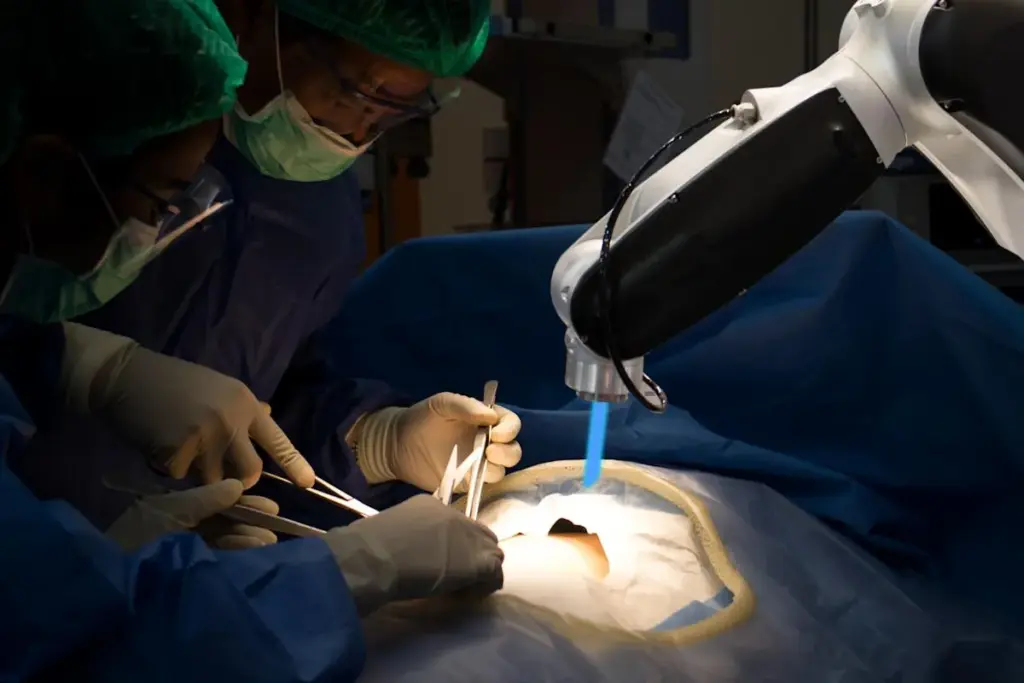
At Liv Hospital, we offer top-notch healthcare and full support for our patients. Choosing a surgical path is a big decision. You might ask, is robotic knee surgery better than traditional methods?
We give empathetic guidance and expert advice. Our team uses advanced tools to change orthopedic care. Understanding the benefits and limits of modern tech helps you make a smart choice.
We compare different surgery styles to help you choose the best one. This guide looks at the pros and cons of each method. We want you to feel prepared for your recovery journey.
Manual replacement is a strong option for many. We focus on your long-term comfort at every stage. Your health and safety are our top priorities.
Key Takeaways
- Enhanced surgical precision through computer mapping.
- Highly personalized plans based on individual anatomy.
- Potential for less trauma to nearby soft tissues.
- Standard methods often come with lower initial costs.
- Success depends on the expertise the surgeon provides.
- Modern tools aim to improve long-term joint function.
Understanding Robotic Knee Surgery
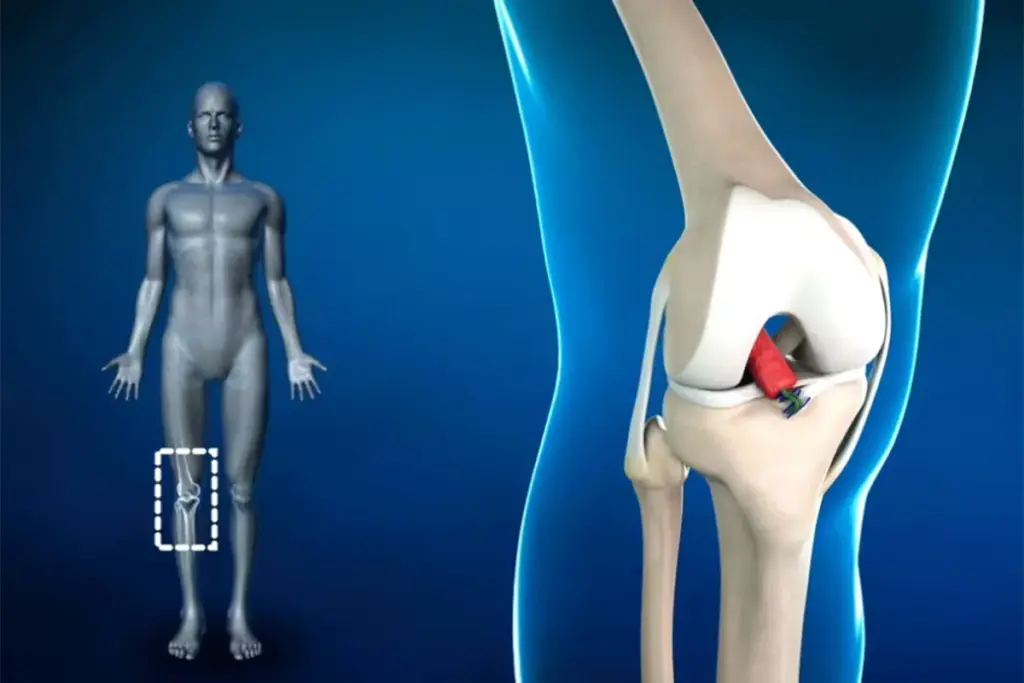
Robotic knee surgery is a big step forward in orthopedic care. It brings better precision and accuracy. This tech is helping to improve patient results and cut down on recovery times.
What Is Robotic-Assisted Knee Replacement?
Robotic-assisted knee replacement is a surgery that uses robots to help doctors. This tech offers a high level of precision in preparing bones and placing implants. This is key for a successful surgery.
The Mako system is a leading robotic tech for knee surgeries. It helps surgeons work with more accuracy. It uses 3D images and real-time feedback.
How the Technology Works During Surgery
In robotic-assisted knee surgery, the Mako system combines planning and feedback. The system makes a 3D model of the knee for precise implant planning.
The robotic arm helps the surgeon follow the plan with high accuracy. It makes adjustments as needed, based on real-time data.
| Feature | Robotic-Assisted Knee Replacement | Traditional Knee Replacement |
| Precision | High precision due to robotic assistance | Dependent on surgeon’s skill and experience |
| Implant Placement | Accurate placement using 3D imaging | Relying on surgeon’s expertise |
| Tissue Damage | Minimal tissue damage due to precise cuts | Potential for more tissue damage |
Key Differences from Traditional Knee Replacement
The main difference is in precision and technology. Robotic-assisted surgery offers enhanced accuracy in implant placement and bone preparation. This can lead to better results for patients.
Traditional knee replacement depends on the surgeon’s skill. Robotic-assisted surgery uses advanced tech to support the surgeon’s work.
Advantages of Robotic Knee Replacement
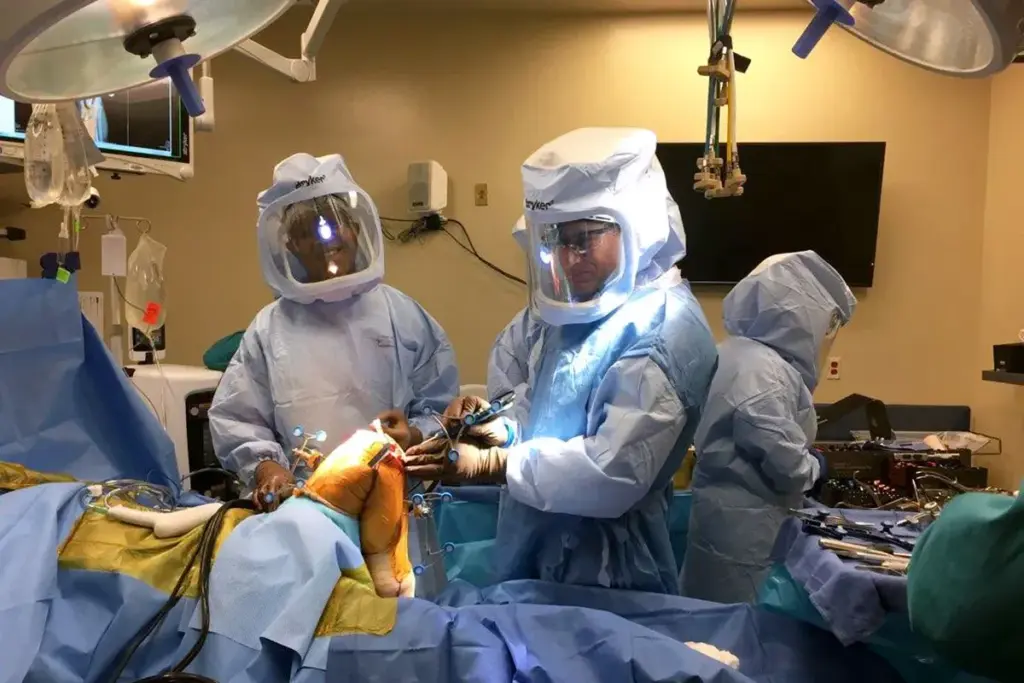
Robotic knee replacement offers many benefits. It makes surgery more precise and less invasive. This technology has greatly improved orthopedic surgery, giving patients advantages not seen with traditional methods.
Superior Precision and Accuracy
Systems like Mako robotic-arm assisted surgery bring superior precision and accuracy to the table. They allow for detailed planning before surgery and real-time feedback during it. This ensures the implant is placed exactly as planned.
Robotic-assisted surgery enhances the surgeon’s skills. It uses advanced imaging and technology for precision hard to achieve with traditional methods. This precision is key for the implant’s long-term success.
Better Implant Positioning and Alignment
Robotic systems ensure better implant positioning and alignment. Proper alignment is vital for the implant’s function and patient satisfaction. Misalignment can cause wear, pain, and reduced mobility.
Robotic technology helps surgeons plan and execute surgery based on detailed 3D models of the knee. This approach considers each patient’s unique anatomy.
Reduced Tissue Damage and Faster Recovery
Robotic knee replacement causes reduced tissue damage due to its minimally invasive nature. This results in faster recovery times and less pain post-surgery.
Patients often recover quicker and spend less time in the hospital than those with traditional surgery. This is thanks to the reduced damage and precise technique.
Disadvantages of Robotic Knee Replacement
Robotic knee replacement has its downsides. It comes with higher costs and longer surgery times. The cost of robotic systems and surgeon training adds up.
There’s also a chance of technical issues during surgery, though rare. It’s important for patients to talk to their healthcare provider about these risks.
Conclusion
Choosing between robotic knee replacement and traditional surgery is a big decision. Robotic-assisted surgery is precise and tailored to you. But, it costs more and takes longer.
We’ve looked at the good and bad sides of robotic knee surgery. It’s known for its accuracy, better placement of implants, and less damage to tissues.
If you’re wondering is robotic knee surgery better for you, talk to your healthcare team. They can decide what’s best for you. Joint replacement robotic surgery has its perks, but it’s important to weigh the advantages and disadvantages of robotic surgery with your doctor.
In the end, choosing robotic surgery depends on knowing its pros and cons. By looking at your options and talking to medical experts, you can make a choice that fits your needs and preferences.
FAQ
What Is Robotic-Assisted Knee Replacement?
Robotic-assisted knee replacement is a procedure where surgeons use advanced robotic systems to improve accuracy when replacing a damaged knee joint.
How the Technology Works During Surgery
The surgeon uses a computer-guided robotic arm with real-time imaging to plan and precisely perform bone cuts and implant placement.
Key Differences from Traditional Knee Replacement
It differs by using robotic guidance and 3D planning instead of relying solely on manual techniques.
Superior Precision and Accuracy
Robotic systems enhance precision by allowing highly controlled and exact movements during surgery.
Better Implant Positioning and Alignment
The technology helps place the implant more accurately, improving joint alignment and function.
Reduced Tissue Damage and Faster Recovery
Smaller, more precise cuts lead to less tissue damage and often quicker recovery times.
Disadvantages of Robotic Knee Replacement
It may involve higher costs, longer setup time, and limited availability depending on the facility.
National Center for Biotechnology Information. Evidence-Based Medical Insight. Retrieved from https://pmc.ncbi.nlm.nih.gov/articles/PMC12670295/


 Departments
 Related Videos
 Our Doctors
 News
News


