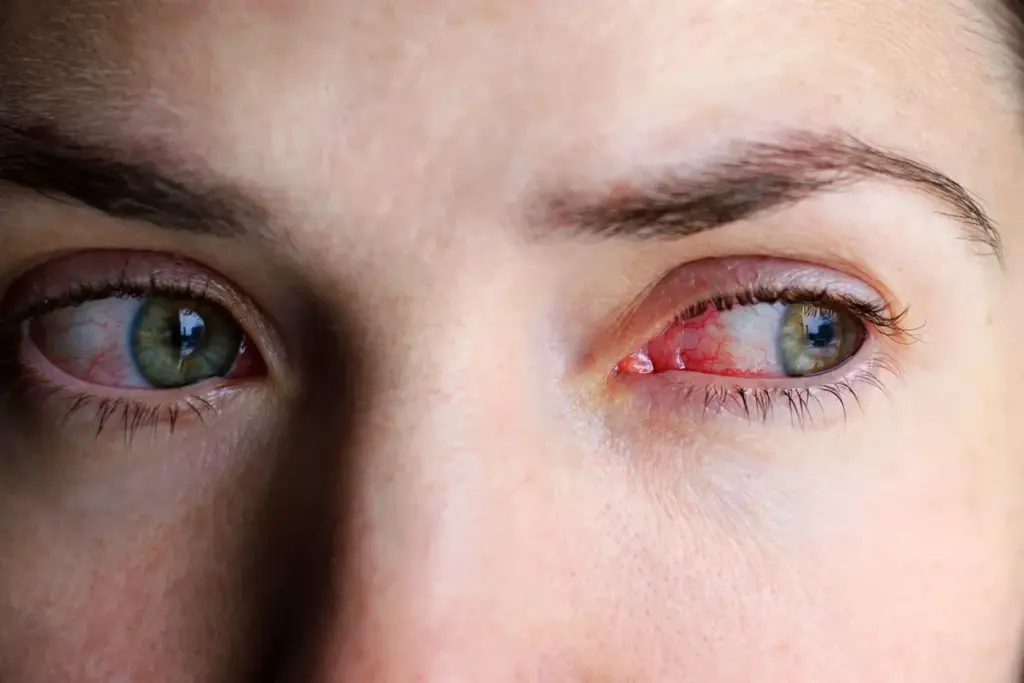
Shingles, also known as herpes zoster, is a viral infection. It’s caused by the varicella-zoster virus, the same one that causes chickenpox. When this virus comes back to life, it can cause shingles. If it hits the eye, it’s called herpes zoster ophthalmicus (HZO).
About 1 million people in the United States get shingles every year. Up to 25 percent of these cases affect the eye area.
It’s important to know if eye shingles is contagious. Knowing when to get help is key to keeping your eyes safe. We’ll look into the symptoms, how contagious it is, and how to treat HZO. This will help you take care of your eye health.
Key Takeaways
- Shingles is caused by the varicella-zoster virus, the same virus that causes chickenpox.
- Herpes zoster ophthalmicus (HZO) occurs when shingles affects the eye.
- Approximately 1 million cases of shingles occur annually in the United States.
- Up to 25 percent of shingles cases involve the eye area.
- Understanding the contagiousness of eye shingles is key to protecting your sight.
Understanding Shingles in the Eye (Herpes Zoster Ophthalmicus)
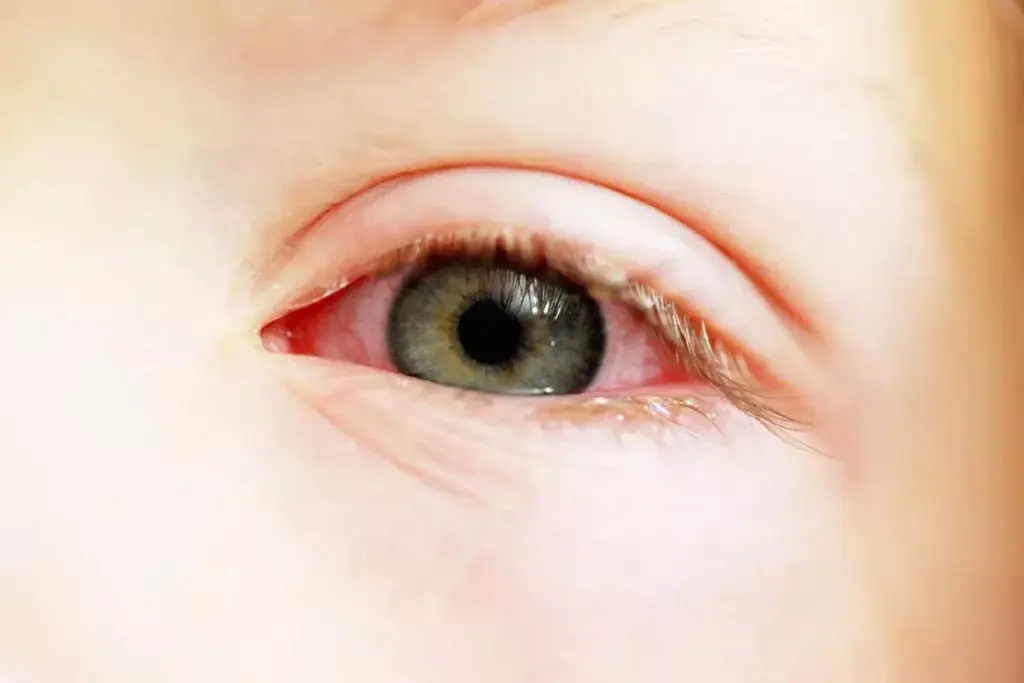
When the varicella-zoster virus, the same virus that causes chickenpox, reactivates, it can cause shingles, including in the eye area. Shingles, also known as herpes zoster, is a viral infection that affects millions of people worldwide. Understanding the causes and effects of shingles in the eye is key for timely medical intervention and effective treatment.
What Causes Shingles and Its Relationship to Chickenpox
Shingles is caused by the reactivation of the varicella-zoster virus, which initially causes chickenpox. After a person recovers from chickenpox, the virus stays dormant in the body. It can reactivate years later, leading to shingles. This reactivation is more common among older adults or individuals with weakened immune systems. The virus remains dormant in the nerve cells and can travel down the nerve fibers to cause shingles.
Medical professionals say, “The varicella-zoster virus is a highly contagious virus that causes chickenpox in children and shingles in adults.”
How Shingles Affects the Eye Area
Herpes zoster ophthalmicus occurs when the varicella-zoster virus reactivates in the nerves around the eye. This condition can lead to severe complications, including vision loss, if left untreated or not treated promptly. Symptoms of shingles in the eye include pain, redness, and swelling around the eye, as well as sensitivity to light. It is essential to seek medical attention immediately if these symptoms occur.
We know that shingles in the eye can be distressing. Prompt treatment is vital to prevent long-term damage. By recognizing the causes and symptoms of herpes zoster ophthalmicus, individuals can seek appropriate medical care and reduce the risk of complications.
Pink Eye and Shingles: Contagiousness and Transmission
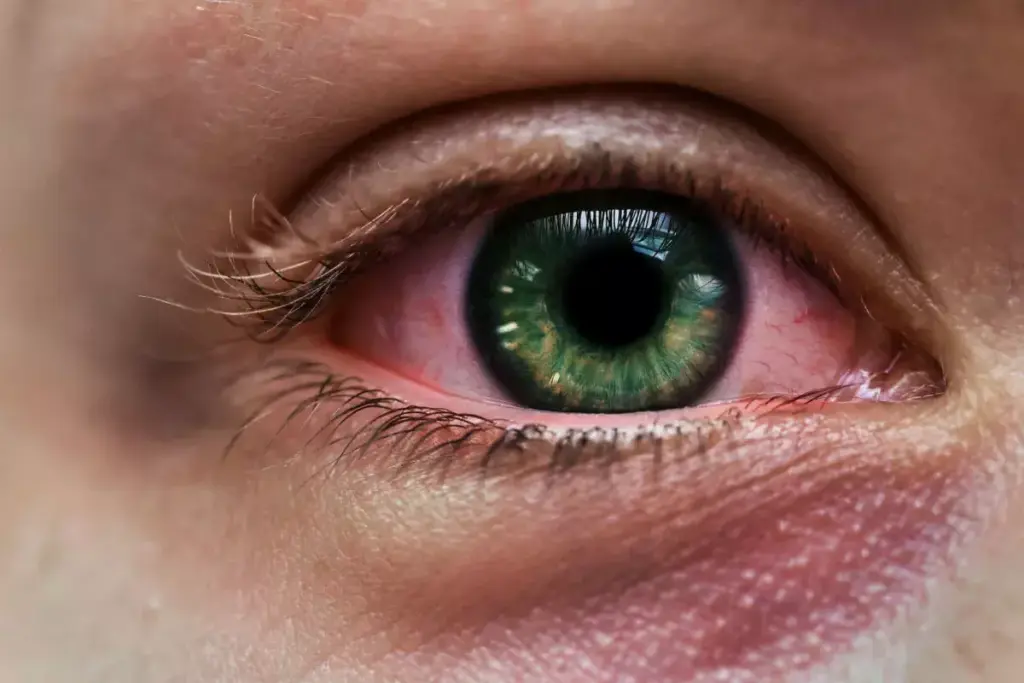
Understanding how shingles spreads in the eye is key. Shingles in the eye, or herpes zoster ophthalmicus, is a viral infection. It can cause a lot of discomfort and serious problems if not treated right.
Distinguishing Between Pink Eye and Eye Shingles
Pink eye, or conjunctivitis, is an inflammation of the conjunctiva. This thin membrane covers the white part of the eye and the inside of the eyelids. Pink eye and eye shingles both cause redness and discomfort, but they have different causes and contagiousness levels.
Pink eye can be caused by a virus, bacteria, or allergens. Its contagiousness depends on the cause. On the other hand, shingles in the eye is caused by the varicella-zoster virus, the same virus that causes chickenpox. This condition is not directly contagious to others as shingles. But, the varicella-zoster virus can spread to those who have not had chickenpox or the chickenpox vaccine, causing chickenpox in them.
Is Shingles in the Eye Contagious?
Shingles itself is not contagious in the traditional sense. You cannot catch shingles directly from someone who has it. But, people who have not been vaccinated against chickenpox or have not had chickenpox can catch the varicella-zoster virus. This happens if they come into direct contact with the fluid from the shingles rash. For more detailed information, you can visit Moorfields NHS.
How the Varicella-Zoster Virus Spreads
The varicella-zoster virus spreads through direct contact with the fluid from the rash of someone with shingles. It’s not spread through airborne transmission like coughing or sneezing. People at risk of catching the virus are those who have not had chickenpox or the chickenpox vaccine. Once infected, they will develop chickenpox, not shingles.
Who Is at Risk of Catching the Virus
Individuals who have not had chickenpox or the chickenpox vaccine are at risk of catching the varicella-zoster virus. This includes young children and some adults who have not been exposed to the virus. People with weakened immune systems are also more susceptible to complications from the virus.
Symptoms, Treatment, and When to Seek Medical Help
Knowing the signs of shingles in the eye is key to getting the right treatment. Shingles in the eye, also known as herpes zoster ophthalmicus, shows through several symptoms. These symptoms can be quite upsetting.
Recognizing Herpes Zoster Ophthalmicus Symptoms
Shingles in the eye can cause severe pain, rash, and swelling around the eye. It can also lead to vision problems and even vision loss if not treated quickly. The varicella-zoster virus, which causes shingles, can come back later in life. It can affect the nerves around the eye.
Knowing these symptoms is important to get medical help early. According to Healthline, acting fast can greatly lower the risk of serious problems.
Potential Complications of Untreated Eye Shingles
If eye shingles is not treated, it can cause serious issues. These include:
- Persistent vision problems
- Chronic pain
- Vision loss
These problems can really affect your life. It’s very important to see a doctor if symptoms don’t get better or get worse.
Treatment Options and Prevention Strategies
For shingles in the eye, treatment usually involves antiviral meds. These help lessen the condition’s severity and length. Sometimes, more treatments are needed to manage pain and prevent further issues.
Preventing shingles is also important. Getting vaccinated against varicella-zoster virus is advised for people over 50. It can greatly lower the chance of getting shingles. Always talk to a healthcare expert to find the best way to prevent and treat shingles.
Conclusion
We’ve looked into shingles in the eye, known as herpes zoster ophthalmicus, and its link to pink eye. Shingles is caused by the varicella-zoster virus, the same one that causes chickenpox. When this virus comes back, it can cause shingles, leading to painful blisters.
It’s key to know about shingles and its signs for those seeking healthcare worldwide. Knowing the risks and taking steps to prevent shingles can help. If symptoms show up, getting medical help fast is critical, more so if they’re near the eye, to avoid herpes zoster complications.
We stress the need for education and awareness about shingles, its signs, and treatment. By sharing detailed info, we help readers make informed health choices. Herpes zoester, affecting many, needs quick and right medical care to avoid lasting harm.
FAQ
What is shingles, and how is it related to chickenpox?
Shingles, also known as herpes zoster, is caused by the varicella-zoster virus. This virus also causes chickenpox. After you get over chickenpox, the virus stays hidden in your body. It can wake up years later and cause shingles.
Is shingles in the eye contagious?
Shingles in the eye, or herpes zoster ophthalmicus, isn’t contagious in the usual way. But, people who haven’t had chickenpox or been vaccinated can catch chickenpox from someone with shingles. They can’t catch shingles itself from someone else.
What is the difference between shingles and pink eye?
Shingles in the eye and pink eye are different. Pink eye is caused by a virus or bacteria and spreads easily. Shingles in the eye comes from the varicella-zoster virus and isn’t contagious in the same way. But, the virus can spread to others who can get chickenpox.
How does the varicella-zoster virus spread?
The varicella-zoster virus spreads through contact with the fluid from the shingles rash. People who can get chickenpox can catch it from this fluid. But, they won’t get shingles directly.
Who is at risk of catching the varicella-zoster virus?
People who haven’t had chickenpox or been vaccinated are at risk. They can catch the varicella-zoster virus from someone with shingles. Those with weak immune systems are also at higher risk.
What are the symptoms of herpes zoster ophthalmicus?
Symptoms include pain, redness, and swelling around the eye. A rash may appear on the face or around the eye. Other signs are sensitivity to light, blurred vision, and eye pain.
What are the possible complications of untreated eye shingles?
Untreated eye shingles can lead to chronic pain, vision loss, and increased eye pressure. Quick medical care is key to avoid these problems.
What are the treatment options for shingles in the eye?
Treatment for eye shingles includes antiviral meds to lessen symptoms. Pain meds, eye drops, and other care may also be used.
Can shingles be prevented?
Yes, shingles can be prevented or its risk lowered with a vaccine. The shingles vaccine is suggested for adults 50 and older to prevent shingles and its complications.
What is herpes zoster?
Herpes zoster is another name for shingles. It’s a viral infection caused by the varicella-zoster virus, which first causes chickenpox.
References
National Center for Biotechnology Information. Evidence-Based Medical Insight. Retrieved from https://pubmed.ncbi.nlm.nih.gov/19494202/



 Departments
 Related Videos
 Our Doctors
 News
News