Last Updated on November 27, 2025 by Bilal Hasdemir

At Liv Hospital, we know heart rhythm worries can be scary. Sinus arrhythmia is a normal change in heart rhythm. It’s often seen in healthy kids and young adults. This happens because of the sinoatrial node, which sets the heart’s beat.
People with sinus arrhythmia might feel palpitations or odd heartbeats. We’ll look at the symptoms and how they affect heart health.
Key Takeaways
- Sinus arrhythmia is a natural variation in heart rhythm.
- It is commonly seen in healthy children and young adults.
- Some individuals may experience palpitations or irregular heartbeats.
- The condition is related to the sinoatrial node, which controls the heartbeat.
- Understanding symptoms and ECG differences is key to knowing heart health.
What Is Sinus Arrhythmia?

To understand sinus arrhythmia, we need to look at its basics and types. It’s a natural change in heart rhythm tied to breathing. Verywell Health explains it well, helping to ease worries about its health impact.
Definition and Physiological Basis
Sinus arrhythmia makes the heart rate go up when we breathe in and down when we breathe out. It’s normal in kids and young adults. The physiological basis is how the heart and nervous system, like the vagus nerve, work together.
This condition is usually harmless. StatPearls says it shows up as an irregular heart rate with big R-R interval changes. This is key for doctors to spot on an electrocardiogram (ECG).
Types of Sinus Arrhythmia
There are various types of sinus arrhythmia, with respiratory sinus arrhythmia being the most common. It’s tied to breathing, affecting heart rate.
- Respiratory Sinus Arrhythmia: This is the most common form, closely linked to the respiratory cycle.
- Non-respiratory Sinus Arrhythmia: Less common, this type is not directly related to breathing patterns and may be associated with other factors or conditions.
Knowing these types helps doctors diagnose and treat sinus arrhythmia better. While respiratory sinus arrhythmia is usually okay, non-respiratory types might need more checks to find any hidden issues.
Is Sinus Arrhythmia Dangerous? The Medical Perspective
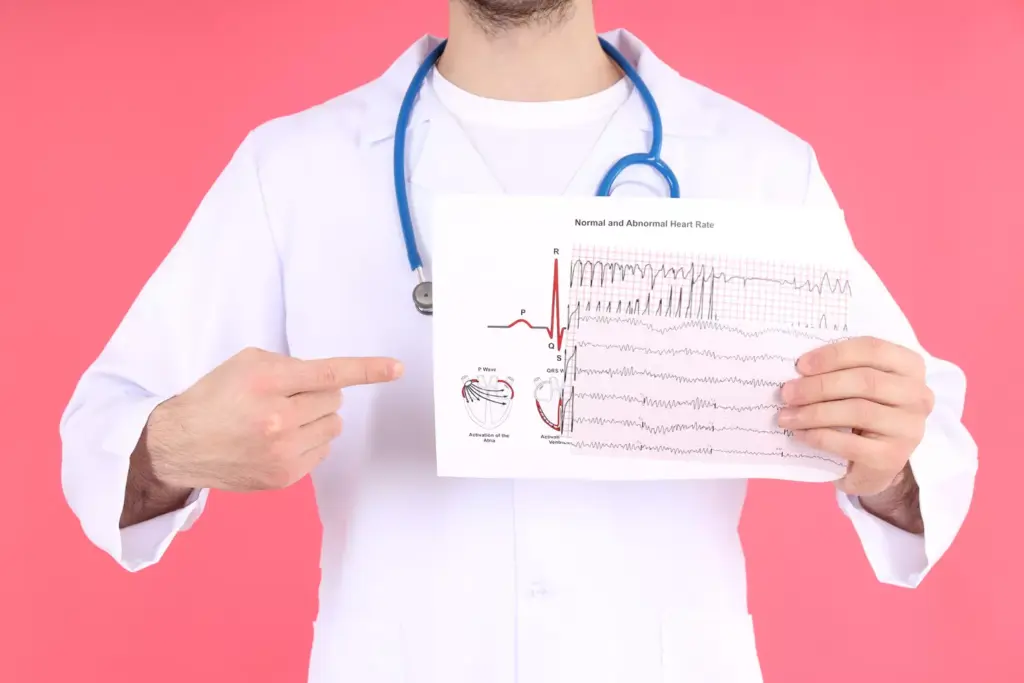
Sinus arrhythmia is a common heart rhythm variation. It’s usually not dangerous. We’ll look at the medical view on this, focusing on its harmless nature in healthy people and when it might signal a problem.
Benign Nature in Healthy Individuals
In healthy folks, sinus arrhythmia is seen as a normal heart response. This condition shows a heart rate change that matches breathing.
“Sinus arrhythmia is a normal finding in most people and is not associated with any underlying heart disease.” –
Studies show sinus arrhythmia is harmless in healthy people and doesn’t need treatment. It’s important to know it’s different from serious heart rhythm issues that need doctor’s care.
When Sinus Arrhythmia May Indicate a Problem
Even though sinus arrhythmia is usually harmless, it can sometimes point to a bigger issue. For example, if you have symptoms like dizziness, chest pain, or trouble breathing, it might mean you need to see a doctor.
| Symptom | Possible Indication |
|---|---|
| Dizziness | Potential underlying heart condition |
| Chest Pain | Possible cardiac issue |
| Shortness of Breath | Potential respiratory or cardiac problem |
In summary, while sinus arrhythmia is usually safe, watch out for any symptoms that might mean something serious. If you’re worried about your heart, it’s best to talk to a doctor.
Characteristics of Sinus Arrhythmia
Sinus arrhythmia shows a natural change in heart rhythm due to different factors. We’ll look into its normal response and key features.
Normal Physiological Response
Sinus arrhythmia is a normal physiological response to breathing. The heart rate goes up when we breathe in and goes down when we breathe out. This change is more noticeable in kids and young adults. Medical News Today says it’s marked by a P-P interval variation, usually over 0.12 seconds.
Distinguishing Features
The main signs of sinus arrhythmia are its variability with breathing and the lack of symptoms like dizziness or shortness of breath. It’s usually seen as harmless.
| Characteristic | Description |
|---|---|
| Variation with Breathing | Heart rate increases during inspiration and decreases during expiration |
| P-P Interval Variation | Often greater than 0.12 seconds |
| Symptoms | Typically asymptomatic |
In conclusion, sinus arrhythmia is a natural heart rhythm change with clear signs. These are key for diagnosing and understanding its harmless nature.
Sinus Arrhythmia vs. Normal Sinus Rhythm
Sinus arrhythmia and normal sinus rhythm are two heart rhythm concepts. Knowing their differences is key for correct diagnosis and treatment.
Defining Normal Sinus Rhythm
Normal sinus rhythm is the typical heart rhythm. It comes from the sinoatrial node and has a heart rate of 60 to 100 beats per minute in adults. It shows a consistent P-P interval on an electrocardiogram (ECG), meaning a regular heartbeat.
Key Differences in Heart Rate Patterns
The main difference between sinus arrhythmia and normal sinus rhythm is their heart rate patterns. Sinus arrhythmia has a variability in the P-P interval, leading to an irregular heart rhythm that matches breathing. Normal sinus rhythm, on the other hand, has a consistent P-P interval, showing a regular heart rhythm.
Here’s a comparison to show these differences:
| Characteristics | Normal Sinus Rhythm | Sinus Arrhythmia |
|---|---|---|
| P-P Interval | Consistent | Variable |
| Heart Rate | 60-100 bpm | Variable, often with respiratory variation |
| ECG Appearance | Regular P waves | Irregular P-P interval, often with normal P waves |
Clinical Significance of These Differences
The differences between sinus arrhythmia and normal sinus rhythm are important. Normal sinus rhythm usually means a healthy heart. But, sinus arrhythmia, when it’s more noticeable, might need more checking. Knowing these differences helps doctors make better choices for patient care.
In summary, it’s vital to know the differences between sinus arrhythmia and normal sinus rhythm for diagnosis and treatment. By understanding these unique traits, healthcare professionals can offer better care.
Sinus Arrhythmia ECG Meaning and Interpretation
Understanding sinus arrhythmia through ECG interpretation is key for accurate diagnosis. We will look at how to spot sinus arrhythmia on an electrocardiogram (ECG). This tool is vital for checking heart rhythm.
Identifying Sinus Arrhythmia on ECG
Sinus arrhythmia shows up as a change in the P-P interval on an ECG. This change reflects the beat-to-beat heart rate variation. Medical News Today says this change is a key sign of sinus arrhythmia. To spot it, we look for:
- A consistent P wave before each QRS complex, showing it starts in the sinus node
- A change in the P-P interval, the gap between P waves
- Normal QRS complexes, as the arrhythmia comes from the sinoatrial node
Sinus Rhythm with Sinus Arrhythmia: ECG Findings
With sinus arrhythmia, the ECG shows a sinus rhythm with a changing heart rate. The main signs are:
- P waves that look the same, showing they come from the sinoatrial node
- P-P intervals that change, often with breathing
- Normal PR intervals, as the arrhythmia doesn’t affect the atrioventricular node’s conduction
These signs help us tell sinus arrhythmia apart from other arrhythmias.
Marked Sinus Arrhythmia on ECG
Marked sinus arrhythmia has a bigger change in the P-P interval. On an ECG, it looks like:
- A bigger change in heart rate, over 10-15 beats per minute
- P waves and QRS complexes that stay normal in shape
- A rhythm that’s more irregular, clearly seen during deep breathing or changes in breathing
We need to tell marked sinus arrhythmia apart from other arrhythmias that might need more tests.
In summary, reading sinus arrhythmia on an ECG needs careful look at the P-P interval change and other signs. Knowing these patterns helps us diagnose and manage sinus arrhythmia well.
Respiratory Sinus Arrhythmia Symptoms and Significance
Many people wonder about respiratory sinus arrhythmia, its symptoms, and if it’s a worry. This condition makes heart rate change with breathing. It’s usually seen as harmless.
Common Presentation (or Lack of Symptoms)
Mostly, respiratory sinus arrhythmia doesn’t show symptoms. The Cleveland Clinic says it’s not harmful and shows a healthy heart. It’s often found by chance during medical checks.
Usually, no treatment is needed for respiratory sinus arrhythmia. Doctors say it shows a healthy heart. “The presence of respiratory sinus arrhythmia is indicative of good cardiovascular health.”
Is Respiratory Sinus Arrhythmia Bad?
Thinking respiratory sinus arrhythmia is bad is a common mistake. It’s actually a normal and healthy response. It shows the body’s heart rate can adjust with breathing, showing a healthy nervous system.
“Respiratory sinus arrhythmia is a marker of cardiovascular health and is associated with good vagal tone,” indicating a strong and healthy heart.
In short, respiratory sinus arrhythmia is not bad. It’s a sign of a healthy heart. Knowing this can help ease worries and improve understanding of this normal body function.
Abnormal Sinus Rhythm on EKG: When to Be Concerned
It’s important to know when an abnormal sinus rhythm on an EKG is a worry. Sinus arrhythmia is usually not a big deal, but sometimes it can show a problem that needs doctor’s help.
Distinguishing Normal Variations from Pathological Findings
Sinus arrhythmia shows up differently on an EKG. StatPearls says it’s normal in healthy kids and young adults. But, it’s key to tell normal changes from signs of illness. Look for symptoms or heart disease.
In young people, a big sinus arrhythmia might just be a normal breathing response. But in older folks or those with heart issues, it could mean something serious needs checking.
Doctors say not having sinus arrhythmia might mean heart disease more than having it. This shows how important it is to look at the whole picture when reading EKGs.
When to Seek Medical Evaluation
So, when should you see a doctor for an abnormal sinus rhythm on EKG? If you feel dizzy, can’t breathe well, or have chest pain, you should talk to a doctor. Also, if you’ve had heart problems or are at risk, any odd EKG results need looking into.
- Symptoms like dizziness or shortness of breath
- History of heart disease or risk factors for cardiovascular disease
- Unusual or unexplained EKG findings
Talking to your doctor about your EKG results is a good idea. This way, you can make sure any problems are found and fixed quickly.
“The key to managing abnormal sinus rhythm on EKG lies in understanding the context and clinical correlation.”
Diagnosis and Management of Sinus Arrhythmia
Diagnosing sinus arrhythmia requires a detailed approach. This includes looking at ECG results and other important factors. Accurate diagnosis is key to finding the right treatment.
ECG is a main tool for spotting sinus arrhythmia. But, doctors also use other methods to get more details.
Diagnostic Approaches Beyond ECG
Doctors look at your medical history and do a physical check. They might also suggest tests like echocardiography or stress tests to check for heart problems.
Ambulatory monitoring can track your heart rhythm over time. This gives more insight into the arrhythmia.
Management Strategies When Necessary
Managing sinus arrhythmia depends on its cause and symptoms. Often, just monitoring and reassurance are enough because it’s usually harmless.
If there’s an underlying issue, treating that is essential. This could mean fixing hyperthyroidism or adjusting medications.
In severe cases, more action might be needed. This could be lifestyle changes or medical treatments to manage symptoms.
Conclusion
Throughout this article, we’ve looked at sinus arrhythmia. It’s a condition where heart rate changes with breathing. It’s usually seen in young people and is not harmful.
Knowing about sinus arrhythmia is key for doctors and patients. It helps avoid mistaking it for a serious heart issue. We’ve talked about how it’s different from a normal heart rhythm.
In short, sinus arrhythmia is common and safe. Understanding it helps in managing and diagnosing it correctly. This knowledge ensures top-notch healthcare, supporting our mission to help international patients.
FAQ
What is sinus arrhythmia?
Sinus arrhythmia is a change in heart rate that matches breathing. It gets faster when you breathe in and slower when you breathe out. It’s a normal thing that happens in healthy people, thanks to the sinoatrial node.
Is sinus arrhythmia a serious condition?
Usually, sinus arrhythmia isn’t serious or dangerous for healthy people. But, it might mean there’s an issue that needs a doctor’s check-up in some cases.
What are the symptoms of respiratory sinus arrhythmia?
Respiratory sinus arrhythmia often doesn’t show any symptoms. It’s usually found during a routine ECG or check-up.
Is respiratory sinus arrhythmia bad or harmful?
No, it’s not bad or harmful. It’s a normal change in heart rhythm that happens with breathing.
How is sinus arrhythmia different from normal sinus rhythm?
Sinus arrhythmia changes heart rate with breathing. Normal sinus rhythm has a steady heart rate. Sinus arrhythmia’s heart rate goes up and down with breathing.
What does sinus arrhythmia look like on an ECG?
On an ECG, sinus arrhythmia shows a changing R-R interval that matches breathing. But, it keeps a normal P-wave axis and shape, showing the heartbeat starts from the sinoatrial node.
When should abnormal sinus rhythm on EKG be a concern?
If an abnormal sinus rhythm on EKG shows heart disease signs like chest pain or dizziness, it’s a worry. It’s also a concern if it’s not linked to breathing. It’s key to tell normal changes from serious issues.
How is sinus arrhythmia diagnosed and managed?
Sinus arrhythmia is usually found with an ECG. If it’s not linked to a problem, it often doesn’t need treatment. But, more tests might be needed to check for other heart issues. Treatment aims at fixing any underlying problems, not the arrhythmia itself.
Can sinus arrhythmia be a sign of an underlying problem?
While usually harmless, sinus arrhythmia might hint at heart disease or other issues in some cases. Getting a medical check-up is important to figure out why it’s happening.
Is marked sinus arrhythmia a concern?
Marked sinus arrhythmia means a bigger change in heart rate with breathing. It’s usually okay, but it’s important to check it against your overall health and symptoms to see if it’s a worry.
References
- The Cardiology Advisor. (n.d.). Sinus arrhythmia vs. atrial fibrillation: Understanding the difference. https://www.thecardiologyadvisor.com/features/sinus-arrhythmia-vs-afib/ thecardiologyadvisor.com+1
- Soos, M. P., & McComb, D. (2022). Sinus arrhythmia. In StatPearls [Internet]. StatPearls Publishing. https://www.ncbi.nlm.nih.gov/books/NBK537011/ ncbi.nlm.nih.gov