

Cancer treatment has changed a lot with targeted cancer therapeutics. Studies show these therapies might be better than chemotherapy for some cancers.

Targeted therapy is a new way to fight cancer. It finds and attacks specific parts of cancer cells. This helps protect healthy cells.
This method is different from old chemotherapy. Chemotherapy can harm both cancer cells and healthy ones. This often leads to worse side effects.
Key Takeaways
- Targeted cancer therapeutics offer precision treatment by targeting specific cancer cell features.
- Recent studies show targeted therapy can be more effective for certain cancers.
- This approach may reduce side effects compared to traditional chemotherapy.
- Cancer treatment is becoming increasingly personalized.
- Advances in targeted therapy are reshaping patient outcomes.
The Changing Landscape of Cancer Treatment
The world of cancer treatment is changing fast with precision medicine. New genetic discoveries and tech are helping doctors give better, more focused care.
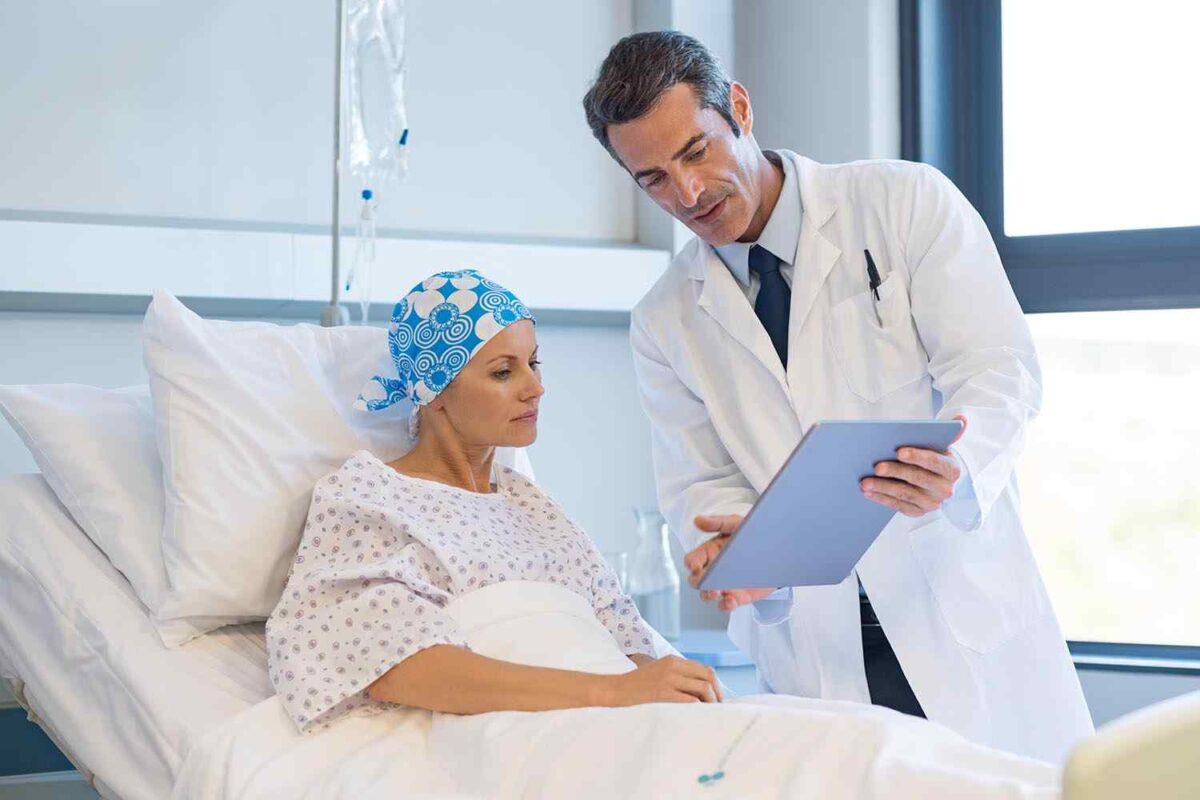
Evolution from Traditional to Precision Medicine
Old cancer treatments were one size fits all, with chemotherapy leading the way. But now, thanks to new tech, we’re moving to precision medicine. This means treatments are made just for your tumor’s genes.
Scientists are working hard to understand cancer’s genetic code. They find the genes that make cancer grow and target them with precision therapies.
The Growing Need for Personalized Treatment Approaches
More and more, we see cancer as a complex disease. Each patient’s cancer is unique, needing a treatment plan just for them.
Top hospitals are leading the way with precision medicine. They’re making treatments work better and safer for patients.
As we keep learning, we’ll make cancer treatment even better. We’ll use new tools and treatments to make care more personal and effective.
Understanding Targeted Therapy in Cancer Treatment
Targeted therapy has changed cancer treatment for the better. It attacks cancer cells more precisely than traditional chemotherapy. This means less harm to healthy cells and fewer side effects.
How Targeted Therapies Attack Cancer Cells
Targeted therapies find and attack specific traits of cancer cells. They focus on proteins or genes that help cancer grow. This makes treatment more effective and safer for normal cells.
Key mechanisms of targeted therapies include:
- Inhibiting specific proteins that promote cancer cell growth
- Blocking signals that cancer cells use to multiply
- Delivering toxic substances directly to cancer cells
Major Classes of Targeted Agents

There are several types of targeted agents used in cancer treatment. Each works in a different way. These include:
- Monoclonal antibodies that target specific proteins on cancer cells
- Tyrosine kinase inhibitors that block signals promoting cancer cell growth
- Proteasome inhibitors that disrupt protein degradation in cancer cells
These agents can be used alone or with other treatments to boost their effectiveness.
The Role of Genetic Testing and Biomarkers
Genetic testing and biomarkers are key in finding the right targeted therapy for patients. They help doctors see if a patient’s cancer will respond to certain treatments. This is based on the cancer’s genetic makeup.
Biomarkers can help:
- Identify patients who are most likely to respond to a particular targeted therapy
- Monitor treatment response and detect early signs of resistance
- Guide treatment decisions and improve patient outcomes
Conventional Chemotherapy: Mechanism and Applications
Chemotherapy is a key part of cancer treatment. It targets cells that divide quickly. This method helps manage many cancers, even though it has side effects.
Attacking Dividing Cells
Chemotherapy attacks cells that are dividing. This is true for most cancer cells. But, it also harms other fast-dividing cells, like hair and gut cells.
This damage to both cancer and healthy cells is a big problem. It leads to side effects that can lower a patient’s quality of life.
Common Chemotherapeutic Agents
There are many types of chemotherapy drugs. Each works in a different way. Here are a few examples:
- Alkylating agents, which damage DNA, stopping cancer cells from growing.
- Antimicrotubule agents, which mess with cell division by affecting microtubules.
- Anthracyclines, which get in between DNA strands, stopping DNA and RNA production.
Delivery Methods and Treatment Schedules
Chemotherapy can be given in different ways, like through veins, by mouth, or on the skin. The method chosen depends on the cancer type, its stage, and the patient’s health.
How often and how long chemotherapy is given varies. Some get it in cycles with breaks in between. The plan is made based on how well the patient does with the treatment.
| Chemotherapeutic Agent | Mechanism of Action | Common Applications |
|---|---|---|
| Cyclophosphamide | Alkylating agent | Breast cancer, lymphoma |
| Paclitaxel | Antimicrotubule agent | Ovarian cancer, breast cancer |
| Doxorubicin | Anthracycline | Breast cancer, lymphoma, leukemia |
Clinical Efficacy: Comparing Survival Outcomes
Studies show targeted therapy boosts survival rates in many cancers. This is thanks to precision medicine. It tailors treatment to each patient’s unique genetic and molecular traits.
Progression-Free Survival: 5.5 vs 4.2 Months
Recent studies found targeted therapy extends survival by 1.3 months. Patients live 5.5 months longer than those on chemotherapy, who live 4.2 months. This shows targeted therapy’s power to slow disease growth.
Overall Survival Rate Comparisons
Targeted therapy beats traditional chemotherapy in survival rates. More patients live longer with targeted therapy.
| Treatment Type | Median Overall Survival | 1-Year Survival Rate |
|---|---|---|
| Targeted Therapy | 12.5 months | 52% |
| Chemotherapy | 10.2 months | 42% |
Response Patterns Across Different Cancer Types
Targeted therapy’s success varies by cancer type. Some cancers, like EGFR-mutated non-small cell lung cancer, see big benefits.
Key Findings:
- Targeted therapy improves survival in many cancers.
- It boosts overall survival rates over chemotherapy.
- How well targeted therapy works depends on the tumor’s molecular makeup.
Side Effect Profiles and Quality of Life
When looking at cancer treatment options, it’s key to know the side effects of chemotherapy and targeted therapy. These treatments differ in how they work and affect patients’ lives. Knowing this helps both patients and doctors make better choices.
Chemotherapy’s Systemic Toxicity Profile
Chemotherapy targets fast-growing cells, which includes cancer and normal cells. This can cause a variety of side effects. Common ones are:
- Nausea and vomiting
- Hair loss
- Fatigue
- Increased risk of infections
These side effects come from chemotherapy’s systemic toxicity. They can really affect how well a patient feels and how they live their day-to-day life.
Targeted Therapy’s More Focused Side Effects
Targeted therapy, on the other hand, aims to hit cancer cells directly. This means it can cause fewer side effects than chemotherapy. A study on PubMed Central shows targeted therapy is gentler on normal cells. This could mean fewer side effects for patients.
Some common side effects of targeted therapy are:
- Skin rash
- Diarrhea
- Liver enzyme elevations
Even with these side effects, targeted therapy is often better for patients’ quality of life. It’s because it’s more precise in how it works.
Impact on Patient Daily Functioning and Well-being
The side effects of these treatments really matter for how patients live their lives. Chemotherapy’s wide impact can make it hard to do everyday things because of fatigue and discomfort. Targeted therapy, with its more focused side effects, usually doesn’t disrupt life as much.
It’s really important to understand the side effects of chemotherapy and targeted therapy. This helps make choices that are both effective and consider the patient’s quality of life.
Cancer Types Where Targeted Therapy Excels
Some cancers respond well to targeted therapy, improving patient outcomes. This therapy is a key treatment for certain cancers. It offers better results and fewer side effects than traditional chemotherapy.
Molecular Subtypes Most Responsive to Targeting
Targeted therapy works best for specific cancers like breast, colorectal, and lung cancer. Within these, some molecular subtypes respond better. For example, HER2-positive breast cancer benefits greatly from drugs like trastuzumab.
| Cancer Type | Molecular Subtype | Targeted Therapy |
|---|---|---|
| Breast Cancer | HER2-positive | Trastuzumab |
| Colorectal Cancer | KRAS wild-type | Cetuximab |
| Non-Small Cell Lung Cancer | EGFR mutation-positive | Erlotinib |
Patient Selection Criteria for Optimal Outcomes
Choosing the right patients for targeted therapy is key. It’s about finding those with specific molecular markers. Genetic testing and biomarker analysis are vital in this process.
Key factors in patient selection include:
- Presence of specific genetic mutations or biomarkers
- Previous treatment history and response
- Overall health and performance status
Breakthrough Cases and Treatment Successes
Targeted therapy has led to many breakthroughs in cancer treatment. These successes often involve patients with advanced or resistant cancers.
For example, tyrosine kinase inhibitors have greatly improved survival in chronic myeloid leukemia (CML).
These successes highlight the power of precision medicine in cancer treatment. Tailoring treatments to each patient’s cancer can lead to better outcomes and a better quality of life.
The Power of Combination: Integrating Targeted Therapy with Chemotherapy
Using targeted therapy with chemotherapy is a strong way to fight cancer. It combines the best of both worlds for better results and care for patients.
Synergistic Mechanisms and Enhanced Efficacy
When you mix targeted therapy with chemotherapy, you get synergistic effects. This means the treatment works better together than it would alone. Targeted therapies target specific cancer cells, while chemotherapy kills more cells that are growing fast.
This mix can beat cancer’s defenses and lead to better results. For example, targeted agents can make cancer cells more sensitive to chemotherapy. This makes the treatment more effective than either one by itself.
Sequential vs. Concurrent Administration
How you give combination therapy matters a lot. Sequential administration means giving one treatment first, then the other. This can help patients recover from side effects before starting the next treatment.
Concurrent administration means giving both treatments at the same time. This can boost the treatment’s power but might also raise the risk of side effects.
Promising Combination Protocols in Clinical Practice
Many combination treatments are showing great promise. For example, mixing a small molecule tyrosine kinase inhibitor with chemotherapy has helped some cancers live longer without growing.
- Combining erlotinib with chemotherapy for non-small cell lung cancer
- Using trastuzumab with chemotherapy for HER2-positive breast cancer
- Combining bevacizumab with chemotherapy for metastatic colorectal cancer
These examples show how combining treatments can lead to better care and hope for cancer patients.
Multidisciplinary Treatment Approaches for Optimal Results
Combining local treatments like surgery and radiation with systemic therapies is key for the best cancer treatment results. This approach creates a detailed treatment plan. It tackles cancer from all sides, boosting survival rates and improving life quality.
Incorporating Local Interventions with Systemic Therapies
Local treatments, such as surgery and radiation, are vital for controlling tumors and easing symptoms. When paired with systemic therapies like chemotherapy and targeted therapy, they greatly improve treatment success.
Benefits of Combined Modality Treatment:
- Improved local control of tumors
- Enhanced systemic disease management
- Better overall survival rates
- Reduced risk of cancer recurrence
The Role of Radiation in Combined Modality Treatment
Radiation therapy is a key part of cancer treatment. It helps shrink tumors, making them easier to remove, or manages symptoms like pain and bleeding.
“Radiation therapy is a critical component of cancer treatment, targeting tumors precisely while protecting healthy tissues.”
New radiation technologies have made therapy more precise and effective. This leads to better results when combined with systemic treatments.
| Treatment Modality | Role in Cancer Treatment | Benefits |
|---|---|---|
| Radiation Therapy | Local tumor control, symptom management | Precise targeting, minimal side effects |
| Surgery | Removal of tumors, diagnostic purposes | Immediate results, chance for cure |
| Systemic Therapies | Treatment of systemic disease | Targets cancer cells throughout the body |
Surgical Considerations in the Era of Targeted Agents
Targeted therapies have changed cancer treatment, opening doors for surgery in previously inoperable cases. Surgeons can now operate on patients with more extensive disease.
Today, surgery planning must align with other treatments for the best results. Targeted therapies can make surgery safer and more effective.
In conclusion, a team approach to cancer treatment is vital. It combines local treatments like surgery and radiation with systemic therapies. This ensures the best outcomes for patients by addressing cancer from every angle.
Innovations in Cancer Care: Leading Hospital Networks and Research
Top hospital networks are leading the way in cancer care through research. They are creating new treatments that help patients more than ever before.
Evidence-Based Treatment Protocols
Hospitals focus on evidence-based treatment plans. These plans are made from the latest research and clinical trials. This ensures patients get the best care.
Key components of evidence-based protocols include:
- Personalized treatment plans tailored to individual patient needs
- Incorporation of targeted therapies and immunotherapies
- Use of advanced diagnostic tools for accurate staging and monitoring
A study on PubMed Central shows these protocols improve patient outcomes. This is true for many types of cancer.
Access to Clinical Trials and Novel Therapies
Top hospital networks give patients a chance to join clinical trials. These trials offer hope for those with hard-to-treat cancers. They help make new treatments available.
International Standards and Excellence in Oncology Care
Leading hospital networks follow international standards in oncology care. This ensures patients get the best treatment worldwide. Their commitment to excellence is shown through their accreditation and research collaborations.
Following international standards and working together has led to big steps forward in cancer care. This includes new targeted therapies and better support for patients.
Conclusion: The Future of Cancer Treatment Beyond the Either/Or Approach
The future of cancer treatment is changing. We’re moving away from just using targeted therapy or chemotherapy. Now, we’re finding that mixing both can work best.
Using a mix of treatments is key. This includes the latest in targeted therapy and chemotherapy. Personalizing care to fit each patient’s cancer is also becoming more common.
By combining targeted therapy with chemotherapy, doctors can make treatment plans that work better. This approach is leading to better results for patients. The field is always evolving, with new treatments being developed.
As we keep moving forward, a team effort in cancer care will stay important. This team approach gives patients the best shot at beating cancer and living better lives.
FAQ
What is targeted therapy, and how does it differ from chemotherapy?
Targeted therapy is a cancer treatment that uses drugs to target specific genes or proteins in cancer cells. It doesn’t harm healthy cells like chemotherapy does. Chemotherapy attacks all fast-growing cells, not just cancer cells.
How do targeted therapies attack cancer cells?
Targeted therapies find and attack specific molecular mechanisms in cancer cells. They block certain proteins or genes that cancer cells rely on to grow and survive.
What is the role of genetic testing and biomarkers in targeted therapy?
Genetic testing and biomarkers help find patients who can benefit from targeted therapy. Biomarkers show if a patient’s cancer has specific genetic mutations that can be targeted by therapy.
How does chemotherapy work, and what are its limitations?
Chemotherapy attacks fast-growing cells, including cancer and healthy cells. It can treat some cancers but also causes side effects because it harms healthy cells.
What are the benefits of combining targeted therapy with chemotherapy?
Mixing targeted therapy with chemotherapy can make treatments work better together. This combo can lead to better results and lower the chance of therapy resistance.
How do cancer types impact the effectiveness of targeted therapy?
Different cancers respond differently to targeted therapy. Some molecular subtypes are more likely to benefit. Choosing the right therapy depends on the cancer type.
What is the impact of targeted therapy on patient quality of life?
Targeted therapy often has fewer side effects than chemotherapy. This can improve patients’ daily lives and overall well-being.
How do leading hospital networks contribute to advancements in cancer care?
Top hospital networks lead in cancer care by providing access to new treatments and following international standards. They also offer clinical trials and evidence-based care.
What is the future of cancer treatment, and how will it evolve?
Cancer treatment is moving towards a mix of therapies, not just targeted or chemotherapy. This approach will keep improving as new treatments are developed.
What are some promising combination protocols in clinical practice?
New protocols mix targeted therapy and chemotherapy in different ways. These combinations have shown better results and improved treatment outcomes for various cancers.
How does radiation therapy fit into combined modality treatment?
Radiation therapy is key in combined treatments. It helps control local disease and boosts treatment success when used with systemic therapies like targeted therapy and chemotherapy.
References
- Chen, Y., Yu, D., Yin, Z., & Chen, G. (2022). Targeted therapies for cancer: Progress and challenges. BMC Medicine, 20(1), 101. https://pmc.ncbi.nlm.nih.gov/articles/PMC8915534/

























