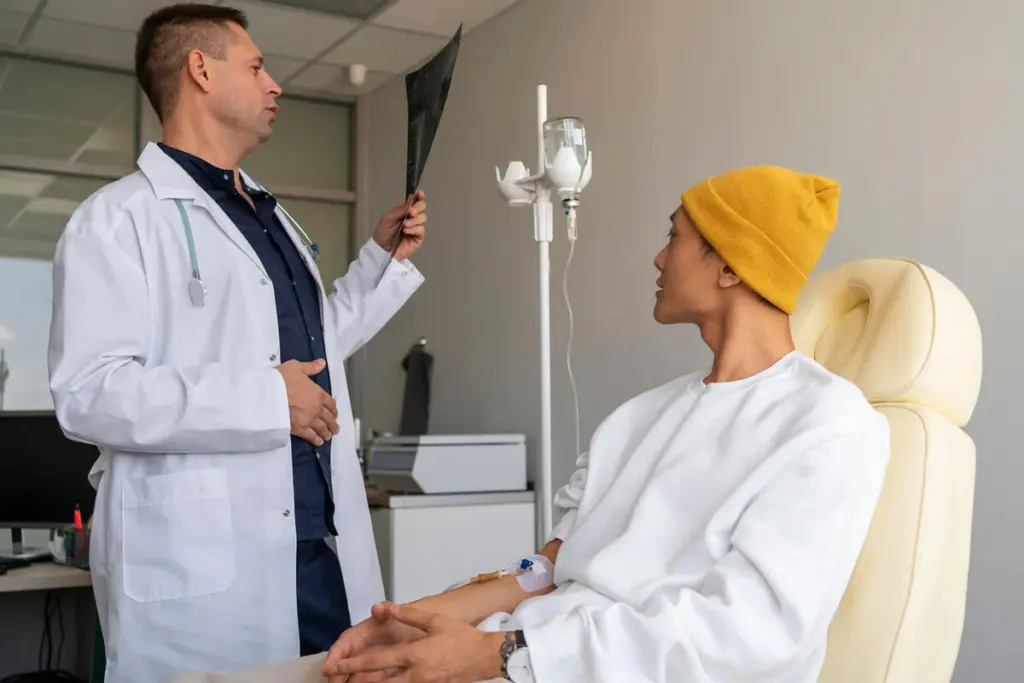
Cancer is a big challenge for medicine, even after many years of work. Finding a cure for everyone is hard, but treatments do exist. They depend on the cancer type, how far it has spread, and the patient’s health.
Is there a cure for cancer yet? Discover amazing medical updates and vital, powerful breakthroughs that are saving thousands of lives today.
Recently, treatments like immunotherapy and cellular therapies have made big strides. These new methods are changing how we treat cancer. They bring hope to millions and make care more tailored and effective.
Key Takeaways
- Cancer treatment is highly individualized based on type, stage, and patient biology.
- Immunotherapy and cellular therapies are among the latest advancements.
- Personalized care is becoming more prevalent, giving new hope.
- Treatment options are growing, leading to better results for patients.
- More research is needed to keep making progress.
The Complex Nature of Cancer Treatment
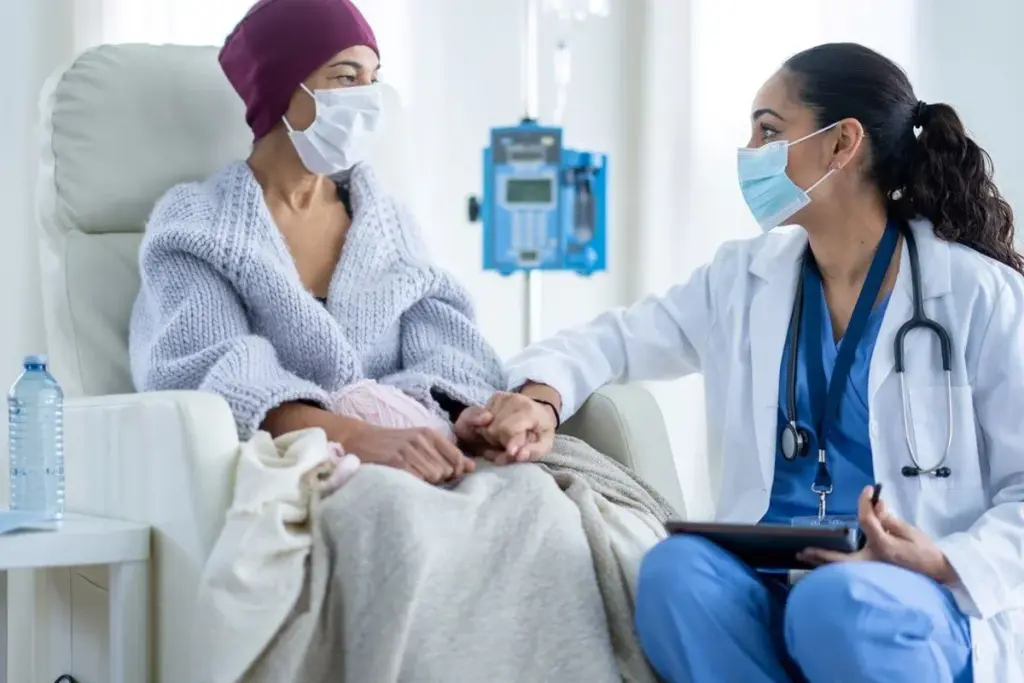
Cancer treatment is complex because the disease is so detailed. It needs personalized medical plans. This makes treating cancer a big challenge.
Why Cancer Requires Individualized Approaches
Treatment for cancer depends on many things. These include the cancer type, its stage, and the patient’s biology. Every patient is different, so treatments must be made just for them.
There are several important factors to consider:
- The specific genetic mutations driving the cancer
- The stage at which the cancer is diagnosed
- The patient’s overall health and medical history
The Multifaceted Challenge of Cancer Biology
The challenges in treating cancer highlight the need for more cancer research breakthroughs and innovative cancer therapies. By focusing on each patient’s unique cancer, we can make treatments better. This will help move the field of oncology forward.
The Evolution of Cancer Treatment Approaches
<SEP-6771_image_3>
Cancer treatment has changed a lot over time. This change comes from new medical technology and understanding cancer better. Now, we have more advanced and tailored treatments than before.
Traditional Treatment Modalities
For a long time, cancer treatment focused on surgery, chemotherapy, and radiation. These methods are the base of cancer care. They help patients based on their cancer type and stage.
Surgery is key for many solid tumors. It removes tumors and affected tissues. Chemotherapy and radiation target fast-growing cancer cells. They are often used with surgery for better treatment.
The Paradigm Shift Toward Precision Medicine
Lately, we’ve moved towards precision medicine in cancer treatment. This method uses a patient’s genetic and molecular profiles for treatment. It’s more targeted and effective.
Genomic sequencing and molecular diagnostics help a lot. They let doctors choose the best treatment for each patient. This shift is a big step towards better treatment and patient care.
As we learn more about cancer, we’ll see more progress. This could lead to even better and more personalized treatments.
Immunotherapy: Leading the Revolution in Cancer Care
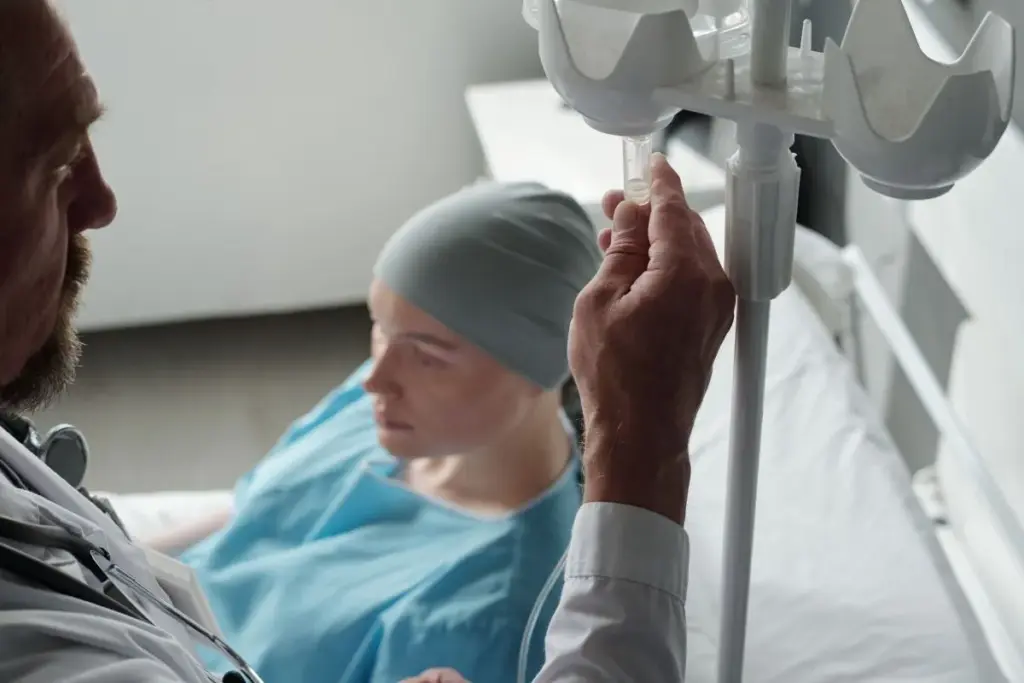
Immunotherapy is a new way to fight cancer by using the body’s immune system. It has shown great promise in treating many cancers. This gives hope to patients all over the world.
Understanding How Immunotherapy Works
Immunotherapy boosts the body’s defenses to fight cancer cells better. It’s different from chemotherapy and radiation because it targets cancer cells without harming healthy ones. There are several types, like checkpoint inhibitors and CAR T-cell therapy, each helping the immune system fight cancer.
Success Stories and Breakthrough Cases
Many patients have seen great results from immunotherapy. For example, some with advanced melanoma and other cancers have gone into complete remission. These stories show how immunotherapy can change cancer care and help more people live longer.
As research keeps moving forward, we’ll see even more new cancer treatments. This will make immunotherapy even more important in the fight against cancer.
Cellular Therapies: Engineering the Body’s Defense System
Cellular therapies are changing the game for cancer patients. They use the body’s immune system to fight cancer. This approach is new and promising.
CAR T-Cell Therapy: Mechanism and Applications
CAR T-cell therapy starts with taking a patient’s T cells. Then, these cells are made to find and kill cancer cells. It’s a breakthrough for some blood cancers.
First, T cells are taken from the blood. Next, they’re changed to have a special receptor. This receptor helps them find cancer cells.
Tumor-Infiltrating Lymphocyte (TIL) Therapy
TIL therapy takes lymphocytes from a tumor. These cells are then grown and put back into the body. It works well for melanoma and some solid tumors.
This therapy is special because it targets specific cancer markers. It’s a personalized way to fight cancer.
Results in Hematologic and Solid Tumors
Cellular therapies have shown great success in fighting cancer. CAR T-cell therapy has helped many with ALL. It’s a big win for those who didn’t respond to other treatments.
|
Therapy Type |
Cancer Type |
Response Rate |
|---|---|---|
|
CAR T-cell |
ALL |
90% |
|
TIL |
Melanoma |
50% |
As research grows, so does the hope for cancer treatment. We’re seeing more ways these therapies can help. The future looks bright for cancer patients.
Targeted Therapies: Precision Weapons Against Cancer
Targeted therapies are a big step forward in fighting cancer. They work by focusing on specific molecules that help cancer grow. This way, they can harm cancer cells more and protect healthy ones.
How Molecular Targeting Works
Molecular targeting finds and attacks cancer cells without harming normal ones. It does this by understanding the cancer’s genetic makeup. This approach cuts down on the side effects of old treatments.
Major Breakthroughs in Specific Cancer Types
There have been big wins in treating different cancers with targeted therapies. For example, some breast and lung cancers are doing better thanks to these treatments. Studies show these therapies work really well in patients with certain genetic changes.
|
Cancer Type |
Targeted Therapy |
Outcome |
|---|---|---|
|
Breast Cancer |
HER2 inhibitors |
Improved survival rates |
|
Lung Cancer |
EGFR inhibitors |
Enhanced response rates |
Overcoming Resistance Mechanisms
In summary, targeted therapies are changing cancer treatment for the better. They offer precision and fewer side effects. As research keeps going, we’ll see even more progress, helping patients more than ever before.
Is there a cure for cancer? Examining the Evidence
Finding a cure for cancer is a big challenge. We’ve made a lot of progress in treating it. But, the answer depends on the cancer type and how early it’s caught.
Defining “Cure” in Oncology
In cancer treatment, a “cure” means getting rid of all cancer cells. This means the patient can fully recover. But, some cancers can come back years later.
We use “remission” when cancer is gone but we keep watching for it. This is because some cancers can come back even after treatment.
Cancer Types with Highest Remission Rates
Some cancers are easier to treat than others. For example, testicular cancer, some leukemias, and lymphomas have high cure rates. Today, more than 68% of people survive cancer for five years.
The Shift Toward Cancer as a Manageable Condition
Even if we can’t cure all cancers, we can manage them. Thanks to new treatments, people with cancer can live longer and healthier lives. We’re moving towards a time when cancer isn’t a death sentence but a condition we can manage.
As we keep working on cancer research, we hope more people will be cured or in remission. The progress we’ve made is encouraging. And, we’re excited about what the future holds for cancer treatment.
Early Detection: The Critical Factor in Treatment Success
Early detection is key to beating cancer. It greatly boosts patient chances of recovery. New screening tools and tests have changed cancer care for the better.
Advanced Screening Technologies
New tech has changed how we find cancer. Digital mammography and low-dose CT scans lead the way. They help doctors spot cancer early, even before symptoms show up.
Liquid Biopsies and Non-Invasive Detection
Liquid biopsies are a big leap forward in finding cancer. They check for cancer DNA in blood, helping catch it early. This method is a game-changer, making diagnosis easier and less scary.
Impact on Five-Year Survival Rates
Early detection really matters for survival. Research shows it can greatly increase chances of living five years or more. Here’s a table showing survival rates for different cancers when caught early versus late.
|
Cancer Type |
Early Detection Survival Rate |
Late Detection Survival Rate |
|---|---|---|
|
Breast Cancer |
99% |
27% |
|
Colorectal Cancer |
90% |
14% |
|
Lung Cancer |
56% |
6% |
By focusing on early detection, we can make treatments more effective. Using new screening tools and liquid biopsies is a big step forward.
The Remarkable Progress in Cancer Survival
Cancer survival rates have made a big leap forward thanks to medical science. We’ve seen a big change in how we treat cancer. This change has helped patients live longer.
From 49% to 68%: Understanding the Statistical Improvement
The five-year survival rate for cancer patients has jumped from 49% to 68%. This statistical improvement shows how well modern treatments and early detection work. It’s thanks to better treatments and more people getting screened early.
To understand the significance of this improvement, let’s examine the data:
|
Year |
Five-Year Survival Rate |
|---|---|
|
1975 |
49% |
|
2023 |
68% |
Contributing Factors to Better Outcomes
Several factors have helped improve cancer survival rates. These include:
- Advancements in Treatment Modalities: New treatments like immunotherapy and targeted therapies are showing great promise.
- Early Detection: Better screening technologies help catch cancer early, which is key for treatment success.
- Personalized Medicine: Tailoring treatments to each patient’s cancer has become more common, leading to better care.
Addressing Disparities in Cancer Care Access
Even with better survival rates, some groups face barriers to getting cancer care. We need to work on making sure everyone has access to the latest treatments.
It’s important that we keep working to reduce these disparities so all cancer patients can get the best care, no matter their background or income.
Multidisciplinary Cancer Care: The Standard of Excellence
Multidisciplinary cancer care is a new way to fight cancer. It combines many specialties for a complete care plan. This approach makes sure patients get treatments that fit their needs.
Tumor Board Approaches at Leading Cancer Centers
Top cancer centers use tumor boards for better care. These teams include doctors from many fields. They work together to plan the best treatment for each patient.
The benefits of tumor boards are clear:
- They review patient cases fully, considering everything important.
- They help doctors work together to find the best treatments.
- They offer more treatment options, like clinical trials.
Integrating Evidence-Based Treatment Pathways
Evidence-based treatment pathways are key to good cancer care. They guide doctors to use the best treatments. These plans are based on the latest research and guidelines.
What makes these pathways effective includes:
- Standard tests and staging methods.
- Recommended treatments for different cancers and stages.
- Managing side effects of treatment.
The Role of Supportive Care in Treatment Success
Supportive care is essential for cancer treatment success. It helps with physical, emotional, and social needs. This care includes pain management, nutrition advice, and mental health support.
Supportive care is important because it helps patients stick to their treatment plans. It also improves their overall well-being. By caring for the whole patient, teams can achieve better results. They help patients face the challenges of cancer treatment.
Emerging Technologies Reshaping Cancer Treatment
New technologies are changing how we fight cancer, giving hope to patients everywhere. These innovations are making treatments better, leading to better results and a better life for those with cancer.
mRNA Technology Applications Beyond Vaccines
Messenger RNA (mRNA) is known for its role in COVID-19 vaccines. But it’s also promising for cancer treatment. Scientists are looking into mRNA therapies that can target cancer cells, making treatments more effective.
mRNA-based cancer therapies teach cells to make specific proteins. These proteins can help the body fight cancer. This could lead to new ways to treat different cancers by focusing on specific markers.
CRISPR and Gene Editing Approaches
CRISPR-Cas9 gene editing is a big step forward in cancer research. It lets scientists make precise changes to genes involved in cancer. This could lead to new treatments.
“The precision offered by CRISPR-Cas9 technology represents a significant advancement in our ability to combat cancer at the genetic level.”
Artificial Intelligence in Treatment Planning
Artificial Intelligence (AI) is being used more in cancer care. AI looks at lots of data to help plan treatments. This helps doctors make better choices for each patient.
AI in oncology is growing fast. It could help find cancer early, improve diagnosis, and tailor treatments. AI could make cancer care more accurate and effective.
Clinical Trials: Pathways to Tomorrow’s Treatments
Clinical trials are key in finding new cancer treatments. They give hope to patients all over the world. These trials check if new therapies are safe and work well before they are used by many people.
The Structure and Phases of Oncology Trials
Oncology clinical trials go through different phases. Phase I trials check if a new treatment is safe. Phase II trials see if it works well. Phase III trials compare it with current treatments. Phase IV trials look at its long-term effects.
How to Find and Qualify for Clinical Trials
Patients can find clinical trials through their doctors, online, or cancer support groups. To join, they must fit certain criteria. This includes the type and stage of cancer, past treatments, and health.
Promising Investigational Therapies
New treatments being tested include immunotherapies, targeted therapies, and CAR T-cell therapies. These treatments show great promise in early trials. They offer hope for those with advanced or hard-to-treat cancers.
By joining clinical trials, patients get access to new treatments. They also help cancer research move forward. Clinical trials are essential in our fight against cancer.
Quality of Life Considerations in Cancer Care
Quality of life is key in cancer care. It affects how well patients do and how they feel. As treatments get better, keeping patients’ quality of life is more important than ever.
Managing Treatment Side Effects
Handling side effects well is vital for patients’ quality of life. This means using medicines and making lifestyle changes. Supportive care is also key. It helps reduce the bad effects of treatment, making patients more comfortable and helping them stick to their treatment plans.
Here are some ways to manage side effects:
- Anti-nausea medication
- Pain management strategies
- Nutritional counseling
- Physical therapy
Psychological and Social Support Systems
Cancer care is not just about medicine. It also includes emotional and social support. Emotional support from loved ones and support groups is very important. It helps with mental health and staying strong.
|
Support System |
Description |
Benefits |
|---|---|---|
|
Family and Friends |
Emotional support and practical help |
Reduced feelings of loneliness, improved mental health |
|
Support Groups |
Community of individuals with similar experiences |
Shared understanding, coping strategies |
|
Professional Counseling |
Trained therapists providing emotional support |
Improved mental health, coping mechanisms |
Survivorship Care Planning
Survivorship care planning is vital for cancer survivors. It focuses on their long-term health and well-being. It makes a plan that meets each survivor’s unique needs.
Survivorship care plans include:
- Follow-up care schedules
- Management of late effects
- Health promotion strategies
- Psychological support
Conclusion: The Future Landscape of Cancer Treatment
Looking at cancer treatment today, we see big steps forward. We now understand and fight this disease better. New ways to treat cancer have brought hope to many.
The future looks bright for cancer treatment. New technologies and treatments are making a big difference. We’re moving towards treatments that fit each person’s needs, thanks to advanced tools.
Even though we face challenges, we’ve made huge strides. Immunotherapy, targeted treatments, and cellular therapies have changed cancer care. We must keep pushing research to find more ways to help.
The progress we’ve made gives us hope for the future. We’re dedicated to top-notch healthcare and support for patients worldwide. We’re excited to see how we can make cancer care even better.
FAQ
What is the current state of cancer treatment, and is there a single cure for cancer?
Cancer treatment is very individual and complex. It depends on the type, stage, and the patient’s biology. There’s no single cure, but treatments like immunotherapy, cellular therapies, and precision medicine offer hope.
How does immunotherapy work in treating cancer?
Immunotherapy uses the body’s immune system to fight cancer. It helps the body recognize and destroy cancer cells. The FDA has approved more immunotherapy options recently.
What are the latest advancements in cancer treatment?
New advancements include CAR T-cell and TIL therapy, targeted therapies, and mRNA technology. CRISPR and artificial intelligence are also being used in treatment planning.
Can cancer be considered a manageable chronic condition?
Yes, thanks to new treatments, many cancers are now seen as manageable chronic conditions. Some cancers have high remission rates. Ongoing research aims to improve outcomes further.
How important is early detection in cancer treatment?
Early detection is key for successful treatment. New screening technologies and liquid biopsies help start treatment earlier. This has greatly improved survival rates.
What has contributed to the improvement in cancer survival rates?
Survival rates have improved from 49% to 68%. This is due to better treatments, early detection, and more access to care. Yet, there are challenges in ensuring everyone has access to care.
What role does multidisciplinary care play in cancer treatment?
Multidisciplinary care is vital for success. It involves tumor boards and evidence-based treatment plans. Supportive care also helps manage side effects and improves quality of life.
How do clinical trials contribute to cancer treatment advancements?
Clinical trials are key for new treatments. They test investigational therapies. This gives patients access to potentially life-saving treatments and helps advance cancer care.
What is the significance of quality of life during and after cancer treatment?
Managing side effects and providing support are essential. Developing survivorship care plans helps maintain quality of life. This supports patients long-term.
What emerging technologies are being explored for cancer treatment?
New technologies like mRNA, CRISPR, and artificial intelligence are being explored. They have the promise to improve cancer outcomes.
Are there new cancer treatment options available through precision medicine?
Yes, precision medicine tailors treatments to individual genetic profiles. This offers new and effective options for various cancers.
How can patients find and qualify for clinical trials?
Patients can find trials by talking to their doctors or searching online. They should also contact cancer centers for trial information. This ensures they meet the trial’s criteria.
Reference
National Center for Biotechnology Information. Evidence-Based Medical Insight. Retrieved from