

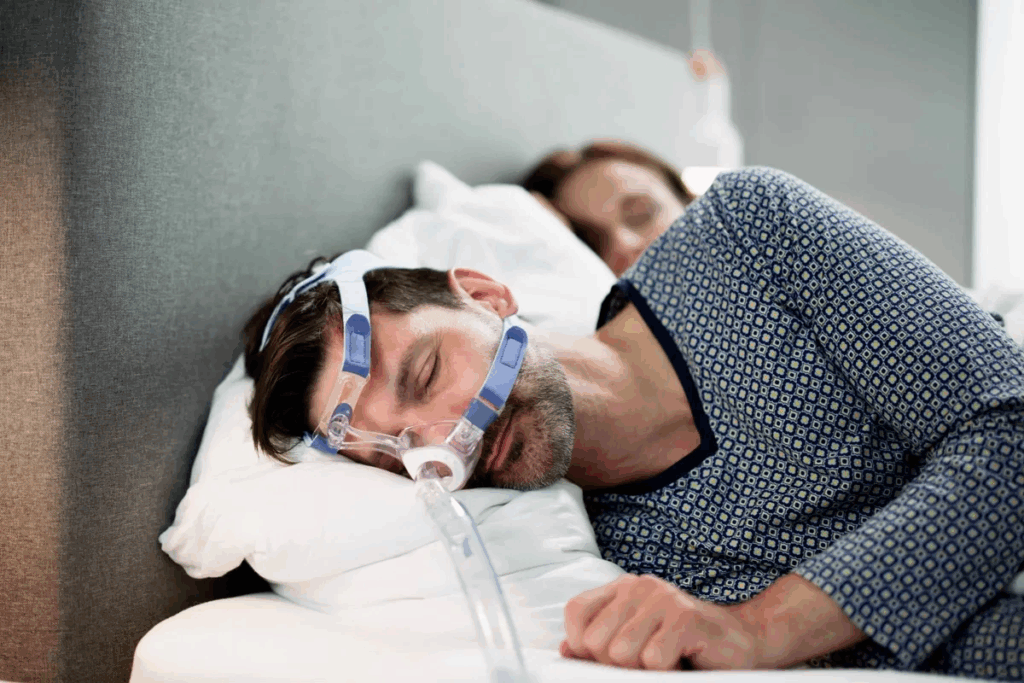
Sleep apnea affects 2-4 percent of middle-aged adults in the United States. It causes breathing pauses during sleep. These pauses can lead to serious health problems like stroke, heart attack, and high blood pressure if not treated.
For those who can’t use non-surgical treatments like CPAP therapy, surgical options are available. Modern surgery and advanced imaging help doctors find and fix airway blockages. They then suggest treatments that fit each person’s needs.
At Liv Hospital, we offer top-notch healthcare with support for international patients. Our aim is to give personalized care and treatment plans that meet each patient’s unique needs.
Is there surgery for sleep apnea? Yes, learn about the various procedures available to treat the condition.
Key Takeaways
- Sleep apnea is a serious disorder that affects a significant portion of the middle-aged population.
- Surgical options are available for those who cannot tolerate CPAP therapy.
- Modern surgical techniques and diagnostic imaging enable personalized treatment plans.
- Liv Hospital provides international expertise and support for patients.
- Personalized care is tailored to the unique needs of each patient.
Understanding Sleep Apnea and Its Impact
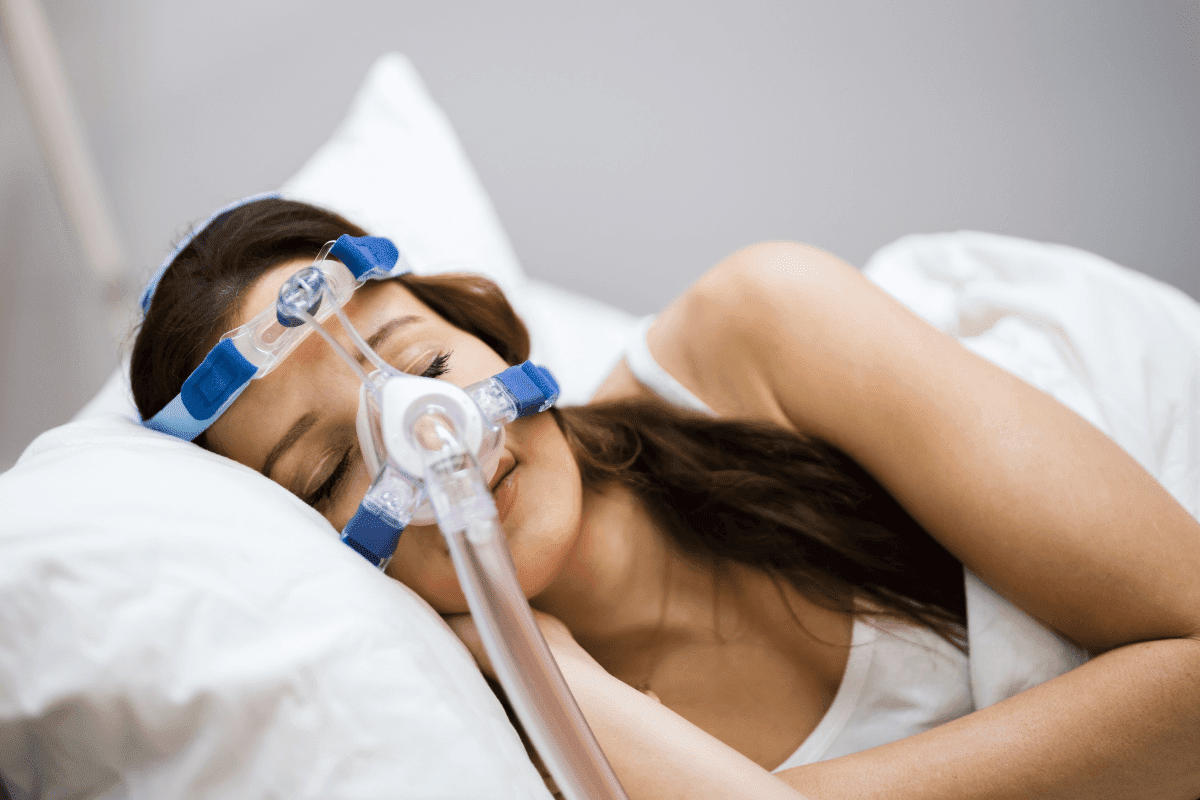
It’s key to understand sleep apnea to know its causes and effects. If not treated, it can change your life. We focus on giving full care to those with this condition.
What Causes Obstructive Sleep Apnea
Obstructive sleep apnea (OSA) happens when the airway gets blocked. This blockage is due to the soft tissue in the throat collapsing during sleep. Being overweight, having certain body shapes, and lifestyle choices can cause this blockage. Even a small blockage can mess up your sleep.
The blockage is often caused by a mix of things. These include:
- Being overweight, mainly around the neck
- A narrow airway because of genetics
- Lifestyle choices like smoking and drinking alcohol
Health Consequences of Untreated Sleep Apnea
Not treating sleep apnea can lead to serious health problems. The constant breaks in breathing can harm the heart, leading to high blood pressure, heart attacks, and strokes. We aim to help patients grasp these risks and manage their condition well.
Untreated sleep apnea can harm more than just the heart. It can also affect how you feel and function every day. Some major effects include:
Health Consequence | Description |
Cardiovascular Disease | Higher risk of heart attacks, strokes, and high blood pressure |
Daytime Fatigue | Feeling very tired and hard to focus during the day |
Mental Health Impacts | More chance of depression, anxiety, and being easily irritated |
We stress the need to treat sleep apnea to avoid these risks and improve life quality.
When to Consider Surgery for Sleep Apnea
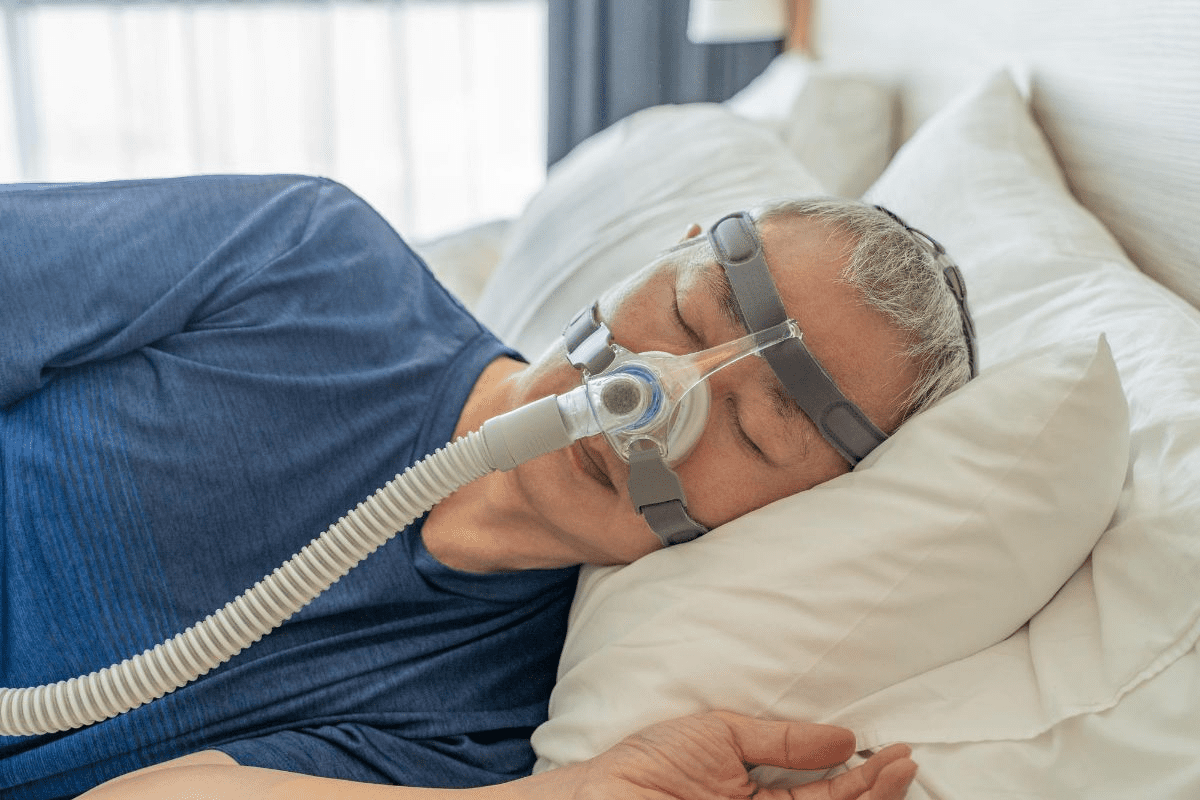
If other treatments for sleep apnea don’t work, surgery might be next. Sleep apnea affects millions, disrupting sleep and health. For some, surgery is the best option when other treatments fail.
CPAP Intolerance and Treatment Failure
Many turn to surgery because they can’t handle CPAP therapy. CPAP is a common treatment but can be uncomfortable. CPAP intolerance can come from mask discomfort, trouble exhaling, or feeling trapped.
If CPAP doesn’t work or is too hard to use, other options are needed. Surgery for sleep apnea is considered when other treatments don’t help.
Evaluating Your Candidacy for Surgical Intervention
To see if surgery is right for you, we do a detailed check. We look at your sleep apnea and health to decide if surgery is a good choice.
We consider how severe your sleep apnea is, your health, and any treatments you’ve tried. This helps us suggest the best surgery for you. We’ll explain the procedure, its benefits and risks, so you know what to expect.
Our team focuses on personalized care. We tailor your treatment to fit your needs. If surgery is needed, we’ll make sure you understand everything about it.
Tissue Reduction Procedures
Tissue reduction surgeries, like UPPP and LAUP, aim to lessen sleep apnea by tackling airway blockage. They remove or shrink throat tissue. This makes the airway wider and breathing better during sleep.
Uvulopalatopharyngoplasty (UPPP)
UPPP is a common surgery for sleep apnea. It removes or shrinks tonsils, uvula, and soft palate parts. This reduces throat tissue, preventing airway collapse during sleep and lowering apneic events.
Key benefits of UPPP include:
- Significant reduction in sleep apnea severity
- Improvement in sleep quality
- Potential reduction in daytime fatigue
Laser-Assisted Uvulopalatoplasty (LAUP)
LAUP uses a laser to treat sleep apnea. It removes or reshapes the uvula and soft palate. LAUP is good for those with mild to moderate sleep apnea or who can’t handle more invasive surgeries.
Advantages of LAUP:
- Less invasive than traditional UPPP
- Can be done on an outpatient basis
- Potential for quicker recovery
UPPP and LAUP are key options for sleep apnea surgery. The right choice depends on the patient’s condition, sleep apnea severity, and health.
Jaw Repositioning Surgery Options
Maxillomandibular advancement is a promising treatment for sleep apnea. It involves moving the upper and lower jaw forward. This enlarges the airway, reducing blockages during sleep.
Maxillomandibular Advancement (MMA)
MMA is a top choice for treating sleep apnea, for those who haven’t found relief elsewhere. It moves the jaw forward to widen the airway. This improves airflow while sleeping.
The MMA procedure is tailored to each patient’s specific needs. It considers the severity of sleep apnea and the patient’s anatomy. By moving the jaw, MMA prevents the airway from collapsing. This reduces sleep disruptions and improves sleep quality.
Recovery and Success Rates for Jaw Surgery
Recovering from MMA surgery takes time. Patients often feel swelling and discomfort in the jaw and face. Pain medication and cold compresses help manage these symptoms. It’s important to stick to a soft-food diet and avoid hard work during the recovery.
Studies show MMA surgery greatly improves sleep apnea symptoms for most patients. Success rates vary, but many see a big drop in apnea-hypopnea index (AHI) scores. This means better airway openness and fewer sleep problems.
The success of MMA surgery depends on several factors. These include the patient’s health, the severity of sleep apnea, and the surgeon’s skill. Healthcare providers carefully assess these factors to help patients get the best results from jaw surgery.
Is There Surgery for Sleep Apnea That Targets the Tongue?
For some, tongue surgery might help with sleep apnea. The tongue can block the airway at night. Surgery can fix this problem.
Genioglossus Advancement
Genioglossus advancement moves the genioglossus muscle forward. This muscle makes the tongue stick out. Moving it helps keep the airway open at night.
Benefits of Genioglossus Advancement:
- Reduces obstruction caused by the tongue
- Can be performed in conjunction with other sleep apnea surgeries
- Minimally invasive with a relatively quick recovery
Tongue Reduction Procedures
Tongue reduction makes the tongue smaller. This makes it less likely to block the airway. It involves removing or shrinking tongue tissue.
The table below shows the main differences between genioglossus advancement and tongue reduction:
Procedure | Description | Benefits |
Genioglossus Advancement | Repositions the genioglossus muscle to prevent tongue obstruction | Reduces airway obstruction, can be combined with other surgeries |
Tongue Reduction | Reduces the size of the tongue to minimize obstruction | Decreases tongue size, potentially improving airway patency |
Genioglossus advancement and tongue reduction might help sleep apnea patients. It’s key to talk to a doctor to find the best treatment.
Hypoglossal Nerve Stimulation Therapy
Hypoglossal nerve stimulation is a new approach to treating sleep apnea. It involves a device that stimulates the hypoglossal nerve. This nerve controls the tongue’s movement. By keeping the tongue forward, the airway stays open, reducing sleep apnea symptoms.
Mechanism of Nerve Stimulation
The device sends electrical impulses to the hypoglossal nerve. This makes the tongue move forward, away from the throat. This action stops the tongue from blocking the airway, reducing sleep apnea events.
Candidacy and Success Rates
Not everyone with sleep apnea can get this therapy. It’s best for those with moderate to severe sleep apnea who can’t use CPAP. Research shows it can lower the apnea-hypopnea index (AHI) in the right patients.
Many patients see big improvements in their sleep and life quality. Key benefits include:
- Improved sleep quality
- Reduced sleep apnea symptoms
- Minimally invasive procedure
- Adjustable settings for a personalized approach
It’s important for patients to talk to a doctor. They can decide if this therapy is right for them.
Nasal Surgery for Sleep Apnea
Nasal obstructions can make sleep apnea worse. Septoplasty can help fix these problems. This surgery is used when nasal issues worsen sleep apnea.
Septoplasty and Turbinate Reduction
Septoplasty fixes a deviated nasal septum, a common cause of blockage. Turbinate reduction makes the turbinate bones smaller. Both can help air flow better through the nose, which might lessen sleep apnea symptoms.
Benefits of Nasal Surgery:
- Improved nasal airflow
- Reduced nasal resistance
- Potential decrease in sleep apnea severity
Benefits and Limitations of Nasal Procedures
Nasal surgery can make sleep better by removing blockages. But, how much it helps sleep apnea varies. Some see big improvements, while others don’t notice much.
Procedure | Benefits | Limitations |
Septoplasty | Corrects deviated septum, improves airflow | May not directly reduce sleep apnea severity |
Turbinate Reduction | Reduces nasal congestion | Can have variable outcomes on sleep apnea |
Nasal surgery is often part of a bigger plan to treat sleep apnea. It’s key to talk to a doctor to find the best treatment for you.
Comparing Success Rates of Sleep Apnea Surgeries
Looking at how well sleep apnea surgeries work means we need to see all the data. The success of these surgeries changes a lot. It depends on the surgery type and the patient’s health.
Factors Influencing Surgical Outcomes
Many things can affect how well sleep apnea surgery works. These include how bad the sleep apnea is, who gets surgery, and the surgery type.
- Severity of Sleep Apnea: People with more severe sleep apnea might have different results than those with less.
- Patient Selection: Choosing the right patients for surgery is key. Things like age, health, and other health issues matter a lot.
- Surgical Procedure: Each surgery has its own success rate. For example, Uvulopalatopharyngoplasty (UPPP) and Maxillomandibular Advancement (MMA) work differently for everyone.
Combining Multiple Surgical Approaches
Using more than one surgery can sometimes help sleep apnea patients more. This way, doctors can tackle more problems at once. This might lead to better results.
Surgical Procedure | Success Rate | Common Complications |
UPPP | 40-50% | Pain, bleeding, infection |
MMA | 75-90% | Malocclusion, nerve damage |
Hypoglossal Nerve Stimulation | 60-80% | Device malfunction, tongue weakness |
Knowing what affects surgery success and the benefits of using more than one surgery helps. This way, patients and doctors can make better choices for treating sleep apnea.
Conclusion
Treating sleep apnea needs a plan made just for you. Surgery is a big part of managing this condition. We’ve looked at different surgeries, like removing tissue, moving the jaw, and using nerve stimulation.
At our place, we know every patient is different. The best treatment might mix these surgeries. Knowing the options helps patients choose the right care for them.
We’re all about giving patients with sleep apnea the best care. We want to help them sleep better and feel healthier. Our goal is to make sure each patient gets the care they need, whether it’s surgery or other treatments.
FAQ
What is sleep apnea surgery?
Sleep apnea surgery is a set of procedures aimed at treating sleep apnea. It focuses on removing blockages in the airway during sleep.
Is there a surgery for sleep apnea?
Yes, there are several surgical options for sleep apnea. These include reducing tissue, jaw repositioning, and nerve stimulation.
What are the different types of sleep apnea surgery?
Sleep apnea surgery types include UPPP, LAUP, MMA, and more. These procedures aim to widen the airway and reduce obstruction.
What is UPPP surgery for sleep apnea?
UPPP surgery removes excess throat tissue. This helps widen the airway and reduce blockages.
How does jaw repositioning surgery help with sleep apnea?
Jaw repositioning surgery, like MMA, advances the jaw. This widens the airway and reduces sleep apnea symptoms.
What is hypoglossal nerve stimulation therapy?
Hypoglossal nerve stimulation therapy implants a device. It stimulates the tongue to keep the airway open during sleep.
Can nasal surgery help with sleep apnea?
Yes, nasal surgeries like septoplasty and turbinate reduction can improve sleep quality. They reduce sleep apnea symptoms by correcting nasal obstructions.
What are the success rates of sleep apnea surgeries?
Success rates vary by procedure and patient. Many see significant symptom improvement, but results depend on individual factors.
How do I know if I’m a candidate for sleep apnea surgery?
Our team will assess your condition and health to determine if surgery is right for you.
Can combining multiple surgical approaches improve outcomes for sleep apnea?
Yes, combining surgeries can lead to better results for some patients. It depends on their specific condition and needs.
What is the recovery process like after sleep apnea surgery?
Recovery varies by surgery type. Our team provides personalized care to ensure a smooth recovery.
Are there any risks associated with sleep apnea surgery?
Like any surgery, sleep apnea surgery carries risks. Our team will discuss these with you and help you make an informed decision.
References
National Center for Biotechnology Information. (2025). What Are Your Sleep Apnea Surgery Options Sleep. Retrieved from https://pmc.ncbi.nlm.nih.gov/articles/PMC7435437/



 Departments
 Related Videos
 Our Doctors
 News
News






















