Are you gaining weight, feeling tired all the time, and having itchy skin? These problems might be linked to low thyroid function. This is a common issue that affects many people around the world.
At Liv Hospital, we use international medical knowledge and tested methods to find and treat hypothyroidism. This helps you get your energy back and improve your skin health. Hypothyroidism happens when your thyroid gland doesn’t make enough thyroid hormones. It affects about 4.6 percent of people in the United States.
Key Takeaways
- Understanding the symptoms of hypothyroidism, including weight gain, fatigue, and itchy skin.
- The importance of proper diagnosis and treatment for hypothyroidism.
- How hypothyroidism affects the body and overall health.
- Managing weight gain, fatigue, and itchy skin through effective treatment.
- The role of Liv Hospital in providing complete care for hypothyroidism.
Understanding Low Thyroid Function
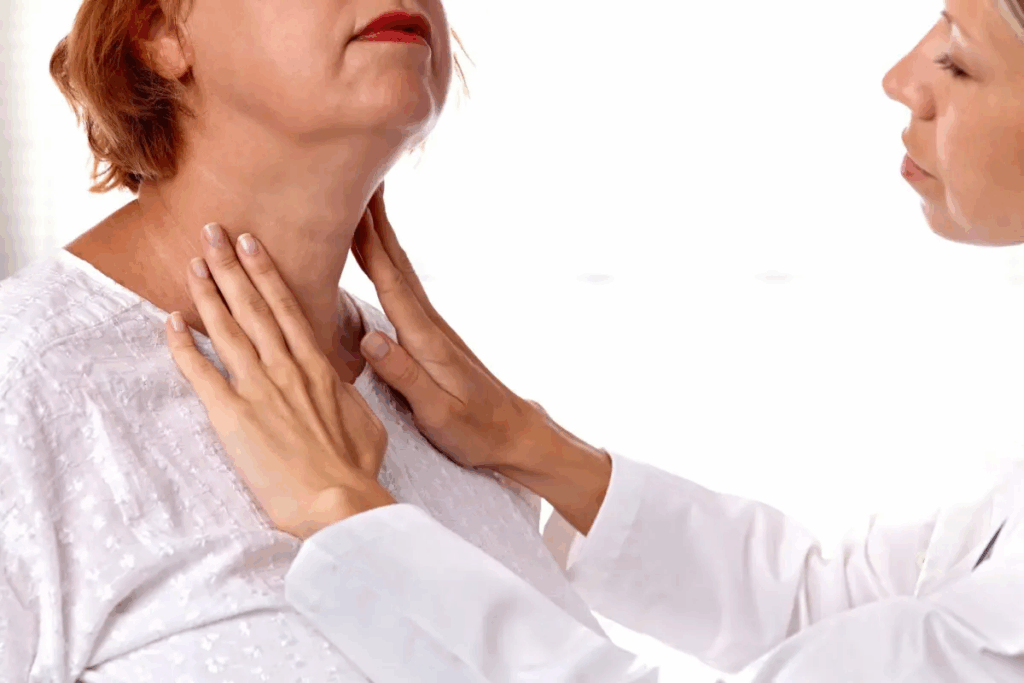
It’s important to know about low thyroid function to manage its symptoms and improve life quality. Low thyroid function, or hypothyroidism, happens when the thyroid gland doesn’t make enough thyroid hormones. These hormones are key for metabolism, energy, and body functions.
What Is Hypothyroidism?
Hypothyroidism is when the thyroid gland doesn’t work well and doesn’t make enough thyroid hormones. These hormones help control metabolism, energy, and growth. Low thyroid hormone levels can cause symptoms like fatigue, weight gain, and itchy skin.
How Common Is Low Thyroid Disease?
Low thyroid disease, or hypothyroidism, affects millions worldwide. The American Thyroid Association says about 20 million Americans have thyroid disease, with hypothyroidism being the most common. It’s more common in women and gets more common with age.
Demographic | Prevalence of Hypothyroidism |
Women | More common |
Men | Less common |
Age Group: 20-40 | Less frequent |
Age Group: 60+ | More frequent |
The Role of T3 and T4 Hormones
The thyroid gland makes two main hormones: triiodothyronine (T3) and thyroxine (T4). These hormones are important for body functions like metabolism, heart rate, and temperature. T4 turns into T3 in the body, and T3 is the more active hormone. Knowing about T3 and T4 is key for treating hypothyroidism.
T3 and T4 Hormones: Their balance is vital for health. An imbalance can cause symptoms of low thyroid function.
Recognizing the Signs of Low Thyroid

Low thyroid function shows up in many ways. It’s key to know its signs. Hypothyroidism, or low thyroid, happens when the thyroid gland doesn’t make enough thyroid hormones. These hormones are vital for our body’s functions.
Primary Symptoms to Watch For
The main symptoms of hypothyroidism can really disrupt your life. Some common ones are:
- Fatigue: Feeling tired or sluggish is a big sign.
- Weight Gain: You might gain weight without eating more.
- Dry Skin: Your skin could get dry, rough, and cold.
- Hair Loss: You might notice your hair thinning or falling out.
Secondary Symptoms That May Appear
There are also secondary symptoms to watch for, like:
- Cold Intolerance: You might feel cold even when it’s not that chilly.
- Muscle Weakness: Your muscles could feel weak or sore.
- Irregular Menstrual Cycles: Women might see changes in their periods.
Symptom | Description |
Fatigue | Persistent feeling of tiredness or lack of energy |
Weight Gain | Unexplained weight gain despite normal or reduced food intake |
Dry Skin | Skin becomes dry, rough, and may crack |
When to See a Doctor
If you’re feeling several of these symptoms, see a doctor. They can check if you have hypothyroidism and suggest treatment. Early treatment can really help your quality of life.
Knowing the signs of low thyroid is the first step to managing it. By recognizing these signs and getting medical help when needed, you can take charge of your health. This way, you can lessen the effects of hypothyroidism on your daily life.
The Connection Between Itchy Skin, Weight Gain, and Fatigue
Thyroid hormones are key for our metabolism, energy, and skin health. When they’re low, we might gain weight, feel tired, and have itchy skin. This is because our body’s energy and skin health suffer when we don’t have enough thyroid hormones.
Why These Symptoms Occur Together
Itchy skin, weight gain, and fatigue happen together because of low thyroid hormones. Thyroid hormones help keep our skin healthy, control our metabolism, and give us energy. Without enough, we get dry, itchy skin, gain weight, and feel tired.
How Thyroid Hormones Affect Multiple Body Systems
Thyroid hormones affect many parts of our body. They help control our metabolism and keep our skin healthy. Here’s how they impact different areas:
Body System | Effect of Thyroid Hormones | Impact of Hypothyroidism |
Metabolic System | Regulates metabolic rate | Slows down metabolism, leading to weight gain |
Energy Production | Facilitates energy production | Decreases energy levels, causing fatigue |
Skin Health | Maintains skin integrity | Deteriorates skin health, leading to dryness and itchiness |
It’s important to understand how thyroid hormones work in our body. This helps doctors find the right treatment for symptoms like itchy skin, weight gain, and fatigue.
Getting Diagnosed: Tests for Low Thyroid Function
When you think you might have hypothyroidism, doctors run tests to find out. They check your blood for thyroid hormones and TSH levels. This helps them see if you have a low thyroid function.
TSH, T3, and T4 Blood Tests
The main tests for hypothyroidism are TSH, T3, and T4 blood tests. TSH is often considered the most sensitive indicator of thyroid function. Let’s look at what each test does:
- TSH (Thyroid-Stimulating Hormone): TSH is made by the pituitary gland. It tells the thyroid to make thyroid hormones. High TSH levels often mean you have hypothyroidism.
- T4 (Thyroxine): T4 is a hormone made by the thyroid. Low T4 levels can mean you have hypothyroidism.
- T3 (Triiodothyronine): T3 is another hormone from the thyroid. It helps with many body functions. Low T3 levels can also mean hypothyroidism.
Thyroid Antibody Testing
Doctors might also test for thyroid antibodies. This helps figure out if your hypothyroidism is caused by an autoimmune disease like Hashimoto’s thyroiditis. They look for:
- Thyroid peroxidase antibody (TPOAb): High levels can mean you have an autoimmune thyroid disease.
- Thyroglobulin antibody (TgAb): This antibody is also linked to autoimmune thyroiditis.
Interpreting Your Test Results
Understanding your thyroid test results can be tricky. It needs a doctor’s help. Here’s what usually happens:
- High TSH and low T4 levels usually mean you have hypothyroidism.
- Normal TSH and T4 levels usually mean you don’t have hypothyroidism. But, you might have subclinical hypothyroidism with slightly high TSH.
- Thyroid antibodies help diagnose autoimmune thyroiditis.
It’s important to know what your test results mean. Talk to your doctor to understand your diagnosis and what to do next.
Medical Treatments for Hypothyroidism
The main treatment for hypothyroidism is thyroid hormone replacement therapy. This helps bring thyroid hormone levels back to normal. It makes symptoms better and improves life quality for those with hypothyroidism.
Synthetic Thyroid Hormone Replacement
Synthetic thyroid hormone, like levothyroxine, is often used. It acts like the natural hormone made by the thyroid gland. It helps control metabolism, energy, and overall health.
Benefits of Synthetic Thyroid Hormone:
- It’s effective in managing hypothyroidism symptoms
- Most patients find it well-tolerated
- It comes in various strengths
Natural Desiccated Thyroid Options
Natural desiccated thyroid (NDT) is another option. It’s made from animal thyroid glands. It has T4 and T3 hormones, plus other substances like thyroid hormones.
Considerations for NDT:
- Some patients prefer it if synthetic T4 alone doesn’t work
- It has a mix of hormones, which can help some
- It needs careful dosing and monitoring
Finding the Right Medication Dosage
Finding the right dosage of thyroid hormone is key. Age, weight, and how severe the hypothyroidism is affect the dosage. Blood tests help doctors adjust the dosage to keep hormone levels right.
Factors Influencing Dosage | Description |
Age | Older adults may need lower doses because their metabolism slows down |
Weight | The dosage might change based on body weight |
Severity of Hypothyroidism | Those with more severe cases might need higher doses |
Monitoring Treatment Effectiveness
It’s important to regularly check thyroid hormone levels and symptoms. This ensures the treatment is working. Sometimes, the dosage needs to be changed to keep thyroid function optimal.
Knowing about the medical treatments for hypothyroidism helps people work with their doctors. Whether it’s synthetic hormone or natural desiccated thyroid, the goal is to balance thyroid hormones and improve health.
Managing Weight Gain from Low Thyroid
Weight gain is a common symptom of low thyroid function. It affects many aspects of health. When thyroid hormone levels are low, metabolism slows down, leading to weight gain. This weight gain can be frustrating and challenging to manage, but with the right strategies, individuals with hypothyroidism can achieve a healthy weight.
Why Hypothyroidism Causes Weight Gain
Hypothyroidism leads to weight gain mainly because of a decrease in metabolic rate. Thyroid hormones play a key role in regulating metabolism. When their levels are low, the body’s ability to burn calories efficiently is impaired. This results in weight gain, mainly in the form of fat accumulation.
Also, hypothyroidism can cause changes in appetite and food cravings. These changes contribute to weight gain. Understanding these changes is key to developing effective weight management strategies.
Dietary Strategies for Thyroid Patients
Diet is very important in managing weight gain associated with hypothyroidism. A balanced diet rich in nutrients supports thyroid function and overall health. It’s important to focus on whole foods, including vegetables, fruits, lean proteins, and whole grains.
- Increasing protein intake can help boost metabolism.
- Eating foods rich in omega-3 fatty acids, such as salmon, can support thyroid health.
- Avoiding processed foods and sugary drinks can help manage weight.
Exercise Approaches That Work
Exercise is also key in managing weight gain with hypothyroidism. A combination of aerobic exercises and strength training is effective. Aerobic exercises, such as walking or cycling, help burn calories. Strength training builds muscle mass, further boosting metabolism.
It’s important to start slowly and gradually increase the intensity and duration of workouts. This helps avoid fatigue and injury.
Setting Realistic Weight Management Goals
Setting realistic goals is vital for successful weight management. Individuals with hypothyroidism should aim to lose weight gradually, typically 1-2 pounds per week. This approach is more sustainable and less likely to result in frustration or burnout.
Working with a healthcare provider or a registered dietitian can help in creating a personalized weight management plan. This plan takes into account the individual’s specific needs and health status.
Combating Fatigue and Low Energy
Fatigue is a big challenge for people with hypothyroidism. It makes them feel very tired and weak. This tiredness affects their daily life, from work to personal care.
Understanding Thyroid-Related Fatigue
Thyroid-related fatigue happens when the body doesn’t make enough thyroid hormones. These hormones help cells make energy. Without enough, the body’s energy slows down, making people feel very tired.
Key Factors Contributing to Fatigue in Hypothyroidism:
- Reduced thyroid hormone production
- Slowed metabolism
- Potential anemia or low red blood cell count
- Sleep disturbances
Energy-Boosting Nutrition Tips
Eating the right foods is key to fighting fatigue in hypothyroidism. Some foods can really help boost energy.
Nutrient | Food Sources | Benefit |
Iron | Red meat, spinach, beans | Essential for healthy red blood cells |
Vitamin B12 | Fish, meat, dairy products | Crucial for energy production |
Complex Carbohydrates | Whole grains, fruits, vegetables | Provides sustained energy |
A healthcare expert says, “Eating a balanced diet full of important nutrients can really help improve energy in people with hypothyroidism.”
“A well-balanced diet rich in essential nutrients can significantly improve energy levels in patients with hypothyroidism.”
Healthcare Professional
Activity Planning and Energy Conservation
Managing fatigue means planning your day and saving energy. By focusing on important tasks and taking breaks, you can stay productive without getting too tired.
Pacing Techniques:
- Break tasks into smaller, manageable chunks
- Take regular breaks to rest
- Prioritize essential tasks over less important ones
Improving Sleep Quality
People with hypothyroidism often have trouble sleeping, which makes fatigue worse. Getting better sleep is key to managing energy.
Sleep Improvement Strategies:
- Establish a consistent sleep schedule
- Create a relaxing bedtime routine
- Avoid caffeine and electronics before bedtime
By understanding and managing thyroid-related fatigue, people can feel more energetic and live better lives.
Treating Itchy Skin, Weight Gain, and Fatigue as a Symptom Triad
Hypothyroidism often shows up as a set of symptoms: itchy skin, weight gain, and fatigue. These can be tough to handle without a full treatment plan. We know these symptoms are linked and need a complete treatment plan.
Holistic Approaches to Multiple Symptoms
A holistic treatment for hypothyroidism looks at the whole person, not just symptoms. It might include changing your diet, managing stress, and making lifestyle changes. These can help with itchy skin, weight gain, and feeling tired.
- Dietary adjustments: Eating foods full of omega-3s, vitamins, and minerals can help fight inflammation and boost health.
- Stress management techniques: Yoga, meditation, and deep breathing can lessen stress’s effect on the thyroid.
- Lifestyle modifications: Regular exercise, enough sleep, and a healthy weight can improve symptoms.
When to Address Each Symptom Separately
While a holistic approach is good, sometimes you need to tackle each symptom on its own. For example, if itchy skin is really bad and affects your daily life, you might need special creams or antihistamines.
Key considerations for addressing individual symptoms:
- Severity of the symptom: If a symptom is really affecting your life, it might need its own treatment.
- Impact on quality of life: Symptoms that really bother you or make life hard might need special care.
- Response to initial treatment: If the first holistic steps don’t help enough, you might need to treat specific symptoms separately.
Tracking Symptom Improvements
It’s important to watch how symptoms change over time. Keeping a symptom journal can help track these changes. This way, you can see if your treatment is working and make changes if needed.
“Keeping a symptom journal can provide valuable insights into how well your treatment plan is working and help identify areas that may need adjustment.”
Also, regular check-ups with your doctor are key. They help see if your treatment is working and make any needed changes.
Natural Remedies and Supplements for Thyroid Support
Some people look into natural remedies and supplements for thyroid health, aside from traditional medicine. It’s key to talk to a doctor before adding any supplements. This is because they can affect how medicines work or cause problems in some people.
Evidence-Based Supplements
Certain supplements might help with thyroid health. Selenium is important for the thyroid and can lower thyroid antibodies in some studies.
Vitamin D is also good for those with hypothyroidism. Low vitamin D levels are linked to thyroid diseases. Getting enough vitamin D through sun, food, or supplements is important.
Supplement | Potential Benefit | Considerations |
Selenium | Reduces thyroid antibody levels | Consult a healthcare professional for appropriate dosing |
Vitamin D | Supports overall thyroid health | Have your levels checked before supplementing |
Omega-3 Fatty Acids | May help reduce inflammation | Choose a high-quality fish oil supplement |
Herbal Approaches to Consider
Herbs like Ashwagandha and Bladderwrack are sometimes used for thyroid health. Ashwagandha may help with stress, which is good for the thyroid. Bladderwrack, a seaweed, is rich in iodine and used in some traditional practices.
But, herbal remedies can be tricky. They might interact with medicines or cause side effects. Always check with a doctor before trying herbal supplements.
Supplements to Avoid with Thyroid Medication
Some supplements can mess with thyroid medication or make hypothyroidism worse. Calcium and iron supplements can affect how well thyroid hormones are absorbed. It’s best to take these supplements at least four hours apart from your thyroid medicine.
Too much iodine can also make hypothyroidism worse. Always talk to your doctor about any supplements you’re taking. This helps manage your hypothyroidism safely and effectively.
Lifestyle Modifications for Better Thyroid Health
Thyroid health is closely tied to our lifestyle choices. Making changes can help manage hypothyroidism symptoms. This can improve our overall quality of life.
Stress Management Techniques
Stress can make thyroid symptoms worse. That’s why managing stress is key. Meditation and yoga can help reduce stress and boost well-being. Adding these to our daily routine can help our thyroid function.
Deep breathing exercises and progressive muscle relaxation also help with stress. By focusing on stress management, we can live a more balanced life that supports our thyroid.
Environmental Factors That Affect Thyroid Function
Environmental toxins can harm our thyroid. It’s important to limit our exposure to them. Avoiding plastics with BPA and phthalates and choosing organic produce helps. Using non-toxic household cleaners and personal care products also supports a healthier environment for our thyroid.
Creating a Thyroid-Friendly Routine
Creating a daily routine that supports thyroid health is important. Eating a balanced diet full of nutrients like iodine, selenium, and zinc is key. Regular physical activity also helps manage symptoms and improves health. Getting enough sleep and keeping a consistent sleep schedule supports thyroid function.
By making these lifestyle changes, people with hypothyroidism can actively manage their condition. This can greatly improve their overall well-being.
Special Considerations for Women with Low Thyroid
Women with hypothyroidism face special challenges, like during pregnancy and menopause. These life stages can affect their health and well-being. It’s important to consider these factors.
Pregnancy and Hypothyroidism
Pregnancy is a time when thyroid function is very important. It affects both the mother and the baby. Hypothyroidism can lead to complications like miscarriage and preterm labor.
Key Considerations:
- Regular monitoring of thyroid hormone levels
- Adjustments to medication dosage as needed
- Close collaboration with healthcare providers
Menopause and Thyroid Function
Menopause brings challenges for women with hypothyroidism. The drop in estrogen can change thyroid function. This might affect symptoms or how well medication works.
Management Strategies:
Strategy | Description |
Regular Thyroid Monitoring | Frequent checks on thyroid hormone levels to adjust medication |
Lifestyle Adjustments | Dietary changes and stress management to support thyroid health |
Symptom Tracking | Keeping a record of symptoms to identify patterns or changes |
Addressing Hormonal Imbalances
Hormonal imbalances are common in pregnancy and menopause. They can affect thyroid function. It’s important to manage these imbalances to control hypothyroidism.
Approach to Hormonal Balance:
- Comprehensive hormonal evaluation
- Personalized treatment plans
- Ongoing monitoring and adjustments
Understanding the special needs of women with hypothyroidism is key. This is true during pregnancy and menopause. A holistic approach helps women manage their health during these important times.
Conclusion: Living Well with Hypothyroidism
Living with hypothyroidism means taking a full approach to manage symptoms and boost thyroid health. It starts with understanding the condition, spotting its signs, and getting a proper diagnosis. This is the first step towards effective management.
Managing hypothyroidism involves medical treatments, lifestyle changes, and natural remedies. With the right treatment, like synthetic thyroid hormone or natural desiccated thyroid, symptoms like weight gain, fatigue, and itchy skin can lessen.
Adding dietary strategies, exercise, and stress management can also help improve thyroid health and overall well-being. We urge those with hypothyroidism to team up with their healthcare providers. Together, they can create a personalized plan to manage the condition and enhance life quality.
FAQ
What does it mean to have a low thyroid?
Having a low thyroid, or hypothyroidism, means your thyroid gland doesn’t make enough hormones. These hormones are key for your body’s functions, like metabolism and energy.
What are the common symptoms of hypothyroidism?
Symptoms of hypothyroidism include feeling tired, gaining weight, and dry skin. You might also feel cold, lose hair, and feel depressed. These symptoms can really affect your daily life.
How is hypothyroidism diagnosed?
Doctors use blood tests to check your thyroid hormone levels. They look at TSH, T3, and T4. They might also test for thyroid antibodies to see if you have an autoimmune issue.
What are the treatment options for hypothyroidism?
Treatment for hypothyroidism includes synthetic hormones and natural options. The goal is to get your hormone levels back to normal and ease your symptoms.
How can I manage weight gain caused by hypothyroidism?
To manage weight gain, change your diet, exercise, and lifestyle. Eat well, move more, and set achievable weight goals. This helps manage your weight.
What can I do to combat fatigue and low energy?
To fight fatigue, focus on good nutrition, plan your activities, and sleep well. Eat foods rich in nutrients, pace yourself, and sleep regularly. This boosts your energy.
Are there any natural remedies or supplements that can support thyroid health?
Some supplements, like selenium and omega-3s, might help your thyroid. But always talk to a doctor before taking them, even if you’re already on thyroid meds.
How can I manage itchy skin caused by hypothyroidism?
To deal with itchy skin, moisturize, avoid irritants, and use gentle products. Sometimes, you might need medical help to stop the itching.
Can lifestyle modifications make a difference in managing hypothyroidism?
Yes, changing your lifestyle can help a lot. Manage stress, avoid toxins, and create a routine that’s good for your thyroid. This improves your overall health.
Are there any special considerations for women with hypothyroidism?
Women with hypothyroidism should think about pregnancy and menopause. These times can affect your thyroid. Always work closely with your doctor to manage your hormones and thyroid health.
Reference
National Center for Biotechnology Information. Hypothyroidism: Weight, Fatigue, and Skin Management. Retrieved from https://www.ncbi.nlm.nih.gov/books/NBK519536/



 Departments
 Related Videos
 Our Doctors
 News
News