
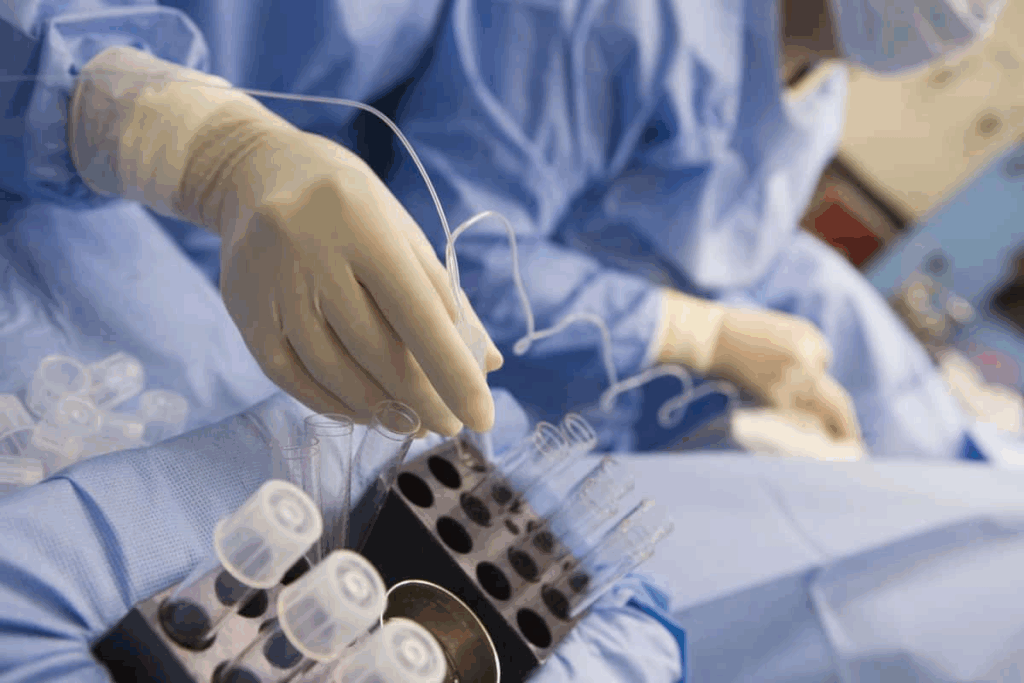
Intrauterine insemination (IUI) is a popular, affordable fertility treatment. Studies show that IUI success rates are between 8.9 to 14.4 percent per cycle. Knowing how IUI works and preparing well can boost your chances of success. Get our 7 essential IUI tips for amazing success. This key guide explains how to prepare your body and mind for the procedure.
To get ready for IUI, you need a detailed plan. This includes learning about the treatment, staying healthy, and handling stress. With the right steps, you can improve your chances of a successful IUI.
Key Takeaways
- Understand the IUI process to optimize success rates.
- Maintain a healthy lifestyle to support fertility.
- Manage stress to improve IUI outcomes.
- Follow a complete plan to prepare for IUI.
- Using proven methods can increase IUI success.
Understanding Intrauterine Insemination (IUI)
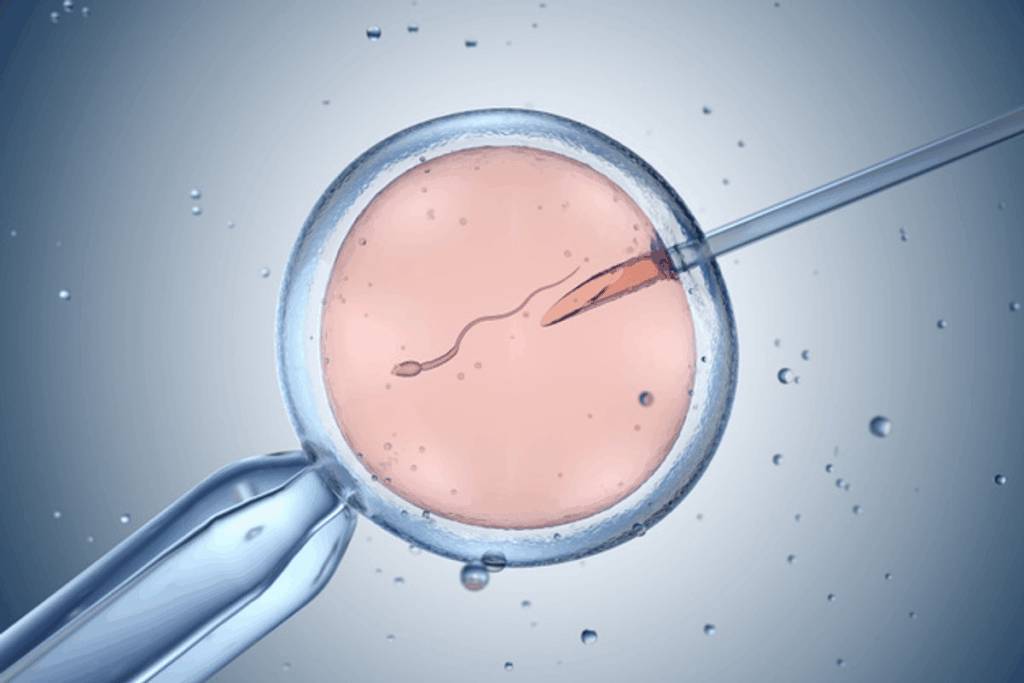
For many individuals and couples, understanding IUI is key to their fertility journey.
What Is IUI and How Does It Work?
Intrauterine insemination (IUI) is a fertility treatment. It involves placing sperm directly into the uterus. The process includes ovulation monitoring, sperm preparation, and insemination.
By skipping the cervix and vagina, IUI boosts sperm’s chance to meet the egg. This increases fertilization chances.
The IUI process starts with ovulation monitoring. We track the woman’s cycle for the best insemination time. This is done through ultrasound and hormone tests.
When the time is right, a sperm sample is prepared in the lab. The healthiest sperm are chosen. Then, the sperm is inserted into the uterus using a catheter. This is a quick and painless procedure.
Who Is IUI Best Suited For?
IUI is recommended for couples with unexplained infertility or mild male factor infertility. It’s also good for women with cervical scarring or issues. Single women or same-sex couples using donor sperm can also try IUI.
Whether IUI is right depends on several factors. These include the woman’s age, sperm quality, and any fertility issues. We assess these to decide if IUI is the best option.
The IUI Procedure: What to Expect
On IUI day, we start by preparing the sperm. The woman lies on the table, and a speculum is used to see the cervix. A catheter with the sperm is then inserted into the uterus.
The whole process takes just a few minutes. Some women might feel mild cramping. After, we suggest a short rest before going back to normal activities.
IUI Success Rates: What the Research Shows
It’s important to know the success rates of Intrauterine Insemination (IUI) for those thinking about it. The success rates for IUI are between 8.9 to 14.4 percent per cycle. These rates can change based on age and the type of fertility medication used.
Current Success Statistics
Research shows that IUI success rates can vary a lot. They range from 8.9% to 14.4% per cycle. This shows how key it is to know what affects IUI success.
- Age: A big factor in IUI success rates.
- Fertility Medications: The kind of medication used can change success rates.
- Underlying Fertility Issues: Problems like endometriosis or male infertility can affect results.
Age-Related Success Factors
Age is a big deal when it comes to IUI success. Studies show success rates drop a lot after 35. This is because egg quality and quantity go down with age.
- Women under 35: Have higher success rates because of better egg quality.
- Women between 35-40: Success rates start to go down.
- Women over 40: See a big drop in success rates.
Impact of Different Fertility Medications on Outcomes
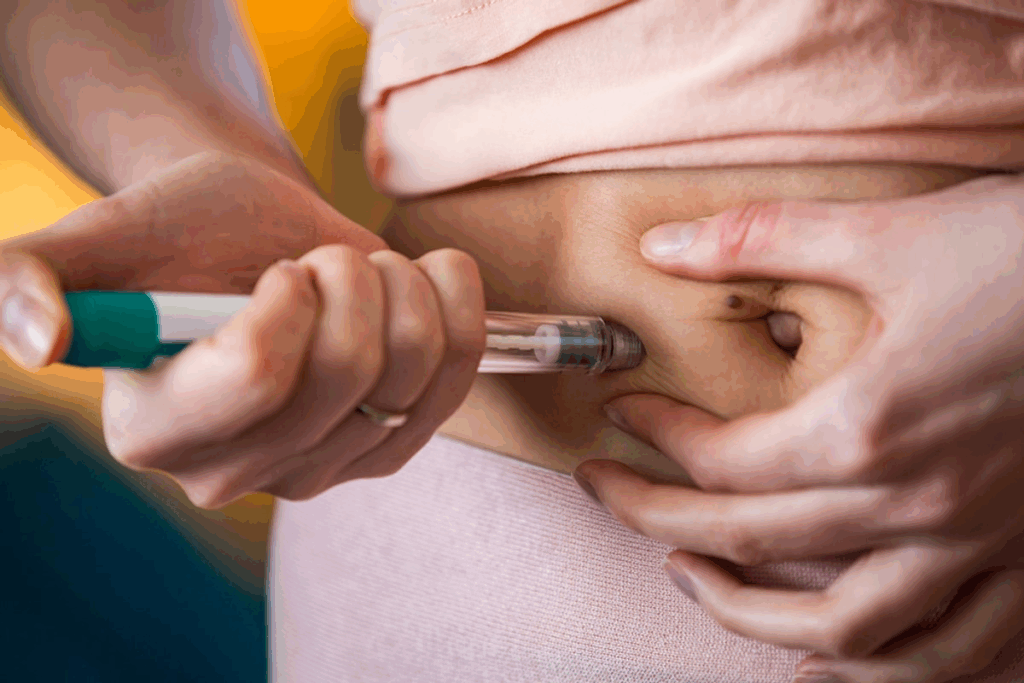
The type of fertility medication used can really affect IUI success rates. Injectable gonadotropins lead to higher pregnancy rates than clomiphene citrate. Knowing the good and bad of each medication is key to better IUI results.
Medication Type | Success Rate | Considerations |
Clomiphene Citrate | Lower | Less expensive, easier to use |
Injectable Gonadotropins | Higher | More expensive, needs injections |
Proven IUI Tips for Improving Your Success Chances
Getting a successful IUI outcome is more than just the procedure. It’s about the steps you take before and during it. By using the right strategies, you can boost your chances of success with IUI.
The Science Behind These Recommendations
Several tips backed by science can help improve IUI success rates. These include living a healthy lifestyle, managing stress, and timing the procedure right. Studies show that age, health, and fertility issues are key to IUI success.
Important factors for IUI success include:
- The quality of the sperm sample
- The timing of insemination in relation to ovulation
- The woman’s age and overall fertility health
- The presence of any underlying fertility conditions
Creating Your Personalized IUI Success Plan
To boost your IUI success, make a personalized plan that fits your needs. Work with your healthcare provider to:
- Check your fertility health
- Find any issues that might affect IUI success
- Make a treatment plan that meets your needs
By being proactive and informed about IUI, you can greatly improve your success chances.
We aim to help you confidently navigate your IUI journey. Follow these tips and work with your healthcare provider to create a plan that increases your success chances.
Tip 1: Optimize Your Physical Health Before Treatment
Getting your body ready for IUI treatment can really help. A healthy body is more likely to work well with the treatment. This can lead to a better outcome.
Fertility-Enhancing Nutrition Guidelines
Eating a balanced diet is key for fertility. Foods rich in antioxidants, like fruits and veggies, can boost egg and sperm health. Whole grains, lean proteins, and healthy fats are also good. A good diet supports health and helps with conception.
Some nutrients are great for fertility:
- Omega-3 fatty acids in fish and nuts
- Folate in leafy greens and cereals
- Vitamin D from dairy and sunlight
Nutrient | Food Sources | Benefits for Fertility |
Omega-3 Fatty Acids | Salmon, walnuts, chia seeds | Improves hormone production and overall reproductive health |
Folate | Spinach, beans, fortified cereals | Essential for preventing birth defects and supporting fetal development |
Vitamin D | Dairy products, sunlight exposure | Regulates hormone levels and improves fertility |
Exercise Recommendations for IUI Preparation
Exercise is also important for health before IUI. It helps keep a healthy weight, lowers stress, and boosts fertility. Good exercises are brisk walking, swimming, or yoga. But, don’t overdo it, as too much can harm fertility.
Good exercises include:
- Brisk walking or jogging
- Swimming or water aerobics
- Yoga or Pilates for flexibility and stress reduction
Supplements That May Support Fertility
While a balanced diet is essential, some supplements can help too. Always talk to your healthcare provider before taking any supplements. Some good ones are:
- Coenzyme Q10 (CoQ10) for antioxidants
- Vitamin D for hormone balance
- Omega-3 fatty acids for reproductive health
By eating right, exercising, and using the right supplements, you can get your body ready for IUI. This might increase your chances of success.
Tip 2: Choose the Right Fertility Medication Protocol
Choosing the right fertility medication is key for IUI treatment success. Different medications have their own benefits and limits. Knowing these differences helps improve IUI results.
Clomiphene Citrate (Clomid): Benefits and Limitations
Clomiphene citrate, or Clomid, is a common oral fertility drug. It triggers ovulation by releasing hormones. It’s easy to take, affordable, and has a lot of research backing it. But, it can also cause issues with the uterus lining and cervical mucus.
Key Considerations for Clomiphene Citrate:
- Works well for women with PCOS or irregular ovulation
- Less expensive than injectable drugs
- May affect the uterine lining and cervical mucus
Injectable Gonadotropins: Higher Success Rates and Considerations
Injectable gonadotropins are more potent than Clomid. They can make the ovaries produce more eggs, raising pregnancy chances. But, they also increase the risk of having twins or OHSS.
Key Considerations for Injectable Gonadotropins:
- Higher success rates than Clomid
- More chance of having twins
- Higher risk of OHSS
- More expensive than Clomid
Fertility Medication | Success Rate | Risk of Multiple Pregnancy | Cost |
Clomiphene Citrate | Lower | 5-10% | Lower |
Injectable Gonadotropins | Higher | 20-30% | Higher |
Monitoring Your Response to Medication
It’s important to watch how you react to fertility meds. This means regular ultrasounds and hormone tests. These help make sure the meds are working right.
Monitoring Techniques:
- Ultrasound checks on follicle growth
- Hormone tests (like estradiol levels)
- Adjusting meds based on how you respond
Managing Potencial Side Effects
Fertility meds can cause side effects, from mild to serious. Common ones include bloating, mood swings, and soreness at the injection site. Serious issues like OHSS need quick medical help.
Strategies for Managing Side Effects:
- Adjusting the dose
- Using meds to manage symptoms
- Making lifestyle changes (like diet and exercise)
Tip 3: Master Precise Ovulation Timing
To boost IUI success, knowing when you ovulate is key. Getting ovulation timing right is vital. It makes sure sperm meets the egg at the best time for fertilization.
Home Monitoring Methods That Work
There are home ways to figure out when you ovulate. These include:
- Ovulation Predictor Kits (OPKs): These kits find the LH surge in your urine. This surge happens 24-36 hours before you ovulate.
- Basal Body Temperature (BBT) Tracking: BBT can show you’ve ovulated. But it works best with other methods.
- Cervical Mucus Observation: Changes in cervical mucus hint at ovulation coming.
These home methods are easy to use and can be effective. But they might not be as exact as what clinics offer.
Clinic Monitoring Procedures
Clinic monitoring gives more exact timing with:
- Ultrasound Monitoring: This lets you see follicle growth and ovulation directly.
- Hormone Level Checks: Blood tests track LH and estrogen levels to predict ovulation.
These methods give precise timing but need more clinic visits.
Optimal Timing for the IUI Procedure
The best time for IUI is 24-36 hours after the LH surge. Or when the lead follicle is 18-20mm on ultrasound. This timing boosts the chance of sperm meeting the egg.
Using both home and clinic methods can give the most accurate timing. This accuracy is essential for better IUI success rates.
Tip 4: Partner Preparation for Maximum Sperm Quality
Sperm quality is key for intrauterine insemination (IUI) success. We help couples improve their chances by focusing on the male partner’s role. This includes making lifestyle changes to boost sperm quality.
Lifestyle Changes to Improve Sperm Parameters
Changing your lifestyle can greatly improve sperm quality. Quitting smoking and cutting down on alcohol are important. Both can harm sperm count and motility.
Keeping a healthy weight and eating a balanced diet full of antioxidants is also beneficial. Foods rich in vitamins C and E, selenium, and zinc help protect sperm from damage.
“A healthy lifestyle is not just beneficial for overall health but is also key for sperm quality. Simple changes can significantly improve fertility outcomes.”
Optimal Abstinence Period Before Sample Collection
Finding the right time before sperm collection is important. It might seem like longer abstinence means better sperm quality. But research shows that 2 to 3 days of abstinence is best for count and motility.
- Abstaining for too long can lower sperm motility.
- Not abstaining enough might result in lower sperm count.
Day-of Collection Guidelines for Best Results
On the day of sperm collection, follow certain guidelines for the best sample. Stay hydrated and avoid too much caffeine or stress before giving the sample.
The sample should go into a sterile container from the clinic. It’s important to follow the clinic’s instructions to avoid contamination.
By focusing on these areas, couples can increase their chances of IUI success. It’s not just about medical aspects. It’s also about making lifestyle choices that support fertility.
Tip 5: Day-of-IUI Preparation Strategies
Getting ready for your IUI can really help your experience. Being prepared lowers stress and lets you enjoy your fertility journey more.
Physical Preparation Checklist
Being physically ready is key for a good IUI. Eat well and drink lots of water before your treatment.
- Hydration: Drink plenty of water to stay hydrated.
- Nutrition: Eat foods that help your fertility.
- Rest: Rest well to get your body ready.
Physical Preparation Tips | Benefits |
Staying Hydrated | Improves overall health and fertility |
Eating a Balanced Diet | Supports reproductive health |
Getting Plenty of Rest | Reduces stress and improves well-being |
Mental and Emotional Readiness
Being mentally and emotionally ready is as important as being physically ready. Handling stress and anxiety can make your IUI better.
- Relaxation Techniques: Try deep breathing or meditation.
- Support System: Have people you can count on, like a partner or friend.
- Positive Mindset: Keep a positive outlook by focusing on the good things.
What to Bring and Wear to Your Appointment
Knowing what to bring and wear can make your IUI smoother.
- Comfortable Clothing: Wear something comfy to your appointment.
- Required Documents: Bring any needed papers, like insurance or ID.
- Support Person: Bring someone for emotional support.
By following these tips, you can reduce stress and enjoy your IUI more. Being ready physically, mentally, and emotionally makes a big difference in your journey.
Tip 6: Critical Post-IUI Care for Enhanced Success
To get the most out of your IUI treatment, following a good post-procedure care plan is key. Proper care can greatly improve your chances of getting pregnant. “The care you take after the procedure can make all the difference in the outcome,” say fertility experts.
Activity Guidelines After the Procedure
After your IUI, it’s wise to avoid heavy lifting and hard exercise for a bit. You don’t need to stay in bed, but taking it easy for a couple of days helps your body heal. Avoiding intense physical activities can reduce discomfort and help the implantation process.
Here are some activity guidelines to keep in mind:
- Avoid heavy lifting or bending
- Limit strenuous exercise or high-impact activities
- Take regular breaks to rest
Luteal Phase Support Options
The luteal phase, after ovulation and IUI, is key for implantation. Supporting this phase is vital for success. Luteal phase support often means taking progesterone to keep the uterine lining and support early pregnancy.
Your healthcare provider might suggest:
- Progesterone supplements in various forms (oral, vaginal, or injectable)
- Monitoring your response to the supplements
- Adjusting the dosage as needed based on your individual response
One study found that “Progesterone supplementation during the luteal phase improves pregnancy rates in IUI cycles.”
Managing the Two-Week Wait
The two weeks after IUI can be tough emotionally. Managing this time well is important for your mental health. Staying positive and engaged can help the wait feel less long.
Try these strategies:
- Maintain a healthy lifestyle, including diet and exercise
- Do stress-reducing activities like meditation or yoga
- Get support from friends, family, or support groups
By following these post-IUI care tips, you can boost your chances of success and make the process less stressful. Remember, every individual’s journey is unique, and what works for one might not work for another. Always talk to your healthcare provider for advice tailored to you.
Tip 7: Planning for Multiple IUI Cycles If Needed
Planning for multiple IUI cycles is key for many. The hope is to succeed in the first try. But knowing you might need more tries helps manage stress.
When to Consider Additional Cycles
Deciding on more IUI cycles depends on age, health, and infertility reasons. If the first try fails, a second or third might be suggested before looking at other options.
Age is a big factor. Women under 35 might try IUI for three to six cycles before IVF. Women over 35 might need to consider other treatments sooner.
Financial Planning for Multiple Treatments
Planning your budget for multiple IUI cycles is vital. Costs vary by location, clinic, and needed medications or procedures.
Knowing the costs and exploring ways to pay is key. Check insurance, talk to the clinic about payment plans, or look for grants and financial help.
“Financial stress can significantly impact the fertility journey. Planning ahead and exploring financial options can help alleviate some of this burden.”
Signs It May Be Time to Explore Other Fertility Options
While IUI works for many, there are times to look at other options. These include:
- Failure to conceive after multiple IUI cycles
- Known fertility issues that are unlikely to be resolved with IUI
- Significant decline in egg quality or quantity
When these signs show up, talking to a fertility specialist about other treatments is important. Options might include IVF, donor sperm or eggs, or other advanced technologies.
Understanding when to try more IUI cycles, planning your finances, and knowing when to look at other options helps you move forward with confidence and clarity.
Conclusion: Navigating Your IUI Journey with Confidence
To navigate the IUI journey with confidence, it’s key to understand the treatment and prepare well. By following seven tips, people can boost their success chances and feel more in control. This makes the IUI journey smoother.
Knowing the IUI process and preparing well can lead to better success rates. We’ve looked at many aspects of IUI, from keeping physically healthy to planning for more cycles if needed. These insights help people improve their success chances and navigate IUI more confidently.
Starting the IUI journey, it’s important to stay informed, prepared, and supported. With the right mindset and help, people can face IUI treatment with confidence. They can increase their chances of a successful pregnancy. By focusing on their goals and working with their healthcare provider, they can build confidence in IUI and move forward with their family plans.
FAQ
What are the keys to a successful IUI?
For a successful IUI, it’s important to understand the process. Keep a healthy lifestyle and manage stress well. Optimize your physical health and choose the right fertility meds. Timing ovulation correctly and proper post-IUI care are also key.
How can I make IUI successful?
To boost IUI success, eat well and exercise often. Stress management is also vital. Improve sperm quality and follow sperm collection guidelines.
What should I do to prep for IUI?
Preparing for IUI means understanding the process and staying healthy. Focus on physical health and stress management.
What to do after an IUI procedure?
Post-IUI, follow activity guidelines and consider luteal phase support. Manage the two-week wait to increase success chances.
How to increase the success rate of IUI?
Boost IUI success by optimizing physical health and choosing the right meds. Master ovulation timing and follow post-IUI care.
What are the tips for successful IUI?
For successful IUI, stay healthy, focus on physical health, and pick the right meds. Master ovulation timing and follow post-IUI care.
How to improve IUI success rates?
Improve IUI success by eating well, exercising, and managing stress. Also, focus on sperm quality.
What to do before IUI?
Before IUI, improve physical health and choose the right meds. Master ovulation timing to increase success chances.
How to help IUI be successful?
Help IUI succeed by understanding the process and staying healthy. Manage stress well.
What is the success rate of IUI for the first time?
IUI success rates vary by age and meds used. Current stats show 8.9-14.4% success per cycle.
How to increase IUI success rate?
Increase IUI success by improving physical health and choosing the right meds. Master ovulation timing and follow post-IUI care.
What to do after artificial insemination?
After AI, follow activity guidelines and consider luteal phase support. Manage the two-week wait to boost success.
How to improve IUI success rates?
Improve IUI success by eating well, exercising, and managing stress. Focus on sperm quality.
References
National Center for Biotechnology Information. IUI Preparation: Seven Tips for Optimizing Success. Retrieved from https://www.ncbi.nlm.nih.gov/pmc/articles/PMC12009002/