Turning 42 doesn’t mean your fertility journey ends. Biological age affects IVF outcomes, but women in their early-to-mid-40s can get pregnant with their own eggs. This is possible with the right medical help and treatment.Realistic data and encouraging ivf at 42 success stories using own eggs and PGT.
At Liv Hospital, we see age as just one part of your story. Our focus is on you, combining top medical care with personal attention. We offer hope and support for those wanting to have biological children.
Research shows IVF success rates drop after 42, but some women can get pregnant with their own eggs. The American College of Obstetricians and Gynecologists says the chance of getting pregnant naturally at 40 is about 1 in 10. IVF success rates depend on age, fertility issues, and the clinic’s skill. They can range from 30% to 50% per cycle, with younger women having better chances.
Key Takeaways
- IVF success rates decline after 42, but remain possible with the right medical expertise.
- Age is just one factor in fertility; personalized care can make a significant difference.
- Clinical data supports the achievability of pregnancies with own eggs in early-to-mid-40s.
- Patient-centered approaches at specialized clinics like Liv Hospital improve outcomes.
- Fertility treatment success varies based on age, conditions, and clinic expertise.
Understanding IVF Success Rates at Age 42
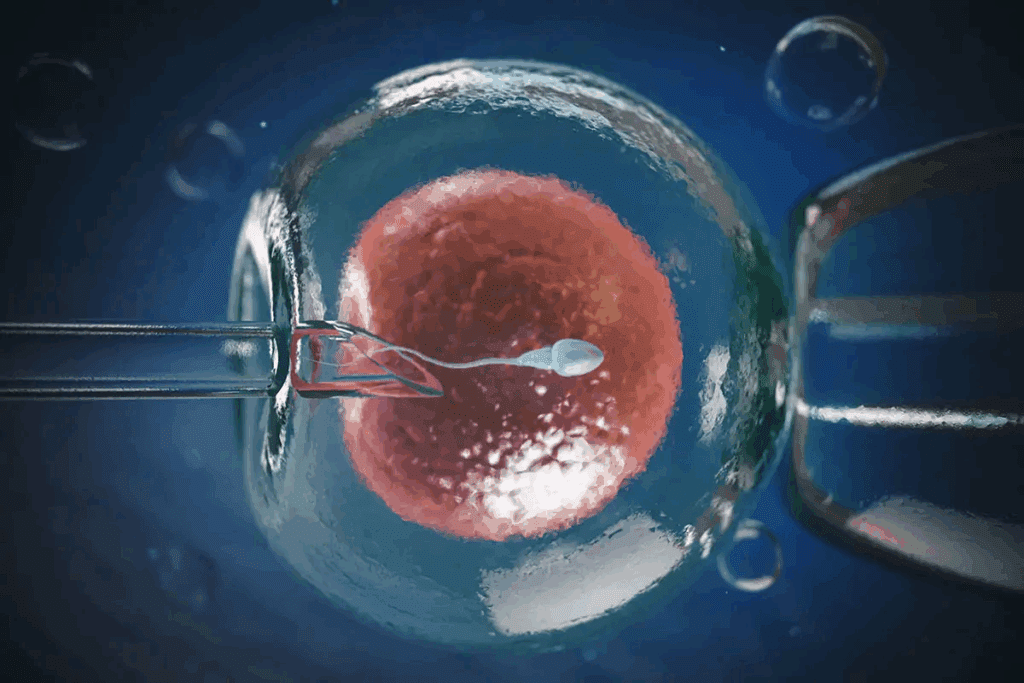
Trying to have a baby through IVF at 42 is a journey filled with statistics and age-related questions. As women get closer to 40, they wonder about their chances of success. It’s important to look at the latest data.
Current Statistical Data
Recent studies have given us insights into IVF success at 42. Women aged 41-42 have a 10-12.7% chance of a live birth per cycle. This is compared to 4.1% for those over 42 using their own eggs. These numbers help set realistic expectations and guide decisions.
Cumulative live birth rates get better with more cycles. Medical Expert, a fertility expert, says, “The key to success is persistence and the right treatment plan.”
“The cumulative effect of multiple IVF cycles can significantly enhance the chances of a successful pregnancy, even at advanced ages.”
How Age Impacts IVF Outcomes
Age is a big factor in IVF success. As women get older, their eggs quality and quantity drop. This makes it harder to get pregnant. The quality of eggs also increases the risk of chromosomal problems, leading to miscarriages or failed implantations.
Comparing Success Rates Across Age Groups
Looking at IVF success rates across different ages helps us understand the impact of age. Here’s a table showing live birth rates per IVF cycle by age:
| Age Group | Live Birth Rate per Cycle |
|---|---|
| Under 35 | 40-50% |
| 35-37 | 30-40% |
| 38-40 | 20-30% |
| 41-42 | 10-12.7% |
| Over 42 | 4.1% |
These numbers highlight the importance of age in IVF success rates. While the chances are lower at 42, it’s not impossible. Many women have successfully conceived through IVF at this age.
Biological Challenges of IVF After 40

Women over 40 face more challenges with IVF. The journey to parenthood is complex. It’s important to know these challenges to make informed decisions.
Diminished Ovarian Reserve
Women over 40 often have fewer eggs for fertilization. This is due to a diminished ovarian reserve. It lowers the chances of successful IVF and increases the risk of cycle cancellations.
Diminished ovarian reserve is a big concern. Women over 40 may need more aggressive stimulation to get enough eggs. But, the response can vary, making personalized treatment key.
Egg Quality Considerations
Egg quality is also important for IVF success. As women age, egg quality declines. This is because chromosomal abnormalities increase, leading to lower fertilization rates and higher miscarriage rates.
We know egg quality is vital. Technologies like preimplantation genetic testing (PGT) can help. They identify embryos with chromosomal abnormalities, improving the chances of a healthy embryo for transfer.
Chromosomal Abnormalities and Age
The risk of chromosomal abnormalities grows with age. Conditions like Down syndrome are more common in pregnancies over 40. IVF allows for embryo screening, reducing the risk of chromosomal issues.
Genetic testing is key to identifying chromosomal abnormalities. It helps improve the chances of a successful and healthy pregnancy.
In conclusion, IVF after 40 comes with many challenges. These include diminished ovarian reserve, egg quality, and chromosomal abnormalities. Understanding these and using advanced reproductive technologies can help improve IVF outcomes for women in this age group.
Medical Advancements Improving IVF at 42
The world of IVF is evolving, with new medical breakthroughs helping women in their 40s. Studies show that women in their early-to-mid-40s can have success with the right treatment. This is thanks to advancements in medical care.
Latest Protocols for Advanced Maternal Age
New methods are being created to help women of advanced maternal age with IVF. These include:
- Customized stimulation protocols that consider the woman’s ovarian reserve and past responses.
- Minimal stimulation protocols that lower the risk of OHSS and are better for older women.
- Antagonist protocols that offer more flexibility and lower the risk of premature luteinization.
Technological Innovations in Embryo Selection
Advances in embryo selection are boosting IVF success. Key innovations include:
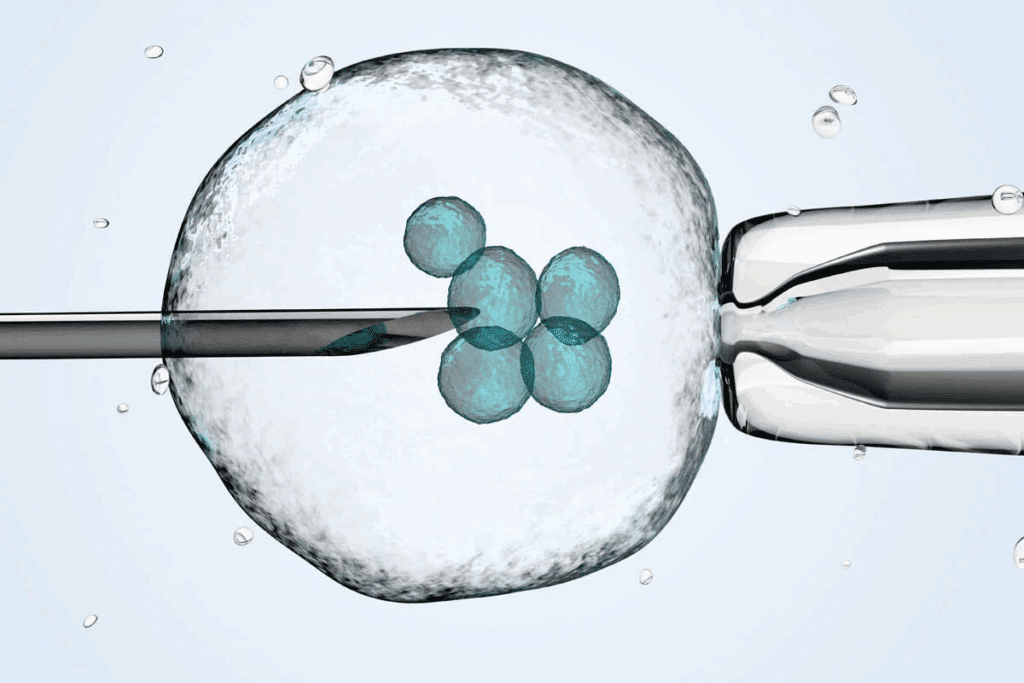
- Preimplantation Genetic Testing (PGT): This technology screens embryos for genetic issues, raising the chance of picking a healthy one.
- Time-lapse embryo imaging: This continuous monitoring helps spot the most viable embryos.
- Artificial intelligence (AI) in embryology: AI algorithms analyze embryo images to predict their viability, improving selection accuracy.
Personalized Treatment Approaches
Personalization is key in IVF, even more so for women at 42. This includes:
- Genetic testing to find genetic issues that could affect IVF success.
- Hormone level assessments to tailor stimulation protocols to the individual’s response.
- Lifestyle and nutritional counseling to improve the woman’s health before and during IVF treatment.
By using these advancements, IVF success rates for women at 42 are improving. It’s an exciting time for those thinking about IVF, with ongoing research and tech innovations leading to better outcomes.
Real IVF at 42 Success Stories
IVF success stories at 42 show how far fertility treatments have come. They inspire hope and show what’s possible for women who want to have children later in life.
First-Time Mothers After 42
Becoming a first-time mother after 42 is a big deal, thanks to IVF. These women show great courage and determination. Their stories prove that age shouldn’t stop anyone from becoming a mother.
One inspiring story is of a woman who got pregnant with IVF at 43. She credits the care she got and the new IVF tech for her success.
Celebrities Who Conceived Through IVF in Their 40s
Celebrities who got pregnant with IVF in their 40s get a lot of attention. But their stories also inspire many. They show that even famous people face fertility challenges and can overcome them.
For example, a famous actress got pregnant at 45 with IVF. She talks openly about her journey, helping to make fertility talks more common.
Everyday Women’s Triumph Stories
But it’s not just celebrities who have IVF success stories. Everyday women from all walks of life also achieve their dreams. Their stories are full of struggle and victory.
One such story is of a woman who got pregnant with IVF at 42 after many tries. Her journey shows the power of never giving up and having the support of loved ones.
These stories together show that IVF at 42 can lead to success. They offer hope and motivation to those starting their own fertility journeys.
Factors That Influence Success at Advanced Maternal Age
When thinking about IVF at an older age, several important factors come into play. These factors can greatly affect success rates. It’s key for women and their partners to understand these elements as they start this journey.
Overall Health and Lifestyle
A woman’s health and lifestyle are big factors in IVF success, even at older ages. Keeping a healthy weight, managing stress, and avoiding harmful substances like tobacco and too much alcohol can help. Also, eating a balanced diet full of nutrients is good for reproductive health.
We suggest that women work on improving their overall health before starting IVF. This means managing any ongoing health issues and living a healthy lifestyle. This can increase the chances of success.
Previous Pregnancy History
A woman’s past pregnancy history is also very important for IVF success at older ages. Women who have had successful pregnancies before might have a better chance with IVF. But, a history of miscarriages or trouble getting pregnant can make things harder.
It’s important for women to talk about their pregnancy history with their fertility specialist. This can help understand how it might affect their IVF journey.
Male Partner Factors
Male partner factors are also key in IVF success. The quality and amount of sperm can greatly affect IVF results. Older dads might face higher risks of genetic problems.
We recommend that men live a healthy lifestyle, eat well, and avoid harmful substances. This helps keep sperm healthy. Sometimes, extra tests are needed to check sperm quality and find any issues.
The IVF Journey at 42: What to Expect
For women thinking about IVF at 42, knowing what to expect is key. The journey has several steps and things to consider. These can greatly affect the outcome.
Initial Fertility Assessment
The first step is a detailed fertility check. This includes tests to see how many eggs you have, their quality, and your reproductive health. Tests like ultrasound and hormone checks help understand your fertility at 42.
Knowing these results is important. It helps doctors tailor the IVF treatment to fit your needs.
Stimulation Protocol Differences
Women over 42 might need a special IVF plan. This plan is based on how well your ovaries respond and your past treatments. It might change the type and amount of medication used.
This customized plan aims to get the best eggs while avoiding risks and side effects.
Emotional and Physical Challenges
IVF at 42 can be tough on your mind and body. It includes shots, many clinic visits, and the worry of success. Building a support network and using stress management can help.
Also, eating well and exercising can ease some of the physical strain of IVF.
Financial Considerations
IVF at 42 can be expensive. It’s important to understand the costs. This includes the IVF procedure, medications, tests, and maybe genetic testing of embryos.
Talking to your fertility clinic about insurance and payment options is a good idea. It helps you understand the total cost and plan financially.
Multiple IVF Cycles: Cumulative Success Rates
For women trying IVF at 42, knowing about the success rates of multiple cycles is key. Success in IVF isn’t just about one try. It’s about the whole journey.
Having more IVF cycles can really up your chances of having a baby. Research shows that with each cycle, the chances of a live birth go up. For example, by age 40, after about 2.3 cycles, the success rate can reach up to 28%.
Statistical Improvements with Repeated Cycles
Studies show that each IVF cycle adds to your chances of success. Even if you didn’t succeed before, you have another chance with each new cycle.
Cumulative Success Rates: A study found that after three cycles, the chances of a live birth are much higher than after just one. This gives hope to those who didn’t succeed right away.
When to Consider Additional Attempts
Choosing to try IVF again can be tough. You need to think about your past results, health, and your doctor’s advice.
- Look at how your past cycles did to guess your chances.
- Check your health and any changes that might affect your next cycle.
- Talk to your fertility doctor to figure out the best plan for your next cycle.
Managing Expectations Between Cycles
It’s important to manage your hopes and dreams between IVF cycles. Staying informed and positive can help a lot.
Staying Positive: Keep focusing on the good parts of your journey. Remember, each cycle brings new chances for success.
By knowing about the success rates of multiple IVF cycles, women at 42 can make better choices. They can stay hopeful and positive on their fertility journey.
Alternative Options to Consider
For women over 42 thinking about IVF, looking into other options is key. As we get older, IVF gets harder. It’s important to talk about other ways to boost your chances of getting pregnant.
Donor Eggs and Success Rates
Donor eggs are a great choice for women over 42. Eggs from younger donors are better quality. This means a higher chance of a successful IVF cycle. Even in their 40s, using donor eggs can lead to better results than using their own eggs.
Success Rates with Donor Eggs: The American Society for Reproductive Medicine (ASRM) says using donor eggs works better than using your own, after 40.
| Age Group | Success Rate with Own Eggs | Success Rate with Donor Eggs |
|---|---|---|
| 40-42 | 10-15% | 50-60% |
| 43-44 | 5-10% | 45-55% |
| 45 and above | <5% | 40-50% |
Embryo Adoption
Embryo adoption is another good choice. It means adopting embryos created by others and now frozen. It’s a way for those wanting to be parents to do so.
The Process: It starts with picking an embryo, then the transfer. Many clinics have programs for embryo adoption, making it easier to find your way.
Surrogacy Possibilities
Surrogacy means another woman carries and gives birth to a child for you. It’s a complex process but can be an option for those who can conceive but can’t carry a pregnancy.
Types of Surrogacy: There are two types – traditional and gestational. Gestational surrogacy, where an embryo is used, is more common and simpler legally.
When to Consider These Alternatives
Think about these options after talking to a fertility specialist. They can help based on your health, past IVF tries, and egg quality. A specialist can guide you on the best path.
Here’s what to discuss with your specialist:
- Your medical history and its impact on IVF
- The quality of your eggs and donor egg options
- Embryo adoption or surrogacy possibilities
- Legal and ethical aspects of each option
Exploring these options can greatly improve your chances of a successful pregnancy, even over 42.
Preparing Your Body for IVF at 42
Getting ready for IVF at 42 means looking at your diet, lifestyle, and health. We’ll cover the important steps to help you on your path to becoming a parent.
Nutritional Considerations
Eating well is key for IVF success. Foods like berries and leafy greens boost egg quality. A diet full of lean proteins, whole grains, and healthy fats is best for your reproductive health.
Supplement Recommendations
Some supplements can help with IVF prep. Folic acid is important for preventing birth defects. Omega-3 fatty acids are good too. But, always talk to your doctor before taking any supplements.
Lifestyle Modifications
Changing your lifestyle can greatly help with IVF. Keeping a healthy weight and managing stress with yoga or meditation are good ideas. Avoiding tobacco and too much alcohol is also important. These changes help with IVF success and your overall health.
By focusing on these areas, women preparing for IVF at 42 can increase their chances of success. It’s all about creating a healthy environment for pregnancy.
Navigating the Emotional Aspects of IVF at 42
IVF at 42 is more than a medical process; it’s an emotional journey. Women face many emotions, from hope to fear of failure. It’s a rollercoaster that needs resilience and support.
Managing Expectations
Managing expectations is key when trying IVF at 42. Success rates have improved, but age plays a role. Setting realistic expectations helps cope with outcomes. Talk to your fertility specialist to understand what to expect.
Building a Support Network
Having a strong support network is essential for emotional health during IVF. This can include family, friends, or support groups. Sharing experiences and feelings with others who get it can be very relieving.
Coping with Failed Cycles
Dealing with failed IVF cycles is tough. It’s okay to grieve and process your feelings. Seeking professional counseling can help manage disappointment and keep hope alive for the future.
Celebrating Small Victories
Celebrating small wins helps keep spirits high. Acknowledge every success, like a good egg retrieval or a positive medication response. We encourage patients to recognize and celebrate their progress, no matter how small.
Handling the emotional side of IVF at 42 needs a mix of strategies. This includes managing expectations, building a support network, coping with failed cycles, and celebrating small wins. By using these approaches, women can better handle the emotional ups and downs of their IVF journey.
Questions to Ask Your Fertility Specialist
When thinking about IVF at 42, it’s key to ask the right questions to your fertility specialist. They are a valuable resource. By asking the right questions, you can understand your treatment options and success rates better.
Clinic-Specific Success Rates for Your Age Group
It’s important to talk about the clinic’s success rate for women your age. Knowing this can help you set realistic goals.
- What are your clinic’s success rates for IVF in women aged 42?
- How do your clinic’s success rates compare to national averages?
- Can you share any success stories or testimonials from women in my age group?
Recommended Testing Before Starting
Your fertility specialist may suggest tests before starting IVF. These tests check your ovarian reserve, egg quality, and overall health.
- What tests are recommended to evaluate my ovarian reserve and egg quality?
- How will the results of these tests impact my treatment plan?
- Are there any additional health screenings that I should undergo before starting IVF?
Protocol Customization Options
Every woman’s body is different. Your fertility specialist should tailor your treatment to your needs.
Some questions to ask about protocol customization include:
- What stimulation protocols are available, and which one is recommended for me?
- Can I expect any adjustments to be made to my protocol based on my response to treatment?
- How will you monitor my progress, and what indicators will you use to determine the success of my treatment?
When to Consider Alternative Approaches
In some cases, IVF may not be the best option. Alternative approaches like donor eggs or surrogacy might be considered.
“The decision to pursue alternative reproductive options can be challenging, but with the guidance of a fertility specialist, women can make informed decisions about their care.” – Medical Expert, Fertility Specialist
Some questions to ask when considering alternative approaches include:
| Alternative Approach | Success Rate | Cost |
|---|---|---|
| Donor Eggs | 50-60% | $15,000-$20,000 |
| Surrogacy | 30-40% | $30,000-$50,000 |
By asking the right questions and understanding your options, you can make informed decisions. This can increase your chances of a successful outcome.
Conclusion: Balancing Hope with Realistic Expectations
IVF success rates at 42 depend on many things. These include biological challenges, medical progress, and health. Even though success rates drop with age, many women get pregnant in their 40s. This gives hope to those trying to conceive.
It’s important to balance hope with what’s realistic when trying IVF at 42. Knowing the current stats and understanding biological challenges helps. Using medical advancements wisely is also key to making good choices about fertility.
Getting personalized care and support is vital for IVF success. Focusing on health, making lifestyle changes, and taking care of your emotional well-being can help. We suggest talking to fertility experts to get a plan that fits your needs.
Keeping a balance between hope and realistic expectations helps you go through IVF with more confidence. As medical tech gets better, chances of successful IVF at older ages will likely grow.
FAQ
What are the IVF success rates at 42?
IVF success rates at 42 depend on many things. These include egg quality, health, and the IVF method used. Even though success rates drop with age, many women get pregnant in their 40s.
How does age affect IVF outcomes?
Age greatly affects IVF success. As women get older, egg quality and number decrease. This raises the risk of genetic problems and lowers pregnancy chances.
What are the biological challenges of IVF after 40?
Women over 40 face big challenges with IVF. These include lower egg numbers, quality issues, and higher risks of genetic problems.
What medical advancements are improving IVF success rates at 42?
New medical breakthroughs are helping IVF success at 42. These include better protocols for older mothers, new ways to pick embryos, and treatments tailored to each person.
What are the success stories of women who have achieved pregnancy through IVF at 42?
Many women have gotten pregnant with IVF at 42. This includes first-time moms, celebrities, and everyday women who have overcome big challenges to start families.
How does overall health and lifestyle impact IVF success at advanced maternal age?
A woman’s health and lifestyle greatly affect IVF success at 42. Things like diet, exercise, and stress levels are very important.
What are the alternative options to consider when undergoing IVF at 42?
When doing IVF at 42, consider options like donor eggs, embryo adoption, and surrogacy. These can increase success rates and offer different ways to become a parent.
How can I prepare my body for IVF at 42?
To get ready for IVF at 42, focus on nutrition, take supplements, and make lifestyle changes. These can help improve your chances of success.
What are the emotional aspects of IVF at 42, and how can I navigate them?
IVF at 42 can be emotionally tough. Manage your hopes, build a support network, deal with failed cycles, and celebrate small wins to get through it.
What questions should I ask my fertility specialist when considering IVF at 42?
When thinking about IVF at 42, ask your fertility specialist about success rates, tests, customizing your treatment, and when to try other options.
What are the cumulative success rates associated with multiple IVF cycles?
Success rates can go up with more IVF cycles. But, it’s key to set realistic goals and know when to stop or change your approach.
Can I get pregnant naturally after IVF?
Some women can get pregnant naturally after IVF. But, this is not a sure thing and should not be relied on as a plan.
What is the role of male partner factors in IVF success at advanced maternal age?
Male factors, like sperm quality, also play a part in IVF success at 42. It’s important to consider these when going through IVF treatment.
References
National Center for Biotechnology Information. Evidence-Based Medical Guidance. Retrieved from https://www.ncbi.nlm.nih.gov/pmc/articles/PMC3183845/