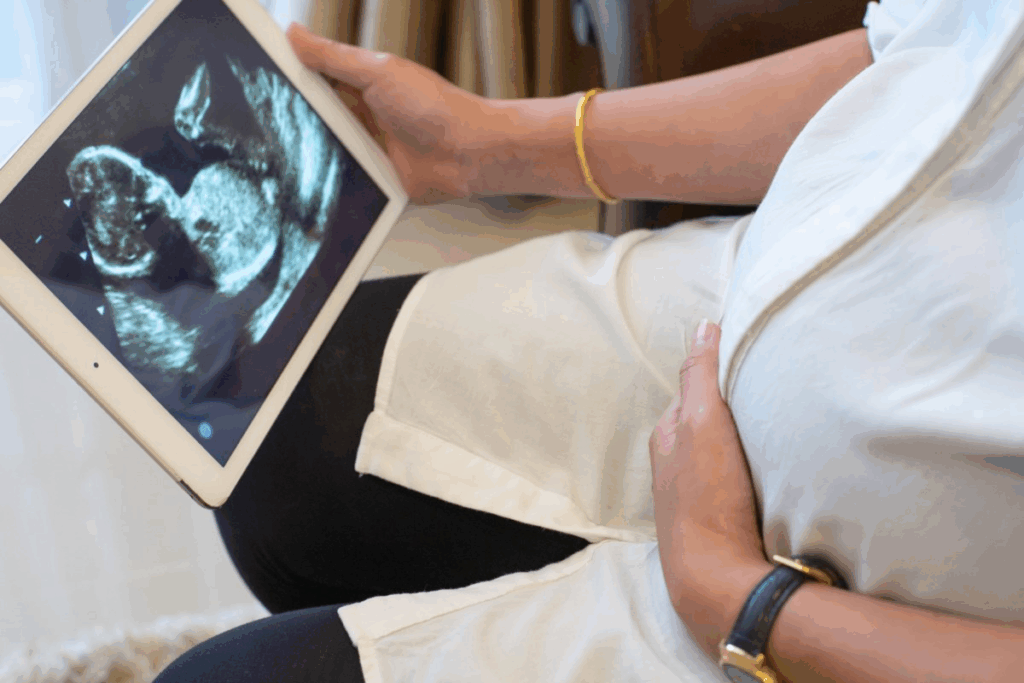
Women over 40 often face tough challenges when trying to get pregnant. Traditional IVF with their own eggs has low success rates, often below 12 percent. But, using donor eggs can change everything. It boosts pregnancy success rates to 50 to 55 percent or more. Analyzing the high ivf success rates with donor eggs over 40 (Recipient’s Age).
Fertility treatments come with their own set of challenges and emotions. Our guide dives into how donor eggs are changing the game for women over 40. It offers hope and proven ways to achieve a successful pregnancy and a healthy baby.
Key Takeaways
- Women over 40 using donor eggs experience significantly higher IVF success rates.
- Donor egg IVF success rates range between 50 to 55 percent per fresh cycle.
- Using donor eggs offers renewed hope for women over 40 facing fertility challenges.
- Our guide provides an overview of the benefits and challenges of donor egg IVF.
- Evidence-based pathways to successful pregnancy and healthy childbirth are explored.
The Reality of Fertility After 40
As women get closer to 40, they face a big concern: declining fertility. It’s key to know the biological changes that happen to fertility. This knowledge helps in planning for a family.
Age-Related Fertility Decline Explained
Fertility naturally drops after 40. Age-related fertility decline happens because of fewer and lower-quality eggs. By 40, the egg count drops, and the eggs left have more genetic issues.
Older eggs also raise the risk of miscarriage and conditions like Down syndrome. This is because older eggs often have errors in cell division, leading to abnormal chromosomes.
How Egg Quality Affects Conception Chances
Egg quality is vital for getting pregnant and for a healthy embryo. As women age, their eggs get worse, making it harder to conceive. Several things can affect egg quality, including:
- Genetic integrity: Older eggs are more likely to have genetic problems, lowering the chance of a healthy pregnancy.
- Mitochondrial function: The energy-making parts in eggs, called mitochondria, work less well with age. This can hurt embryo growth.
- Epigenetic changes: Age brings changes in how genes work, which can affect how a fetus develops.
It’s important for women over 40 to understand these factors. While fertility decline with age is unavoidable, there are ways to help get pregnant. Assisted reproductive technologies (ART) can offer hope.
IVF Success Rates With Own Eggs After 40
Women over 40 see a big drop in IVF success rates with their own eggs. This drop is mainly because of egg aging. It affects their quality and ability to be used for IVF. Knowing these numbers is key for women thinking about IVF at an older age.
Success Rates for Women 40-42
Women aged 40 to 42 have a 5 to 12 percent chance of IVF success with their own eggs. Success depends on egg quality, how many eggs they have, and their health. Even though the odds are lower than for younger women, there’s a chance for a successful pregnancy.
- Average Success Rate: 8% per cycle
- Factors Influencing Success: Egg quality, ovarian reserve, and overall health
- Recommendation: Talk to a fertility specialist to know your chances
Success Rates for Women 43-44
Women 43 to 44 see a drop in IVF success rates, often below 5 percent per cycle. At this age, egg quality and quantity drop a lot, making it harder to conceive.
The American Society for Reproductive Medicine (ASRM) says the chances of a live birth with own eggs at this age are very low. They suggest looking into donor eggs as an option.
Success Rates for Women 45 and Above
Women 45 and older have a very low chance of IVF success with their own eggs, often less than 1 percent per cycle. The odds of a successful pregnancy are very low because of egg quality decline.
Age Group | Average IVF Success Rate |
40-42 | 5-12% |
43-44 | Below 5% |
45 and Above | Less than 1% |
These numbers can be tough to face. But they help women make informed choices about fertility treatments.
The Donor Egg Solution for Advanced Maternal Age
The donor egg solution has changed IVF for women over 40. As we get older, it’s harder to get pregnant with our own eggs. But now, thanks to donor egg IVF, older women have a new hope.
What Donor Eggs Mean for IVF Treatment
Donor eggs come from younger women, usually under 35. They go through strict checks to make sure their eggs are good. Using these eggs in IVF makes it easier for older women to get pregnant.
Donor eggs bring many benefits:
- They are of higher quality, leading to healthier embryos
- They have better chances of implanting
- They have fewer chromosomal problems than older eggs
The Biological Advantage of Younger Eggs
Younger eggs are better in quality and health. They are more likely to be normal and work well in IVF. This means older women have a better chance of success with donor eggs.
How Donor Egg IVF Works
The steps for donor egg IVF are:
- Choosing an egg donor and matching
- Syncing the donor’s and recipient’s cycles
- Stimulating the donor’s ovaries for eggs
- Getting the eggs from the donor
- Fertilizing the eggs with sperm (partner’s or donor’s)
- Growing the embryos in the lab
- Putting the embryo(s) in the recipient’s uterus
Step | Description | Timeline |
Donor Selection | Choosing and matching with an egg donor | 1-3 months |
Cycle Synchronization | Synchronizing donor and recipient cycles | 1-2 months |
Egg Retrieval | Retrieving eggs from the donor | 1 day |
Embryo Transfer | Transferring embryo(s) to the recipient | 3-5 days after retrieval |
Understanding donor eggs can help women over 40 make informed choices. We’re here to support you every step of the way, aiming for the best results.
IVF Success Rates With Donor Eggs Over 40
Women over 40 have a better chance of success with IVF using donor eggs. This is a big improvement over using their own eggs. Donor eggs help because egg quality and quantity decline with age.
Overall Success Rates
Research shows IVF success rates with donor eggs for women over 40 are 50 to 55 percent per fresh cycle. This is much higher than using their own eggs.
“The use of donor eggs has changed reproductive medicine,” says Medical Expert, a top fertility expert. “It gives hope to women who thought they had no chance of getting pregnant.”
Fresh vs. Frozen Donor Egg Cycles
Donor egg IVF has both fresh and frozen cycles. Fresh cycles use eggs right from the donor. Frozen cycles use eggs that have been frozen before.
- Fresh cycles: Success rates are 50-55% per cycle.
- Frozen cycles: Success rates are a bit lower, but they offer more flexibility and convenience.
Cumulative Success Rates
Cumulative success rates for women over 40 with donor eggs can go over 70% after several cycles. This shows how effective donor egg IVF is. It also highlights the support from fertility clinics.
As we keep improving in reproductive medicine, the future for women over 40 trying IVF with donor eggs looks bright.
Age-Specific Donor Egg Success Rates
IVF with donor eggs shows different success rates for various ages. This gives hope to women in their 40s. Age is less of a factor when donor eggs are used.
Women Aged 40-42 Using Donor Eggs
Women aged 40 to 42 see a big jump in IVF success with donor eggs. They match the success rates of younger women. This is because donor eggs come from younger women, who have better egg quality.
Women Aged 43-44
Women aged 43 to 44 see a huge boost in IVF success with donor eggs. They have a 35% success rate per cycle. In contrast, their own eggs have a success rate below 5%. This shows the big advantage of using donor eggs for women in this age group.
“The use of donor eggs can more than double the chances of success for women over 43.” This statement shows how important donor eggs are for older women’s IVF success.
Women Aged 45-50
Women aged 45 to 50 can have IVF success rates with donor eggs similar to younger women. This shows how effective donor egg IVF is. The age of the recipient’s uterus matters less than the egg age.
“The uterine environment, not the egg age, is key to success in donor egg IVF cycles.”
These findings are encouraging for women in their 40s and early 50s thinking about IVF with donor eggs. The data shows that with the right approach, women in these age groups can have significant success with IVF.
The Sevenfold Advantage: Comparing Own Eggs vs. Donor Eggs
IVF success rates can change a lot depending on whether a woman uses her own eggs or donor eggs, after 40. This change is big, mainly because of age-related fertility decline.
Donor eggs can greatly increase IVF success rates for women over 40. Let’s look at the numbers to see how big this difference is.
Statistical Comparisons by Age Group
Research shows that IVF success with donor eggs is much higher than with own eggs, for women 43-44. In this age range, using donor eggs is a sevenfold advantage over using own eggs.
- Women 40-42 see a big jump in success rates with donor eggs compared to their own.
- Women 43-44 see a huge increase in success rates with donor eggs, up to 35%, while own eggs are below 5%.
- For women 45-50, IVF success rates with donor eggs are similar to those of younger women, making pregnancy possible.
Why the Gap Widens After Age 43
The gap in IVF success rates between own eggs and donor eggs grows after 43. This is because egg quality and quantity decline with age. Older women’s eggs are more likely to have chromosomal problems, leading to lower success rates.
On the other hand, donor eggs from younger women are more likely to be normal, leading to higher success rates.
The Biological Clock Reset Effect
Using donor eggs can be like resetting the biological clock for women over 40. Eggs from younger donors are like a fresh start, making pregnancy more likely.
This effect is great for women whose egg quality and quantity have dropped with age. It gives them a second chance at pregnancy and childbirth, even at an older age.
The Donor Egg IVF Process Step by Step
Women over 40 need to know about the donor egg IVF process. It’s a series of steps to help them become parents.
Finding and Selecting an Egg Donor
Finding the right egg donor is the first step. You work with a trusted fertility clinic. Egg donors are carefully screened for health and genetic factors.
When picking a donor, you look at their profile. This includes their looks, education, and health history. After choosing, the clinic helps with the egg donation.
Medical Protocols for Recipients
Before starting, recipients get medical checks. These ensure their uterus is ready for the eggs.
Medical protocols for recipients include hormone therapy. This gets their cycle in sync with the donor’s. It also prepares the uterus for the embryo.
Timeline from Matching to Embryo Transfer
The time from matching to embryo transfer is about three weeks. Here’s what happens:
Week | Process |
1-2 | Recipient evaluation and preparation |
2-3 | Egg donor stimulation and egg retrieval |
3-4 | Fertilization and embryo culture |
4-5 | Embryo transfer |
This time can change based on the clinic and individual needs.
Knowing the donor egg IVF process helps women make better choices. It’s key to their fertility journey.
Key Factors Affecting Donor Egg IVF Success
Donor egg IVF success depends on several key factors. These include the donor, the recipient’s health, and the quality of the embryos. Knowing these can help parents make better choices for their treatment.
Donor Selection Criteria and Screening
Choosing an egg donor is a detailed process. Donor selection criteria focus on age, medical history, and genetic screening. Donors are usually between 21 and 35 years old. This age range is linked to better egg quality and fewer genetic risks.
Donors go through a lot of testing. This includes medical checks, psychological assessments, and genetic tests. This ensures the eggs are healthy and lowers the chance of genetic problems in the baby.
Recipient Health Considerations
The recipient’s health is very important for IVF success. Age, uterine health, and overall health can affect success rates.
Women with certain health issues may need extra care before IVF. Improving the recipient’s health before the procedure can greatly increase success chances.
Embryo Quality and Transfer Strategies
Embryo quality is a big factor in success rates. Embryo quality depends on the donated eggs, sperm, and lab conditions during fertilization.
Good embryo transfer strategies are also key. This includes choosing the right number of embryos to transfer. Techniques like preimplantation genetic testing (PGT) help pick the healthiest embryos. Ensuring the transfer is done under the best conditions is also important.
By managing these factors well, fertility clinics can improve success rates for donor egg IVF.
Common Misconceptions About Donor Egg IVF
Donor egg IVF is becoming more popular, but it’s filled with myths. These myths can stop people from making informed choices. They worry about the process, its success, and what it means for them.
Can You Get Pregnant After Donating Eggs?
Many think donating eggs means they can’t get pregnant later. But, egg donation doesn’t hurt a woman’s future fertility. It only takes a few eggs, not all, so it doesn’t lower her chances of getting pregnant naturally or with other treatments.
Fertility Aspect | Pre-Donation | Post-Donation |
Egg Reserve | Normal ovarian reserve | Reduced but viable |
Natural Conception Chances | Depends on age and health | Generally not affected much |
IVF Success Rates | Varies by age and health | May be slightly affected but viable |
Understanding the Genetic Relationship
Some think there’s no bond between the egg donor and the child. But, the bond formed during pregnancy is strong. Many parents who used donor eggs feel a deep connection with their child. They say being a parent is more than just genetics.
Addressing Concerns About Bonding and Connection
People worry about bonding with a child from donor egg IVF. But, parents can form strong bonds with their children. Pregnancy, childbirth, and parenting create a deep emotional connection, no matter the egg’s origin.
We aim to clear up these myths. We want to help those thinking about donor egg IVF. Knowing the truth can give them confidence as they start their fertility journey.
Financial Landscape of Donor Egg IVF
Donor egg IVF is a highly effective fertility treatment. But, it comes with its own financial considerations. It’s important to understand the factors that affect its cost.
Average Costs in the United States
In the United States, a single donor egg IVF cycle can cost between $20,000 and $30,000. This includes the donor’s compensation, the egg retrieval procedure, laboratory fees, and the recipient’s medical care.
Here’s a breakdown of the estimated costs:
Procedure | Estimated Cost |
Donor Compensation | $5,000 – $10,000 |
Egg Retrieval | $8,000 – $12,000 |
Laboratory Fees | $4,000 – $8,000 |
Recipient’s Medical Care | $3,000 – $5,000 |
Total | $20,000 – $30,000 |
Insurance Coverage Options
Insurance coverage for donor egg IVF varies a lot. Some plans cover parts of the treatment, while others don’t cover anything.
It’s important to check your insurance policy before starting donor egg IVF. Look for coverage on donor egg retrieval, laboratory fees, and the recipient’s medical care. Also, check for any exclusions or limitations on fertility treatments.
Cost-Effectiveness Compared to Multiple Own-Egg Cycles
When thinking about donor egg IVF, consider its cost-effectiveness. This is important, mainly for women over 40.
Research shows that donor egg IVF can be more cost-effective for many women in this age group. It has higher success rates, which means fewer attempts are needed.
Understanding the financial aspects of donor egg IVF helps make better decisions. The initial cost is high, but the chance of success and avoiding multiple cycles make it a good option.
Navigating the Emotional Journey
Understanding and support are key when dealing with the emotions of donor egg IVF. Women on this path face a mix of feelings. They hope to build a family but also struggle with using donor eggs.
Accepting Donor Eggs
Accepting donor eggs is a personal and tough journey. It means facing the fact that you’re not using your own eggs. This can stir up a lot of emotions.
Healthcare providers, counselors, and support groups are vital. They provide a safe place to talk about feelings and concerns.
Support Resources for Recipients
There are many resources for those using donor eggs. These include:
- Counseling services for donor egg IVF
- Support groups for sharing experiences
- Online forums for ongoing support
Disclosure Considerations and Family Building
Deciding whether to tell your child about donor eggs is a big choice. It depends on many things like culture, family, and personal beliefs.
Considerations | Factors to Consider | Potential Outcomes |
Disclosure to Child | Cultural norms, family values, child’s maturity | Bonding, understanding, possible questions |
Family Dynamics | Partner’s views, family support, social environment | Unity, possible conflicts, support system |
Understanding the emotional side of donor egg IVF is key. It helps recipients make informed choices and build their families.
Conclusion: Making Informed Decisions About Fertility After 40
Women over 40 now have a better chance of starting a family with IVF and donor eggs. We’ve seen how using donor eggs leads to higher success rates, even after 43.
Knowing the benefits of younger donor eggs and the IVF process helps women make smart choices. It shows that women aged 40-50 can have success rates similar to younger women with donor egg IVF.
When thinking about fertility treatments after 40, it’s important to consider all options. This includes the success rates with donor eggs, the costs, and the emotional journey. This way, women can choose what’s best for them and their family goals.
The choice to use donor egg IVF is personal. It depends on medical history, money, and personal wishes. We suggest talking to fertility experts to find the right path for achieving their reproductive dreams.
FAQ
What are the IVF success rates with donor eggs for women over 40?
IVF success rates with donor eggs for women over 40 are much higher. They range from 50-55% per fresh cycle.
Can I get pregnant at 45 with donor eggs?
Yes, women aged 45-50 can get pregnant with donor eggs. This makes pregnancy possible even at an advanced age.
How does age affect egg quality and quantity?
As women age, their eggs get worse in quality and quantity. This makes natural conception harder and increases pregnancy risks.
What is the process of IVF with donor eggs?
The process starts with finding and choosing an egg donor. Then, the recipient goes through medical protocols. After that, embryo transfer happens, taking a few weeks to a few months.
Can you get pregnant if you donate your eggs?
Yes, donating eggs doesn’t stop you from getting pregnant later. It doesn’t significantly lower your egg reserve.
What are the average costs of IVF with donor eggs in the United States?
Costs vary but usually include donor compensation, medical procedures, and other expenses. They often total around $20,000 to $30,000 or more per cycle.
Is there insurance coverage for donor egg IVF?
Insurance coverage varies a lot. It depends on the provider and policy. Some cover parts of the treatment, while others don’t cover IVF at all.
How does the genetic relationship work with donor eggs?
The child isn’t genetically related to the recipient. But, they are carried by the recipient during pregnancy. This creates a unique situation that needs emotional and psychological thought.
What are the key factors affecting donor egg IVF success?
Success depends on the quality of the donor eggs, the recipient’s uterus health, and sperm quality.
Can I donate my eggs at age 40?
Egg donors are usually under 35 because of egg quality and viability. Women over 40 are less common as donors.
References
National Center for Biotechnology Information. IVF Success Rates Over 40: Donor Eggs Improve Outcomes. Retrieved from https://www.ncbi.nlm.nih.gov/pmc/articles/PMC3841115/.