


When getting ready for IVF, fertility specialists often recommend a surprising first step: birth control pills. It might seem odd at first, but it’s a key part of the plan. Birth control pills help make sure the timing of egg retrieval is perfect and follow a specific IVF with birth control pills schedule.
Patients usually start taking birth control pills about a month before IVF starts. CCRM Fertility says this is a common first step in IVF treatment. It helps make the IVF process more effective by aligning the menstrual cycle.
At Liv Hospital, we use the latest methods and care for each patient. Our team is here to help you every step of the way. We offer reliable advice and support.
Key Takeaways
- Birth control pills are often prescribed before IVF to synchronize follicle development.
- Starting birth control pills a month before IVF helps regulate the menstrual cycle.
- This initial step is key for the best timing of egg retrieval.
- IVF treatment protocols usually start with birth control pills to align the cycle.
- Regulating the menstrual cycle boosts the chances of a successful IVF outcome.
Understanding the Role of Birth Control in IVF Treatment

Birth control pills are key in IVF treatment. They help in several ways before starting the fertility treatment. At our fertility clinic, we often tell patients to start birth control pills as part of their IVF prep.
Using birth control before IVF might seem odd at first. But, it’s a method that has been proven to improve IVF results. It helps in synchronizing follicle growth and stops ovarian cysts.
Why Fertility Specialists Prescribe Birth Control
Fertility specialists give birth control pills for important reasons before IVF. First, it helps synchronize follicle development in the ovaries. This ensures eggs are taken out at the best time. Second, it prevents ovarian cysts that could mess with the IVF process.
Illume Fertility says IVF patients usually take oral contraceptives for 10-14 days before starting their fertility meds. This time helps in better planning and preparation for both the patient and the clinic.
Benefits of Birth Control in IVF | Description |
Synchronization of Follicle Development | Ensures that eggs are retrieved at the optimal time |
Prevention of Ovarian Cysts | Reduces the risk of cysts interfering with IVF |
Improved Scheduling | Allows for better coordination between the patient and the clinic |
Types of Birth Control Pills Used in IVF Protocols
The birth control pills used in IVF are usually monophasic pills. These pills have a steady dose of hormones all through the cycle. This steady hormone level is good for IVF prep. It helps stop the natural menstrual cycle and lets for better timing of egg retrieval.
Patients start taking birth control pills by day 5 of their cycle. They do this after baseline blood work and ultrasound on days 2 to 4. This timing is key for the best results in the next IVF treatment.
The Benefits of Using Birth Control Before IVF
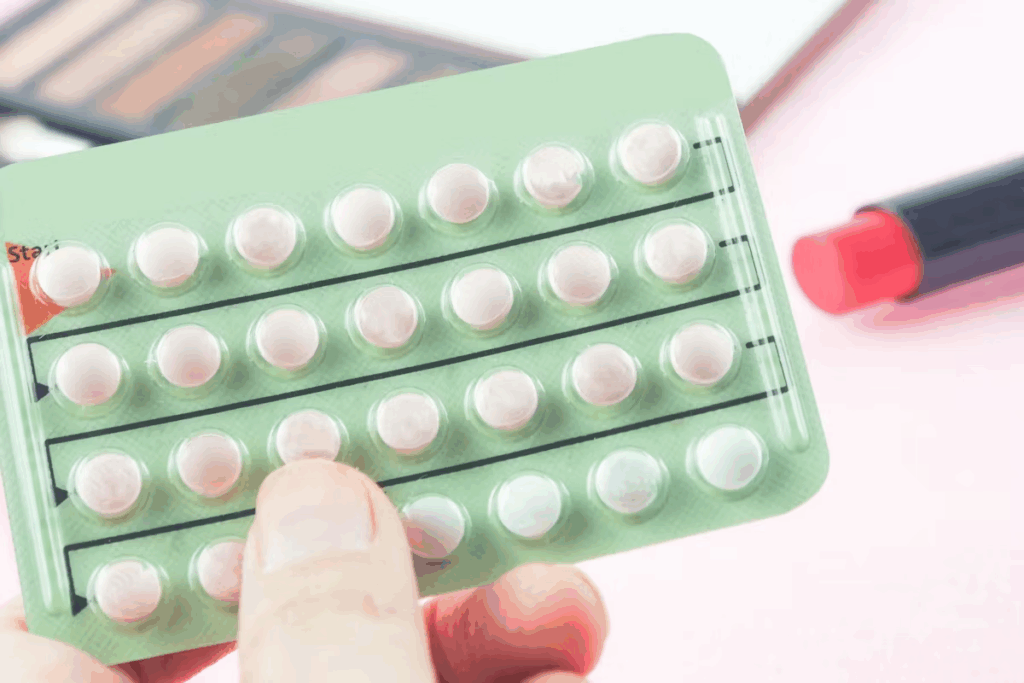
Using birth control pills before IVF can improve your chances of success. It helps in better follicle development synchronization. This leads to a more controlled and predictable IVF cycle.
Synchronization of Follicle Development
One key benefit is the synchronization of follicle development. Illume Fertility notes that birth control pills help follicles grow at the same rate. This results in more mature eggs during the egg collection process.
Synchronized follicle development is vital for IVF success. It allows for better timing of egg retrieval. With more mature eggs, fertilization and embryo development chances increase.
Prevention of Ovarian Cysts
Birth control pills also prevent ovarian cysts before IVF. These cysts can disrupt IVF treatment. By stopping cysts, birth control pills make IVF cycles smoother.
Preventing ovarian cysts is key. These cysts can cause issues like ovarian torsion or need for extra medical steps.
Improved Scheduling for Clinics and Patients
Birth control pills also aid in scheduling for IVF. They regulate menstrual cycles. This makes it easier for clinics to plan IVF cycles, reducing delays and improving efficiency.
Benefits | Description |
Synchronization of Follicle Development | Improves the number of mature eggs retrieved |
Prevention of Ovarian Cysts | Reduces complications during IVF treatment |
Improved Scheduling | Enhances coordination and efficiency for clinics and patients |
The table above highlights the benefits of birth control pills before IVF. They contribute to a more successful and efficient IVF process.
Complete IVF with Birth Control Pills Schedule: Timeline Breakdown
Knowing the timeline of IVF treatment with birth control pills is key for those starting their fertility journey. The process has several phases, each important for success.
Month Before IVF: Preparation Phase
The journey starts a month before IVF. Patients start taking birth control pills during this time. This phase is vital for several reasons.
It helps sync the menstrual cycle, making IVF planning easier. CCRM Fertility says starting birth control pills a month before helps prepare the body for IVF.
Synchronization is key for better treatment planning. It ensures eggs are retrieved at the best time. This also helps clinics plan better, using resources more efficiently.
Birth Control Integration Period
During this period, patients take birth control pills as directed. It’s important to prevent ovarian cysts and rest the ovaries before stimulation starts. The type and dosage of pills depend on the patient’s history and the clinic’s protocols.
It’s critical to follow the birth control pill regimen closely. Missing doses or not following instructions can harm treatment success. Our fertility specialists will guide you on how to take the pills and what to expect.
Transition to Stimulation Medications
After the birth control pills, patients start stimulation medications. This phase is key for producing multiple eggs, boosting fertilization and pregnancy chances. The timing is planned based on the patient’s response to birth control pills and ovarian reserve.
Careful monitoring is done during this transition. Regular ultrasound scans and blood tests check follicle development and adjust medication as needed.
By understanding and following the IVF calendar with birth control, patients can better prepare for treatment. Whether it’s a fresh IVF cycle or a frozen embryo transfer, birth control pills are key to success.
When to Start Birth Control Before IVF
To increase your chances of success with IVF, knowing when to start birth control is key. Starting birth control at the right time can greatly affect how well the treatment works.
Baseline Testing Requirements
Before starting birth control, you’ll need to do some tests. These tests check your ovarian reserve, hormone levels, and health. This info helps your fertility doctor plan the best IVF treatment for you.
These tests might include blood work, ultrasound exams, and other tests. The results help decide when and what type of birth control to use.
Coordinating with Your Menstrual Cycle
Doctors usually tell patients to start birth control on day 5 of their cycle. This helps regulate your cycle and gets your ovaries ready for IVF.
Matching birth control with your cycle is important for IVF success. It helps control when to take eggs and transfer embryos, improving your chances of success.
Timing Considerations for Different IVF Protocols
At clinics like Donor Nexus, patients start birth control 7 to 10 days before starting IVF meds. The exact start time depends on your treatment plan and how you respond to meds.
IVF protocols can differ in when to start birth control. For example, a long protocol might start earlier than a short protocol. Knowing these differences is important for the best results.
IVF Protocol | Typical Start Time for Birth Control | Duration of Birth Control Use |
Long Protocol | 2-3 weeks before stimulation | Typically 2-4 weeks |
Short Protocol | 7-10 days before stimulation | Usually 1-2 weeks |
Understanding the timing and coordination of birth control before IVF is critical for success. By working with a fertility specialist, you can make sure you’re ready for your IVF journey.
How to Take Birth Control Pills for Maximum Effectiveness
To get the most out of birth control pills before IVF, knowing the right dosage is key. It’s important to stick to the schedule given by your doctor, as CCRM Fertility suggests.
Take one pill every day at the same time for best results. Keeping to a routine helps keep hormone levels steady for IVF. Set a daily reminder or keep your pill pack where you can see it to avoid missing doses.
Dosage Instructions and Best Practices
When starting birth control pills for IVF, follow your doctor’s dosage advice. The plan usually starts on the first or second day of your period or on a specific day based on your cycle.
- Take the pill at the same time every day to keep hormone levels consistent.
- If you’re using a 28-day pack, finish all the pills, even if you’re not menstruating.
- If you’re told to start on a Sunday, make sure to do so for synchronization.
Managing Missed Doses
If you miss a dose, here’s what to do:
- Take the missed pill as soon as you remember.
- If it’s almost time for your next pill, skip the missed one and keep to your regular schedule.
- Don’t take two pills at once unless your doctor says it’s okay.
If you miss two or more doses, talk to your fertility specialist right away. Keeping to the schedule is key for IVF success.
Tracking Your Schedule
It’s important to keep track of your pill schedule. Use a calendar, app, or diary to mark each day you take your pill.
Day | Date | Pill Taken | Notes |
1 | March 1 | Yes | Started new pack |
2 | March 2 | Yes | |
3 | March 3 | Yes |
CCRM Fertility stresses the importance of sticking to your schedule for IVF success. By following these tips and talking to your fertility specialist, you can make your birth control pills work better.
“Consistency is key when taking birth control pills for IVF. Missing doses or taking them at irregular times can affect their efficacy and potentially impact your IVF outcome.”
Special Considerations for Different IVF Protocols
When getting ready for IVF, the use of birth control pills can change a lot. Each IVF protocol needs its own plan for birth control. This can affect how well the treatment works.
Birth Control Before Fresh IVF Cycles
In fresh IVF cycles, birth control pills help synchronize follicle development and stop ovarian cysts. This is key for the IVF treatment to succeed.
- Birth control pills start on the 2nd or 3rd day of the cycle.
- How long you use birth control can vary, usually 2 to 4 weeks.
- Stopping birth control lets IVF stimulation meds start at the right time.
Birth Control Before Frozen Embryo Transfer Calendar
For frozen embryo transfer (FET) cycles, birth control’s role is different. It’s used to prepare the uterine lining for the embryo.
- Birth control pills help regulate the menstrual cycle.
- The timing of birth control use is set by the FET calendar.
- After stopping birth control, progesterone is started to support the luteal phase.
Adjustments for Patients with Low AMH
For those with low Anti-Müllerian Hormone (AMH) levels, birth control before IVF might need special handling. Low AMH means a lower ovarian reserve, so careful planning is needed.
- The dosage and length of birth control use might be adjusted to protect the ovaries.
- Other protocols might be tried to increase the chances of IVF success.
- It’s important to keep a close eye on the treatment plan and make changes as needed.
Understanding these special considerations helps patients prepare better for their IVF journey. It also lets healthcare providers tailor treatment plans for better results.
Potential Side Effects and How to Manage Them
It’s important to know about the side effects of birth control pills when you’re getting ready for IVF. Most women find them okay, but some might feel some side effects.
Common Side Effects of Birth Control During IVF Prep
Birth control pills used in IVF can cause some common side effects. These include:
- Nausea and vomiting, which can be helped with anti-nausea meds
- Bloating and breast tenderness, which usually go away once you stop taking the pill
- Mood swings, from a little irritability to big emotional changes
When to Contact Your Fertility Specialist
Even though most side effects are mild, there are times when you should talk to your fertility doctor. Illume Fertility says to call if you have:
- Severe abdominal pain, which might mean a bigger problem
- Heavy or long-lasting bleeding
- Symptoms of blood clots, like leg pain or swelling, chest pain, or trouble breathing
Coping Strategies for Discomfort
To deal with the discomfort from birth control side effects, try these tips:
- Eat a healthy diet and drink lots of water
- Do gentle exercise, like walking or yoga, to help with symptoms
- Take over-the-counter pain relievers for cramps or headaches, but only as directed
By knowing about the side effects and how to handle them, you can make your IVF treatment with birth control pills easier.
Birth Control Myths and Facts in Fertility Treatment
Fertility treatments are becoming more common. It’s important to know the truth about birth control and IVF. Many worry about how birth control affects their chances of success with IVF. We’ll look at the myths and facts about birth control pills and their impact on IVF success.
Does Birth Control Affect Egg Quality?
Many are concerned if birth control pills harm egg quality. CCRM Fertility says birth control pills before IVF don’t hurt egg quality. In fact, some studies show birth control can help follicles grow better, which might improve IVF results.
“The use of oral contraceptives before IVF has been shown to be safe and effective in improving cycle outcomes,”
fertility experts say.
Key benefits of birth control on egg quality include:
- Synchronization of follicle development
- Prevention of ovarian cysts
- Improved scheduling for clinics and patients
Does Being on Birth Control Save Your Eggs?
The idea that birth control “saves” your eggs is a myth. Birth control doesn’t keep your eggs better or more. But, it can help manage your menstrual cycle, which is good for planning IVF. It’s key to understand birth control’s role is to get ready for IVF, not to save eggs.
Evidence-Based Benefits for IVF Outcomes
Studies show birth control pills before IVF have real benefits. These include better cycle control, less risk of ovarian cysts, and easier scheduling. A study in a top fertility journal found that
“pre-treatment with oral contraceptives improves IVF outcomes by allowing for better cycle synchronization.”
Knowing the facts and debunking myths can make patients more confident and ready for their fertility journey.
Conclusion: Optimizing Your IVF Success with Proper Birth Control Usage
Using birth control pills correctly can greatly improve IVF success. Research shows that taking birth control before IVF helps by aligning follicle growth and avoiding ovarian cysts. This knowledge helps patients plan better, increasing their chances of a successful IVF cycle.
Birth control before IVF has many benefits. It helps in synchronizing follicle growth and prevents ovarian cysts. It also makes scheduling easier for both clinics and patients. Adding birth control pills to your IVF plan can make your treatment more controlled and predictable. This can lead to higher success rates and a smoother process for everyone involved.
For the best IVF results, careful planning is key. Working closely with your fertility specialist and following your birth control plan is essential. Birth control is a vital part of your IVF treatment. We are here to support you every step of the way.
FAQ
Why do fertility specialists prescribe birth control pills before IVF?
Fertility specialists give birth control pills before IVF to help follicles grow in sync. They also prevent ovarian cysts. This makes it easier to plan the IVF process for both clinics and patients.
What types of birth control pills are commonly used in IVF protocols?
Monophasic pills are often used in IVF. They have a steady amount of estrogen and progestin.
How long before IVF should I start taking birth control pills?
You should start taking birth control pills 2-4 weeks before IVF. But, this time can change based on your situation and the IVF plan.
Does birth control affect egg quality during IVF preparation?
Birth control pills don’t seem to hurt egg quality. Some research even suggests they might protect the ovaries.
What are the benefits of using birth control pills before a frozen embryo transfer cycle?
Birth control pills before a frozen embryo transfer help sync your cycle. This makes it easier to plan the transfer and get ready for implantation.
How do I manage missed doses of birth control pills during IVF preparation?
If you miss a pill, take it as soon as you remember. Then, keep going with your pack. If you miss more, talk to your fertility specialist.
Are there any special considerations for patients with low AMH when using birth control before IVF?
If you have low AMH, your IVF plan might need changes. This includes the birth control type and how long you use it. Your fertility specialist can guide you.
What are the common side effects of birth control pills during IVF preparation?
Side effects like nausea, breast tenderness, and mood swings are common. But, they’re usually mild and short-lived.
Can being on birth control save your eggs for future fertility?
There’s no proof that birth control “saves” eggs for later. But, it can help regulate your cycle and improve reproductive health.
How do I track my birth control pill schedule effectively during IVF preparation?
Use a pill reminder app, calendar, or alarm to keep track. If you have questions, always check with your fertility specialist.
References
National Center for Biotechnology Information. Birth Control Pills Before IVF: Scheduling for Optimal Outcomes. Retrieved from https://pmc.ncbi.nlm.nih.gov/articles/PMC3849807/).

























