Follow the clinical procedure steps of Gamete Intrafallopian Transfer (GIFT). Discover how ovaries are stimulated, eggs retrieved, and gametes surgically placed.
Send us all your questions or requests, and our expert team will assist you.
Procedure Steps
The highly active medical phase of Gamete Intrafallopian Transfer (GIFT) begins meticulously on the first few days of the patient menstrual cycle. Before any complex surgical intervention can realistically occur, the body must be chemically prepared to produce multiple healthy eggs. In a standard, natural menstrual cycle, the human body usually matures only one single egg per month. To significantly increase the overall chances of clinical success, the medical team utilizes a highly controlled and precisely timed regimen of fertility medications. The patient undergoes mandatory baseline blood tests to confirm that hormone levels are appropriately low.
A baseline ultrasound ensures the ovaries are in a quiet, resting state devoid of cysts. The physician then prescribes highly specific daily injectable medications tailored to the patient weight and hormone profile. A detailed, day by day medical calendar is provided to guide the patient’s routine safely.


Ovarian stimulation is a critical, multi day process that requires immense patient dedication and incredibly precise medical oversight. The patient carefully administers small daily injections of hormones that directly and powerfully signal the ovaries to develop multiple fluid filled sacs, commonly known as follicles. These complex medications are typically taken for eight to twelve consecutive days.
Each growing follicle contains a single, microscopic egg. The primary clinical goal is to grow several follicles simultaneously without dangerously overworking the body or causing extreme discomfort. Patients are taught by clinical nurses exactly how to safely and comfortably administer these subcutaneous injections at home.
The physiological response to these potent medications varies wildly from person to person. The clinical team aims to eventually retrieve multiple mature eggs so that only the healthiest ones can be selected.


Throughout the intense stimulation phase, the patient must visit the fertility clinic very frequently for strict and rigorous monitoring. This ensures the injected medications are working exactly as intended and the patient remains medically safe. Early morning blood tests measure the rapidly rising levels of reproductive hormones, specifically estrogen. Transvaginal ultrasounds allow the doctor to visually measure the exact millimeter size of the growing follicles.
The egg retrieval is the first highly delicate surgical component of Gamete Intrafallopian Transfer (GIFT). It is performed in a sterile clinical operating room precisely thirty six hours after the final maturation injection is administered. The patient is carefully given intravenous sedation by an anesthesiologist to ensure complete comfort and stillness.
The physician uses a specialized ultrasound guided needle to access the ovaries safely through the vaginal wall. The follicular fluid from each mature follicle is gently and systematically suctioned out. This precious fluid is immediately and securely passed through a sterile window directly to the embryology laboratory next door. The entire surgical retrieval process takes only about twenty to thirty minutes to complete safely.
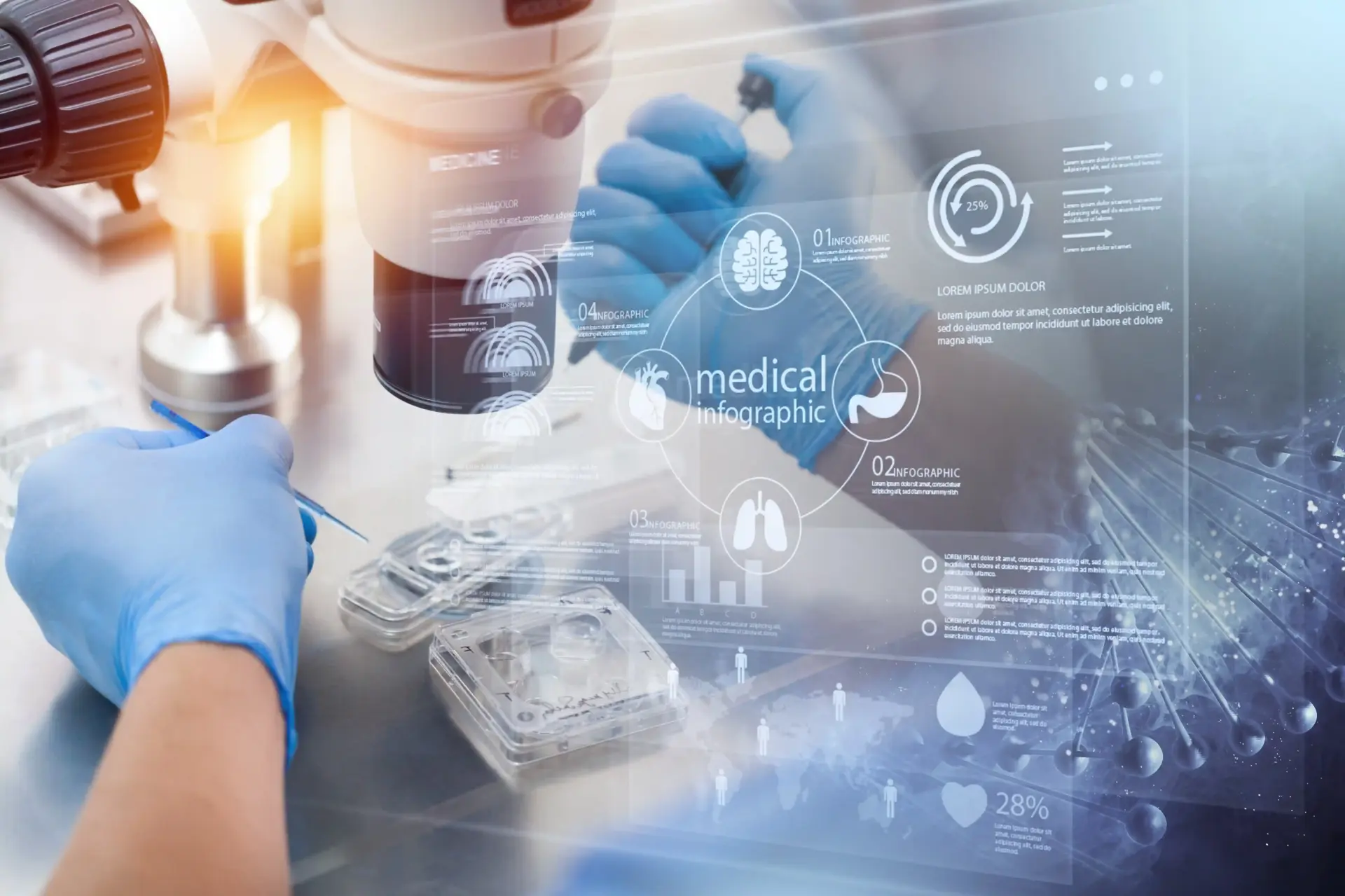
Simultaneous to the surgical egg retrieval, the male partner provides a vital semen sample. The preparation of this fresh sample is a highly specialized laboratory procedure that is absolutely vital for the ultimate success of the treatment. The raw sample is carefully washed using special, nutrient rich clinical solutions.
A laboratory centrifuge is utilized to separate the healthy, swimming sperm from the seminal fluid. Dead cells, bacteria, and microscopic debris are entirely removed from the sample. The most active, highly motile sperm are then carefully concentrated into a tiny, precise volume of fluid. This laboratory process perfectly mimics the natural filtration and capacitation that normally occurs in the female reproductive tract.
Once the eggs are successfully isolated and the sperm is completely washed, the highly trained embryologist prepares the specific biological mixture that will be used for the surgical transfer. Unlike traditional laboratory fertilization methods, the reproductive cells are not left in a warm dish to fertilize overnight.
The embryologist carefully selects the highest quality, fully mature eggs under a microscope. A precise and clinically calculated number of motile sperm is prepared. The chosen eggs and the concentrated sperm are carefully drawn into a very thin, highly flexible medical catheter. They are purposefully separated by a tiny, microscopic air bubble within the tube to absolutely prevent any early mixing before they reach the body.
Because the delicate reproductive cells must be placed deeply and securely inside the reproductive tract, Gamete Intrafallopian Transfer (GIFT) requires a minor surgical procedure called a laparoscopy, which seamlessly and immediately follows the egg retrieval. The patient is carefully placed under general anesthesia to ensure total immobility and pain relief.
With the target fallopian tube clearly visible and magnified on the operating room monitor, the final and most crucial step of the entire procedure takes place. The surgeon carefully guides the loaded medical catheter deep into the abdomen. The soft tip of the catheter is gently and precisely threaded into the natural opening of the fallopian tube.
The embryologist or assisting surgeon very slowly pushes the plunger on the attached syringe. The biological mixture of eggs and sperm is smoothly and safely deposited deep within the protective environment of the tube. The catheter is then carefully removed and microscopically checked in the lab to ensure all cells were successfully delivered. The surgeon then removes the abdominal camera and closes the tiny incision.
Once the laparoscopy is successfully finished, the physiological magic of Gamete Intrafallopian Transfer (GIFT) instantly begins. The medical team has completely finished their role, and the body natural, ancient processes take over entirely. The concentrated sperm immediately begin to swim actively toward the eggs within the natural, nourishing tubal fluids.
A single, healthy sperm naturally penetrates the thick outer shell of an egg to successfully fertilize it. The newly fertilized egg, which is now officially an embryo, immediately begins to divide and grow. Over the next several days, microscopic hairs inside the tube sweep the growing embryo slowly toward the uterus. This is the profound, ultimate benefit of the procedure.
Understanding the exact timeline helps anxious patients adequately prepare for the significant physical demands of the treatment day. The sequence of medical events on the day of the procedure is highly structured, continuous, and tightly scheduled.
The initial egg retrieval takes approximately thirty minutes to perform. The delicate laboratory preparation of the cells takes about an hour while the patient rests. The subsequent laparoscopic transfer surgery takes an additional thirty to forty five minutes to execute safely. The patient will then spend a few hours slowly waking up in the clinical recovery area under nursing supervision. In total, the patient spends the better part of a full day at the surgical center.

Send us all your questions or requests, and our expert team will assist you.
A doctor uses an ultrasound to guide a very thin needle through the vaginal wall directly into the ovarian follicles to suction out the fluid containing the eggs.
Embryologists quickly examine the retrieved fluid to find the eggs, clean the sperm sample, and load both into a thin tube for the surgeon to use.
The surgeon uses a laparoscope, a thin lighted camera inserted through a tiny cut in the belly button, to see and reach the fallopian tubes directly.
Patients typically receive intravenous sedation for the egg retrieval and then transition to general anesthesia so they are completely asleep for the laparoscopic transfer.
The embryologist places a microscopic bubble of air between the fluid containing the sperm and the fluid containing the eggs inside the transfer catheter.

 IVF
IVF IVF
IVF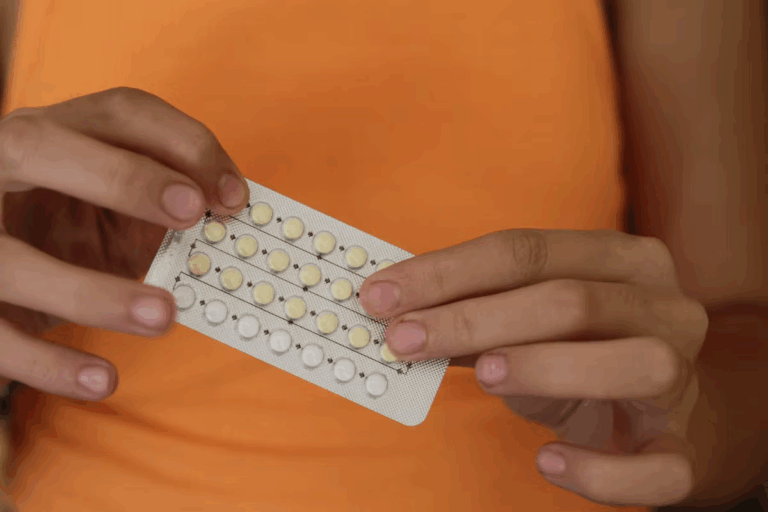 IVF
IVF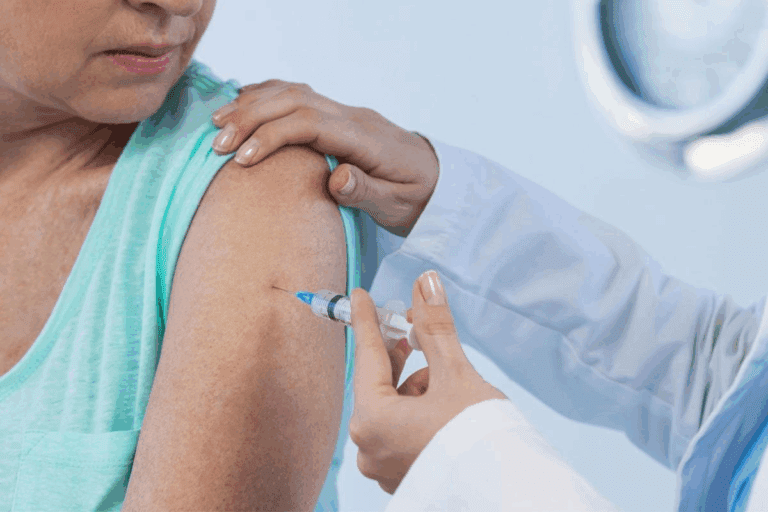 IVF
IVF IVF
IVF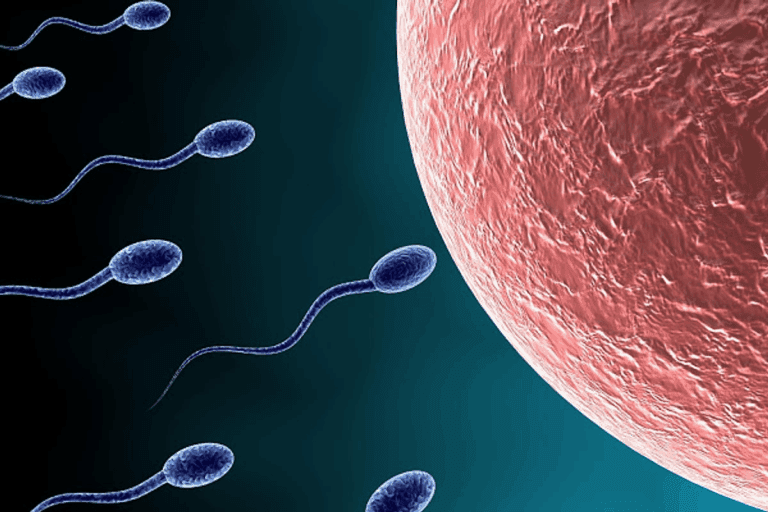 IVF
IVF
Leave your phone number and our medical team will call you back to discuss your healthcare needs and answer all your questions.
Your Comparison List (you must select at least 2 packages)