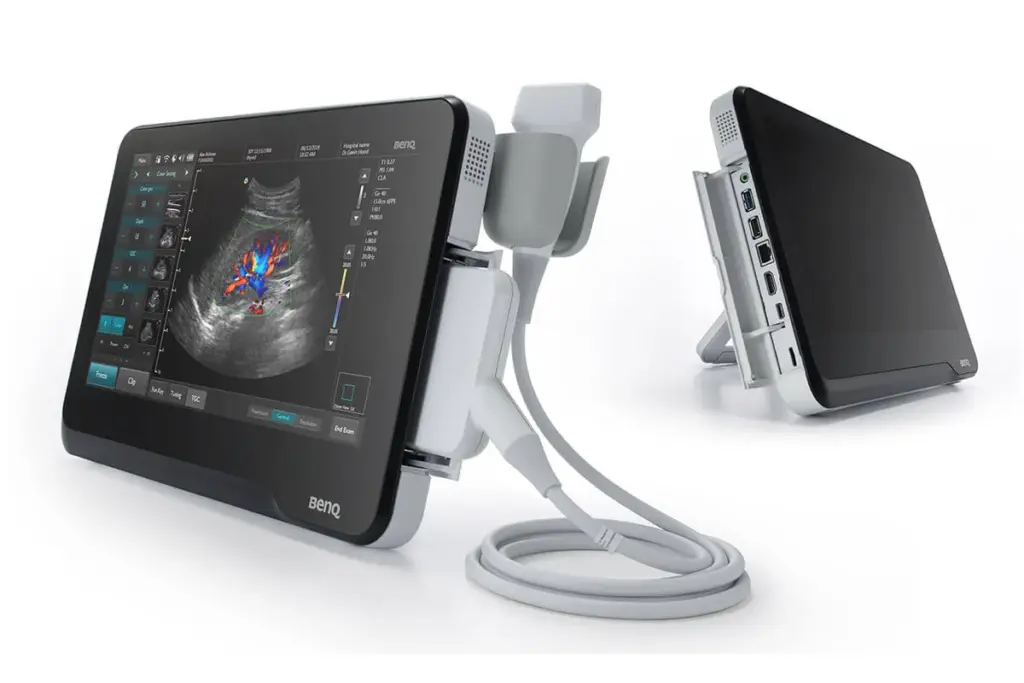
Intravascular ultrasound (IVUS) has changed how we look at heart health. Recent studies have shown that nearly 70% of interventional cardiology procedures use IVUS. Knowing the possible side effects of IVUS is key for doctors and patients.
We will look into how IVUS works and its possible risks. By checking the data, we want to teach you about the dangers of this common medical tool. Worried about IVUS? Learn to avoid nasty side effects. Discover vital safety facts about this amazing procedure to ensure a smooth recovery.
Key Takeaways
- IVUS is a valuable tool in diagnosing and treating cardiovascular diseases.
- The use of IVUS has become increasingly common in interventional cardiology procedures.
- Understanding the possible side effects of IVUS is essential for medical professionals and patients.
- IVUS provides detailed images of coronary arteries and other blood vessels.
- Recent studies have highlighted the importance of IVUS in cardiovascular medicine.
Overview of Intravascular Ultrasound (IVUS)
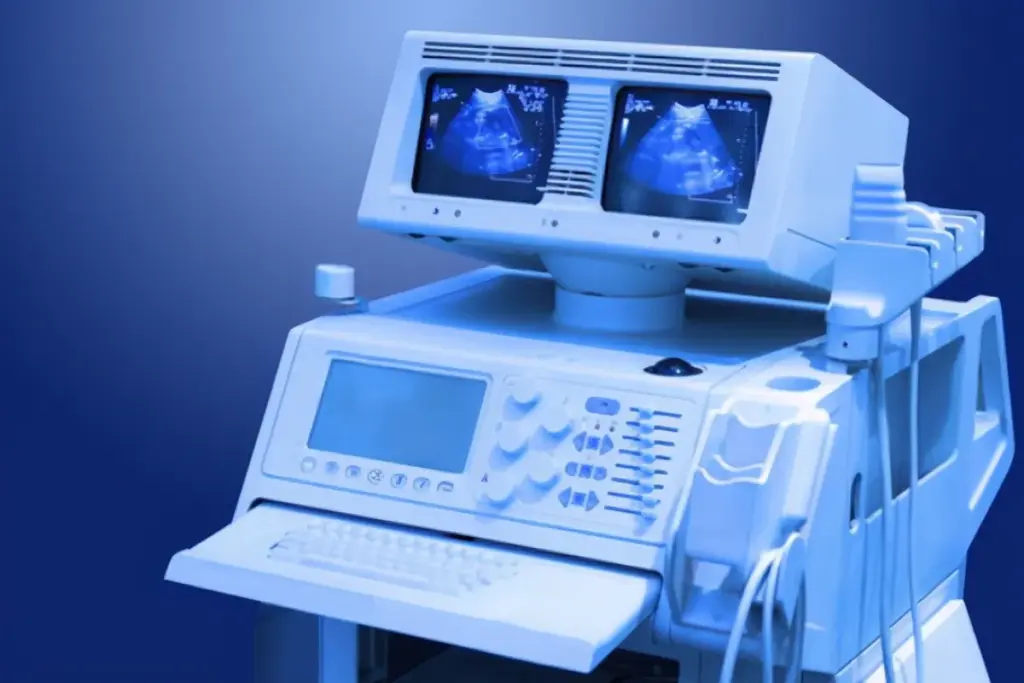
IVUS is a catheter-based imaging technology. It helps see inside blood vessels. It’s key for heart health checks.
Definition and Purpose
Intravascular Ultrasound (IVUS) uses a tiny ultrasound probe in a catheter. It creates detailed images of blood vessel interiors. The main goal is to check coronary arteries and diagnose diseases like coronary artery disease.
How IVUS Works
The process involves a catheter with an ultrasound probe. As it moves through the vessel, it sends and receives ultrasound waves. This creates live images.
Some important points about IVUS include:
- It uses a high-frequency probe for clear images.
- It gives real-time info on blood vessel health.
- It helps see plaque buildup and narrowings.
Common Applications in Medicine
IVUS is vital in cardiology. It’s used for:
- Checking coronary artery disease by seeing plaque.
- Helping with procedures like angioplasty and stenting.
- Seeing how well treatments work.
IVUS is key. It helps diagnose coronary artery disease, guides treatments, and checks treatment success.
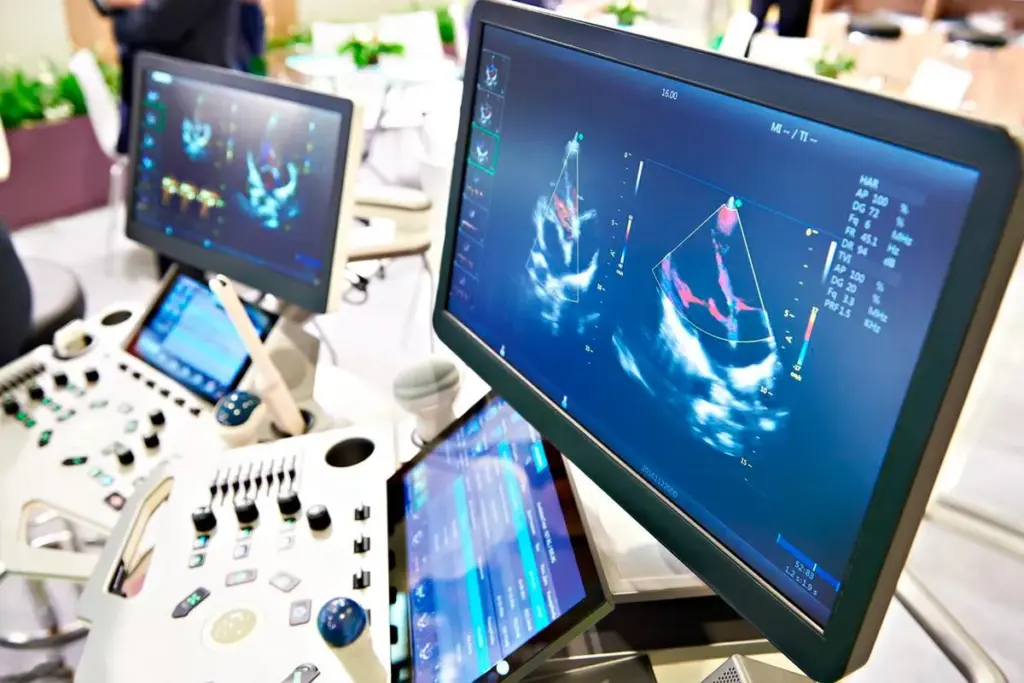
IVUS, like any invasive procedure, can have side effects. These include physical discomfort and allergic reactions. It’s important for patients to know about these risks to make good choices about their health.
Physical Discomfort During Procedure
Some people might feel physical discomfort during IVUS. This can happen when the catheter is inserted or when the balloon is inflated. It helps guide the IVUS catheter through the blood vessels.
- Mild discomfort or pain at the catheter insertion site
- Sensation of pressure or discomfort during catheter navigation
- Rarely, patients may experience vasospasm or temporary narrowing of the blood vessel
We employ local anesthesia and conscious sedation methods to minimize discomfort.
Allergic Reactions to Sedatives
Allergic reactions to sedatives used in IVUS are a risk. These reactions can be mild or severe, though rare.
Common sedatives include:
- Midazolam
- Fentanyl
We watch patients for signs of an allergic reaction. This includes rash, itching, or trouble breathing. We’re ready to act fast if a reaction happens.
Risks Associated with IVUS
IVUS, like any medical procedure, has its risks. These include problems at the insertion site and damage to blood vessels. Studies show that IVUS can lead to infection and harm to blood vessels.
Infection at the Insertion Site
Infection is a risk with any invasive procedure, including IVUS. The catheter’s insertion through the skin and into a blood vessel can let bacteria in. To lower this risk, healthcare providers use strict sterile techniques.
Steps to reduce infection risk include:
- Using sterile equipment and supplies
- Properly preparing the insertion site
- Administering prophylactic antibiotics in certain cases
Blood Vessel Damage
Blood vessel damage is another risk with IVUS. The catheter’s movement inside blood vessels can harm the vessel walls. This risk is higher for patients with severe atherosclerosis.
The possible outcomes of blood vessel damage are:
- Dissection or perforation of the vessel wall
- Thrombosis or clot formation
- Embolism due to dislodged plaque or thrombus
Healthcare providers must weigh IVUS’s risks and benefits for each patient. They must take precautions to minimize these risks. This way, we can ensure IVUS’s benefits while reducing complications.
Understanding Contrast Agents Used in IVUS
Contrast agents are key in making images clearer during Intravascular Ultrasound (IVUS) procedures. They help see vascular structures better. This makes diagnosing and treating conditions more accurate.
Types of Contrast Agents
There are many contrast agents for medical imaging, including IVUS. Iodine-based contrast agents are popular because they absorb x-rays well. This makes blood vessels stand out. Gadololinium-based contrast agents are used for MRI and sometimes with IVUS for better images.
The right contrast agent depends on the patient’s health, the procedure’s needs, and the doctor’s choice.
Potential Side Effects of Contrast Agents
Contrast agents are usually safe but can cause side effects. Mild reactions include nausea, vomiting, and itching. Rare but serious reactions can be allergic, like hives or trouble breathing.
Research shows knowing these side effects is key for patient care in IVUS. We must be ready to handle these risks to keep patients safe.
To lower risks, doctors check the patient’s history, use the least amount needed, and watch them closely. This helps prevent problems.
Patient Experience During IVUS
Understanding the patient experience during IVUS is key for a smooth procedure and recovery. We guide you through the process, stressing the importance of being informed and prepared.
Pre-Procedure Instructions
Before an IVUS procedure, following specific pre-procedure instructions is vital. Patients should disclose their full medical history, including any allergies or sensitivities to medications. Patients should also be aware of the following guidelines:
- Inform your doctor about any medications you are currently taking.
- Follow any dietary restrictions as advised by your healthcare provider.
- Arrange for someone to accompany you on the day of the procedure.
Following these guidelines helps minimize complications and supports a successful procedure.
What to Expect During the Procedure
During the IVUS procedure, patients are given local anesthesia to numb the area where the catheter is inserted. It’s normal to feel a slight discomfort or pressure as the catheter is guided through the blood vessels. Our medical team is trained to ensure your comfort and safety throughout the procedure.
Post-Procedure Care
After the IVUS procedure, patients are monitored for a short period to check for any immediate complications. Post-procedure care instructions include:
|
Care Instructions |
Description |
|---|---|
|
Rest |
Avoid strenuous activities for 24 hours. |
|
Medication |
Follow the medication regimen as prescribed by your doctor. |
|
Monitoring |
Keep an eye on the insertion site for signs of infection or bleeding. |
By following these post-procedure care guidelines, patients can ensure a smooth recovery and minimize the risk of complications.
Long-Term Effects of IVUS
It’s important for patients to know about the long-term effects of IVUS. This procedure is very useful for doctors, but it’s key to watch out for any issues that might arise. Even though these effects are usually small, they need to be closely monitored.
Monitoring After Procedure
Patients should keep an eye out for any signs of trouble after IVUS. Regular check-ups with doctors are vital. This helps catch any problems early on.
Following the doctor’s advice after the procedure is a must. This might mean resting the affected limb and watching for infection signs. Also, don’t forget to go to all your follow-up appointments.
Potential Complications
Even though it’s rare, IVUS can lead to some serious issues. These include damage to blood vessels, infection, or reactions to the contrast agents. It’s important for patients to know about these risks and to tell their doctor if they notice anything odd.
A study in 2020 found that IVUS’s long-term effects are mostly minor. But, it’s always better to be careful. Knowing about possible complications and the need for monitoring helps patients make better choices for their health.
Factors Affecting IVUS Side Effects
It’s important to know what affects IVUS side effects. This knowledge helps both patients and doctors. The risk and how bad these effects are can change a lot.
Patient Health and Medical History
A patient’s health and past medical issues are key. Pre-existing conditions like kidney disease or allergies can raise the risk of problems. For example, those with kidney disease might face more issues with contrast agents used in IVUS.
Also, a patient’s past health can tell us a lot. Previous vascular procedures or conditions can affect how well IVUS works. We look at this when deciding if IVUS is right for a patient.
Skill of the Practitioner
The skill of the person doing the IVUS is very important. A highly skilled practitioner can lower the risk of problems. They know how to move through the blood vessels and use the right techniques.
Also, an experienced doctor can deal with any surprises during the procedure. This makes the patient safer. We stress the need to choose a well-qualified doctor for IVUS.
Alternatives to IVUS
IVUS is a key tool for doctors, but other methods can offer more insights. For those who can’t have IVUS or need more info, there are other ways to see inside the body.
Other Imaging Techniques
Angiography and CT angiography are good alternatives to IVUS. Angiography uses a contrast agent to see blood vessels. CT angiography uses CT scans to show artery details and spot diseases.
Angiography is great for seeing inside blood vessels and finding problems. CT angiography is non-invasive and gives clear images of blood vessels.
Pros and Cons of Each Option
Each method has its benefits and drawbacks. Angiography is good for some diagnoses but is invasive and can cause bleeding. CT angiography is safer but uses radiation and might not be good for people with kidney issues.
Choosing the right imaging method depends on the patient’s health. For example, those with kidney problems might need safer alternatives.
- Angiography: Pros – detailed visualization of blood vessels; Cons – invasive, risk of bleeding.
- CT Angiography: Pros – non-invasive, high-resolution images; Cons – radiation exposure, contrast agent risks.
Comparing IVUS with Other Procedures
IVUS is a key tool in diagnosing heart issues. But how does it stack up against angiography and CT angiography? Let’s dive into the differences to grasp their roles in heart care.
IVUS vs. Angiography
Angiography gives a 2D view of heart arteries. It’s good for seeing the inside of blood vessels. But, it falls short in examining the artery walls and plaque types. IVUS, by contrast, offers a detailed look at the artery walls. It helps doctors measure plaque and understand its makeup.
IVUS shines in spotting risky plaque types. It can see thin-cap fibroatheroma, a sign of high risk. Angiography, though, mainly looks at the inside of the artery and misses these subtle plaque changes.
IVUS vs. CT Angiography
CT angiography is a non-invasive way to see heart arteries. It’s great for finding heart disease and measuring blockages. Yet, it doesn’t match IVUS in detail when it comes to plaque and stent placement.
IVUS has a big edge over CT angiography. It allows for real-time imaging during procedures. This lets doctors adjust their plans on the fly. Plus, IVUS checks if stents are properly placed and expanded.
In summary, IVUS, angiography, and CT angiography each have their own strengths. Knowing their differences helps doctors choose the best imaging for their patients.
Regulatory and Safety Standards for IVUS
Intravascular Ultrasound (IVUS) follows strict regulatory standards for patient safety. These standards guide the safe use of IVUS in medical procedures.
The FDA is key in regulating IVUS technology. They set guidelines for manufacturers to ensure devices are safe and work well.
FDA Regulations
The FDA treats IVUS devices as medical devices. This means they must follow specific rules. For example, devices must pass thorough testing to show they are safe and work as promised.
The FDA also watches IVUS devices after they’re approved. They look for any bad effects from using them. This helps keep patients safe.
Safety Protocols
There are also safety protocols for using IVUS. These include training for doctors, proper care of the equipment, and using clean techniques. Following these steps helps avoid risks during IVUS procedures.
By following FDA rules and safety protocols, we make sure IVUS is used safely. This helps doctors get important information while keeping patients safe.
Future of IVUS Technology
IVUS technology is evolving fast, bringing new hope for better patient care. We’re on the brink of a new era in heart health diagnostics and treatments.
Innovations in Techniques
New IVUS techniques are making images clearer and easier to use. High-definition IVUS catheters help see coronary arteries better. This is key for spotting and treating heart problems.
Software for analyzing IVUS images is getting smarter too. It can now tell us more about plaque and heart risks. This helps doctors understand heart health better.
Research and Developments
Research is driving IVUS technology forward. Studies are checking if IVUS works well in different situations. For example, IVUS helps make stenting safer and more effective.
|
Research Area |
Focus |
Potential Impact |
|---|---|---|
|
Image Resolution |
Enhancing clarity and detail |
Better diagnosis and treatment planning |
|
Catheter Design |
Improving flexibility and maneuverability |
Easier to use, reducing procedural time |
|
Software Algorithms |
Advanced image analysis |
More accurate assessments of plaque vulnerability |
The future of IVUS looks bright, with new ideas and research. These advancements will help care for patients more effectively. As we see more progress, IVUS will become even more important in heart disease management.
Conclusion: Weighing the Benefits and Risks of IVUS
IVUS is a key tool in heart care, giving vital info for treatments. Yet, it has risks and side effects to think about.
Key Considerations
Knowing the possible side effects of IVUS is important. These can include discomfort, allergic reactions, and damage to blood vessels. We must balance these risks against the benefits.
Benefits include better accuracy in diagnosis and better treatment results. This makes IVUS a valuable tool in heart care.
Making Informed Decisions
Choosing to use IVUS or any medical procedure needs careful thought. Patients should know the pros and cons to make smart choices. Talking to a healthcare provider about personal concerns is key.
As research and tech advance, IVUS will likely get safer and more effective. Studies, show the need for ongoing improvement in medical imaging.
FAQ
What is IVUS and how is it used in medicine?
IVUS, or Intravascular Ultrasound, is a way to see inside blood vessels. It uses a small ultrasound probe in a catheter. Doctors use it to find and treat heart disease.
What are the common applications of IVUS in medicine?
IVUS helps doctors see how bad heart disease is. It guides treatments like stenting. It shows the inside of blood vessels clearly.
What are the possible side effects of IVUS?
Side effects can include discomfort and allergic reactions. There’s also a chance of infection or damage to blood vessels. The risk depends on the person.
How can I minimize the risks associated with IVUS?
Follow instructions before the procedure. Tell your doctor about your health. Choose a skilled practitioner. Knowing what to watch for after can help you recover well.
What are the alternatives to IVUS?
Options include angiography and CT angiography. Each has its own benefits and drawbacks. The right choice depends on your needs and health.
How does IVUS compare to other procedures like angiography and CT angiography?
IVUS shows the wall and lumen of vessels. Angiography and CT angiography mainly show the lumen. IVUS is better for seeing plaque and guiding treatments.
Are there any long-term effects of IVUS?
IVUS is usually safe with little long-term impact. But, it’s important to watch for any issues after the procedure.
How do patient health and medical history affect IVUS side effects?
Your health and past medical issues can affect IVUS side effects. Some conditions might need special care or different treatments.
What are the regulatory and safety standards for IVUS?
IVUS follows FDA rules and safety steps. This ensures it’s used safely and effectively.
What is the future of IVUS technology?
New research and tech could improve IVUS. This might lead to better images, safety, and uses.
Can people survive heart attacks, and how does IVUS relate to heart attack treatment?
Survival chances after a heart attack vary. IVUS helps diagnose and treat heart disease, a common cause of heart attacks.
How long can you live with coronary artery disease, and what is the life expectancy after a heart attack?
Life expectancy with heart disease and after a heart attack varies. IVUS helps doctors make better treatment plans, which can improve outcomes.
Is coronary artery disease reversible, and can IVUS help in its management?
Heart disease is not usually reversible, but treatments can manage it. IVUS helps doctors see how severe the disease is and guide treatments.
References
National Center for Biotechnology Information. Evidence-Based Medical Insight. Retrieved from https://pubmed.ncbi.nlm.nih.gov/34756537/