

Key Takeaways
- Understanding the importance of pancreatic cancer awareness
- Learning from Kamar de los Reyes’ experiences and challenges
- Gaining insight into the emotional and medical realities of a cancer journey
- Discovering ways to support pancreatic cancer research and awareness
- Finding inspiration in his resilience and advocacy
The Life and Career of Kamar de los Reyes
Kamar de los Reyes built a dynamic career across television, film, and video games. Born in Puerto Rico, he later moved to Hollywood, where his charisma and versatility quickly gained attention.
Notable Roles and Achievements
One Life to Live Legacy
His portrayal of Antonio Vega in One Life to Live became one of his most recognized performances, earning him industry respect and a loyal fan base.
Voice Acting in Call of Duty: Black Ops II
Beyond television, he demonstrated remarkable voice acting skills in major video games, showcasing his adaptability across mediums.
The Day Everything Changed: Initial Diagnosis
Like many individuals diagnosed with pancreatic cancer, the journey began with subtle but persistent symptoms.
Early Warning Signs
Common pancreatic cancer symptoms include:
| Symptom | Description |
| Abdominal Pain | Pain radiating toward the back |
| Unexplained Weight Loss | Often due to digestive disruption |
| Jaundice | Yellowing of skin and eyes from bile duct blockage |
| Fatigue | Persistent exhaustion |
Recognizing these signs and seeking medical attention early can significantly affect outcomes.
Understanding the Diagnosis
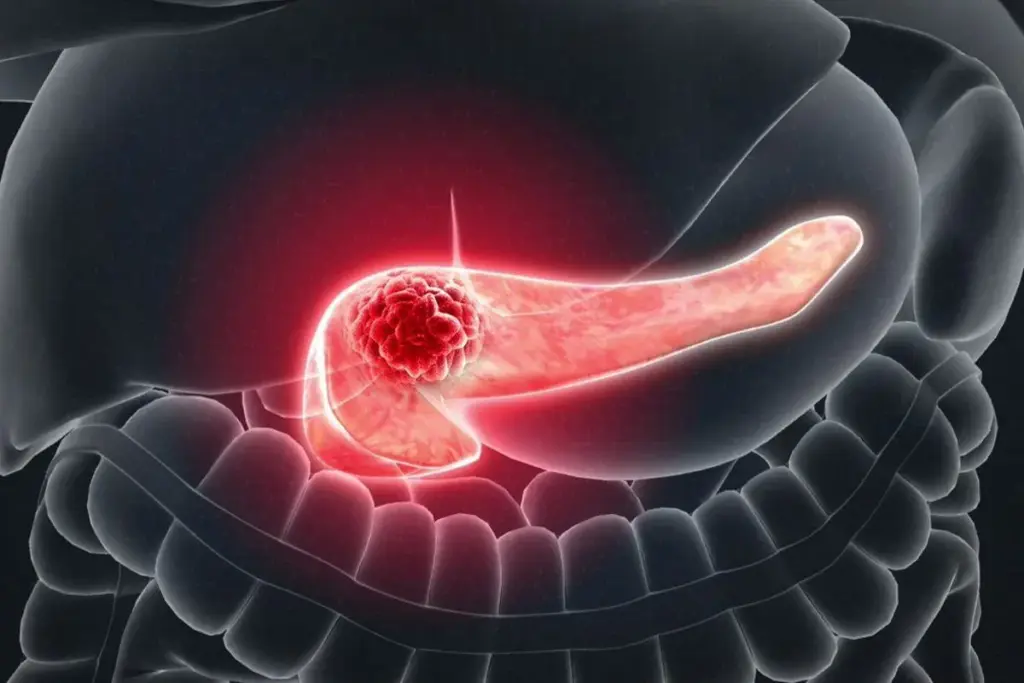
Kamar de los Reyes was diagnosed with pancreatic adenocarcinoma, the most common form of pancreatic cancer.
Type and Stage
Diagnosis typically involves:
- Imaging scans (CT, MRI)
- Biopsy confirmation
- Staging assessments
Prognosis varies depending on stage and overall health. While pancreatic cancer is known for late detection, individualized treatment planning is crucial.
Emotional Impact
Processing the diagnosis required time and emotional resilience. Like many patients, he navigated shock, fear, uncertainty, and eventual acceptance. Sharing the news with loved ones became both difficult and deeply strengthening.
Navigating Treatment Options
A multidisciplinary medical team is essential in pancreatic cancer care.
Common Treatment Modalities
| Treatment | Purpose | Possible Side Effects |
| Surgery | Tumor removal | Pain, infection risk |
| Chemotherapy | Destroy cancer cells | Nausea, fatigue |
| Radiation Therapy | Target residual cells | Skin irritation, fatigue |
Surgical intervention is often considered when tumors are operable. Recovery can be intensive and requires nutritional support, monitoring, and strong caregiving assistance.
The Physical and Emotional Battle
Coping with Treatment Side Effects
Cancer treatment can lead to:
- Chronic fatigue
- Digestive issues
- Pain
- Weight changes
Strategies such as balanced nutrition, guided physical activity, and medical symptom management are essential.
Mental Health During Treatment
Depression and anxiety are common during cancer treatment. Support systems—family, therapy, and support groups—play a vital role in emotional resilience.
Impact on Professional Life
Stepping away from acting was necessary to prioritize health. The experience reshaped his approach to work, leading to:
- Greater focus on personal values
- Improved work-life balance
- More intentional career decisions
Cancer often shifts identity perspectives, particularly for public figures whose careers define much of their lives.
The Crucial Role of Family Support
Family became central to his strength and recovery. His partner and children provided:
- Emotional stability
- Care coordination
- Physical caregiving support
Strong family bonds frequently improve treatment adherence and emotional outcomes in cancer patients.
Becoming an Advocate for Pancreatic Cancer Awareness
After his diagnosis, Kamar de los Reyes chose to go public to raise awareness.
Advocacy Efforts Included:
- Media interviews discussing symptoms and early detection
- Social media engagement
- Collaboration with cancer awareness initiatives
Public advocacy helps:
- Promote early screening awareness
- Encourage symptom recognition
- Reduce stigma around cancer discussions
- Support research funding
Lessons and Perspective Shifts
What Cancer Taught
His journey highlighted:
- The importance of living in the present
- The power of resilience
- The necessity of emotional vulnerability
- The value of support networks
Cancer often transforms fear into perspective, reshaping priorities and strengthening relationships.
Life After Treatment
Ongoing Monitoring
Post-treatment care typically includes:
- Regular physical exams
- Imaging scans
- Blood tests
- Monitoring for recurrence
Long-term follow-up is essential in pancreatic cancer survivorship.
A New Perspective on Life
Cancer survivorship frequently leads to:
- Reevaluation of priorities
- Increased gratitude
- Greater advocacy involvement
- Deeper family connections
As many survivors express, cancer can be both a profound challenge and a life-altering teacher.
Conclusion
The story of Kamar de los Reyes is one of resilience, vulnerability, and advocacy. His experience with pancreatic cancer underscores the importance of early symptom recognition, comprehensive treatment, strong family support, and public awareness.
By sharing his journey, he has contributed meaningfully to pancreatic cancer awareness and inspired others facing similar battles. Continued research, education, and advocacy remain critical in improving outcomes for this aggressive disease.
FAQ
What are early symptoms of pancreatic cancer?
Common early signs include abdominal pain, unexplained weight loss, fatigue, and jaundice.
How important is family support during treatment?
Family support significantly improves emotional resilience, caregiving logistics, and treatment adherence.
What treatments are available?
Treatment may include surgery, chemotherapy, radiation therapy, or a combination depending on stage and patient health.

























