When patients have a tumour removed, they often wonder what happens next. It’s a natural curiosity. But how tumours are handled after removal is very strict.
Regulations around biological specimens mean hospitals have to follow certain rules. These rules are important for keeping tumours safe. They also help doctors understand the tumor better for treatment.
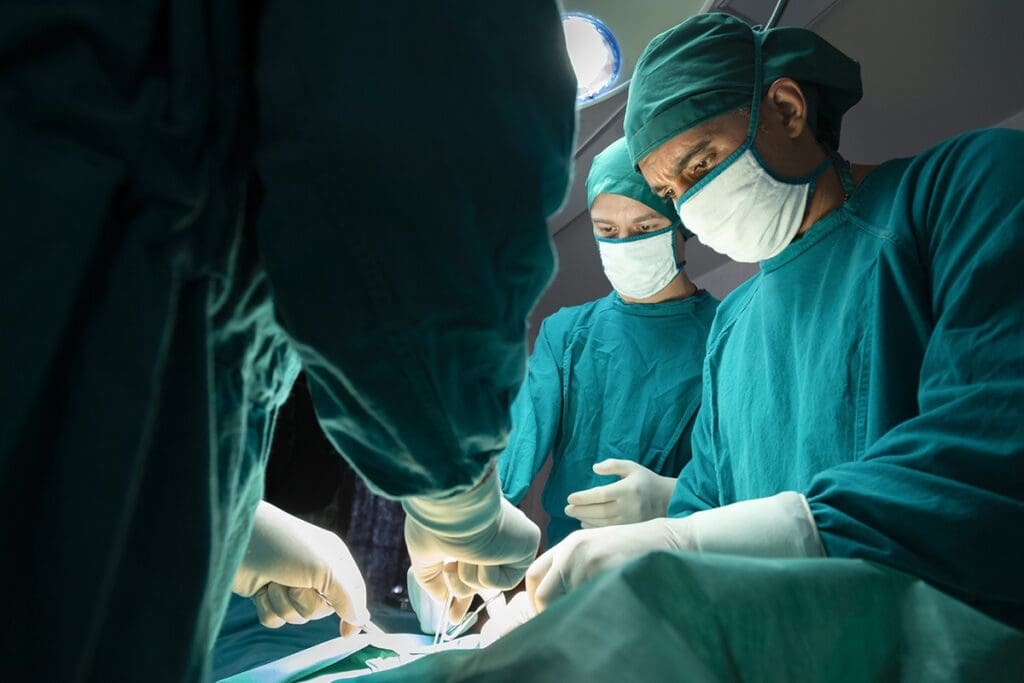
Patients might wonder if they can keep their tumors. However, hospitals usually can’t allow this due to strict regulations regarding the handling and disposal of waste body parts. These rules exist to ensure safety, proper specimen management, and environmental protection. In this article, we’ll explore why these regulations are in place and what typically happens to tumors after they are surgically removed.
Key Takeaways
- Hospitals follow strict protocols for handling removed tumors.
- Pathological analysis of tumors is key for diagnosis and treatment.
- Regulations around biological specimens dictate what happens to tumors post-surgery.
- Patients are rarely allowed to keep their tumors due to these regulations.
- The handling of tumors is a critical part of cancer diagnosis and treatment.
Understanding Tumours as Medical Waste Body Parts
Tumors removed are seen as medical waste, needing careful disposal. This is key for public health and safety. It also ensures the tissue is analyzed fully.
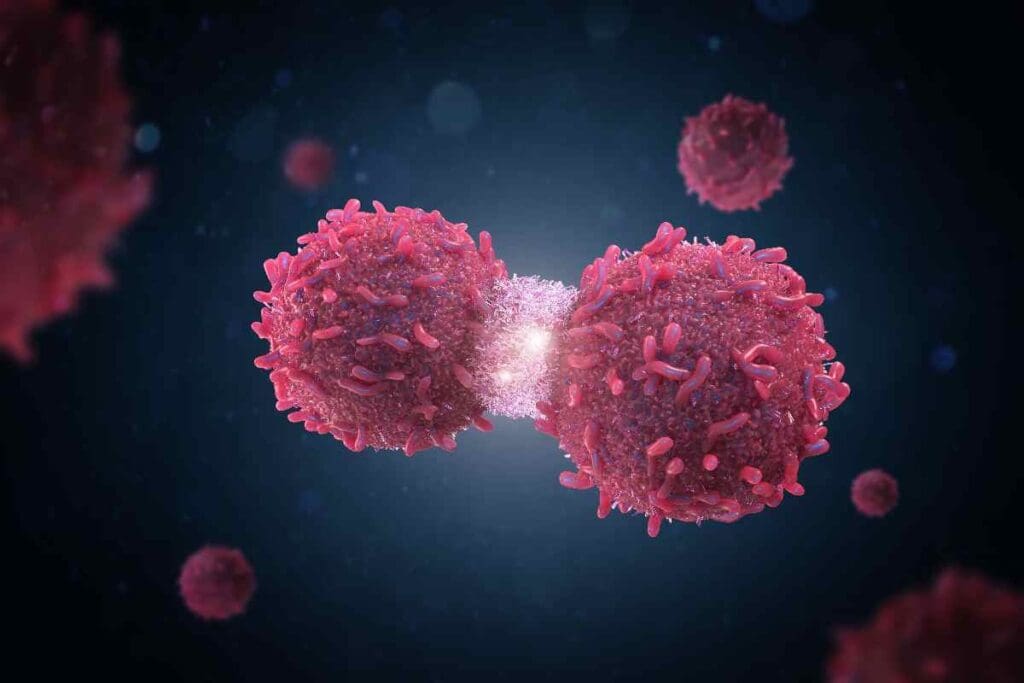
Classification as Biological Waste
Tumours are biological waste from human tissue. They must be handled carefully to avoid biohazard risks. They are stored in the right containers and disposed of following strict rules.
Legal Ownership of Excised Tissue
After a tumor is removed, the tissue’s ownership usually goes to the medical facility. This is a common practice. It lets hospitals follow their rules, including analysis and disposal.
Varying Regulations by Country
Rules for handling medical waste, like tumors, differ worldwide. Some countries have strict rules, while others are more relaxed. Usually, patients can’t keep their removed tumors because of these rules and the need for analysis.
Knowing these rules helps patients and families understand the complex process of managing medical waste. It’s a balance between medical analysis and public health and safety.
5 Reasons Hospitals Don’t Allow Patients to Keep Tumours
When a tumor is removed, hospitals have strict rules. They don’t let patients keep the tissue. This is for important reasons that keep patients safe and healthy.
Pathological Analysis is Mandatory for Accurate Diagnosis
Hospitals keep tumors for analysis. This is key to confirm the diagnosis and plan treatment. Accurate diagnosis is key to effective treatment planning, and the tumor’s histological examination provides invaluable information.
Biohazard Risks Pose Public Health Concerns
Tumors might have infectious agents. If not disposed of right, they could harm public health. Hospitals handle these risks with special protocols, ensuring biohazardous materials do not contaminate the environment or harm others.
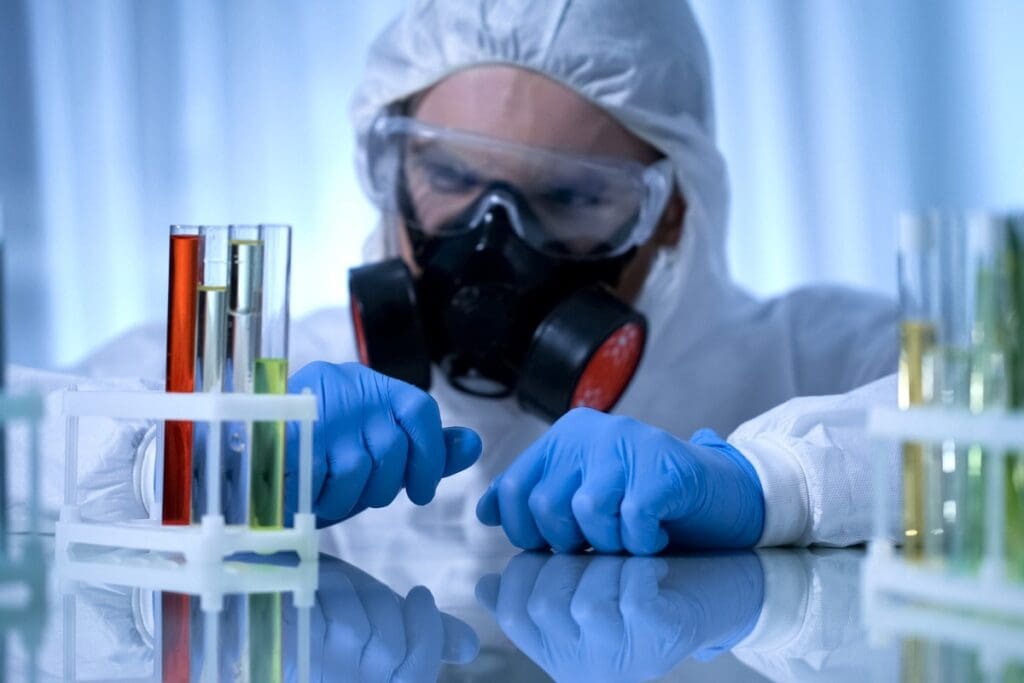
Proper Preservation Requires Specialized Equipment
Keeping a tumor safe needs special equipment. Hospitals have the right setup to store and preserve biological specimens. This is key to keep the specimen safe for analysis.
Medical Record Documentation Must Include Tissue Analysis
For complete medical records, tumor analysis must be documented. Pathology departments need the tumor for detailed examination. Comprehensive medical records are essential for ongoing patient care, providing a reference point for future treatments or follow-ups.
Regulatory and Ethical Considerations
There are laws and ethics in handling human tissue. Hospitals must follow these to protect patients and the community. These rules are in place for everyone’s safety.
In summary, hospitals don’t let patients keep tumors for many reasons. These include medical needs, public health, and following rules. While patients might want to keep their tumors, healthcare providers focus on safe and effective care.
What Happens to Tumours After Surgical Removal
Tumors removed during surgery are sent for pathological examination. This is a key step in understanding the tumor. It helps confirm the diagnosis and plan further treatment.
The Complete Pathology Examination Process
The pathology examination is detailed. First, the tumor is examined macroscopically to check its size and shape. Then, representative samples are taken for microscopic examination to analyze the tumor’s cells.
The pathology report is vital for treatment planning. It tells if the tumor is benign or malignant, its size, and if it’s fully removed.
Storage Protocols for Tissue Specimens
Tissue specimens, including tumours, are stored carefully. They are fixed in formalin and then embedded in paraffin wax. This makes them ready for microscopic examination.
- Specimens are labelled and tracked to match patient records.
- Storage conditions are controlled to keep specimens intact.
- Access to specimens is limited to authorized personnel.
Final Disposal Methods for Medical Waste Body Parts
After analysis, tumor specimens are disposed of. This involves incineration, a safe and environmentally friendly method.
- Incineration is done at high temperatures to destroy waste completely.
- The ash is then disposed of following local environmental rules.
- Some places use autoclaving for certain medical waste.
Knowing what happens to tumors after surgery helps patients understand their diagnosis and treatment. Even though the tumor is not kept, the information from its examination is key to their care.
Alternatives for Patients Who Want to Keep Their Tumor
Patients who want to keep a piece of their tumor have options. Hospitals follow strict rules for disposing of biological waste, like tumors. But, there are ways to document your journey or keep a record of your tumor.
Requesting Photographs or Imaging of Your Tumor
One way is to ask for photos or imaging of your tumor before it’s thrown away. Many hospitals offer this service. It lets patients have a visual record of their tumor, which can be very meaningful.
3D Printing Replicas as Physical Mementos
Another option is getting a 3D printed replica of your tumor. Medical facilities can make a 3D model from scan data. This gives patients a physical reminder of their journey.
Rare Exceptions Where Keeping Tissue is Permitted
In rare cases, hospitals might let patients keep their tumor for educational or research reasons. But, this is very rare and follows strict rules. Patients should talk to their doctor to see if this is possible.
How Some Patients Have Documented Their Tumour Journey
Many patients have found creative ways to share their tumour journey. They keep journals, write on social media, or blog. These stories help others understand what they’re going through. They also help patients process their experience.
Knowing what happens to removed body parts can help patients make better choices. While keeping the tumor itself is rare, there are meaningful ways to document your experience.
Conclusion:
We’ve looked into the rules for handling and getting rid of tumors after surgery. It’s key for keeping everyone safe and making sure diagnoses are right.
Tumors are treated as medical waste, following strict rules. They go through tests, are stored in special places, and then thrown away like amputated parts.
If patients want to keep a piece of their tumor, they can take photos or get 3D prints. They can also write about their experience. Remember, handling tumors is regulated to keep everyone safe and show respect for the patient.
Knowing what happens to tumors after they’re taken out helps patients understand their treatment better. We hope this info has been useful in explaining the process and why it’s so important.
FAQ’s:
What happens to a tumor after it’s removed during surgery?
After surgery, tumors are checked to confirm the diagnosis. They are then handled and thrown away to keep everyone safe.
Can I keep my tumour after it’s removed?
No, hospitals don’t let patients keep their tumours. This is because of strict rules and health reasons.
Why is pathological analysis necessary?
Pathological analysis is key to confirm the diagnosis and check the tumor’s type. It helps plan further treatment.
How are removed tumors handled and disposed of?
Tumors are treated carefully to avoid contamination. They are thrown away safely, following strict rules.
Are there any alternatives for patients who want to keep a memento of their tumor?
Yes, some hospitals let patients take photos or get 3D prints of their tumor. Rarely, tissue might be kept for learning or research.
What happens to amputated body parts?
Amputated parts are treated like tumors and thrown away safely. But, some places might let you get them back, following rules.
Can I request to keep any other body parts removed during surgery?
The same rules apply to other body parts removed during surgery. Patients usually can’t keep them due to health risks and analysis needs.
How are organs removed during embalming handled?
Organs from embalming are handled by funeral homes. They follow local rules, which can differ.
What happens to body parts that are surgically removed?
Body parts removed surgically are checked and then thrown away. This is to keep everyone safe.
REFERENCES:
- College of American Pathologists. (2023). Practical guide to specimen handling in surgical pathology. Retrieved fromhttps://documentsuat.cap.org/documents/practical-guide-specimen-handling.pdf. Outlines protocols requiring fresh tumour specimens to be quickly transported, fixed in formalin, and handled as regulated medical waste. Ownership typically resides with the hospital for diagnostic use.
- African Research Universities Alliance. (2020). National cancer specimen handling guidelines. Retrieved fromhttps://arua-ncd.org/wp-content/uploads/2022/10/NATIONAL-CANCER-SPECIMEN-HANDLING-GUIDELINES-2020.pdf. Provides detailed procedures for specimen collection, transportation, labelling, analysis, storage, and disposal with emphasis on patient safety and compliance with legal standards.
- Sri Lanka Ministry of Health. (2021). Collection, handling & transport of surgical specimens: National guidelines in histopathology. Retrieved fromhttps://www.health.gov.lk/wp-content/uploads/2022/08/spcimen-handling-guideline-corrected.pdf. State tissue specimens, including tumours, must be retained under controlled conditions but ultimately disposed of safely as biohazard waste; only retained longer for research with consent.