
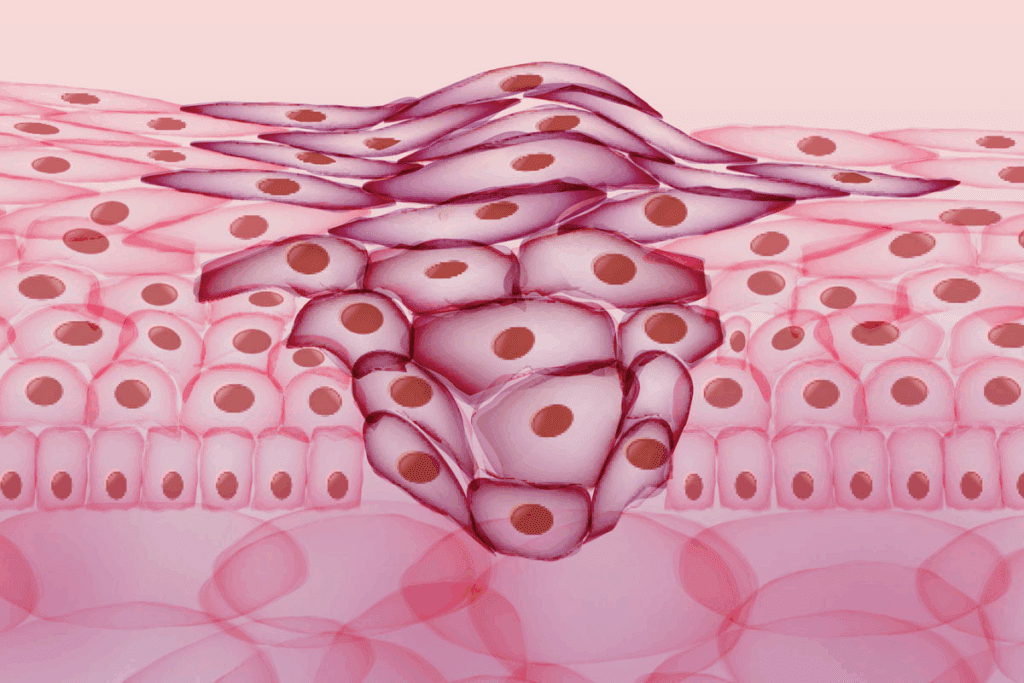
Your oral health depends on tissues you may have never heard of. Keratinized oral tissue is a special protective barrier in your mouth. It plays a big role in keeping your teeth healthy and supporting dental implants.
At Liv Hospital, we know that taking care of your mouth means understanding every part of it. Knowing about keratinized tissue and why it’s important can help you make better choices for your dental health.
Keratinized oral tissue is key for keeping your mouth healthy. It acts as a shield against damage and harmful germs. It’s very important for people with dental implants, as it helps keep the implant stable and healthy.
Key Takeaways
- Keratinized oral tissue is a protective barrier in the mouth.
- It plays a critical role in maintaining healthy teeth and supporting dental implants.
- Understanding keratinized tissue can help inform dental care decisions.
- It provides a barrier against mechanical forces and microbial invasion.
- Keratinized oral tissue is essential for the health and stability of dental implants.
The Nature and Definition of Keratinized Oral Tissue

Keratinized tissue in the mouth has special properties and functions. It’s key for oral health, acting as a strong barrier against outside factors. We’ll look into its definition, features, and where it’s found in the mouth.
Basic Definition and Characteristics
Keratinized oral tissue is marked by its keratinized epithelium. This part gives a solid bond to the bone below and fights off mechanical stress. It’s vital for keeping the oral mucosa strong.
The keratinized mucosa is thick and has keratin, a protein that makes it strong and flexible. Research shows it’s important for keeping peri-implant health good. Having enough keratinized tissue around dental implants leads to better results and fewer problems.
Distribution in the Oral Cavity
Knowing where keratinized tissue is in the mouth helps us understand its role in health. It’s mainly found on the gingiva and hard palate. The gingiva, in particular, is where keratinized tissue is most important. It protects the bone and supports the teeth.
It’s important for dentists to know about keratinized tissue’s distribution and features. This knowledge helps them diagnose and treat mouth problems well. The amount of keratinized tissue can affect the success of dental treatments like implants and surgeries.
Anatomical Structure of Keratinized Oral Tissue

It’s important to know how keratinized oral tissue works to keep our mouths healthy. This tissue, also called keratinized mucosa, helps protect our mouths from harm. It does this by fighting off mechanical forces and harmful germs.
The Four Distinct Layers
The keratinized epithelium has four main layers: stratum basale, stratum spinosum, stratum granulosum, and stratum corneum. Each layer has its own job to help protect us.
- Stratum Basale: This layer is where new cells are made.
- Stratum Spinosum: Here, cells start to work together more.
- Stratum Granulosum: Cells start to die and become granulated here.
- Stratum Corneum: The top layer, made of dead cells that block out the world.
Cellular Composition and Organization
The cells in keratinized oral tissue are key to its job. You’ll find keratinocytes, melanocytes, and Langerhans cells. They all work together to keep the mucosa strong.
Cell Type | Function |
Keratinocytes | Make keratin, which helps keep the tissue strong. |
Melanocytes | Make melanin, which gives color to the tissue. |
Langerhans Cells | Help fight off germs and keep the tissue safe. |
Studies show that the structure of keratinized tissue is vital for its role. The way cells and layers are arranged helps defend against harm. This keeps our mouths healthy.
Classification of Oral Mucosa Types
We find three main types of oral mucosa in our mouths. Each type has its own role. They are classified based on their functions and how they look under a microscope.
Masticatory Mucosa: The Role of Keratinized Tissue
Masticatory mucosa is in areas that get a lot of use when we chew. This includes the gums and the hard roof of our mouth. It has keratinized epithelium, which helps it stick to the bone and resist wear and tear.
This tissue is key in protecting our mouth during chewing. It helps keep our gums healthy and prevents problems like gum recession.
Lining Mucosa: Non-keratinized Regions
Lining mucosa is in places that don’t get as much use, like the cheeks and lips. It has non-keratinized epithelium, which is softer and more flexible.
Because it’s softer, lining mucosa is more likely to get hurt or sick. Keeping our mouth clean is very important to avoid problems like mouth sores.
Specialized Mucosa: Unique Functions
Specialized mucosa is on the top of the tongue and helps us taste food. It has papillae that hold taste buds, letting us taste different flavors.
Knowing about these three types of mucosa helps us understand their roles. This knowledge is important for taking care of our mouths and for studying oral health.
Type of Mucosa | Location | Characteristics | Function |
Masticatory Mucosa | Gingiva, Hard Palate | Keratinized Epithelium | Resists Mechanical Stress |
Lining Mucosa | Cheeks, Lips, Floor of Mouth | Non-keratinized Epithelium | Provides Flexibility |
Specialized Mucosa | Dorsal Surface of Tongue | Contains Papillae with Taste Buds | Sensory Functions (Taste Perception) |
Development and Formation Processes
To understand keratinized oral tissue, we must look at its start in the womb and how it reacts to its surroundings. This involves many cell and molecular steps. These steps help create a strong, protective layer in our mouths.
Embryonic Development of Oral Tissues
The mouth starts forming from the ectoderm and endoderm in the womb. The ectoderm turns into the mouth’s outer layer. This layer goes through changes to shape the mouth’s parts. Keratinized tissue starts forming early in fetal development, preparing for its protective role.
This early development is key for the mouth’s structure. It sets the genetic plan for keratinized tissue. This plan guides its growth and how it adapts later.
Keratinization as an Adaptive Response
Keratinization is more than just growing; it’s a way to adapt to the environment and stress. The amount of keratinization changes based on how much we use our mouths. This flexibility is vital for keeping the mouth’s lining strong and safe.
Research shows that areas under more stress, like the gums, get more keratinized. This helps them handle the forces of chewing and other mouth activities. It shows how dynamic keratinized tissue is.
Many things affect how keratinization adapts, like how well we take care of our mouths and what we eat. Knowing these factors helps us see how complex the relationship between keratinized tissue and its surroundings is.
Physiological Functions of Keratinized Oral Tissue
Keratinized oral tissue is key to keeping our mouths healthy. It does many important jobs to help our mouths stay well.
Protection Against Mechanical Forces During Mastication
The keratinized epithelium is strong against the forces of chewing. Its thickness and keratin help protect the mouth from harm.
Barrier Function Against Microorganisms
This tissue also keeps harmful microbes out. Its tight structure and antimicrobial peptides help fight off infections.
Contribution to Overall Oral Homeostasis
Keratinized tissue is vital for keeping the mouth balanced. It helps keep the right mix of microbes and stops harmful ones from growing too much.
Sensory Functions and Nerve Innervation
The tissue is full of nerve fibers. These nerves help us feel touch, pressure, and temperature. This is important for our mouth’s health and safety.
Learning about keratinized oral tissue’s roles helps us see its importance. Studies show it’s essential for our mouth’s health and preventing disease.
Clinical Relevance in Periodontal Health
Keratinized tissue is very important for our mouth’s health. It helps keep our teeth and dental implants safe. This is key for our oral health.
Relationship to Gingival Recession
Gingival recession is a big problem. It can make our teeth roots show, cause pain, and affect how we look. Adequate keratinized tissue helps prevent this by covering our teeth well.
Without enough keratinized tissue, we’re more likely to get gingival recession. This is true, even with other problems like bad brushing or gum disease.
Role in Preventing Periodontal Disease
Keratinized tissue helps fight off bad bacteria and germs. The thickness and quality of this tissue matter a lot. It keeps our teeth safe.
- Enough keratinized tissue lowers the chance of gum disease.
- It protects our teeth from the forces of chewing.
- It helps keep our mouth clean by staying stable around our teeth.
Diagnostic Indicators of Oral Pathologies
Changes in keratinized tissue can show us if something’s wrong in our mouth. For example, less keratinized tissue might mean gum disease or other problems.
- Checking how wide and thick the keratinized tissue is.
- Looking at the color and feel of the tissue.
- Watching for signs of inflammation or recession.
Dental experts can spot and treat gum diseases better by knowing about keratinized tissue. This helps make our patients’ health better.
Importance of Keratinized Tissue for Dental Implants
Keratinized tissue is key for keeping dental implants healthy and lasting longer. It helps implants stay successful and avoids problems. Enough keratinized tissue around implants means better health and fewer issues.
Research Evidence on Implant Success Rates
Many studies show keratinized tissue is vital for dental implant success. They found that implants with enough tissue do better and face fewer problems.
Recent studies have found:
- Higher implant survival rates in areas with sufficient keratinized tissue
- Reduced risk of peri-implant mucositis and peri-implantitis
- Improved patient outcomes due to better oral hygiene maintenance
Critical Width Measurements for Optimal Outcomes
The width of keratinized tissue around implants is very important. Studies say at least 2 mm is needed for the best results.
We suggest checking the keratinized tissue width before placing implants. This helps ensure the best outcome.
Risk Assessment for Implant Placement
It’s important to check the risks of placing implants. Things like not enough keratinized tissue, bad oral hygiene, and smoking can harm implants.
We stress the need for careful risk assessment and planning. This helps avoid problems and ensures the best results for patients.
Surgical Techniques for Augmenting Keratinized Tissue
Increasing keratinized tissue is key for dental implant success. Many surgical methods can help. We’ll look at the best ways to make keratinized tissue wider and healthier around dental implants.
Free Gingival Graft Procedures
Free gingival grafting is a common method to widen keratinized tissue. It takes a graft from the palate and moves it to the needed area. Free gingival grafts are great because they can greatly increase keratinized tissue, making dental implants more stable.
The surgery is done under local anesthesia. The graft is held in place with stitches. After, it’s important to keep the area clean and watch for any issues.
Connective Tissue Grafting Methods
Connective tissue grafting is also effective for adding to keratinized tissue. It takes a graft from the palate and places it under a flap at the needed site. Connective tissue grafts can boost both the amount and quality of keratinized tissue, leading to better implant results.
People often choose this method because it looks better. It blends well with the surrounding area.
Advanced Regenerative Approaches
New methods in regenerative dentistry are changing how we augment keratinized tissue. These include growth factors, biomaterials, and cell therapies. These new approaches show great promise with less risk and quicker healing than old methods.
Scientists are working hard to make these techniques even better. The future of keratinized tissue augmentation will likely mix old and new methods.
In summary, there are many ways to increase keratinized tissue, each with its own benefits. The right method depends on the patient’s needs and the dental implant site’s specifics.
- Free gingival grafts provide a significant increase in keratinized tissue.
- Connective tissue grafts improve both the quantity and quality of keratinized tissue.
- Advanced regenerative approaches offer promising results with potentially fewer complications.
Maintaining Healthy Keratinized Oral Tissue
To keep your mouth healthy, it’s key to take care of your keratinized oral tissue. This means practicing good oral hygiene, getting regular dental check-ups, and watching what you eat and drink.
Effective Oral Hygiene Practices
Good oral hygiene is the first step to healthy keratinized oral tissue. Brushing twice a day with fluoride toothpaste and daily flossing remove plaque and bacteria. An antibacterial mouthwash can also help by killing more germs in your mouth.
Professional Dental Care Recommendations
Seeing your dentist regularly is important for your oral health. Dental professionals can spot oral health problems early and give you advice on how to care for your mouth. They can also clean your teeth to remove tartar and plaque, even if you brush and floss well.
Nutritional and Lifestyle Considerations
Eating a balanced diet full of vitamins and minerals is good for your mouth. Nutrients like vitamin C and calcium help keep your oral tissues healthy. Stay away from smoking and limit foods and drinks that are high in sugar to keep your mouth healthy.
Monitoring Changes in Keratinized Tissue
It’s important to notice any changes in your keratinized oral tissue. Regular self-examination can help catch problems early. If you notice anything different, talk to your dentist right away.
Conclusion: The Essential Role of Keratinized Tissue in Long-term Oral Health
Keratinized tissue is key to keeping our mouths healthy for a long time. Studies show it helps protect against tooth damage and gum disease. It also supports dental implants, making sure they last.
Knowing how important keratinized tissue is, we can take better care of it. Good oral hygiene, regular dental visits, and a healthy lifestyle help keep it strong. This keeps our mouths in top shape.
The role of keratinized tissue in oral health is huge. As dental care gets better, focusing on this tissue is more important than ever. By doing so, we help keep our mouths healthy and happy.
FAQ
What is keratinized oral tissue?
Keratinized oral tissue is a special kind of tissue in our mouths. It has a strong outer layer that protects us from harm. You can find it on the gums and the hard roof of our mouths.
Why is keratinized tissue important for oral health?
It’s key for keeping our mouths healthy. It acts as a shield against damage and germs. This helps our teeth and implants stay strong and disease-free.
What are the characteristics of keratinized oral tissue?
This tissue is made up of many layers of cells. These cells work together to protect and support our mouths. It’s a complex structure that’s vital for our oral health.
How is keratinized tissue distributed in the oral cavity?
You can find it mainly on the gums and the hard roof of our mouths. Knowing where it is helps us understand its importance.
What is the role of keratinized tissue in masticatory mucosa?
It’s very important for the parts of our mouth that chew food. It protects these areas from damage during chewing.
How does keratinized tissue contribute to overall oral homeostasis?
It helps keep our mouths balanced by fighting off germs. This keeps our oral cavity healthy.
Why is keratinized tissue vital for dental implants?
It’s essential for the success of dental implants. It creates a stable and healthy environment for the implant. Studies show that enough keratinized tissue leads to better implant success.
What surgical techniques are available to augment keratinized tissue?
There are several surgical methods to increase keratinized tissue. These include free gingival grafts and connective tissue grafting. They help improve the health and stability of dental implants.
How can I maintain healthy keratinized oral tissue?
Keeping it healthy requires good oral hygiene, dental care, and a healthy diet. Regular check-ups and monitoring for changes are also important.
What is the significance of keratinized tissue width around dental implants?
The width of keratinized tissue around dental implants is very important. Research shows that enough tissue width leads to better implant success.
References
National Center for Biotechnology Information. Keratinized Oral Tissue: Protection and Importance for Dental Health. Retrieved from https://pmc.ncbi.nlm.nih.gov/articles/PMC2491838/