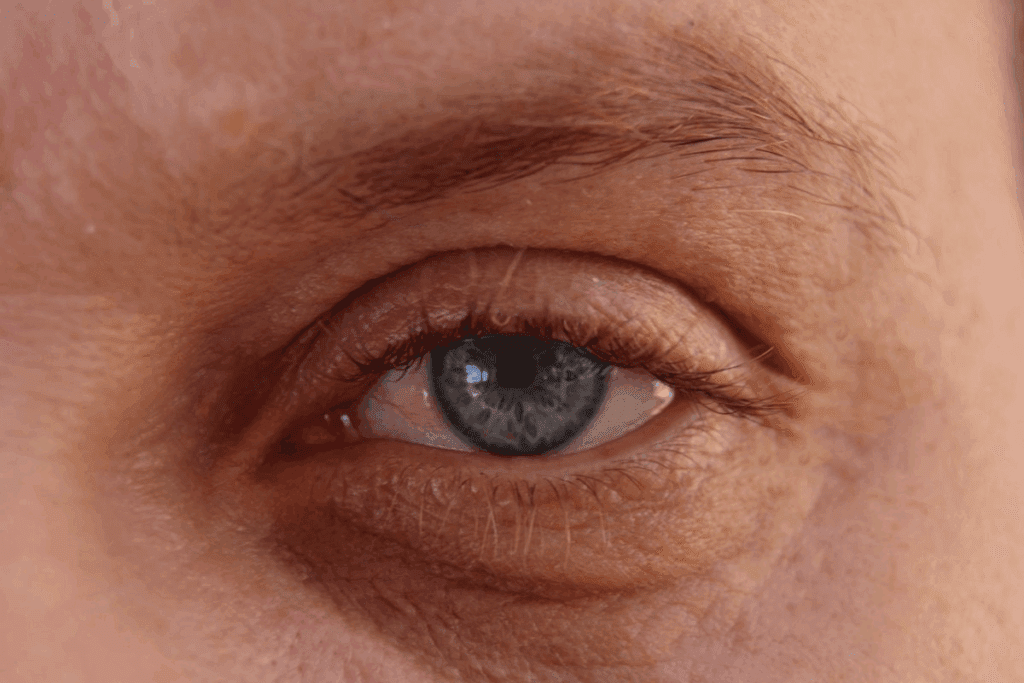
Red eye is a common problem that affects people of all ages. It needs a precise diagnosis to treat it right and keep vision safe. We know that accurate diagnosis is key to handle the many causes of red eye, from mild to severe.Keratitis vs uveitis: Learn the critical differences between these two serious, painful red eye conditions that threaten your vision.
Most red eye cases are not serious, like conjunctivitis. But, some cases are very serious and need quick action. Knowing the causes, symptoms, and treatments is vital for good patient care.
Key Takeaways
- Red eye is a common presenting complaint in ophthalmology.
- Accurate differential diagnosis is critical to ensure appropriate treatment.
- Most cases of red eye are due to benign conditions.
- A small proportion of red eye cases are serious and require urgent treatment.
- Understanding the causes, symptoms, and treatment options is essential for good care.
Understanding Red Eye: A Common Ophthalmological Complaint
Red eye is a common problem in eye care. It’s hard to diagnose because it can be caused by many things. We see a lot of patients with red eyes, so it’s important to know what can cause it.
Red eye can be due to several conditions. These include keratitis, uveitis, and conjunctivitis. Each condition has its own signs and needs a specific treatment.
Prevalence and Significance of Red Eye
Red eye is a big deal in eye care. It’s common and can cause a lot of discomfort. Knowing the different red eye types is key to treating it right.
Eye pain and redness can happen together or not. This makes it hard to diagnose. But, knowing the causes of red eye is essential for good care.
The Importance of Accurate Differential Diagnosis
Getting the right eye redness differential diagnosis is vital. Conditions like uveitis and episcleritis need different treatments. It’s important to tell iritis vs scleritis apart to manage them well.
We need to look at the patient’s history and test results to diagnose correctly. This way, we can give the right treatment and help our patients.
In short, knowing about red eye and its causes is key to good eye care. By understanding the different types of red eye, we can diagnose and treat them effectively.
Keratitis: Inflammation of the Cornea

Keratitis is a serious eye problem that affects many people around the world. It happens when the cornea, a key part of the eye, gets inflamed. This can cause vision problems if not treated right away.
Types of Keratitis
Keratitis is divided into two main types: infectious and non-infectious. Infectious keratitis is caused by germs like bacteria and viruses. Bacterial keratitis is a serious infection that needs quick treatment to avoid serious damage.
Non-infectious keratitis can be caused by injuries, dry eyes, or chemicals. Knowing the type of keratitis helps doctors choose the right treatment.
Risk Factors and Epidemiology
Some things can make you more likely to get keratitis. People who wear contact lenses are at higher risk because lenses can get contaminated. Eye injuries, diseases, and surgery can also increase your risk.
Keratitis often hits people between 30 and 55 years old. Knowing the risks helps prevent and catch it early.
Clinical Presentation and Symptoms
Keratitis symptoms can vary based on the cause. Common signs include eye pain, redness, blurry vision, and light sensitivity. If it’s caused by an infection, you might see discharge or pus.
Quick diagnosis and treatment are key to managing keratitis. Understanding the types, risks, and symptoms helps doctors provide better care. This can improve outcomes and lower the chance of serious problems.
Uveitis: Inflammation of the Uveal Tract
Uveitis is a group of disorders that affect the uveal tract. This includes the iris, ciliary body, and choroid. These parts are key to the eye’s health.
Anatomical Classification
Uveitis is divided into types based on where it occurs. These are anterior uveitis, intermediate uveitis, posterior uveitis, and panuveitis. Each type has its own symptoms and effects on vision.
Anterior uveitis affects the iris and ciliary body. Intermediate uveitis impacts the vitreous and peripheral retina. Posterior uveitis targets the choroid and retina. Panuveitis affects the whole uveal tract.
Etiological Factors
Uveitis can be caused by many factors. These include autoimmune, infectious, and idiopathic causes. Autoimmune conditions happen when the immune system attacks itself.
Infectious uveitis is caused by bacteria, viruses, and parasites. Idiopathic uveitis is hard to diagnose and treat because its cause is unknown.
Clinical Manifestations and Associated Symptoms
The symptoms of uveitis depend on where and why it occurs. Common signs are eye pain, redness, blurred vision, and sensitivity to light.
People with uveitis might see floaters and have trouble seeing clearly. The severity of these symptoms can vary. Quick treatment is needed to avoid serious problems.
Keratitis vs Uveitis: Key Differences and Similarities
It’s important to know the difference between keratitis and uveitis to treat them right. Both can cause eye pain, redness, and vision problems. But they affect different parts of the eye and need different treatments.
Distinguishing Clinical Features
Keratitis and uveitis have clear signs that help doctors tell them apart. Keratitis is when the cornea gets inflamed. It often shows:
- Corneal ulcers or infiltrates
- Photophobia
- Blurred vision
- Pain and redness
Uveitis, on the other hand, is when the uveal tract gets inflamed. It can show:
- Eye pain and redness
- Sensitivity to light
- Floaters
- Vision disturbances
Even though they share some symptoms, their unique signs and how severe they are can tell them apart.
Diagnostic Approaches
Getting a correct diagnosis is key for the right treatment. Doctors use several ways to diagnose keratitis and uveitis:
- They take a detailed history to find out what might have caused the problem.
- They use a slit-lamp to look at the front part of the eye.
- They might take a sample from the cornea or uvea to check for infections.
- They might also use imaging like OCT or ultrasound biomicroscopy.
These methods help doctors figure out if it’s keratitis or uveitis and what’s causing it.
Treatment Strategies and Prognosis
The treatment for keratitis and uveitis depends on what’s causing it and how bad it is. For keratitis, treatment might include:
- Antimicrobial therapy for infections
- Anti-inflammatory drugs for non-infectious cases
- Supportive care like lubricants and bandage contact lenses
For uveitis, treatment often includes:
- Corticosteroids to reduce inflammation
- Immunosuppressive drugs for chronic or severe cases
- Treating any underlying conditions
Knowing the differences and similarities between keratitis and uveitis is key to managing them well and improving patient outcomes.
Anterior Uveitis (Iritis): The Most Common Form of Uveitis
Anterior uveitis, also known as iritis, is a common eye problem. It affects the uveal tract and can cause serious eye issues if not treated quickly.
Pathophysiology and Causes
Anterior uveitis happens when the immune system goes wrong. It can be caused by genetics, immune issues, and environmental factors.
Autoimmune diseases like HLA-B27 and rheumatoid arthritis can lead to it. So can infections and eye injuries.
Causes | Description |
Autoimmune Disorders | HLA-B27-associated diseases, rheumatoid arthritis, sarcoidosis |
Infections | Bacterial, viral, parasitic infections |
Trauma | Blunt or penetrating ocular trauma |
Clinical Presentation and Diagnostic Criteria
Anterior uveitis symptoms can differ based on the cause and severity. You might feel eye pain, see redness, have trouble with light, or see blurry.
To diagnose, doctors use a slit-lamp to check the eye. They look for signs of inflammation. More tests might be needed to find the cause.
Management Approaches and Complications
Treating anterior uveitis involves several steps. Doctors use eye drops to reduce swelling and pain. They also treat the root cause if found.
Complications can include cataracts, glaucoma, and vision loss. Quick treatment is key to avoid these problems. Regular eye check-ups are important to manage the condition.
Episcleritis and Scleritis: Inflammation of the Eye’s Outer Coat
The outer coats of the eye, the episclera and sclera, can get inflamed. This leads to episcleritis and scleritis. These conditions cause eye pain and redness, prompting people to see doctors.
Differentiating Episcleritis from Scleritis
Episcleritis and scleritis are two eye conditions. Episcleritis affects the thin episclera layer and usually has a better outlook. Scleritis, on the other hand, affects the sclera itself and can be more serious, sometimes linked to autoimmune diseases.
Episcleritis is less painful and rarely leads to serious problems. Scleritis, though, can be very painful and may cause the sclera to thin or lead to uveitis.
Characteristics | Episcleritis | Scleritis |
Depth of Inflammation | Superficial (episclera) | Deeper (sclera) |
Pain Level | Mild to moderate | Severe |
Associated Conditions | Often benign | May be associated with systemic autoimmune diseases |
Complications | Rare | Scleral thinning, uveitis |
Uveitis vs Episcleritis: Clinical Distinctions
Uveitis and episcleritis are eye inflammation conditions. Uveitis affects the iris, ciliary body, and choroid. Episcleritis affects the episclera, a layer over the sclera.
Uveitis can cause pain, light sensitivity, and vision issues. Episcleritis usually causes redness and discomfort but doesn’t affect vision.
Treatment Options and Long-term Outcomes
Treatment for episcleritis and scleritis varies based on the condition’s severity and cause. Episcleritis treatment often includes eye drops and sometimes NSAIDs or corticosteroids. Scleritis, being more severe, may need stronger treatments like systemic NSAIDs, corticosteroids, or immunosuppressants.
Most people with episcleritis see their symptoms go away completely. Scleritis outcomes can vary, depending on the cause and any complications.
Conjunctivitis: The Most Common Red Eye Disorder
Conjunctivitis is a common eye problem. It makes the white part of the eye and eyelids red and inflamed. It happens to people of all ages around the world.
Viral, Bacterial, and Allergic Conjunctivitis
There are different types of conjunctivitis. Viral conjunctivitis is caused by viruses like adenovirus and spreads easily. Bacterial conjunctivitis is usually caused by bacteria like Staphylococcus aureus. Allergic conjunctivitis happens when the eye reacts to allergens like pollen or pet dander.
Conjunctivitis vs Uveitis: Distinguishing Features
Conjunctivitis and uveitis both cause red eyes but in different ways. Conjunctivitis mainly affects the conjunctiva, leading to redness, itching, and discharge. Uveitis, on the other hand, affects deeper parts of the eye and can cause serious vision problems if not treated.
Management Strategies and Prevention
Treating conjunctivitis depends on its cause. Viral conjunctivitis often gets better by itself. Bacterial conjunctivitis might need antibiotic drops or ointment. Allergic conjunctivitis can be managed with antihistamine or mast cell stabilizer eye drops. To prevent it, wash hands often and avoid sharing personal items.
Differential Diagnosis of Red Eye Disorders: A Comprehensive Approach
Diagnosing red eye disorders needs a careful and detailed method. We will explain how to diagnose these conditions. This includes clinical exams, key findings, and when to see an eye doctor.
Clinical Examination Techniques
Checking the eye thoroughly is key to diagnosing red eye issues. We use several methods to examine the eye. These include checking how well you can see, using a slit-lamp, and looking at how the pupils react.
First, we check your vision to see how bad the problem is. Then, we use a slit-lamp to look closely at the front part of your eye. We also check how your pupils react to light. This helps us find out if there’s inflammation or infection.
Conjunctivitis vs Episcleritis vs Scleritis: Diagnostic Pearls
It’s important to tell the difference between conjunctivitis, episcleritis, and scleritis. Conjunctivitis shows up as redness and discharge in the conjunctiva. Episcleritis causes redness in the episclera and might hurt a bit. Scleritis is much worse, with very red sclera, lots of pain, and can even hurt your vision.
Condition | Key Features | Symptoms |
Conjunctivitis | Conjunctival injection, chemosis, discharge | Redness, irritation, discharge |
Episcleritis | Sectoral or diffuse episcleral injection | Mild discomfort, redness |
Scleritis | Intense scleral inflammation | Significant pain, vision loss, redness |
When to Refer to an Ophthalmologist
It’s very important to send patients to an eye doctor quickly if they have severe symptoms. We should refer anyone with signs of scleritis, severe uveitis, or vision problems. An eye doctor can help prevent serious problems and improve treatment.
In summary, diagnosing red eye disorders needs careful exams, knowing key signs, and knowing when to refer to an eye doctor. This way, doctors can accurately diagnose and treat red eye problems effectively.
Conclusion: Importance of Timely Diagnosis and Appropriate Management of Red Eye Disorders
Getting a quick diagnosis and proper treatment for red eye disorders is key. These issues, like keratitis and uveitis, can cause serious problems if not treated right. We’ve talked about the different types of red eye disorders and why it’s important to tell them apart.
Knowing the difference between keratitis and uveitis is vital. Keratitis affects the cornea, while uveitis affects the uveal tract. Each needs its own treatment plan. Proper treatment can stop vision loss and help patients get better.
We stress the importance of accurate diagnosis and quick action for red eye disorders. With a thorough approach to diagnosis and treatment, we can give the best care. This helps keep patients’ vision and quality of life intact.
FAQ
What is the difference between keratitis and uveitis?
Keratitis affects the cornea, while uveitis affects the uveal tract. Both can cause red eyes. But, they have different symptoms and treatments.
How can I differentiate between episcleritis and scleritis?
Episcleritis is a mild condition of the episclera. Scleritis is more serious, affecting the sclera. Scleritis can cause severe pain and serious issues.
What are the symptoms of anterior uveitis?
Anterior uveitis, or iritis, causes eye pain, redness, and sensitivity to light. It also leads to blurred vision. Quick treatment is key to avoid vision loss.
How is conjunctivitis different from uveitis?
Conjunctivitis affects the conjunctiva, while uveitis affects the uveal tract. Conjunctivitis often has discharge and crusting. Uveitis causes pain, sensitivity, and blurred vision.
What is the importance of accurate differential diagnosis in red eye disorders?
Accurate diagnosis is vital for treating red eye disorders. Different conditions like keratitis, uveitis, and conjunctivitis need different treatments.
When should I refer a patient to an ophthalmologist for red eye?
Refer patients with severe symptoms, vision loss, or suspected uveitis or scleritis to an ophthalmologist. Quick action is important to prevent vision loss.
What are the treatment options for keratitis and uveitis?
Treatment for keratitis and uveitis varies based on the cause and severity. It may include topical corticosteroids, antimicrobial therapy, and supportive care.
Can conjunctivitis be prevented?
Yes, conjunctivitis can be prevented. Practice good hygiene, avoid close contact with infected people, and wear protective eyewear. Regular handwashing and not sharing personal items also help.
What is the difference between viral and bacterial conjunctivitis?
Viral conjunctivitis is caused by a virus, while bacterial conjunctivitis is caused by bacteria. Treatment differs, with bacterial conjunctivitis needing antibiotics.
How can I distinguish between scleritis and episcleritis?
Scleritis is more painful and serious, while episcleritis is milder. Ultrasound and slit-lamp exams can help tell them apart.
What is the prognosis for patients with uveitis?
Uveitis’s outcome depends on the cause, severity, and treatment response. With proper care, many patients can keep their vision.
References
Government Health Resource. Evidence-Based Medical Guidance. Retrieved from https://www.aafp.org/pubs/afp/issues/2010/0115/p137.html