
Hand injuries and disorders affect millions worldwide, making daily activities hard. Effective rehabilitation through hand therapy exercises can greatly help. This is true for those recovering from stroke, trauma, or surgery. Listing ten effective hand strengthening exercises to improve grip power and endurance.
At places likeLiv Hospital, they use proven therapy methods. These methods help restore strength, coordination, and dexterity. Through these programs, patients can get back to doing things on their own and improve their skills.
Key Takeaways
- Hand therapy exercises play a key role in upper extremity rehabilitation.
- Orthopedic injuries and disorders affect a lot of people globally.
- Evidence-based hand rehabilitation protocols lead to better results.
- Structured hand therapy can bring back motor function and dexterity.
- Specialized rehabilitation centers provide full care for hand injuries.
Understanding Hand Rehabilitation
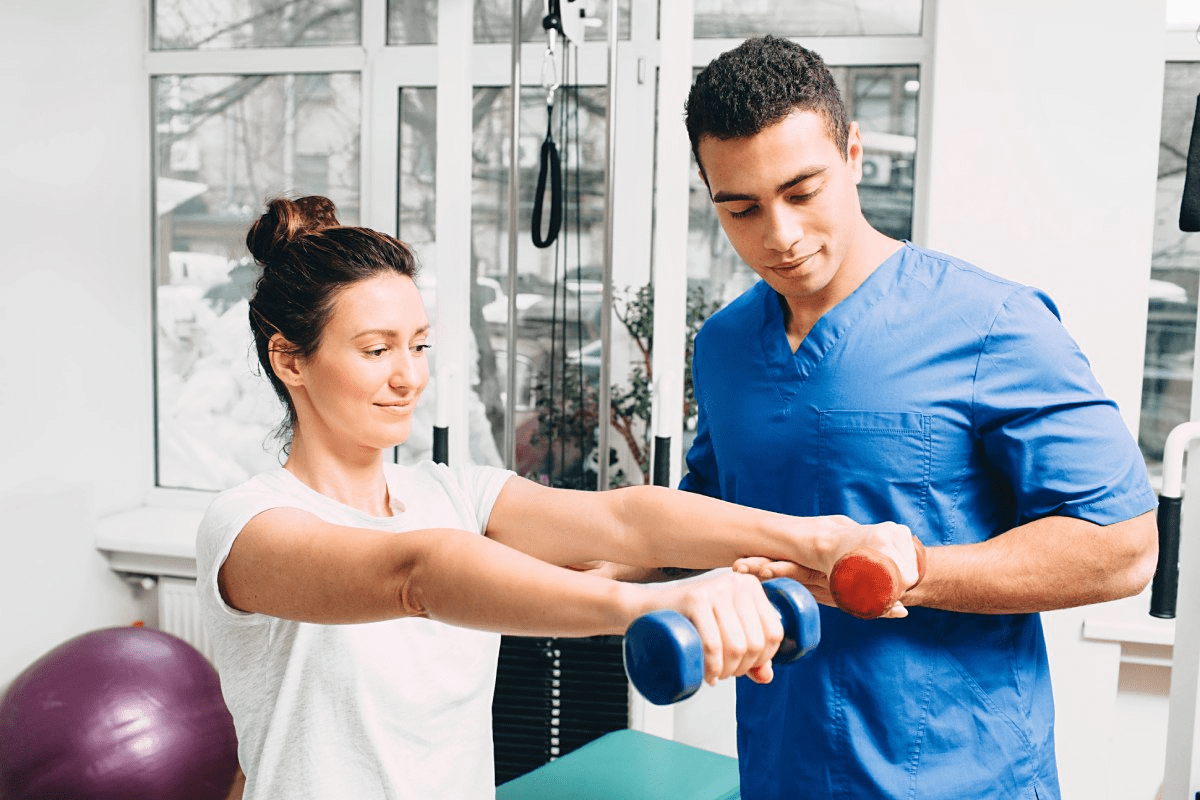
Hand rehabilitation is key to getting back to normal and improving life quality. Injuries and disorders can make everyday tasks hard. So, a full rehab program is vital.
The Prevalence of Hand Injuries and Disorders
More people than you think face hand injuries or disorders. Research shows many will deal with hand issues at some point. These can be anything from broken bones and tendon tears to carpal tunnel and arthritis. This highlights the need for good rehab plans.
Hand therapists see all kinds of problems, from sudden injuries to long-term conditions. They use many different treatments, each one fitting the patient’s needs.
The Role of Exercise in Recovery
Exercises are at the heart of hand rehab, backed by lots of research. They’re key for getting strength, flexibility, and function back. Up to 85% of hand therapists use activity-based treatments, showing exercise’s big role.
Exercise does more than just fix physical issues. It also helps with pain and boosts overall health. Exercises from occupational therapy and physical therapy target specific problems, helping patients recover better.
“Therapeutic exercise is a cornerstone of hand rehabilitation, enabling patients to regain functional ability and independence.” — Hand Therapy Expert
Using different exercises, we can make rehab plans that really work for each person. This approach improves results and life quality.
The Science Behind Effective Hand Therapy

Understanding hand therapy is key for the best recovery. Hand therapy exercises are now a big part of rehab programs. They are backed by research that shows they work well in fixing hand function.
Studies have shown hand exercises help many people, like those who had a stroke. These exercises can make a big difference in how well people can use their arms after a stroke.
Evidence-Based Approaches
Hand therapy uses methods that science has proven work. These methods are always being updated with new research.
- Task-oriented training: This focuses on doing activities that matter to the person, helping them recover better.
- Constraint-induced movement therapy: This makes the person use their weak arm more by keeping their strong arm back. It helps the brain adapt.
- Mirror therapy: It uses mirrors to trick the brain into thinking the weak arm is moving, helping improve motor skills.
Functional vs. Isolated Movement Exercises
There’s a debate in hand therapy about functional and isolated exercises. Functional exercises are like daily activities, while isolated exercises focus on specific muscles or joints.
Both kinds of exercises are important in hand therapy. Functional exercises improve how well you can do everyday things with your hand. Isolated exercises are key for strengthening and improving movement in certain areas.
Neuroplasticity and Hand Recovery
Neuroplasticity, or the brain’s ability to change, is very important for hand recovery. Hand therapy exercises help the brain learn new ways to do things, even if it’s lost some function.
By using different exercises and methods, hand therapy can help a lot, even with severe hand problems. The most important thing is to make the therapy fit the person’s needs and situation.
When to Start Hand Therapy Exercises
Knowing when to start hand therapy is key for those recovering from hand injuries or surgery. Starting hand rehab exercises at the right time can greatly affect your recovery.
After an injury or surgery, your body naturally responds with inflammation and pain. This can make it hard to use your hand. But, with the right guidance, you can start physical therapy hand exercises to improve hand mobility and strength.
Post-Injury Timeline
The time after an injury is important for deciding when to start hand pt exercises. You can start with gentle exercises a few days after injury. This depends on how severe the injury is and your overall health.
- For mild injuries, you can start exercises almost right away.
- For more serious injuries, you might need to wait until the pain and swelling go down.
Post-Surgery Considerations
After surgery, your hand needs time to heal. But, staying too long in a cast can cause stiffness and make your hand less functional. Doctors often suggest starting gentle hand rehab exercises a few days after surgery to avoid these issues.
It’s very important to follow your surgeon’s or healthcare provider’s advice on when and how hard to do exercises.
Signs You’re Ready to Begin
So, how do you know it’s time to start hand therapy exercises? Look for these signs:
- The pain has lessened to a level you can manage.
- You can move your hand or fingers a bit without too much pain.
- Your healthcare provider says it’s okay to start exercises.
Starting physical therapy hand exercises at the right time can really help your recovery. Always talk to a healthcare professional to figure out the best time to start.
Essential Equipment for Hand Rehabilitation
Hand rehabilitation uses many tools and equipment. The right gear makes therapy more effective and fun. It helps focus on specific needs.
Basic Tools for Home Therapy
Having basic tools at home is very helpful. They are simple but effective. Here are some top picks:
- Putty or hand exercise balls for strengthening grip
- Finger splints for support and alignment
- Resistance bands for wrist and finger exercises
- Hand grippers for improving grip strength
These tools are easy to find and can be used every day. They support hand therapy exercises.
Advanced Equipment Options
For more specialized therapy, advanced equipment is available. A healthcare professional guides its use. Some examples include:
- Computerized hand therapy devices for precise exercises
- Hand rehabilitation robots for intensive therapy
- Biofeedback devices for monitoring and controlling muscle activity
These tools help create personalized therapy plans. They can speed up recovery.
Household Items as Therapy Tools
Household items can also be used for therapy. This makes therapy more accessible and fits into daily life. Here are some examples:
- Using coins for finger dexterity exercises
- Employing rubber bands for resistance training
- Utilizing a towel for wrist flexion and extension exercises
Using these items in therapy routines helps keep practice consistent. It doesn’t require special equipment.
Let’s look at the difference between basic and advanced tools:
Equipment Type | Basic Tools | Advanced Equipment |
Purpose | General strengthening and flexibility | Precision therapy and intensive rehabilitation |
Examples | Putty, resistance bands, hand grippers | Computerized devices, rehabilitation robots, biofeedback devices |
Accessibility | Easily available for home use | Typically used under professional guidance |
Knowing about different equipment helps plan hand rehabilitation. Mixing basic and advanced tools leads to the best results.
Preparing Your Hand for Therapy Exercises
Getting your hand ready for therapy exercises is key to recovery. The right preparation makes exercises more effective and lowers injury risk. We’ll cover how to get your hand ready, including warming up, managing pain, and creating a good environment.
Gentle Warming Techniques
Warm up your hand before therapy exercises. This boosts blood flow to muscles and tendons, making them ready for exercises. Here are some ways to warm up:
- Gently soak your hand in warm water for 5-10 minutes
- Use a warm towel or heating pad on a low setting
- Do gentle, low-intensity finger and wrist movements
Warm water therapy is great because it warms your hand and feels soothing. Keep the water between 90°F to 100°F (32°C to 38°C) for the best comfort and results.
Pre-Exercise Pain Management
It’s important to manage pain before starting hand therapy exercises. Here are some tips for pain control:
- Talk to your healthcare provider about pain relief options
- Use topical creams or gels as advised by your healthcare provider
- Apply ice packs to reduce swelling, if suggested
As “Pain is the body’s way of signaling that something is wrong.” It’s vital to handle pain before doing hand therapy exercises. Good pain management lets you do exercises more comfortably and effectively.
“The key to successful rehabilitation is not to push through pain but to work with your body to restore function and strength.”
Setting Up Your Environment
Make your space right for hand therapy exercises. This can really help. Here are some tips:
- Find a quiet, distraction-free spot
- Make sure there’s good lighting for seeing the exercises
- Use a comfy, supportive surface for your hand
- Have all needed tools within reach
Having a dedicated area for your exercises helps you focus and get better results. Remember, consistency is key in hand rehab.
Fundamental Hand Therapy Exercises for Mobility
Hand therapy exercises can greatly boost finger, wrist, and thumb mobility. This is key for doing daily tasks on your own. These exercises help make your hands more flexible, less stiff, and work better overall.
Finger Range of Motion Exercises
Finger exercises are vital for keeping or boosting finger flexibility. You start by moving each finger from the base to the tip. This helps keep your fingers moving smoothly.
- Slowly bend the fingers down toward the palm.
- Straighten the fingers completely.
- Spread the fingers apart as far as comfortably possible.
- Bring the fingers together.
Doing these exercises often can make your fingers more mobile and less stiff.
Wrist Flexibility Techniques
Wrist flexibility is key for doing everyday tasks. To improve it, try gentle stretching and rotation exercises.
- Hold the arm straight out in front with the palm facing down.
- Gently bend the wrist up and down.
- Rotate the wrist in a circular motion, first clockwise and then counterclockwise.
Do these exercises gently and only as far as feels right to avoid pain.
Thumb Opposition and Pinch Exercises
Exercises for thumb opposition and pinch are important for thumb strength and mobility. They involve touching the thumb to other fingers and doing pinch actions.
- Touch the tip of the thumb to the tip of each finger.
- Hold a small object between the thumb and each finger.
- Perform a gentle pinch and release action.
These exercises help you do fine motor tasks better and improve hand function.
Strengthening Hand Therapy Exercises for Rehabilitation
A good hand therapy program uses many strengthening methods to help you recover well. These exercises are key to getting your hands to work right again after an injury or surgery. We’ll look at the best ways to make your hands stronger, focusing on grip, finger, and wrist exercises.
Grip Strengthening Methods
Grip strengthening is very important in hand therapy. Effective grip strengthening exercises can greatly improve your hand’s function and dexterity. Here are some good methods:
- Using hand grippers to enhance grip strength
- Performing towel squeezing exercises to improve forearm strength
- Incorporating putty or clay manipulation for varied grip exercises
Finger Resistance Training
Finger resistance training is key for better finger dexterity and strength. We suggest trying these exercises:
- Finger extensions against resistance bands
- Finger spreads using putty or resistance bands
- Finger bends with light weights or resistance bands
These exercises help you regain finger independence and strength, which is important for everyday tasks.
Wrist Stabilization Exercises
Wrist stabilization is essential for hand therapy, as it helps fingers move smoothly. Wrist stabilization exercises include:
- Wrist curls and extensions with light weights
- Forearm pronation and supination exercises
- Wrist circles to improve flexibility and strength
Adding these exercises to your routine can greatly improve wrist stability and hand function.
Occupational Therapy Exercises for Hands
Occupational therapy exercises for hands help people with hand impairments. They improve daily functioning and independence. These exercises make it easier to do daily tasks.
Functional Grasping Activities
Functional grasping activities are key in occupational therapy for hands. They help patients grasp and manipulate objects. Examples include:
- Picking up small objects like coins or marbles
- Grasping and releasing various textured objects
- Using utensils like spoons or forks
These activities boost hand strength and coordination. Occupational therapists tailor these exercises to meet each patient’s needs and goals.
Fine Motor Coordination Exercises
Fine motor coordination exercises are vital for better dexterity and precision. Examples include:
- Buttoning and unbuttoning a shirt
- Using tweezers to pick up small objects
- Manipulating small puzzles or games
These exercises enhance the fine movements needed for daily tasks. They promote independence and confidence.
Adaptive Techniques for Daily Tasks
Adaptive techniques help modify daily tasks for hand impairments. Examples include:
Task | Adaptive Technique |
Dressing | Using clothing with magnetic closures or velcro |
Cooking | Utilizing adaptive utensils with larger grips |
Writing | Employing voice-to-text software or adaptive grips for pens |
Adaptive techniques help individuals with hand impairments stay independent. They can fully participate in daily activities.
“The goal of occupational therapy is to enable individuals to live their lives to the fullest, despite physical limitations.” – A statement that resonates with our approach to hand therapy.
Physical Therapy Hand Exercises for Specific Conditions
Hand therapy is not a one-size-fits-all approach. Physical therapy hand exercises are tailored to address specific conditions for the best recovery. Different hand conditions need unique exercises to restore function and ease pain.
Exercises for Arthritis and Joint Stiffness
People with arthritis can benefit from gentle exercises. These help keep joints moving and reduce stiffness. Start with simple exercises that move your fingers.
- Slowly bend your fingers down toward your palm
- Stretch your fingers all the way out
- Spread your fingers apart and then bring them together
Do these exercises gently and only if they don’t hurt. Consistency is key to improving joint mobility.
Post-Stroke Hand Rehabilitation Techniques
After a stroke, hand function can be greatly affected. Specific exercises can help regain hand strength and dexterity.
- Do passive range-of-motion exercises to loosen your hand and fingers
- Do active exercises like squeezing a soft ball or making a fist
- Practice task-specific training, such as picking up small objects
These exercises should be done under a physical therapist’s guidance. This ensures they are done correctly and safely.
Tendon and Ligament Injury Recovery
For tendon and ligament injuries, a gradual strengthening program is essential. We recommend exercises that gently strengthen without overstraining the injured tissue.
Exercise | Description | Repetitions |
Finger bends | Bend fingers toward the palm | 10-15 |
Finger spreads | Spread fingers apart | 10-15 |
Wrist extensions | Lift the hand up while keeping the arm steady | 10-15 |
Nerve Compression Syndrome Protocols
Nerve compression syndromes, like carpal tunnel syndrome, need specific exercises. These exercises help relieve pressure on the nerves. They promote nerve gliding and wrist mobility.
Nerve gliding exercises involve gently moving the wrist and fingers. This helps the nerve move more freely.
By adding these exercises to your daily routine, you can see big improvements in hand function. You’ll also notice a decrease in symptoms.
Conclusion: Building Your Hand Rehabilitation Routine
Creating a good hand rehabilitation routine is key for the best recovery. It’s important to have a routine that fits you, with exercises from hand therapy and occupational therapy. This helps you get your hand’s function and strength back, making life better.
Adding hand therapy exercises to your daily life can boost your recovery. We make sure your program meets your needs, for a full recovery plan. This way, you can see big improvements in how well you can move and use your hand.
For the best results, work with healthcare experts to make a routine just for you. They can help you recover safely and quickly. This way, you can get your hand’s function back and be independent again.
FAQ
What are hand therapy exercises, and why are they important for rehabilitation?
Hand therapy exercises are special movements and activities. They help restore motor function, dexterity, and hand coordination. These exercises are key for rehabilitation as they help people regain hand function after injury or surgery.
How do hand therapy exercises aid in recovery from hand injuries and disorders?
Hand therapy exercises are vital for recovery. They improve range of motion, strengthen muscles, and enhance coordination. This helps restore normal hand function, reduces pain, and aids in returning to normal activities.
What is the significance of evidence-based protocols in hand rehabilitation?
Evidence-based protocols guide hand rehabilitation with the latest research and best practices. This ensures effective treatment and minimizes risks of complications or prolonged recovery.
When should I start hand therapy exercises after an injury or surgery?
The best time to start hand therapy exercises varies by injury or surgery. It’s important to consult a healthcare professional. Early intervention can lead to faster recovery.
What are some basic hand therapy exercises for improving mobility?
Basic exercises include finger range of motion, wrist flexibility, and thumb opposition. These exercises improve flexibility, reduce stiffness, and enhance hand mobility.
How can I strengthen my hand through therapy exercises?
Strengthening exercises include grip strengthening, finger resistance training, and wrist stabilization. These exercises improve hand function, enhance dexterity, and promote hand strength.
What are occupational therapy exercises for hands, and how do they facilitate daily tasks?
Occupational therapy exercises include functional grasping, fine motor coordination, and adaptive techniques. These exercises help individuals perform daily tasks more effectively, promoting independence and confidence.
Are there specific hand therapy exercises for conditions like arthritis or post-stroke rehabilitation?
Yes, there are specific exercises for conditions like arthritis, post-stroke rehabilitation, tendon and ligament injury recovery, and nerve compression syndrome. These exercises are tailored to meet the unique needs of each condition, promoting optimal recovery.
What equipment do I need for hand rehabilitation exercises?
Basic equipment includes putty, hand grippers, and finger exercisers. Advanced equipment and household items can also be used, depending on individual needs and preferences.
How can I prepare my hand for therapy exercises?
To prepare your hand, use gentle warming techniques, manage pain before exercises, and set up a conducive environment. These steps ensure a safe and effective exercise routine.
How often should I perform hand therapy exercises for optimal recovery?
The frequency of hand therapy exercises varies by individual needs and condition. A consistent routine, ideally with guidance from a healthcare professional, is recommended for optimal recovery.
References
National Center for Biotechnology Information. Evidence-Based Medical Guidance. Retrieved from https://www.ncbi.nlm.nih.gov/pmc/articles/PMC5740027/



 Departments
 Related Videos
 Our Doctors
 News
News