
Listing 23 practical management tips for individuals who are 23 with arthritis, focusing on lifestyle and self-care.
Arthritis is a chronic condition that affects millions of adults in the United States. It causes significant discomfort and impacts daily life. Effective management is key to reduce pain and preserve joint function.
Arthritis can affect anyone, regardless of age. In fact, rheumatoid arthritis can occur in young adults, even at 18. A mix of physical activity, weight management, and lifestyle changes is vital for daily relief.
According to CDC guidelines, adults with arthritis should aim for at least 150 minutes of moderate physical activity weekly. By adopting a proactive management plan, individuals can significantly reduce their symptoms and improve their quality of life.
Key Takeaways
- Arthritis management requires a multifaceted approach
- Physical activity and weight management are key for daily relief
- Lifestyle modifications can significantly reduce arthritis symptoms
- Rheumatoid arthritis can occur in young adults, even at 18
- A complete management plan can improve quality of life
Understanding Arthritis in Young Adults
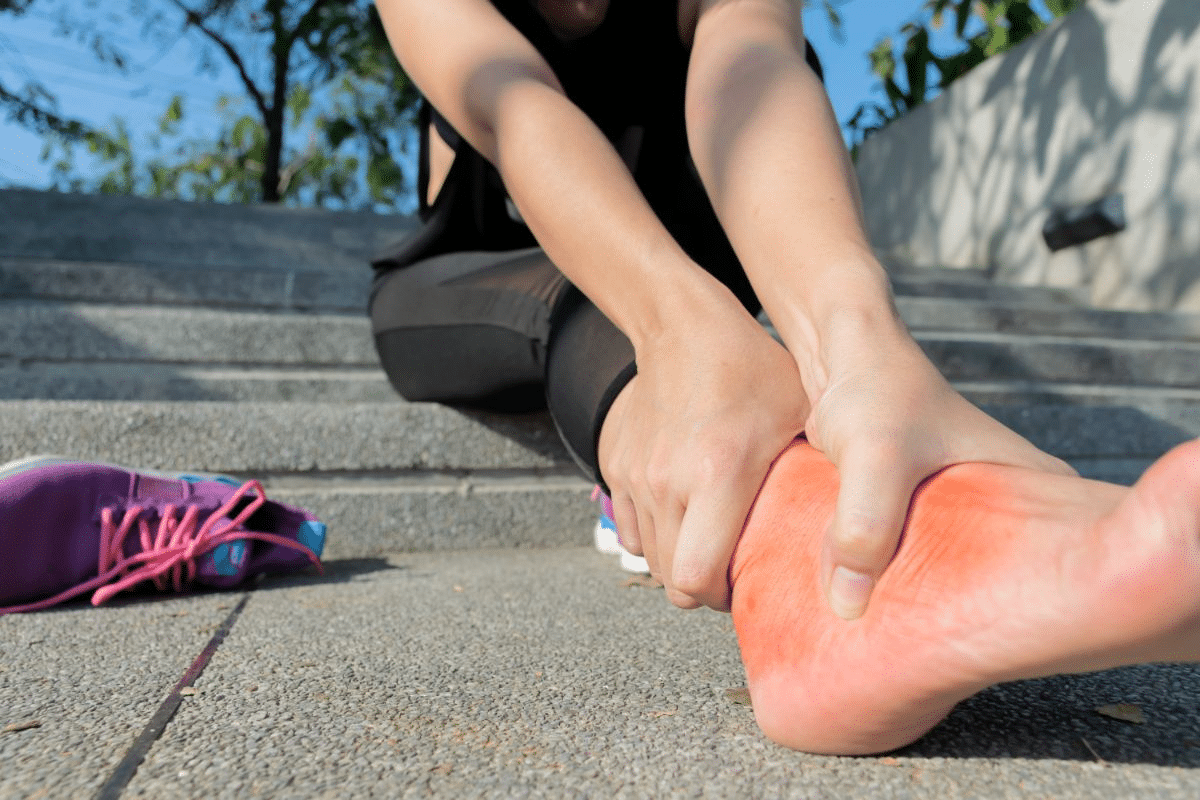
Many people think arthritis only happens to older folks. But, more young adults are getting diagnosed with it. In fact, about 8 in 100,000 people between 18 and 34 have rheumatoid arthritis.
The Prevalence of Arthritis Across Age Groups
Arthritis is often seen as a problem of older age. Yet, rheumatoid arthritis can strike at any time. Studies now show that young adults are getting diagnosed more often.
|
Age Group |
Prevalence of Rheumatoid Arthritis |
|---|---|
|
18-34 years |
8 in 100,000 |
|
35-44 years |
15 in 100,000 |
|
45-54 years |
30 in 100,000 |
The table shows that while more people get arthritis as they get older, young adults are not immune. They can also develop rheumatoid arthritis.
Early Signs and Symptoms to Recognize
It’s important to spot the early signs of rheumatoid arthritis. This includes joint pain, stiffness, and swelling, mainly in the hands and feet.
Key symptoms to watch out for:
- Morning stiffness lasting more than an hour
- Swollen or tender joints
- Loss of joint function or mobility
- Fatigue or feeling unwell
The Impact of Early Diagnosis on Long-term Management
Getting a diagnosis early is key to managing rheumatoid arthritis well. Early treatment can prevent long-term damage and improve life quality.
Effective management strategies include:
- Medications to reduce inflammation and slow disease progression
- Lifestyle modifications such as regular exercise and a balanced diet
- Regular monitoring to adjust treatment plans as needed
By understanding the prevalence, recognizing early signs, and getting an early diagnosis, young adults with rheumatoid arthritis can manage their condition. They can then lead active and fulfilling lives.
Daily Movement and Exercise Tips
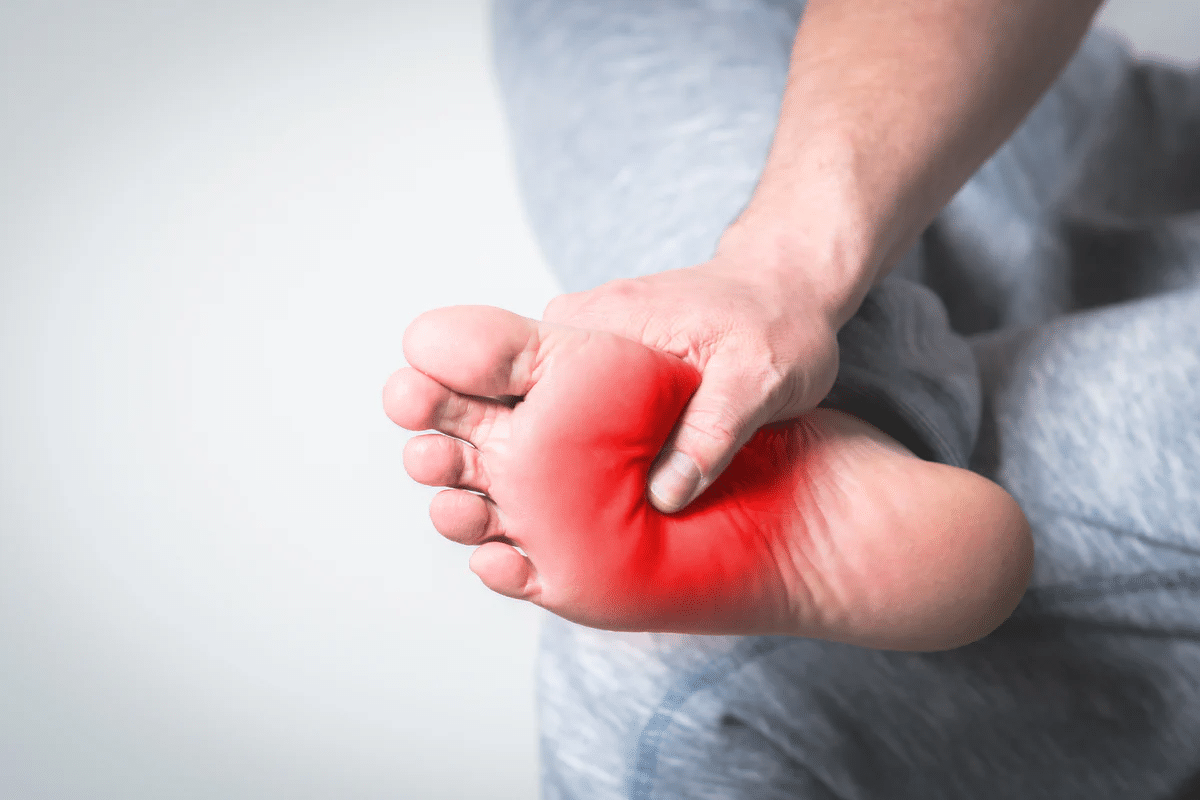
Exercise is key in managing arthritis. It helps keep joints healthy and improves overall well-being. Regular activity can lessen pain, boost joint function, and enhance life quality for those with arthritis.
Tip 1: Low-Impact Aerobic Activities
Low-impact aerobic activities are great for arthritis sufferers. They’re easy on the joints but good for the heart. Here are some examples:
- Walking: A simple, accessible exercise that can be done almost anywhere.
- Swimming: Water-based exercise that’s easy on the joints and boosts heart health.
- Cycling: Stationary cycling or using a recumbent bike is gentle on the joints and improves heart fitness.
Tip 2: Joint-Friendly Strength Training
Strength training is important for building muscle around joints. This can help reduce pain and improve function. Here are some tips:
- Resistance Bands: Lightweight, portable, and easy to use, resistance bands are perfect for strength training without heavy weights.
- Bodyweight Exercises: Squats, lunges, and leg raises can be modified to suit individual strength levels.
- Light Weightlifting: Using light weights with higher repetitions can help strengthen muscles without putting excessive strain on the joints.
Tip 3: Water-Based Exercises for Joint Relief
Water-based exercises, or hydrotherapy, can offer significant relief for arthritis sufferers. The buoyancy of water reduces joint stress, allowing for:
- Water Aerobics: Group classes that provide a fun, social way to stay active.
- Swimming Laps: A great way to improve cardiovascular health without impacting joints.
- Water Walking: Walking in the water can help improve strength and reduce joint pain.
Tip 4: Morning Stretching Routines
Starting the day with a gentle stretching routine can help improve flexibility and reduce morning stiffness. Focus on:
- Neck Stretches: Gentle tilts and turns to loosen neck muscles.
- Shoulder Rolls: Simple movements to reduce tension in the shoulders.
- Leg Swings: Gentle swings to loosen the hips and legs.
By adding these daily movement and exercise tips to your routine, you can greatly improve your arthritis management and overall quality of life.
Nutrition Strategies for Inflammation Control
Choosing the right foods is key to managing arthritis. What we eat can either help or hurt our body’s inflammation levels.
Tip 5: Anti-Inflammatory Foods to Incorporate Daily
Eating foods that fight inflammation can lessen arthritis symptoms. Antioxidant-rich foods like berries and leafy greens are good choices. Turmeric and ginger also have anti-inflammatory benefits.
- Fatty fish like salmon and sardines
- Nuts and seeds, such as walnuts and chia seeds
- Olive oil
- Whole grains like quinoa and brown rice
“A diet rich in omega-3 fatty acids, antioxidants, and fiber can significantly reduce inflammation.”
Tip 6: Omega-3 Rich Foods and Supplements
Omega-3s are powerful against inflammation. Include salmon and mackerel in your meals. If you can’t get enough from food, talk to a doctor about supplements.
|
Food Source |
Omega-3 Content |
|---|---|
|
Salmon |
1.8 grams per 3 oz serving |
|
Sardines |
1.3 grams per 3 oz serving |
|
Mackerel |
1.2 grams per 3 oz serving |
Tip 7: Hydration Habits for Joint Health
Drinking enough water is vital for joint health. Water keeps joints lubricated and acts as a shock absorber. Aim for 8 cups (64 oz) of water daily, adjusting based on your activity level.
Tip 8: Meal Planning to Reduce Inflammatory Triggers
Planning meals can help manage arthritis by avoiding inflammatory foods. Stay away from processed foods, sugary drinks, and foods high in bad fats. Focus on anti-inflammatory foods to lower flare-up risks.
By following these nutrition tips, people with arthritis can better manage their symptoms and enjoy a better life.
Weight Management for Joint Protection
Managing weight is key to caring for arthritis. It affects both joint health and overall health. Losing weight reduces joint stress and boosts treatment results. Each pound lost lowers knee pressure by 4 pounds, showing weight’s big role in joint care.
Setting Realistic Weight Goals
Setting weight goals should be realistic and reachable. It’s wise to talk to a healthcare provider to find a healthy weight range. Aim for losing 1-2 pounds a week for a safe and steady weight loss.
Key considerations for setting realistic weight goals include:
- Assessing current eating habits and physical activity levels
- Identifying achievable lifestyle changes
- Setting specific, measurable, and attainable goals
Arthritis-Friendly Weight Loss Strategies
For those with arthritis, it’s important to choose weight loss methods that are easy on the joints. Low-impact aerobic activities like swimming, cycling, or using an elliptical are great. They help lose weight and keep joints moving and strong.
Adding arthritis-friendly dietary changes can also help with weight loss. Eating anti-inflammatory foods, drinking plenty of water, and controlling portion sizes are good strategies. Working with a registered dietitian or nutritionist can help create a meal plan that meets nutritional needs and supports weight loss goals.
Monitoring Joint Pain During Weight Changes
It’s important to watch joint pain when changing weight to avoid making arthritis symptoms worse. Keeping a joint pain journal can track pain changes and find patterns or triggers. Regular check-ins with healthcare providers are also key to adjust weight management plans as needed to protect joints.
By taking a full approach to weight management, people with arthritis can see big benefits for their joints and overall health. We stress the need for patience, persistence, and professional help in achieving and keeping a healthy weight.
Pain Management Techniques for Daily Relief
Managing pain is key for those with arthritis. There are many ways to find relief every day. These methods can make daily tasks easier and improve life quality.
Effective Heat Therapy Applications
Heat therapy is a simple yet effective way to ease arthritis pain. It increases blood flow, reduces stiffness, and relaxes muscles. You can use warm baths, heating pads, or heat wraps for this.
Benefits of Heat Therapy:
- Relieves pain and stiffness
- Increases flexibility
- Reduces muscle spasms
Cold Therapy for Acute Flare-Ups
Cold therapy, or cryotherapy, is also effective. It numbs the pain and reduces inflammation. Use cold packs or ice wrapped in a towel for 15-20 minutes.
“Cold therapy is great for acute flare-ups. It reduces inflammation and numbs the pain.” Medical Expert, Rheumatologist
Over-the-Counter Pain Relief Options
OTC pain relievers are common for arthritis pain. These include acetaminophen and NSAIDs like ibuprofen. Always follow the dosage and talk to a doctor before starting any new medication.
|
Medication Type |
Examples |
Primary Use |
|---|---|---|
|
Acetaminophen |
Tylenol |
Pain relief |
|
NSAIDs |
Ibuprofen (Advil, Motrin), Naproxen (Aleve) |
Pain relief and inflammation reduction |
Topical Treatments for Localized Pain
Topical treatments like creams, gels, and ointments can be applied directly to the skin. They offer localized pain relief without the side effects of oral meds.
By using these pain management techniques daily, people with arthritis can find significant relief. This can greatly improve their functionality and quality of life.
Adaptive Tools and Home Modifications
Making simple changes at home and in your daily life can greatly help with arthritis. Using adaptive tools and changing your living space can lessen joint pain. This can also make your life better overall.
Tip 16: Kitchen Aids for Reduced Joint Strain
The kitchen is key in any home, but it can be hard on those with arthritis. Ergonomic kitchen utensils and aids can help a lot. Tools with bigger grips or special handles are easier to use.
Helpful kitchen tools include automatic can openers, jar openers, and electric knives. They cut down on the need for hard manual work. This makes cooking and getting food ready easier.
Tip 17: Bedroom and Bathroom Adaptations
Changing your bedroom and bathroom can make them more comfortable and safe. In your bedroom, a bed rail or slide board can help you get in and out of bed. In the bathroom, grab bars near the toilet and shower offer support.
Other good changes include a raised toilet seat, a shower chair, or a non-slip mat. These can help prevent falls and lessen joint pain.
Tip 18: Technology Solutions for Daily Tasks
Technology is a big help for people with arthritis. Voice-controlled devices can do things like set reminders, control lights, and adjust the temperature. You don’t have to move much to use them.
There are also apps for managing medicine, following exercise plans, and tracking symptoms. Looking into these tech options can make daily tasks easier. It helps manage arthritis better.
Using these tools and making home changes can really help people with arthritis. It’s about making a space that supports you and makes life easier.
Stress Management for 23 with Arthritis
For young adults with arthritis, managing stress is key. It helps ease daily pain. Adding stress-reducing activities to your routine is important.
Mindfulness Practices for Pain Reduction
Mindfulness can lessen pain and boost well-being for those with arthritis. Activities like meditation and deep breathing calm the mind and lower stress.
- Meditation: Regular meditation cuts down stress hormones, reducing inflammation and pain.
- Deep Breathing Exercises: These exercises help reduce stress and promote relaxation, aiding in arthritis management.
Experts say mindfulness improves both physical and mental health for those with chronic conditions like arthritis.
“The practice of mindfulness can lead to a reduction in stress and anxiety, which are known to exacerbate arthritis symptoms.” – Arthritis Foundation
Sleep Optimization Strategies
Good sleep is essential for managing arthritis. Bad sleep can make pain worse. Strategies can improve sleep quality.
- Keep a regular sleep schedule to regulate your body’s clock.
- Make your bedroom dark, quiet, and cool for better sleep.
- Stay away from stimulating activities before bed and choose relaxing ones instead.
Building an Effective Support Network
A strong support network is vital for dealing with arthritis’s emotional and physical challenges. This network includes family, friends, healthcare professionals, and support groups.
- Support Groups: Joining a support group offers a sense of community and understanding, reducing feelings of loneliness.
- Healthcare Professionals: Regular visits with healthcare providers provide guidance on managing symptoms and improving life quality.
By using these stress management methods, young adults with arthritis can manage their symptoms better and enhance their overall well-being.
Workplace Accommodations and Career Management
Arthritis doesn’t have to stop you from having a great career. The right workplace accommodations can help you succeed. Managing arthritis at work means using strategies that keep you productive and healthy.
Tip 22: Ergonomic Workspace Setup
Having an ergonomic workspace is key to lessening joint pain. This includes:
- Adjusting chair and desk heights for comfort
- Using ergonomic keyboards and mice to ease hand and wrist strain
- Setting computer monitors at eye level to avoid neck pain
- Taking regular breaks to stretch and move
These changes can greatly reduce discomfort and help you work better.
Tip 23: Communicating Needs to Employers
Telling your employer about your needs is important for a supportive work place. This means:
- Talking about the specific help you need, like flexible hours or different tasks
- Sharing medical proof to show why you need certain help
- Working together to find solutions that work for everyone
Good communication builds a positive and understanding work space. It’s key for employees to feel supported and for employers to get their staff’s needs.
Key Takeaways:
- Ergonomic workspaces can greatly reduce joint pain.
- Talking openly with employers is vital for a supportive work environment.
Seasonal and Weather-Related Management
Weather changes can really affect arthritis symptoms. It’s key to manage arthritis with the seasons. We need to adjust our plans to keep arthritis under control.
Winter Weather Joint Protection
Cold weather can make arthritis worse. Here’s how to protect your joints in winter:
- Keep your home warm and draft-free.
- Use heat therapy to relieve pain and stiffness.
- Wear warm clothing, including gloves and scarves, to keep your joints warm.
- Stay active with indoor exercises to maintain joint mobility.
One arthritis patient said, “Keeping my house warm and staying active indoors helps me manage my symptoms during the winter.”
Summer Heat Management Strategies
High temperatures and humidity can also affect arthritis symptoms. Here are some strategies for managing arthritis during the summer:
- Stay hydrated by drinking plenty of water.
- Avoid strenuous activities during the hottest part of the day.
- Use cooling packs or cold compresses to reduce pain and inflammation.
- Wear light, loose clothing to stay cool.
|
Season |
Management Strategies |
|---|---|
|
Winter |
Keep warm, use heat therapy, stay active indoors |
|
Summer |
Stay hydrated, avoid peak heat, use cooling packs |
Preparing for Weather-Related Flares
Weather changes can trigger arthritis flares. To prepare:
- Monitor weather forecasts to anticipate changes.
- Adjust your medication and treatment plan as needed, in consultation with your healthcare provider.
- Have a plan in place for managing flares, including having necessary supplies on hand.
“Understanding how weather affects my arthritis helps me prepare and manage my symptoms more effectively.” – Arthritis Patient
By adapting to seasonal changes and being proactive, individuals with arthritis can better manage their symptoms and improve their quality of life.
Working with Healthcare Providers
Working with healthcare providers is key for managing arthritis well. It’s not just about treatment. It also includes lifestyle changes and ongoing support.
Building Your Healthcare Team
Starting with a healthcare team is the first step. This team usually has a rheumatologist, primary care doctor, physical therapist, and sometimes more. This could include orthopedic surgeons or pain management specialists.
Key Members of Your Healthcare Team:
- Rheumatologist: Specializes in arthritis diagnosis and treatment.
- Primary Care Physician: Provides overall health management.
- Physical Therapist: Helps maintain joint mobility and strength.
- Occupational Therapist: Assists in adapting daily activities to reduce strain on joints.
Tracking Symptoms and Treatment Effectiveness
It’s important to track your symptoms and how treatments work. A symptom journal can help spot patterns and triggers.
|
Tracking Aspect |
Description |
Benefit |
|---|---|---|
|
Symptom Journal |
Record daily symptoms, pain levels, and medication use. |
Helps identify patterns and triggers. |
|
Treatment Effectiveness |
Monitor how well treatments are working. |
Enables adjustments to the treatment plan. |
When to Seek Additional Medical Support
Knowing when to ask for more help is important. If your pain or swelling gets worse, talk to your doctor.
By working with your healthcare team and being proactive, you can manage your arthritis better. This improves your quality of life.
Conclusion: Creating Your Personalized Arthritis Management Plan
Getting relief from arthritis every day needs a full plan. By using the tips from this article, you can make a personalized arthritis management plan that fits you.
We’ve looked at many ways to help, like moving more and eating right. We also talked about managing stress. Each one is important for managing arthritis and feeling better.
To make an arthritis management plan that suits you, think about your life, likes, and health goals. Pick the best tips for you and add them to your daily life.
Being active in managing your arthritis can lead to better joint health and a better life. We suggest working with your doctors to make your plan even better and change it when needed.
FAQ
Can young adults develop rheumatoid arthritis?
Yes, young adults can get rheumatoid arthritis. It’s more common in older people, but it can happen in the young too. Early diagnosis and treatment are key.
What are the early signs of arthritis in young adults?
Young adults might feel joint pain, stiffness, swelling, and have trouble moving. These signs can be like those in older adults. But, they might think it’s from other things or injuries.
How can exercise help manage arthritis symptoms?
Exercise is very important for arthritis. Doing low-impact exercises, strength training, and water-based activities can help. They can lessen pain, improve joint function, and make you feel better overall.
What role does nutrition play in controlling inflammation?
Nutrition is key in fighting inflammation. Eating foods that fight inflammation, like omega-3s, and staying hydrated can help. This can make arthritis symptoms better.
How can weight management impact joint health?
Keeping a healthy weight is good for your joints. Being overweight can strain your hips, knees, and ankles. Losing weight in a way that’s easy on your joints can help.
What pain management techniques are effective for daily relief?
There are many ways to manage pain every day. Using heat or cold, taking over-the-counter pain meds, and topical treatments can help. It’s best to talk to a doctor about what works best for you.
How can adaptive tools and home modifications improve daily functioning?
Using tools and making changes at home can make a big difference. Kitchen aids, bedroom and bathroom changes, and tech solutions can help with daily tasks. This can also reduce strain on your joints.
What stress management techniques can help reduce pain?
Stress can make pain worse. Mindfulness, getting enough sleep, and having a strong support network can help. These can improve your life quality.
How can workplace accommodations support career management?
Making your work space ergonomic and telling your employer about your needs can help. This can keep you productive and happy at work.
How can seasonal and weather-related changes impact arthritis symptoms?
Weather can affect arthritis symptoms. Cold can make joints hurt more, and heat can make you tired. Preparing for weather changes and using strategies for joint protection can help.
Why is it essential to work with healthcare providers to manage arthritis?
Getting help from healthcare providers is vital for managing arthritis. Building a team, tracking your symptoms, and knowing when to ask for more help can ensure you get the best care.
Can rheumatoid arthritis be managed effectively?
Yes, rheumatoid arthritis can be managed well. A mix of medication, lifestyle changes, and support is needed. Working with healthcare providers and using the right strategies can improve your life quality.
References
National Center for Biotechnology Information. Evidence-Based Medical Guidance. Retrieved from https://pubmed.ncbi.nlm.nih.gov/31908149/