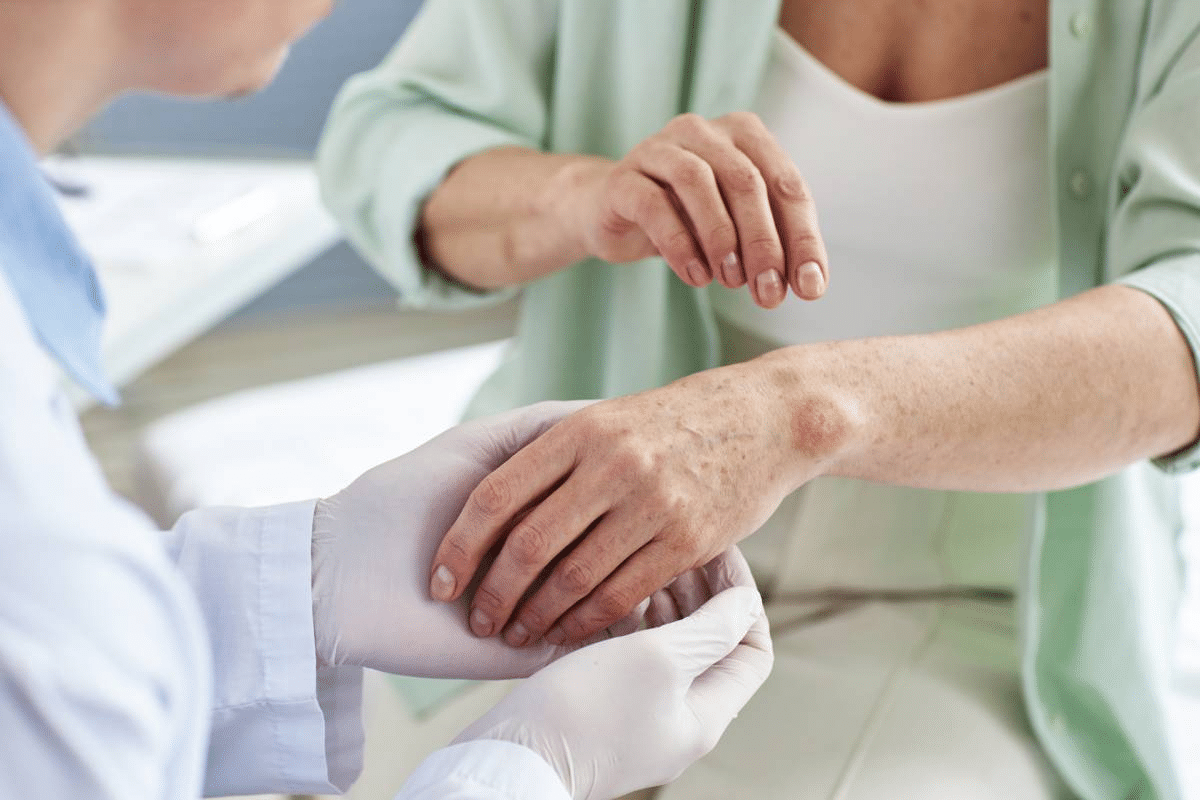
Autoimmune conditions can show up in many ways, including skin rashes. A rash on the neck might mean you have an autoimmune disease that needs doctor care.Listing seven autoimmune disease rash on neck causes and detailing the accompanying symptoms and relief strategies.
About 5-8% of Americans have autoimmune diseases. Women are more likely to get them because of their genes. Lupus and bullous pemphigoid can cause rashes on the neck, shoulders, and upper body.
It’s important to know what these diseases cause and how they show up. This article will look at seven autoimmune diseases that lead to neck rashes, their signs, and how to find relief.
Key Takeaways
- Autoimmune diseases can cause a variety of skin symptoms, including rashes on the neck.
- Conditions such as lupus and bullous pemphigoid are associated with distinctive skin rashes.
- Early recognition of these symptoms is key for effective treatment.
- Women are at a higher risk of developing autoimmune diseases due to genetic predisposition.
- Understanding the symptoms and causes can lead to better diagnosis and relief options.
Understanding Autoimmune Diseases and Skin Manifestations

Autoimmune diseases happen when the immune system attacks the body’s own cells. This can cause skin rashes on the neck. These diseases occur when the body’s immune system can’t tell its own cells from foreign invaders. It then attacks its own tissues.
How Autoimmune Conditions Affect the Skin
Autoimmune diseases can show up in the skin in many ways. This includes rashes, lesions, and blistering. The skin reflects our body’s health, and autoimmune conditions often cause inflammation. This inflammation shows up as skin symptoms.
The immune system’s attack on the skin can lead to conditions like dermatitis, psoriasis, and lupus. These conditions can be very uncomfortable and affect a person’s life quality.
Why the Neck Is Commonly Affected
The neck is often where autoimmune-related rashes appear. This is because of sun exposure and skin sensitivity. The skin on the neck is thin and easily damaged by the environment. This makes it a common spot for autoimmune disease symptoms.
Risk Factors and Demographics
It’s important to know the risk factors and demographics of autoimmune diseases. Women are more likely to get many of these diseases. This suggests a gender-related risk factor. Also, having a family history of autoimmune diseases increases your risk.
Other risk factors include environmental triggers and certain infections. These can start an autoimmune response in some people. Knowing these factors can help manage and prevent autoimmune diseases.
Recognizing Autoimmune Disease Rash on Neck: Common Characteristics

Autoimmune disease rashes on the neck show different signs. It’s key to know these signs for the right diagnosis and treatment. These rashes can look like blisters, blotches, or welts. They might also cause itching, burning, or pain.
Doctors say, “The skin shows what’s happening inside the body. Rashes on the neck can signal an autoimmune issue.” Knowing how to spot these rashes is vital for the right care.
Distinguishing Features of Autoimmune Rashes
Autoimmune rashes on the neck have unique signs that help doctors figure out what’s wrong. Some common signs include:
- Redness and inflammation
- Itching or burning sensations
- Skin thickening or hardening
- Blisters or ulcers
- Scaly or crusty patches
These signs can change based on the autoimmune disease causing the rash. For example, some rashes might itch a lot, while others might hurt or feel uncomfortable.
When to Seek Medical Attention
It’s important to see a doctor if you notice any of these:
- Sudden rash
- Rash spreading fast
- Severe itching or pain
- Fever or feeling very tired
- Rash with skin changes like thickening or hardening
Getting a diagnosis and treatment early can make a big difference. If you have unusual skin symptoms, talk to a healthcare professional for help.
Dermatomyositis: The Purple Rash
Dermatomyositis is an autoimmune disease known for its purple rash. This rash often shows up on the neck and face. It’s a sign of chronic muscle inflammation, leading to weakness and pain.
Distinctive Symptoms and Neck Presentation
The rash of dermatomyositis is quite distinctive. It looks like a purple or dusky red color on the skin. This is often seen on the neck, shoulders, upper chest, and face.
Patients may also see Gottron’s papules. These are red or purple patches on the knuckles, elbows, or knees. These signs help doctors diagnose the disease.
Associated Muscle Weakness and Other Symptoms
Muscle weakness is a key symptom of dermatomyositis. It mainly affects muscles near the trunk. This weakness can make daily tasks hard.
- Difficulty swallowing due to muscle weakness
- Fatigue
- Weight loss
- Fever
Knowing these symptoms is important for managing the disease well.
Treatment Options and Relief Strategies
Treatment for dermatomyositis includes medicines and lifestyle changes. These aim to reduce inflammation and ease symptoms. Common treatments include:
|
Treatment |
Description |
|---|---|
|
Corticosteroids |
First-line treatment to reduce inflammation |
|
Immunosuppressive drugs |
Used to reduce the immune system’s attack on muscles |
|
Physical therapy |
Helps maintain muscle strength and function |
“Early diagnosis and treatment of dermatomyositis are key to prevent muscle damage and improve life quality.” — Expert in Rheumatology
Understanding dermatomyositis symptoms, like the purple rash on the neck, is important. Using the right treatments can help manage this autoimmune condition.
Lupus and the Butterfly Rash That Extends to the Neck
Lupus is a chronic autoimmune disease known for its varied symptoms. One of these symptoms is a distinctive butterfly rash that can spread to the neck. This condition affects millions globally, causing a wide range of symptoms that differ from person to person.
Characteristics of Lupus-Related Skin Manifestations
The butterfly rash, also known as a malar rash, is a key sign of lupus. It appears on the cheeks and nose, looking like a butterfly. Sometimes, this rash can reach the neck, causing discomfort and affecting appearance.
Lupus-related skin manifestations vary among patients. Common traits include:
- Redness and inflammation
- Rash on sun-exposed areas
- Sensitivity to light
- Skin lesions
“The skin manifestations of lupus can be quite varied, but the butterfly rash is one of the most distinctive,” says Medical Expert, a leading rheumatologist. “It’s essential for patients to be aware of these symptoms and seek medical attention if they experience any unusual skin changes.”
Photosensitivity and Neck Involvement
Photosensitivity is common in lupus, with symptoms worsening in sunlight. The neck, being sun-exposed, is more prone to lupus-related skin issues.
When the neck is affected, the rash can be more noticeable, leading to discomfort and possible long-term skin damage. Protecting the skin from the sun is key in managing lupus symptoms and preventing flares.
Managing Lupus Rashes and Preventing Flares
Managing lupus rashes requires lifestyle changes and medical treatments. Patients should avoid sun exposure, wear protective clothing, and apply sunscreen regularly.
Medications like corticosteroids and immunosuppressants can control symptoms and prevent flares. Topical treatments may also be recommended for skin issues.
By understanding lupus-related skin manifestations and taking proactive steps, patients can lessen the condition’s impact on their lives.
Scleroderma: When Skin Thickening Affects the Neck
Scleroderma is a complex autoimmune disease. It makes the skin thick, which can affect the neck and other parts of the body. This can really change how you live your life.
Types and Neck Manifestations
Scleroderma comes in two main types: localized and systemic. Localized scleroderma mainly affects the skin and sometimes the tissues under it. Systemic scleroderma goes beyond the skin, touching internal organs too.
- Localized scleroderma can cause patches of thickened skin or bands of tight skin on the neck.
- Systemic scleroderma can lead to widespread skin thickening. This can make the neck stiff and hard to move.
Progression and Warning Signs
Scleroderma can progress at different rates for everyone. Some may see symptoms slowly get worse, while others may see them worsen quickly. Early warning signs include:
- Skin thickening or tightening.
- Changes in skin color or texture.
- Joint pain or stiffness.
Spotting these signs early can help manage the condition better.
Treatment Approaches for Skin Symptoms
Even though there’s no cure for scleroderma, there are ways to manage its symptoms. For skin issues, treatments might include:
- Topical creams or ointments to soften the skin.
- Physical therapy to keep flexibility and range of motion.
- Medications to reduce inflammation or slow disease progression.
It’s important for people with scleroderma to team up with their healthcare provider. Together, they can create a treatment plan that works best for them.
Sjögren’s Syndrome and Associated Skin Conditions
Sjögren’s syndrome is a complex autoimmune disorder that affects more than just the eyes and mouth. It also impacts the skin, leading to rashes on the neck. This condition causes exocrine gland dysfunction, mainly affecting the lacrimal and salivary glands. This results in dry eyes and mouth.
Dry Skin and Rash Patterns
Skin dryness is common in Sjögren’s syndrome patients. It can cause pruritus and lead to rashes, often on the neck. These rashes can look different, from erythematous patches to more complex skin issues.
The neck is prone to rashes because of its thin skin and exposure to irritants. Rashes can range from small, red spots to widespread dermatitis.
Connection with Other Symptoms
Sjögren’s syndrome affects the whole body, not just the skin. Patients often have musculoskeletal pain, fatigue, and other symptoms. Skin symptoms can show how severe the disease is.
“The skin manifestations in Sjögren’s syndrome can be a significant source of discomfort and may reflect the overall disease activity.” – Medical Expert, Rheumatologist
Relief Measures and Medical Interventions
Managing skin dryness and rashes in Sjögren’s syndrome requires a mix of relief measures and medical treatments. Keeping the skin moisturized is key to preventing dryness and irritation. It’s also important to avoid harsh soaps and environmental irritants.
|
Relief Measure |
Description |
|---|---|
|
Moisturizing |
Regular application of moisturizers to prevent dryness |
|
Avoiding Irritants |
Using gentle skin products and avoiding harsh chemicals |
|
Topical Corticosteroids |
Using corticosteroid creams to reduce inflammation |
In severe cases, medical treatments may be needed. Treatment plans are made for each patient and may involve a team of healthcare professionals.
Bullous Pemphigoid: Blistering Autoimmune Disease
Bullous pemphigoid is a rare disease that causes blisters on the skin. It mainly affects people over 70. This makes their skin very uncomfortable because of the blisters.
Recognizing Bullous Pemphigoid on the Neck
The disease shows up as big, tense blisters on the skin. These blisters can pop up anywhere, including the neck. They are usually filled with clear fluid and might itch or hurt.
Disease Progression and Complications
If not treated, bullous pemphigoid can cause skin infections. How the disease gets worse can vary. Some people have mild symptoms, while others have more severe blisters.
Treatment Options and Symptom Management
To treat bullous pemphigoid, doctors often use corticosteroids and immunosuppressive drugs. These help reduce blisters and ease symptoms. It’s also important to take good care of the blisters to avoid infections.
|
Treatment Approach |
Description |
Benefits |
|---|---|---|
|
Corticosteroids |
Reduce inflammation and blistering |
Effective in managing symptoms |
|
Immunosuppressive Medications |
Suppress the immune system’s abnormal response |
Reduces disease activity |
|
Wound Care |
Proper care of blistered skin to prevent infection |
Prevents complications |
Effective management of bullous pemphigoid needs a mix of medicine and skin care. Knowing about the disease and its treatments helps people manage their symptoms better. This improves their life quality.
Psoriasis: Beyond the Typical Locations
Psoriasis is a chronic skin condition that can appear on different parts of the body, including the neck. It’s an autoimmune disease known for unpredictable flare-ups and varying severity.
Neck Involvement in Psoriasis
The neck is not a common spot for psoriasis, but it can happen, mainly in inverse psoriasis. This type occurs in skin folds and can be very uncomfortable because of the skin’s sensitivity.
Symptoms of neck involvement include red, inflamed patches that might itch or hurt. Seeing these symptoms can be upsetting and affect a person’s life quality.
Triggers and Exacerbating Factors
Knowing what triggers and worsens psoriasis is key to managing it. Common culprits include stress, cold weather, and some medications. Avoiding these can help lessen flare-ups.
- Stress management, like meditation or yoga, can ease the mental burden of psoriasis.
- Living a healthy lifestyle, with a balanced diet and regular exercise, boosts overall health.
Topical and Systemic Treatment Approaches
Treating psoriasis on the neck needs a custom plan, due to the skin’s sensitivity. Topical treatments, like corticosteroids and vitamin D analogues, work for mild to moderate cases.
For more severe cases, systemic treatments like biologics and oral medications are needed. These treatments aim at the immune system issues that cause psoriasis.
|
Treatment Type |
Description |
Use Case |
|---|---|---|
|
Topical Corticosteroids |
Reduce inflammation and immune response |
Mild to moderate psoriasis |
|
Biologics |
Target specific proteins involved in inflammation |
Moderate to severe psoriasis |
Conclusion: Managing Autoimmune Neck Rashes Effectively
Managing autoimmune disease rash on the neck needs a full plan. This includes knowing the condition, spotting symptoms, and using the right treatments. By mixing medical care with lifestyle changes and prevention, people can ease their symptoms.
Handling autoimmune neck rashes well means using many strategies. This includes medicines, changing your lifestyle, and taking steps to prevent it. Relief can come from creams, pills, and other treatments. Knowing your disease and its signs is key to picking the right treatment.
Being proactive in managing autoimmune neck rashes can make symptoms less often and less severe. This improves life quality. It’s important to work with doctors to create a treatment plan that fits your needs.
FAQ
What are autoimmune diseases and how do they affect the skin?
Autoimmune diseases happen when the immune system attacks healthy body tissues. This leads to inflammation and skin issues, like rashes on the neck.
Why is the neck a common area for autoimmune rashes to appear?
The neck often gets autoimmune rashes because of sun exposure and skin sensitivity.
What are the risk factors and demographics associated with autoimmune diseases that cause neck rashes?
Women are more likely to get these diseases. Genetics also play a big role.
What are the distinguishing features of autoimmune rashes on the neck?
Neck rashes from autoimmune diseases can look different. They might itch, burn, or hurt.
When should I seek medical attention for a rash on my neck?
See a doctor if the rash is bad, doesn’t go away, or comes with other symptoms like muscle weakness or fever.
What is dermatomyositis, and how does it affect the neck?
Dermatomyositis is an autoimmune disease. It causes a purple or dusky red rash on the neck, shoulders, upper chest, and face.
How is lupus-related rash on the neck managed?
To manage lupus rashes, avoid the sun, wear protective clothes, and use sunscreen. Medications also help control symptoms and prevent flares.
What is scleroderma, and how does it affect the skin on the neck?
Scleroderma causes skin thickening. It can affect the neck, among other areas.
Can Sjögren’s syndrome cause a rash on the neck?
Yes, Sjögren’s syndrome can cause rashes on the neck. It also causes dry eyes and mouth.
What is bullous pemphigoid, and how is it treated?
Bullous pemphigoid is a blistering disease. It’s uncomfortable. Treatment includes medications to reduce blisters and relieve symptoms.
Can psoriasis affect the neck, and how is it treated?
Yes, psoriasis can affect the neck. Treatment varies from creams to systemic medications, based on symptoms.
What are the common characteristics of autoimmune disease rashes on the body?
Autoimmune disease rashes can look different. Knowing these is key for diagnosis and treatment.
Are autoimmune rashes associated with itching and other symptoms?
Yes, some autoimmune rashes can itch, burn, or hurt. These symptoms can be managed with the right treatment.
References
National Center for Biotechnology Information. Evidence-Based Medical Guidance. Retrieved from https://www.ncbi.nlm.nih.gov/pmc/articles/PMC4527338/