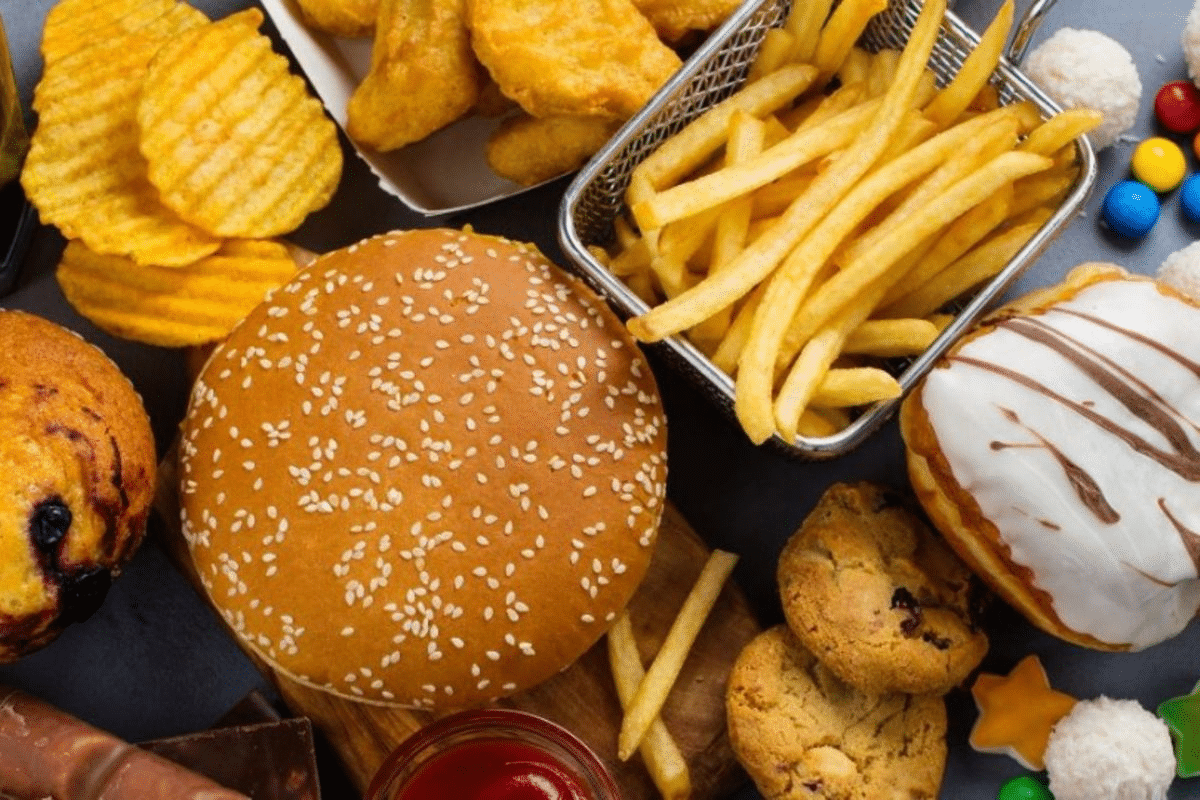
Listing seven best foods to avoid as part of a chondrocalcinosis diet (Pseudogout) to help prevent flare-ups.
Knowing what causes pseudogout attacks is key to managing this painful condition. Many patients ask if their diet affects their symptoms. Unlike gout, pseudogout, or calcium pyrophosphate deposition disease (CPPD), works differently in the body.
We will look into how diet affects managing pseudogout. We’ll share evidence-based tips to help you make better choices. By finding out which foods can help or hurt, we can create a detailed guide for managing pseudogout through diet.
Key Takeaways
- Understanding the role of diet in managing pseudogout
- Identifying foods that can trigger or alleviate pseudogout symptoms
- Developing a detailed dietary plan for managing pseudogout
- Evidence-based insights from top rheumatology sources
- Practical tips for adding good dietary practices
Understanding Pseudogout and Its Causes
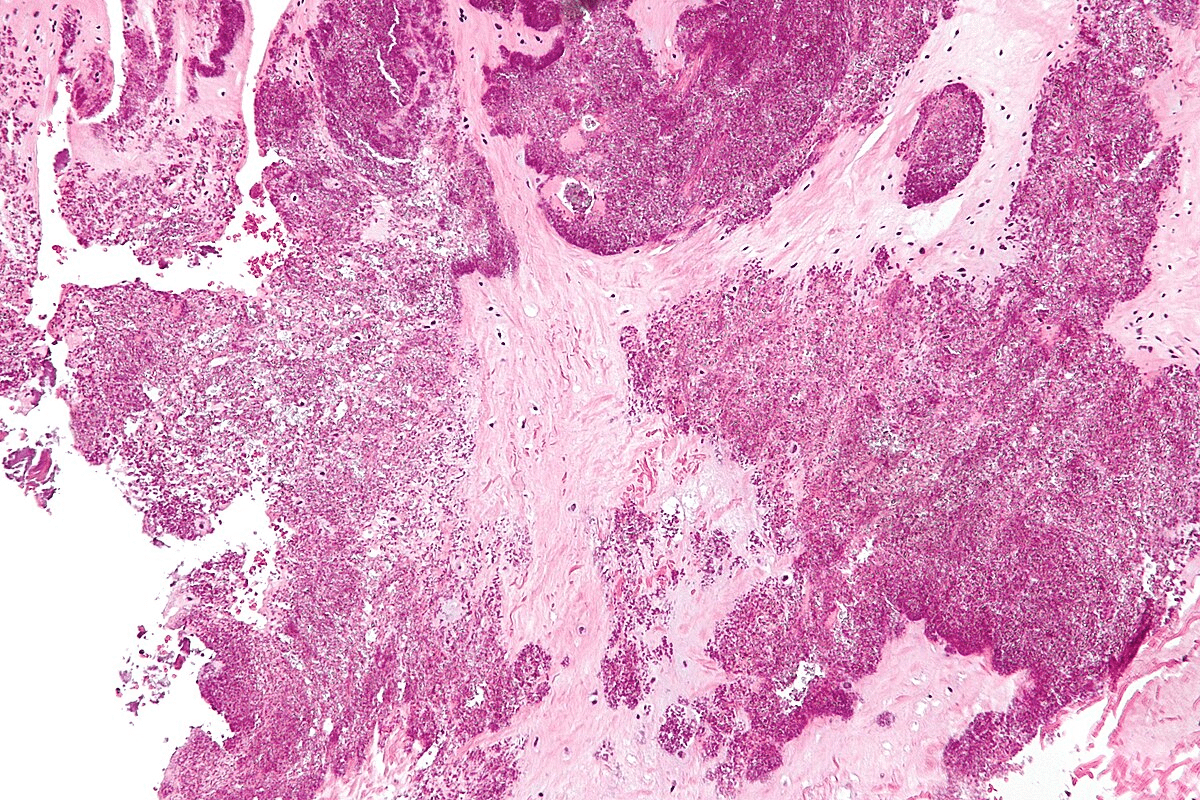
Pseudogout is a type of arthritis that is often not well understood. Knowing what causes it is key to managing it effectively. It is also known as calcium pyrophosphate deposition disease (CPPD). This condition happens when calcium pyrophosphate dihydrate crystals build up in joints, causing pain and swelling.
What Is Calcium Pyrophosphate Deposition Disease (CPPD)?
Calcium Pyrophosphate Deposition Disease (CPPD) is when calcium pyrophosphate dihydrate crystals gather in joint cartilage. This can damage joints and cause inflammation, leading to the symptoms of pseudogout. Understanding CPPD is vital for diagnosing and treating pseudogout.
How Pseudogout Differs from Regular Gout
Pseudogout and gout are both types of arthritis but have different causes. Gout is caused by monosodium urate crystals in joints. Pseudogout, on the other hand, is caused by calcium pyrophosphate dihydrate crystals. This difference affects how they are treated.
The symptoms of pseudogout can look like gout, with sudden joint pain and swelling. But, the joints affected and who gets it can differ. Pseudogout often hits the knee, wrist, or shoulder, while gout usually affects the big toe.
Risk Factors and Prevalence Statistics
Several factors can increase the risk of getting pseudogout. Age is a big one, with older adults more likely to get it. Metabolic disorders like hyperparathyroidism and genetic predisposition also play a role.
|
Risk Factor |
Description |
Prevalence |
|---|---|---|
|
Age |
More common in older adults |
Prevalence increases with age |
|
Metabolic Disorders |
Conditions like hyperparathyroidism, hemochromatosis |
Variable, depending on the disorder |
|
Genetic Predisposition |
Family history of CPPD |
Rare, but significant in affected families |
Knowing these risk factors helps in early diagnosis and treatment of pseudogout. Healthcare providers can then create better treatment plans to help patients with CPPD.
The Science Behind Diet and Pseudogout Management
It’s important to know how diet affects pseudogout. Diet doesn’t cause pseudogout, but it can change how often and how bad attacks are.
Can Food Trigger Pseudogout Attacks?
Some foods can make pseudogout attacks worse. Foods high in purines or additives might trigger symptoms. We’ll look into these foods to help you manage your condition.
Common Dietary Triggers:
- High-purine foods
- Processed foods with additives
- Certain beverages
The Critical Role of Magnesium in Crystal Formation
Magnesium helps keep calcium pyrophosphate dihydrate (CPPD) crystals from forming. These crystals are found in pseudogout. Eating foods rich in magnesium can help prevent crystals and reduce attacks. We suggest adding magnesium-rich foods to your diet.
Magnesium-Rich Foods:
- Dark leafy greens
- Nuts and seeds
- Whole grains
Metabolic Disorders and Their Dietary Connections
Diabetes and obesity can raise the risk of pseudogout. Eating right for these conditions can help lower the risk of attacks. We’ll look at how diet affects these disorders and pseudogout.
|
Metabolic Disorder |
Dietary Recommendations |
|---|---|
|
Diabetes |
Low glycemic index foods, balanced carbohydrate intake |
|
Obesity |
Calorie-controlled diet, high fiber intake |
Knowing how diet affects pseudogout can help you manage it better. Making smart food choices can reduce attack frequency.
Creating an Effective Chondrocalcinosis Diet Plan
To manage pseudogout, creating a tailored dietary plan is essential. This involves understanding the specific needs of your condition and making informed choices about your diet.
Setting Realistic Dietary Goals
When developing a chondrocalcinosis diet plan, it’s important to set achievable goals. Start by identifying your current dietary habits and areas for improvement. Consider consulting a healthcare professional or a registered dietitian who can provide personalized guidance.
- Assess your current diet and identify any trigger foods.
- Set specific, measurable goals, like reducing purine intake or increasing magnesium-rich foods.
- Create a gradual plan to achieve these goals, ensuring sustainability.
Working with Healthcare Providers
Collaboration with healthcare providers is vital in managing pseudogout through diet. They can help you understand your dietary goals for pseudogout and monitor your progress.
Regular consultations can provide valuable insights into how your diet affects your condition, allowing for adjustments as needed.
- Schedule regular check-ups with your healthcare provider to discuss your diet plan.
- Keep a detailed food diary to track your eating habits and any symptoms.
- Be open to adjusting your diet plan based on feedback from your healthcare provider.
Monitoring and Tracking Symptom Triggers
Understanding and tracking symptom triggers is a critical component of an effective chondrocalcinosis diet plan. By identifying foods or beverages that exacerbate your condition, you can make informed decisions to avoid or limit them.
Consider using a symptom tracking app or maintaining a food and symptom diary to monitor your condition closely.
By following these steps and working closely with healthcare providers, individuals with pseudogout can develop a personalized diet plan that helps manage their condition effectively.
Food #1: High-Purine Foods and Organ Meats
Diet is key when dealing with pseudogout. It’s important to avoid foods high in purines and organ meats. While research is ongoing, knowing how these foods affect joints is vital for a good diet plan.
The Purine-Crystal Connection in Joint Diseases
Purines are found in many foods. They might play a role in forming crystals in joint diseases like pseudogout. Calcium pyrophosphate dihydrate (CPPD) crystals, found in pseudogout, could be affected by what we eat, including purines.
Studies show that pseudogout isn’t directly caused by purines, unlike gout. But, there might be a link through how our body metabolizes and how it affects inflammation. Knowing about the purine-crystal connection helps manage symptoms.
Specific High-Purine Foods to Limit
To manage pseudogout well, knowing which foods to limit is key. Some foods to watch out for include:
- Organ meats: Liver, kidney, and other organ meats are high in purines.
- Certain fish and seafood: Anchovies, sardines, and mussels are known for their high purine content.
- Red meat: Beef, pork, and lamb can contribute to higher purine intake.
- Game meats: Venison and other game meats are also high in purines.
Reducing or avoiding these foods can help manage pseudogout symptoms.
Healthier Protein Alternatives
It’s important to keep a balanced diet with enough protein, even when cutting down on high-purine foods. Good alternatives include:
- Dairy products: Milk, cheese, and yogurt are low in purines and rich in protein.
- Eggs: Eggs are an excellent source of protein and are not high in purines.
- Low-purine vegetables: While not as high in protein, vegetables like broccoli and cauliflower can contribute to overall dietary balance.
- Legumes: Beans and lentils are good protein sources and can be part of a pseudogout diet plan.
By choosing these alternatives, people with pseudogout can eat well and avoid triggers.
Food #2: Processed Foods with Phosphate Additives
Phosphate additives in processed foods can make pseudogout symptoms worse. It’s important to choose what we eat carefully. Processed foods are everywhere today, but they can harm our health, even more for those with pseudogout.
Common Sources of Hidden Phosphates
Phosphate additives are in many processed foods. They’re in sausages and deli meats to keep them fresh and tasty. Also, cakes and pastries use them to stay soft and last longer.
Instant foods like noodles and soups have them too. Even some drinks, like flavored sodas and certain milks, might have phosphate additives.
|
Food Category |
Examples |
Phosphate Additive Purpose |
|---|---|---|
|
Processed Meats |
Sausages, Deli Meats |
Preservative, Flavor Enhancer |
|
Packaged Baked Goods |
Cakes, Pastries |
Texture Improver, Shelf Life Extender |
|
Instant Foods |
Flavored Noodles, Soups |
Quick Preparation, Flavor Enhancer |
|
Beverages |
Flavored Sodas, Certain Milks |
Flavor Enhancer, Texture Modifier |
How to Read Labels for Phosphate Compounds
To control phosphate intake, learning to read labels is key. Look for “phosphate,” “phosphoric acid,” and “sodium tripolyphosphate” in the ingredients. This will help you spot them.
Tips for Reading Labels:
- Check the ingredient list for phosphate-related terms.
- Ingredients are listed by quantity, so look for phosphate additives at the top.
- Choose products with fewer ingredients and less processing.
Whole Food Alternatives to Processed Products
Choosing whole foods can lower phosphate intake. Instead of processed meats, go for fresh meats, poultry, and fish. For baked goods, make your own using natural ingredients.
Examples of Whole Food Alternatives:
- Replace processed meats with fresh meats or plant-based protein sources.
- Choose homemade or bakery-fresh bread instead of packaged bread.
- Prepare meals from scratch using fresh vegetables and fruits.
By changing our diet, we can better manage pseudogout and improve our health.
Food #3: Alcohol and Caffeinated Beverages
Alcohol and caffeine can affect pseudogout symptoms in many ways. They can change mineral levels and how well we stay hydrated. It’s important to know how these drinks impact pseudogout.
Effects on Mineral Balance
Drinks like alcohol and caffeinated beverages can mess with mineral levels in our bodies. Alcohol, for example, can make more uric acid and make it harder to get rid of it. This can make pseudogout symptoms worse. Caffeine can also affect how well we stay hydrated and our mineral levels.
Key considerations: Both alcohol and caffeine can make us lose water, leading to dehydration. If we don’t drink enough water, our joints can get too concentrated with minerals. This can trigger pseudogout attacks.
Impact on Inflammation and Hydration
Drinking alcohol can cause inflammation, making pseudogout symptoms worse. It can also mess with our body’s natural ways to fight inflammation. Caffeinated drinks, while they might help fight inflammation a bit, can also cause dehydration if we drink too much.
Hydration is key: Drinking enough water can help spread out minerals in our joints. This can lower the chance of getting pseudogout attacks. We suggest drinking water to balance out alcohol and caffeinated drinks.
Moderation Guidelines and Alternatives
For people with pseudogout, it’s best to drink alcohol and caffeinated drinks in small amounts. Women should limit alcohol to one drink a day, and men to two. It’s also good to watch how much caffeine we drink and not overdo it.
Try drinking herbal teas or infused water instead. These can add flavor without the risks of alcohol and caffeine.
Foods #4-7: Additional Items to Limit or Avoid
Some foods can trigger pseudogout attacks. These include high-oxalate foods, nightshade vegetables, refined carbohydrates, and inflammatory fats. It’s important to consider these when planning your diet.
Food #4: High-Oxalate Foods and Their Effect on Joints
High-oxalate foods can lead to crystal formation in joints. This is a concern for those with pseudogout. Foods like spinach, rhubarb, beets, almonds, sesame seeds, and chocolate are high in oxalates.
While these foods are good for you, people with pseudogout might need to eat less of them. This can help manage their symptoms.
Food #5: Nightshade Vegetables for Sensitive Individuals
Nightshade vegetables, like tomatoes, peppers, and eggplant, can cause inflammation. Not everyone with pseudogout reacts to these foods. But, some people might need to avoid them.
Food #6: Refined Carbohydrates and Added Sugars
Refined carbs and added sugars can make inflammation worse. They can also make pseudogout symptoms worse. Foods like white bread, sugary drinks, and processed snacks are culprits.
Choosing whole foods can help avoid these ingredients. This can reduce inflammation and improve symptoms.
Food #7: Inflammatory Fats and Oils
Some fats and oils can cause inflammation. This can make pseudogout symptoms worse. Trans fats in processed foods and too much omega-6 fatty acids in vegetable oils are examples.
Anti-inflammatory fats, like omega-3s in fatty fish, are better choices. They can help reduce inflammation and improve symptoms.
Being aware of these foods can help manage pseudogout. Tailoring your diet to avoid these items can improve your condition.
Beneficial Foods and Supplements for Pseudogout Relief
If you have pseudogout, eating certain foods and taking supplements can help. A good diet plan can ease your symptoms and make you feel better.
Magnesium-Rich Foods to Incorporate Daily
Magnesium helps fight inflammation and ease pseudogout symptoms. Eating foods rich in magnesium daily is beneficial. Here are some examples:
- Dark leafy greens like spinach and kale
- Nuts and seeds such as almonds and pumpkin seeds
- Legumes including black beans and chickpeas
- Whole grains like brown rice and quinoa
Magnesium Content in Common Foods
|
Food |
Magnesium Content (mg per serving) |
|---|---|
|
Spinach (1 cup cooked) |
157 |
|
Almonds (1 ounce) |
80 |
|
Black Beans (1 cup cooked) |
120 |
|
Quinoa (1 cup cooked) |
150 |
Anti-Inflammatory Fruits, Vegetables, and Spices
Eating foods that fight inflammation can help with pseudogout. These include:
- Fruits like berries and citrus fruits
- Vegetables such as broccoli and bell peppers
- Spices including turmeric and ginger
Turmeric is known for its anti-inflammatory effects.
Hydration Strategies and Alkaline Water
Drinking enough water is key for managing pseudogout. It helps remove crystals that cause pain. Here are some tips:
- Drink at least 8 glasses of water a day
- Try alkaline water for hydration
- Avoid sugary drinks and caffeine
Supplement Considerations for CPPD Management
Some supplements can help manage pseudogout. These include:
- Magnesium supplements for those with deficient diets
- Omega-3 fatty acids for their anti-inflammatory effects
- Vitamin C to help reduce crystal formation
Always talk to a healthcare provider before starting new supplements. They can ensure they’re safe and right for you.
Conclusion
Effective pseudogout management starts with what you eat. Knowing how diet affects chondrocalcinosis helps you make better choices. This can help ease your symptoms.
A good chondrocalcinosis diet cuts out foods that can trigger attacks. It also adds nutrients that help. Avoiding high-purine foods and processed items with phosphate can lessen symptoms.
Eating foods rich in magnesium and anti-inflammatory fruits and veggies is key. Drinking enough water is also important. Always talk to your doctor about your diet.
Following these dietary tips can make life better and cut down on pseudogout attacks. A healthy diet and lifestyle are essential for managing pseudogout.
FAQ
What is pseudogout, and how does it differ from gout?
Pseudogout, also known as calcium pyrophosphate deposition disease (CPPD), is a type of arthritis. It causes sudden, severe joint pain. Unlike gout, which is caused by urate crystals, pseudogout is caused by calcium pyrophosphate dihydrate crystals.
How can diet help manage pseudogout symptoms?
Eating a balanced diet can help with pseudogout symptoms. It reduces crystal formation, helps manage weight, and lowers inflammation. Some foods can make symptoms worse, while others can help.
What foods should be avoided with pseudogout?
Avoid foods high in purines, like organ meats and some seafood. Also, limit processed foods with phosphate, high-oxalate foods, nightshades, refined carbs, and inflammatory fats.
Are there any beneficial foods for pseudogout relief?
Yes, eating foods rich in magnesium, anti-inflammatory fruits and veggies, and staying hydrated can help. Some supplements, like magnesium, may also be helpful.
Can alcohol and caffeinated beverages affect pseudogout?
Yes, alcohol and caffeinated drinks can worsen pseudogout symptoms. They affect mineral balance, inflammation, and hydration. Drinking in moderation and choosing other drinks is better.
How can I create an effective diet plan for pseudogout management?
To make a diet plan, work with healthcare providers and set goals. Track what triggers your symptoms. Adjusting your diet can help manage pseudogout and improve your health.
Is pseudogout worse than gout?
Both conditions can greatly affect your life, but how they impact you can vary. Understanding the differences and managing them through diet and lifestyle is key.
Can magnesium supplements help with pseudogout management?
Magnesium is important for managing pseudogout symptoms. Adding magnesium-rich foods or supplements may help. Always talk to your healthcare provider before starting any supplements.
What are some natural treatments for pseudogout?
Natural treatments include dietary changes, staying hydrated, managing weight, and reducing inflammation. Supplements like magnesium and alternative drinks may also help manage the condition.
References
National Center for Biotechnology Information. Evidence-Based Medical Guidance. Retrieved from https://www.ncbi.nlm.nih.gov/pmc/articles/PMC3383522/



 Departments
 Related Videos
 Our Doctors
 News
News