
Listing seven proven methods to relieve chronic arthritis in neck pain, focusing on physical therapy and posture correction.
Neck arthritis, also known as cervical spondylosis, affects millions worldwide. Over 85% of people over 60 have it. It causes neck pain and stiffness due to degenerative changes in the spine.
At Liv Hospital, we know how cervical arthrosis affects your life. Our team uses the latest medical knowledge and focuses on you. We’ll look at seven ways to ease osteoarthritis in neck symptoms, helping you feel better.
Key Takeaways
- Understanding the causes and symptoms of neck arthritis.
- Exploring seven proven methods for achieving relief.
- Combining medical expertise with patient-centered care.
- Evidence-based treatment strategies for managing symptoms.
- Improving quality of life with effective relief methods.
What is Arthritis in Neck and Who Does It Affect?
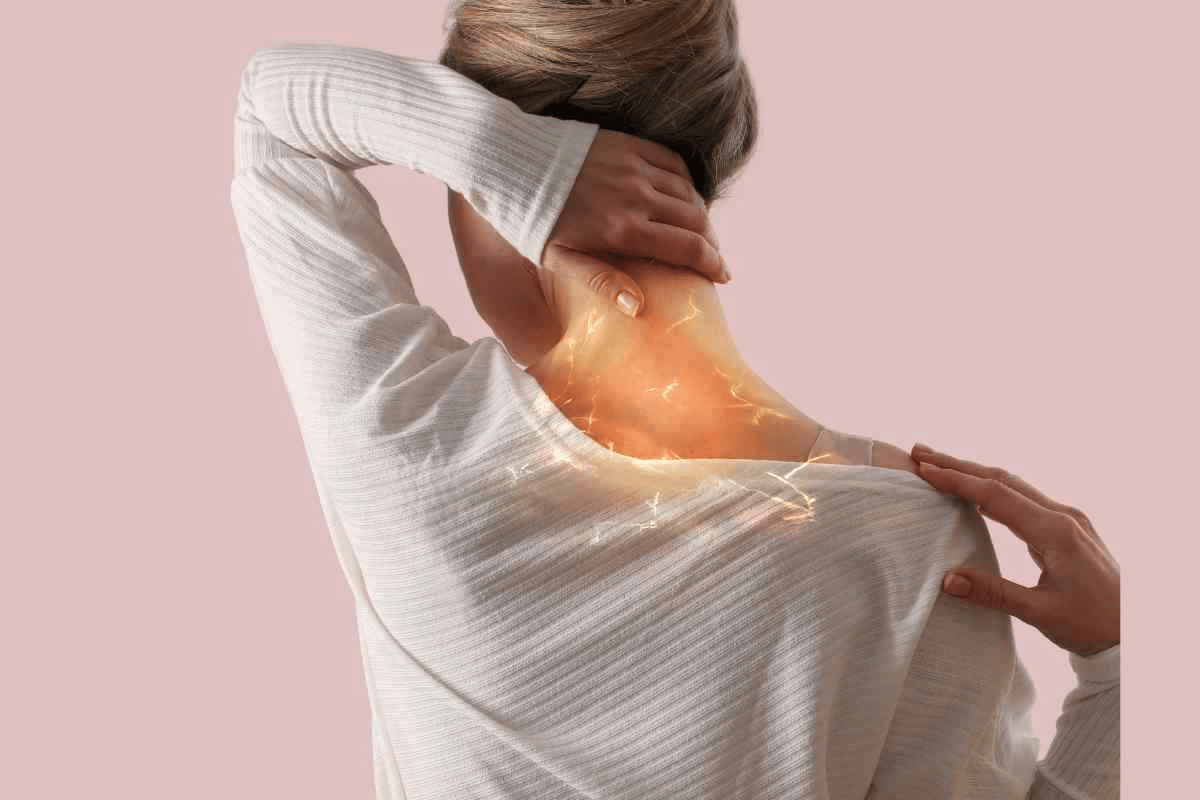
Arthritis in the neck is common, hitting many people as they get older. It’s also known as cervical arthritis. It includes different types of degenerative conditions that affect the neck’s spine.
Defining Cervical Spondylosis and Cervical Arthrosis
Cervical spondylosis and cervical arthrosis are terms for degenerative changes in the neck. Cervical spondylosis is wear and tear on the neck’s disks, joints, and bones. This can cause neck pain and stiffness, making daily activities hard.
Cervical arthrosis focuses on joint degeneration in the neck. Both conditions fall under cervical arthritis, leading to discomfort.
Prevalence Statistics and Demographics
Arthritis in the neck is common, hitting older adults hard. Over 85% of people over 60 have some cervical arthritis. It gets more common with age, affecting many elderly people.
Research shows cervical spondylosis hits men more under 50. But after 50, it affects both genders equally. Knowing this helps target preventive efforts.
Impact on Quality of Life
Arthritis in the neck can greatly affect a person’s life. Neck pain and stiffness can limit movement and daily tasks. In severe cases, it can cause numbness, tingling, or weakness in the arms or hands.
The degenerative changes can also lower quality of life. People may face chronic pain, reduced mobility, and trouble with daily tasks. This affects their overall well-being.
Common Causes and Risk Factors of Cervical Arthritis

Cervical arthritis can start from age, injuries, and lifestyle choices. Knowing these causes helps in preventing and treating the condition.
Age-Related Degenerative Changes
As we get older, our necks naturally change. Degenerative disc disease and bone spurs are common. These changes can cause neck pain and stiffness.
These age-related changes affect the neck in several ways:
- Disc dehydration and loss of height
- Formation of osteophytes (bone spurs)
- Facet joint degeneration
Injury and Trauma Contributions
Neck injuries can lead to cervical arthritis. Whiplash injuries from car accidents or falls can damage the neck. This damage can cause arthritis over time.
|
Type of Injury |
Potential Consequences |
|---|---|
|
Whiplash |
Disc damage, ligament sprains |
|
Fractures |
Instability, nerve damage |
|
Sports injuries |
Repetitive strain, acute trauma |
Occupational and Lifestyle Risk Factors
Some jobs and lifestyles increase the risk of cervical arthritis. Jobs with repetitive neck movements or heavy lifting can contribute to the condition.
Key risk factors include:
- Prolonged computer use without ergonomic adjustments
- Heavy lifting or bending
- Repetitive neck movements in sports or work
- Smoking, which can accelerate disc degeneration
Understanding these causes and risk factors helps prevent cervical arthritis. It also helps manage the condition if it occurs.
Recognizing Symptoms of Arthritis in Neck
It’s important to spot the signs of arthritis in the neck early. This condition, known as cervical arthritis, can really affect your life. It shows in different ways, making it hard to live normally.
Pain Patterns and Characteristics
Neck pain is a big sign of cervical arthritis. The pain might stay in the neck or spread to the shoulders, arms, or back. It can feel sharp, dull, or just ache, and change how bad it feels during the day.
Pain characteristics can include:
- Pain that gets worse when you move
- Pain that feels better when you rest
- Sharp pains or shooting feelings
Mobility Limitations and Stiffness
As cervical arthritis gets worse, it can make moving your neck harder. You might find it tough to turn your head or bend your neck.
|
Symptom |
Description |
|---|---|
|
Mobility Limitation |
Less ability to move your neck |
|
Stiffness |
Feeling like your neck is tight or stiff |
Neurological Symptoms and Complications
Cervical arthritis can also cause nerve problems. This happens when nerves get compressed or irritated. Symptoms include numbness, tingling, or weakness in your arms or hands.
Neurological problems can happen if you don’t treat it right.
The C5-C6 Connection: Why These Vertebrae Are Commonly Affected
The C5-C6 vertebrae are often affected by cervical arthritis. This is because of their unique structure. They are prone to wear and tear, leading to arthritic changes.
Anatomical Vulnerability of C5-C6
The C5-C6 segment is anatomically vulnerable. It’s in the lower cervical spine, where mobility and stress meet. This area handles a lot of the neck’s motion, making it more likely to degenerate.
The transition between C5 and C6 involves complex movements. These include flexion, extension, and rotation. This complexity increases stress on the disks and joints, speeding up degeneration.
Progressive Degeneration Process
The degeneration in C5-C6 starts with small changes that grow over time. Progressive degeneration means the disks wear down, disks shrink, and osteophytes form.
As disks degenerate, the spine can’t absorb shock as well. This puts more stress on the vertebrae and joints, speeding up degeneration.
How Disk Changes Lead to Arthritic Symptoms
Disk changes are key in causing arthritic symptoms in C5-C6. Degenerating disks can herniate or bulge, irritating nerves and causing pain.
Loss of disk height also puts more pressure on facet joints, causing inflammation and pain. Osteophytes can irritate tissues, adding to cervical arthritis symptoms.
Understanding the C5-C6 connection is vital for treating cervical arthritis. By focusing on this area’s vulnerability and degeneration, healthcare providers can help manage symptoms and improve life quality.
Diagnostic Approaches for Cervical Arthritis
Diagnosing cervical arthritis involves a detailed check-up and advanced imaging. We’ll look at how doctors identify this condition. This ensures the right treatment plan is made.
Physical Examination Techniques
A detailed physical exam is key in diagnosing cervical arthritis. We check how well the neck moves and where pain occurs. Tests like the Spurling’s test help find nerve problems.
We also check muscle strength, reflexes, and feeling. This helps us see if nerves are involved. Looking for neck tenderness, swelling, or deformity is important too. We also review the patient’s health history to find risk factors.
Imaging Studies: X-rays, MRI, and CT Scans
Imaging tests are essential in confirming cervical arthritis. We use different methods to see the spine and arthritis extent.
- X-rays: Show bone spurs, disc narrowing, and spine alignment.
- MRI (Magnetic Resonance Imaging): Details soft tissues like discs and nerves, spotting compression or damage.
- CT (Computed Tomography) Scans: Gives clear images of bones, useful for finding joint problems.
Differential Diagnosis Considerations
It’s important to rule out other conditions that might seem like cervical arthritis. We look at:
- Herniated discs
- Spinal stenosis
- Fibromyalgia
- Myofascial pain syndrome
- Other conditions
By carefully checking symptoms, physical exam results, and imaging, we can accurately diagnose cervical arthritis. Then, we can create a proper treatment plan.
Method 1: Physical Therapy Protocols for Neck Arthritis
Physical therapy is a top choice for treating neck arthritis without surgery. It uses special exercises and techniques to lessen pain and boost neck movement. This approach works well over a set time.
Targeted Strengthening Exercises
It’s key to strengthen muscles around the neck to support it and ease joint pain. Targeted strengthening exercises include:
- Isometric exercises to build muscle strength without moving the neck
- Resistance band exercises to boost muscle endurance
- Specific neck exercises made just for the person’s needs
Range of Motion and Flexibility Techniques
Keeping or improving neck movement is essential to cut stiffness and boost mobility. Range of motion and flexibility techniques are:
- Gentle stretching to loosen tight neck muscles
- Rotational exercises to increase flexibility
- Manual therapy by a physical therapist to better joint mobility
These methods not only reduce pain but also enhance neck function.
Optimal 6-8 Week Program Structure
A good physical therapy plan for neck arthritis lasts 6 to 8 weeks. This time frame allows for slow but steady gains in strength, flexibility, and movement. The program must fit the person’s unique needs and progress.
|
Week |
Strengthening Exercises |
Flexibility Techniques |
|---|---|---|
|
1-2 |
Isometric exercises |
Gentle stretching |
|
3-4 |
Resistance band exercises |
Rotational exercises |
|
5-6 |
Advanced neck strengthening |
Manual therapy techniques |
|
7-8 |
Maintenance strengthening |
Continued flexibility exercises |
By sticking to this plan, people with neck arthritis can see big improvements in their symptoms and life quality.
Method 2: Medication Strategies for Pain Management
Medication is key in easing the pain of cervical arthritis. It’s important for keeping a good quality of life for those with this condition.
Non-Prescription Anti-Inflammatory Options
Over-the-counter (OTC) drugs are often the first choice for cervical arthritis pain. Drugs like ibuprofen and naproxen help by reducing inflammation and pain. They block the production of prostaglandins, which cause pain and swelling.
It’s important to take these drugs as directed and talk to a doctor before using them for a long time. They can cause stomach problems.
Prescription Medications for Severe Cases
When OTC drugs don’t work, prescription drugs might be needed. These can include stronger NSAIDs, corticosteroids, or other pain relievers. Corticosteroids are very effective anti-inflammatory drugs that can be taken by mouth or injected into the affected area.
Our healthcare providers help choose the right prescription medication for each patient. They consider how severe the condition is and the patient’s medical history.
Muscle Relaxants and Their Role
Muscle relaxants are used to manage cervical arthritis symptoms. They help by reducing muscle spasms and tension, which can cause pain. These drugs are usually used for a short time to help with sudden pain episodes.
It’s important to use muscle relaxants only as directed by a healthcare provider. They can make you feel sleepy and may interact with other drugs.
|
Medication Type |
Examples |
Primary Use |
|---|---|---|
|
Non-Prescription NSAIDs |
Ibuprofen, Naproxen |
Reduce inflammation and pain |
|
Prescription Medications |
Corticosteroids, Stronger NSAIDs |
Severe pain and inflammation management |
|
Muscle Relaxants |
Cyclobenzaprine, Metaxalone |
Reduce muscle spasms and tension |
Method 3: Heat, Cold, and Electrical Therapies
Managing neck arthritis symptoms often involves a multi-faceted approach. This includes the use of heat, cold, and electrical therapies. These methods can provide relief from pain and stiffness. They improve overall quality of life for individuals with cervical arthritis.
Proper Heat Application Techniques
Heat therapy is a widely used method for relieving neck pain associated with arthritis. To apply heat effectively, it’s essential to use the right temperature and duration. Warm, not hot, temperatures are recommended to avoid burns. A warm bath or a heated pad set on low can be effective.
The application should last for about 15-20 minutes, repeated several times a day as needed. It’s also important to ensure the heat source is not directly on the skin to prevent burns. Using a towel or cloth between the heat source and skin can help.
For some, a warm shower can be very beneficial. It allows for both heat therapy and gentle movement.
Effective Cold Therapy Protocols
Cold therapy, or cryotherapy, is another effective method for managing neck arthritis pain, during flare-ups. Cold packs can help reduce inflammation and numb the pain. When using cold therapy, it’s essential to wrap the cold pack in a cloth to avoid direct contact with the skin, which can cause cold burns.
The duration for cold therapy is typically shorter than heat, lasting around 10-15 minutes. It’s recommended to start with shorter sessions and gradually increase as needed and as comfort allows. Cold therapy can be very useful after activities that exacerbate the pain.
TENS and Other Electrical Stimulation Options
Transcutaneous Electrical Nerve Stimulation (TENS) is a therapy that involves applying a small electrical device to the skin. These impulses can interrupt or block pain signals sent to the brain, providing relief. TENS units are portable and can be used as needed throughout the day.
Other electrical stimulation options include interferential current therapy and microcurrent electrical nerve stimulation. These therapies can be administered under the guidance of a healthcare professional. While the exact mechanism is not fully understood, they are believed to promote healing, reduce pain, and improve muscle function.
It’s important to consult with a healthcare provider before starting any new therapy, including TENS and other electrical stimulation options. This ensures they are appropriate for your specific condition and to learn how to use them correctly.
Method 4: Lifestyle Modifications and Ergonomic Adjustments
Making lifestyle changes and ergonomic adjustments can help with neck arthritis. These changes can reduce neck pain and improve comfort. They involve small tweaks in our daily routines and workspaces.
Workplace Ergonomics for Neck Protection
Having an ergonomic workspace is key for those with neck arthritis. It helps maintain good posture and lessens neck strain. Here are some important adjustments:
- Place your computer monitor about 20-25 inches away, slightly below eye level.
- Adjust your chair so your feet are flat or on a footrest, and knees are at or below hip level.
- Keep your keyboard close to your body to avoid reaching, and type with straight wrists.
Sleep Positioning and Pillow Selection
Choosing the right sleep position and pillow is vital for neck arthritis. The wrong sleep position can worsen neck pain. Here’s what we suggest:
- Sleep on your back with a supportive pillow under your neck, or on your side with a pillow that keeps your spine aligned.
- Avoid sleeping on your stomach to prevent neck twisting.
- Use a contoured or memory foam pillow for proper neck support and alignment.
Daily Activity Modifications to Reduce Strain
Changing daily activities can lessen neck strain. This includes:
- Take breaks when working on a computer or doing repetitive tasks to stretch and move.
- Steer clear of heavy lifting or bending, and lift properly when needed.
- Do exercises that strengthen your neck and shoulder muscles, like gentle stretches and strengthening exercises.
By making these lifestyle and ergonomic changes, people with neck arthritis can see symptom relief and better quality of life.
Method 5: Alternative and Complementary Approaches
We’re looking into different ways to help with neck arthritis. These include acupuncture, massage therapy, and chiropractic care. They can help manage symptoms of cervical arthritis.
Acupuncture Evidence for Neck Pain Relief
Acupuncture is an old practice that uses thin needles to help with pain. It might help with neck pain from arthritis. Research shows it can lessen pain and improve movement in some cases.
Even though more studies are needed, many people find acupuncture helpful. It’s important to talk to a licensed practitioner about the benefits and risks.
Massage Therapy Techniques and Benefits
Massage therapy can also help with neck arthritis. It uses different methods to relax muscles and improve flexibility. Regular massages can lead to better neck function and less pain.
When getting a massage for neck arthritis, choose a skilled therapist. They can focus on the right areas to make the massage more effective.
Chiropractic Care: Benefits and Precautions
Chiropractic care is another option for neck pain. It involves spinal adjustments to improve mobility and reduce stiffness. For some, it can greatly help with pain and movement.
But, it’s important to be careful with chiropractic care, even more so with advanced arthritis. Always check with your doctor first and make sure the chiropractor knows about your condition.
Adding these alternative methods to your treatment plan can help with neck arthritis. It’s key to talk to your healthcare provider about what’s best for you.
Methods 6 & 7: Interventional Treatments and Surgical Options
When other treatments don’t work, people with cervical arthritis might find help in interventional treatments and surgery. These methods are for those with severe symptoms that haven’t improved with other treatments.
Injection Therapies: Corticosteroids and Nerve Blocks
Injection therapies are a common treatment for cervical arthritis. Corticosteroid injections can lessen inflammation and ease pain. These injections are given under fluoroscopic guidance for accuracy. Nerve blocks involve injecting a local anesthetic or steroid into specific nerves to block pain signals.
“Injection therapies can provide significant relief for patients with cervical arthritis,” says Medical Expert, a leading pain management specialist. “By targeting the source of pain directly, we can often achieve better outcomes than with systemic medications alone.”
Radiofrequency Ablation Procedures
Radiofrequency ablation (RFA) is a minimally invasive procedure. It uses heat from radio waves to target and disable specific nerves that transmit pain signals. RFA can offer long-term pain relief for some patients with cervical arthritis.
- RFA is typically performed under local anesthesia
- The procedure involves using fluoroscopy to guide a needle electrode to the target nerve
- Radiofrequency energy is then applied to heat the nerve tissue, disrupting pain signal transmission
Surgical Interventions for Advanced Cases
For those with advanced cervical arthritis who haven’t responded to other treatments, surgery might be needed. Surgical options include procedures like anterior cervical discectomy and fusion (ACDF) or cervical arthroplasty.
Surgical considerations include the severity of symptoms, the extent of degenerative changes, and the patient’s overall health status. A thorough evaluation by a spine specialist is key in choosing the right surgical approach.
“Surgical intervention can be a game-changer for patients with advanced cervical arthritis. By addressing the underlying structural issues, we can often achieve significant improvements in pain and function,” notes Medical Expert, a renowned spine surgeon.
Conclusion: Creating Your Personalized Neck Arthritis Relief Plan
Creating a personalized relief plan is key to managing neck arthritis. Knowing the different treatment options and lifestyle modifications helps. This way, people can find a way to ease their symptoms.
We’ve talked about ways to handle neck arthritis. This includes physical therapy, medicines, heat and cold treatments, and changing your lifestyle. Each method can be adjusted to fit what you need and like, making a personalized relief plan for you.
Good pain management is a big part of a personalized relief plan. Mixing the right treatment options with lifestyle modifications can really help. It can make you feel better and improve your life quality.
We suggest working with doctors to make a plan that fits you. This is the first step to getting relief from neck arthritis symptoms.
FAQ
What is cervical arthritis and how does it affect the neck?
Cervical arthritis, also known as cervical spondylosis or cervical arthrosis, affects the neck’s joints and disks. It causes pain, stiffness, and limited mobility.
What are the common causes of arthritis in the neck?
Arthritis in the neck can be caused by age, injuries, trauma, and certain jobs or lifestyles.
What are the symptoms of arthritis in the neck?
Symptoms include pain, limited movement, stiffness, and numbness, tingling, or weakness in the arms or hands.
How is cervical arthritis diagnosed?
Doctors use physical exams, X-rays, MRI, and CT scans to diagnose cervical arthritis. They also rule out other causes of neck pain.
What is the role of physical therapy in managing neck arthritis?
Physical therapy improves neck movement, strengthens neck muscles, and reduces pain and stiffness.
What medication options are available for managing neck arthritis pain?
Options include over-the-counter anti-inflammatory drugs, prescription drugs for severe pain, and muscle relaxants for spasms.
How can heat, cold, and electrical therapies help manage neck arthritis symptoms?
These therapies reduce pain, improve movement, and relax muscles, helping manage symptoms.
What lifestyle modifications can help alleviate neck arthritis symptoms?
Modifying your workspace, sleeping position, choosing the right pillow, and avoiding neck strain can help.
Are there any alternative and complementary approaches to managing neck arthritis?
Yes, options include acupuncture, massage, and chiropractic care, which can complement traditional treatments.
What are the interventional treatments and surgical options available for managing advanced neck arthritis?
Options include injection therapies, radiofrequency ablation, and surgeries like spinal fusion or disk replacement.
How can I create a personalized plan for managing my neck arthritis?
Work with healthcare professionals to create a plan that includes treatments and lifestyle changes tailored to you.
What is the best treatment for arthritis in the neck?
The best treatment varies by severity and individual needs. It may include physical therapy, medication, lifestyle changes, and alternative therapies.
Can neck surgery relieve arthritis symptoms?
Surgery may be an option for severe cases that haven’t improved with other treatments. It can help with pain, numbness, and weakness.
How can I reduce the risk of developing arthritis in the neck?
Maintain a healthy lifestyle with regular exercise, proper posture, and avoiding neck strain.
References
https://www.verywellhealth.com/arthritis-neck-home-remedies-5114468