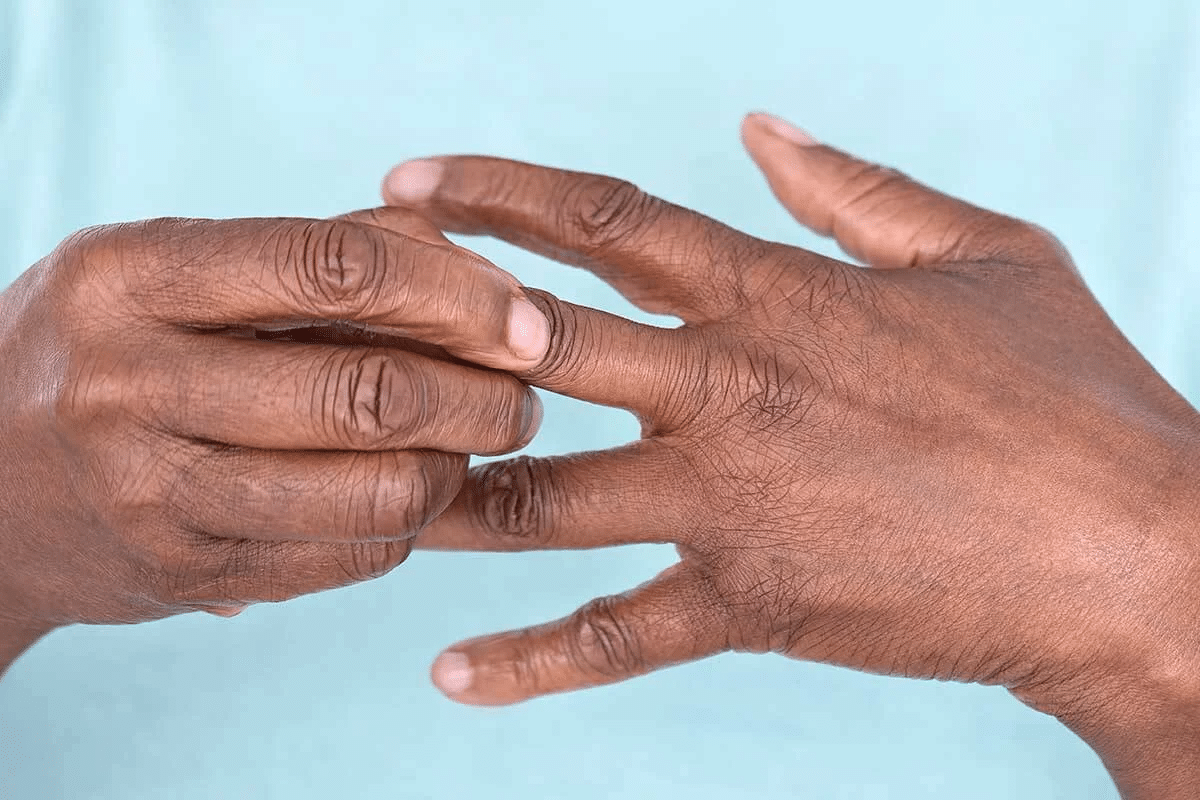
Listing seven key signs of arthritis in knee joints that indicate degenerative or inflammatory disease and require attention.
Knee osteoarthritis is a chronic condition that affects millions worldwide, causing cartilage damage over time. Recognizing early symptoms is key for effective management.
We know that knee pain can really get in the way of daily activities. At Liv Hospital, we’re dedicated to giving you an accurate diagnosis and treatment that fits your needs.
Key Takeaways
- Understanding the early signs of knee arthritis is vital for preventing further joint damage.
- Osteoarthritis is the most common form of knee arthritis, causing cartilage deterioration.
- Recognizing symptoms early can significantly improve treatment outcomes.
- Liv Hospital offers a patient-centered approach to diagnosing and treating knee arthritis.
- Comprehensive care includes tailored treatment plans to manage symptoms effectively.
Understanding Knee Arthritis: A Growing Health Concern
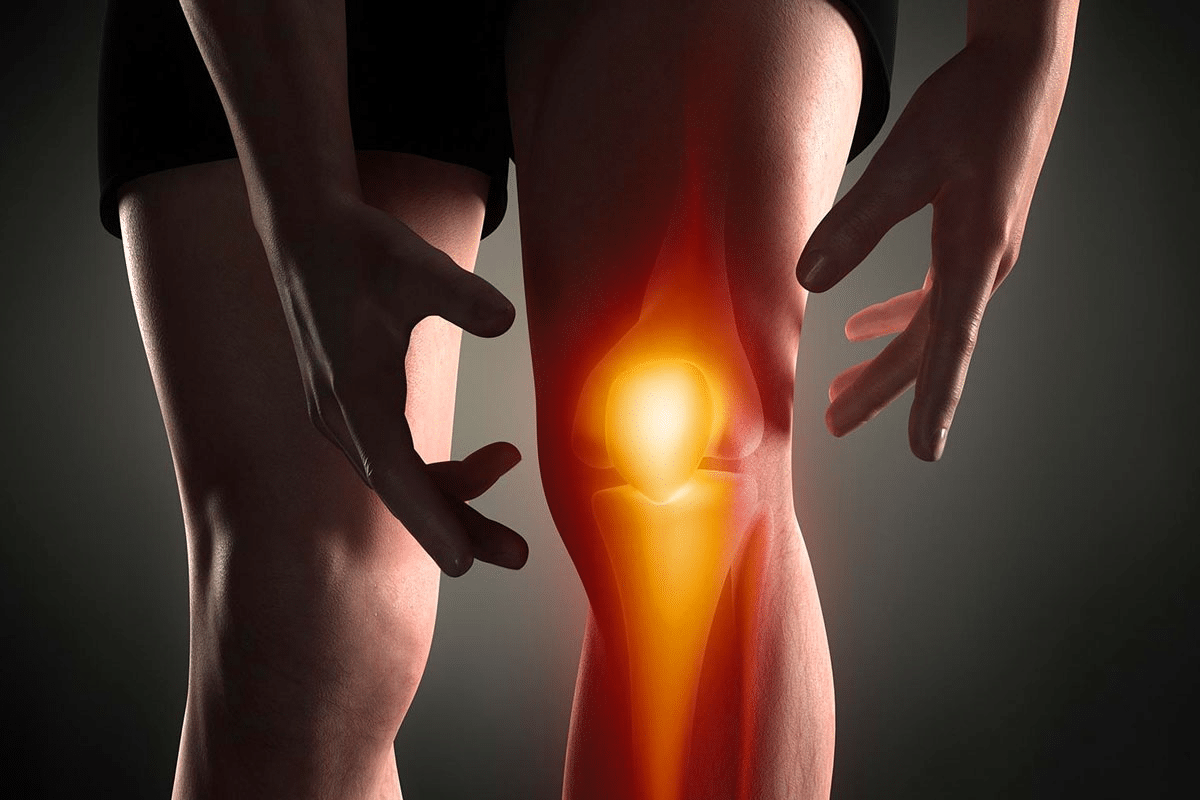
Knee arthritis is a disease that wears down the cartilage and causes bones to rub together. It greatly affects how we move and live our lives.
What Happens in Arthritic Knees?
The cartilage in arthritic knees wears away, leading to bone-on-bone contact. This causes pain, swelling, and makes it hard to move. The damage to cartilage is often permanent, so acting early is key.
Types of Knee Arthritis
There are many types of knee arthritis, like osteoarthritis, rheumatoid arthritis, and post-traumatic arthritis. Osteoarthritis is the most common, mainly affecting older adults due to wear and tear.
Prevalence and Statistics
Knee arthritis affects millions globally. In the U.S., about 32.5 million adults have osteoarthritis, with knees being a common spot.
|
Type of Arthritis |
Prevalence |
Common Age of Onset |
|---|---|---|
|
Osteoarthritis |
High |
45+ |
|
Rheumatoid Arthritis |
Moderate |
30-60 |
|
Post-traumatic Arthritis |
Low to Moderate |
Variable |
Knowing about knee arthritis helps us find better treatments and improve care for patients.
The Impact of Knee Arthritis on Daily Life
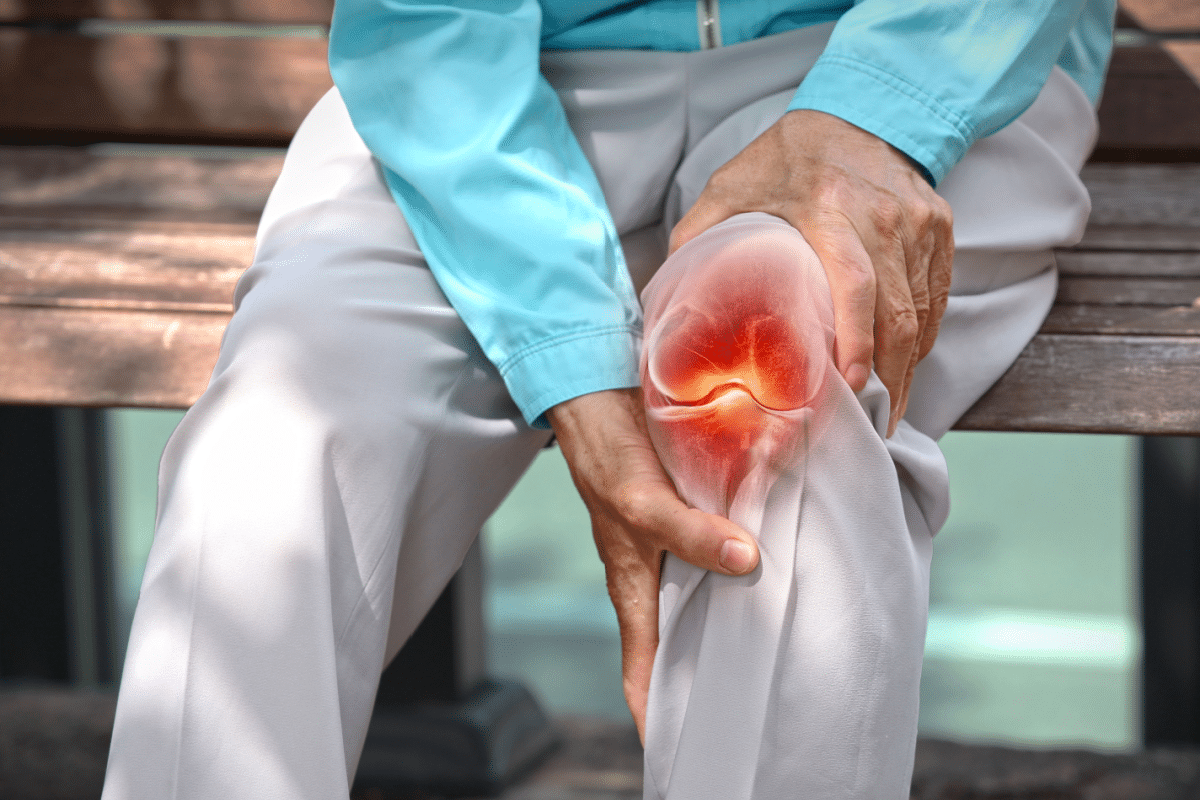
Knee arthritis affects more than just your body. It changes how you live every day. It happens when the cartilage in your knee wears down. This causes bones to rub together, leading to pain, swelling, and stiffness.
This condition can make daily life tough. It limits what you can do and causes challenges. Let’s look at these issues closely.
Physical Limitations
Knee arthritis can make simple tasks hard. It affects your ability to walk or climb stairs. It also makes everyday activities more difficult.
It can also make you more likely to fall. This is because your knee may not be stable.
Psychological Effects
The mental side of knee arthritis is just as important. Chronic pain and limited movement can make you feel:
- frustrated and depressed
- anxious about the future
- isolated from others
Economic Burden
Knee arthritis also costs a lot. It affects your wallet and society’s finances. This includes:
- medical bills for treatments and surgeries
- lost income and reduced work capacity
- the need for home changes or extra care
It’s key to understand how knee arthritis affects your life. By tackling physical, mental, and financial issues, you can manage the condition better. This helps improve your overall well-being.
Common Signs of Arthritis in Knee You Shouldn’t Ignore
It’s important to spot the early signs of knee arthritis. This is because early detection leads to better management. The first signs often include pain and swelling that can grow slowly.
How Symptoms Typically Develop
Symptoms of knee arthritis start slowly. They can include pain, swelling, stiffness, and reduced mobility. These can really affect your daily life and how well you feel.
As arthritis gets worse, the pain can last longer. It might hurt more when you walk or climb stairs.
When to Seek Medical Attention
If you have ongoing knee pain, swelling, or stiffness, see a doctor. Early treatment can help manage osteoarthritis symptoms of the knee. It can also slow down the disease.
If your pain or swelling gets worse suddenly, or if moving your knee is hard, get help. A healthcare professional can provide the right care.
Symptom Progression Timeline
The way arthritis knee symptoms get worse can vary. Symptoms might start with mild pain and stiffness, mainly after rest. Over time, these can get worse and last longer.
Knowing what are the symptoms of arthritis in knees is key. Spotting them early can help you get the right treatment. This might slow down the disease.
Sign #1: Persistent Pain and Tenderness
Knee arthritis often starts with pain and tenderness that doesn’t go away. These signs can really affect your life, making simple tasks hard.
Different Types of Arthritis Pain
Arthritis pain in the knee can be different. Inflammatory pain is linked to conditions like rheumatoid arthritis, where the immune system attacks the joints. Osteoarthritis, on the other hand, causes pain from cartilage breakdown in the knee joint.
Pain Patterns Throughout the Day
Pain patterns can change throughout the day. For many, pain is worse in the morning or after rest, known as morning stiffness. Pain may lessen as you move around, but it can come back after long activities or at night.
Distinguishing Arthritis Pain from Other Knee Conditions
It’s important to tell arthritis pain from other knee issues. Arthritis pain gets worse over time, unlike injuries that hurt suddenly. Knowing the differences between knee conditions can help:
|
Condition |
Pain Characteristics |
Other Symptoms |
|---|---|---|
|
Osteoarthritis |
Gradual onset, worse with activity |
Stiffness, crepitus (grinding sensation) |
|
Rheumatoid Arthritis |
Inflammatory, symmetric joint pain |
Swelling, redness, systemic symptoms |
|
Meniscus Injury |
Sudden onset, localized pain |
Locking or catching sensation, limited mobility |
Knowing these differences is key to getting the right treatment. If you have ongoing knee pain, see a doctor to find out why and how to manage it.
Sign #2: Swelling and Inflammation
Knee arthritis often shows up as swelling and inflammation. This is the body’s way of reacting to joint damage. It’s not just about looks; it really impacts how well your knee works and how comfortable you feel.
What Causes Knee Swelling in Arthritis
Swelling in arthritic knees comes from the body’s fight against joint damage. When cartilage wears down, the joint gets irritated. This leads to fluid buildup and swelling. “The inflammation is a natural response, but it can cause pain and stiffness, making it harder to move the knee,” say experts in orthopedic care.
Distinguishing Arthritis Swelling from Other Causes
Swelling is a common sign of knee arthritis, but it’s not the only reason. Injuries, infections, and other types of arthritis can also cause it. To tell if it’s arthritis, look for ongoing pain, stiffness, and trouble moving your knee.
Managing Inflammation at Home
There are ways to fight inflammation at home. Using ice packs, keeping your knee up, and wearing compression bandages can help. Also, staying at a healthy weight and doing low-impact exercises can ease the stress on your knee.
Key risk factors for knee arthritis include getting older, being overweight, past knee injuries, and constant stress on your joints. Knowing these risks can help you prevent it.
Sign #3: Stiffness and Reduced Range of Motion
Stiffness, often felt in the morning or after sitting for a long time, is a key sign of knee arthritis. This stiffness can make everyday tasks hard, like bending or straightening the knee.
Morning Stiffness vs. Activity-Related Stiffness
There are two main kinds of stiffness linked to knee arthritis: morning stiffness and stiffness after activity. Morning stiffness usually lasts less than an hour and is seen in many types of arthritis. Stiffness after activity happens after sitting or doing hard work.
Knowing the difference between these can help manage the condition better.
How Stiffness Progresses Over Time
As knee arthritis gets worse, stiffness gets more severe and lasts longer. At first, stiffness might only happen during certain activities or when resting. But as time goes on, it can become a constant problem.
This can greatly limit how far you can move your knee and affect your life quality. Women are more likely to get knee osteoarthritis than men, so it’s important to watch for symptoms, even more so after 60.
Exercises to Maintain Mobility
Doing regular exercises can help keep your knee flexible and reduce stiffness. Try gentle stretching, strengthening exercises, and low-impact activities like swimming or cycling. Always talk to a healthcare provider to create a workout plan that’s right for you.
Sign #4: Clicking, Popping, and Crepitus
Arthritic knees often make sounds like clicking, popping, or grinding. These noises, called crepitus, can be scary. They are often linked to osteoarthritis of the knee symptoms. It’s important to know what these sounds mean for those with arthritis symptoms in knees.
Why Arthritic Knees Make Noises
The sounds come from cartilage wear and bone-on-bone contact. When cartilage wears down, joints don’t move smoothly. This leads to the sounds. A study in the Journal of Orthopaedic Research found crepitus affects many with knee osteoarthritis, impacting their life quality.
When Knee Sounds Indicate a Problem
Not all knee sounds are bad. But, if you have pain, swelling, or feel unstable, it might be serious. Seeing a doctor is key if you notice these signs. Experts say, “Crepitus, with other symptoms, needs medical check-up to avoid more damage.”
“The presence of crepitus, with other symptoms, needs medical check-up to avoid more damage.”
Differentiating Normal vs. Problematic Sounds
Not every knee sound is a problem. Sometimes, a painless click is okay. But, if sounds are often or hurt, it could mean trouble. Here’s a table to help tell the difference:
|
Characteristic |
Normal Sounds |
Problematic Sounds |
|---|---|---|
|
Frequency |
Occasional |
Frequent or persistent |
|
Pain Association |
Painless |
Painful |
|
Swelling or Inflammation |
Absent |
Present |
Knowing about these sounds helps spot signs of arthritis in knee. It’s important to get medical help when needed.
Signs #5-7: Joint Instability, Visual Changes, and Activity-Related Symptoms
Advanced knee arthritis can cause joint instability, visible changes, and symptoms that worsen with activity. These signs show how the condition is getting worse and affect a person’s life quality.
The Mechanics Behind Knee Instability and Weakness
Knee instability in arthritis happens when the joint’s parts, like cartilage and ligaments, wear down. This makes the knee feel weak or unstable, mainly when you’re standing or moving. The loss of cartilage and ligament laxity can make the knee “give way,” affecting how you move and raising the chance of falling.
Medical Expert, an orthopedic specialist, says, “Knee instability is a common issue in advanced knee arthritis. It’s not just about pain; it’s about feeling secure in your own movement.”
Visible Changes in Knee Appearance
Advanced knee arthritis can make the knee look different. These changes might include:
- Swelling and redness from inflammation
- Deformity, like bowing or knock knees
- Muscle wasting around the knee due to less movement
These changes can be upsetting for patients and might affect their self-esteem and social activities.
|
Visible Change |
Description |
Impact on Patient |
|---|---|---|
|
Swelling and Redness |
Inflammation causing the knee to appear swollen and red |
Discomfort, pain, and reduced mobility |
|
Deformity |
Abnormal alignment of the knee, such as bowing or knock knees |
Aesthetic concerns, difficulty walking |
|
Muscle Wasting |
Reduction in muscle mass around the knee due to disuse |
Weakness, reduced stability |
How Symptoms Worsen with Specific Activities
Symptoms of knee arthritis can get worse with certain activities, like weight-bearing, climbing stairs, or standing for a long time. Knowing which activities make symptoms worse helps patients and doctors find better ways to manage the condition.
For example, hiking or running can put more stress on the knee joint. Cycling can also irritate an arthritic knee. Knowing these patterns is key to managing the condition well.
Understanding all symptoms of knee arthritis, including joint instability, visible changes, and symptoms that get worse with activity, helps patients get the right medical care. It also helps them make lifestyle changes to manage their condition better.
Risk Factors and Prevention of Knee Arthritis
Knee arthritis can be caused by age, genetics, and lifestyle. Knowing these factors helps in preventing it.
Age, Gender, and Genetic Considerations
Age is a big risk for knee arthritis, more common in older people. Women are more likely to get it than men. If your family has arthritis, you might get it too.
Weight Management for Joint Health
Keeping a healthy weight is key to avoiding knee arthritis. Being overweight adds stress to the knee, speeding up wear and tear. Diet and exercise can help keep your weight in check and lower your risk of arthritis symptoms in knee.
|
Weight Management Strategies |
Benefits |
|---|---|
|
Balanced Diet |
Reduces stress on knee joints |
|
Regular Exercise |
Improves joint mobility and strength |
Injury Prevention and Joint Protection
It’s important to prevent injuries, like those from sports or physical activities. Using the right techniques and gear can help avoid knee injuries. These injuries can lead to signs of arthritis in knees. Also, exercises that strengthen knee muscles offer extra protection.
Understanding risk factors and taking steps like managing weight and preventing injuries can lower your risk of knee arthritis. Being aware early and acting fast is essential for keeping your knees healthy and avoiding osteoarthritis symptoms of the knee.
Diagnosis and Treatment Options for Knee Arthritis
Knowing how to diagnose and treat knee arthritis is key to managing it. Doctors use a detailed approach to diagnose knee arthritis. This includes looking at your medical history, doing a physical exam, and running various tests.
Medical Tests and Procedures
To figure out if you have knee arthritis, doctors use several tests. These include:
- X-rays to check for joint damage and space narrowing
- MRI scans to see soft tissue and cartilage loss
- Arthroscopy to look inside the joint
- Blood tests to check for other causes of knee pain
These tools help confirm if you have knee arthritis and how bad it is.
Conservative Treatment Approaches
For knee arthritis, doctors often start with non-surgical treatments. These include:
- Physical therapy to boost joint mobility and strength
- Medications like NSAIDs to lessen pain and swelling
- Changes in lifestyle, like losing weight and doing low-impact exercises
- Using canes or walkers to ease joint pressure
These methods aim to ease symptoms and enhance your life quality.
Surgical Interventions
When knee arthritis gets worse, surgery might be needed. Options include:
- Arthroscopic surgery to fix or remove damaged tissue
- Osteotomy to adjust the knee joint’s alignment
- Knee replacement surgery (arthroplasty) to swap the damaged joint with artificial parts
Surgery is considered when other treatments don’t help enough.
By learning about knee arthritis diagnosis and treatment, patients can make better choices. They can work with their doctors to create a treatment plan that works.
Conclusion: Taking Action Against Knee Arthritis
Knowing the early signs of knee arthritis and the treatment options can help people fight the condition. We talked about common symptoms like pain, swelling, stiffness, and clicking sounds. Spotting these signs early and acting fast can greatly improve your life.
Being aware of knee arthritis symptoms means you can get medical help quickly. This can slow down the disease’s progress. It’s important to keep your knee healthy by staying active, eating right, and avoiding injuries.
We urge everyone to take care of their knee health and seek help when needed. This way, you can lessen the effects of knee arthritis and feel better overall.
FAQ
What are the common signs of arthritis in the knee?
Signs of arthritis in the knee include pain and tenderness that doesn’t go away. You might also see swelling, stiffness, and a reduced range of motion. Other symptoms are clicking, popping, and crepitus, along with joint instability and visual changes.
How does knee arthritis affect daily life?
Knee arthritis can limit what you can do every day. It can also cause emotional distress and be expensive for both individuals and society.
What is the first sign of knee arthritis?
The first sign is often pain and tenderness in the knee. This pain can change in intensity and pattern throughout the day.
What causes knee swelling in arthritis?
Swelling in the knee due to arthritis is usually caused by inflammation. This inflammation can be triggered by the arthritis itself.
How can I manage knee arthritis symptoms at home?
To manage symptoms at home, try to keep a healthy weight. Do gentle exercises, use heat or cold therapy, and protect the joint from injury.
What are the risk factors for developing knee arthritis?
Risk factors include age, gender, and genetics. Being overweight, having past knee injuries, and repetitive strain on the knee also increase the risk.
How is knee arthritis diagnosed?
Diagnosis involves looking at your medical history and doing a physical exam. Tests like X-rays, MRI, or arthroscopy are also used.
What are the treatment options for knee arthritis?
Treatments include physical therapy, medications, and lifestyle changes. Surgery like joint replacement or arthroscopy may also be needed.
Can knee arthritis be prevented?
While some risks can’t be changed, you can lower your risk. Keep a healthy weight, avoid repetitive strain, and protect your knee from injury.
What are the symptoms of osteoarthritis of the knee?
Symptoms include pain, stiffness, swelling, and reduced range of motion. Crepitus, or joint noise, can also occur. These symptoms can get worse if not treated.
How does osteoarthritis affect the knee?
Osteoarthritis wears down the cartilage, leading to bone-on-bone contact. This causes inflammation and the symptoms of knee arthritis.
What is the difference between morning stiffness and activity-related stiffness in knee arthritis?
Morning stiffness is worse after rest. Activity-related stiffness gets worse with movement. Both can indicate knee arthritis.
When should I seek medical attention for knee arthritis symptoms?
See a doctor if your symptoms get worse, if you have sudden severe pain, or if daily activities become hard because of your knee.
References
World Health Organization. Evidence-Based Medical Guidance. Retrieved fromhttps://www.who.int/news-room/fact-sheets/detail/osteoarthritis