
Lower back pain is a big problem worldwide. It affects about 23 percent of adults, which is over 619 million people. This is according to the World Health Organization (WHO).
Back pain can make simple tasks hard. At Liv Hospital, we aim to give top-notch healthcare. We support international patients fully.
In this article, we’ll look at eight key stretches. These stretches can help increase back flexibility and ease lower back pain. Adding these mobility back exercises to your day can boost your spinal health. It also lowers the chance of future back issues.
Listing eight effective mobility back exercises designed to increase the spine’s range of motion and reduce stiffness.
Key Takeaways
- Lower back pain affects a significant portion of the global population.
- Simple stretches can provide relief and improve spinal flexibility.
- Incorporating mobility exercises into your daily routine can enhance overall spinal health.
- Liv Hospital offers expert guidance on managing back pain.
- Eight essential stretches can help alleviate lower back pain and improve back mobility.
Key 8 Essential Mobility Back Exercises To Increase Flex
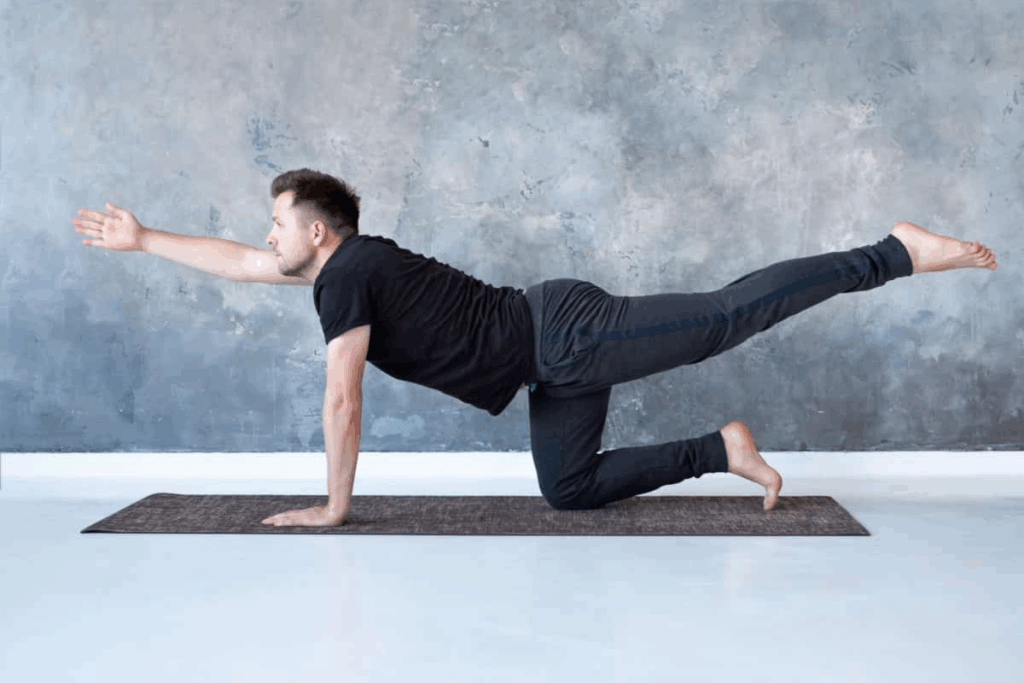
Back mobility is key to our health and daily life. Keeping our spine flexible is vital for easy movement without pain.
Our spines face many stresses daily, leading to stiffness and pain. Knowing how to keep our spine mobile is essential for a healthy back.
What Defines Optimal Spinal Mobility
Optimal spinal mobility means our spine can move freely and stay curved naturally. It combines flexibility, strength, and coordination of muscles, bones, and joints.
Key components of optimal spinal mobility include:
- Flexibility in the spinal muscles and ligaments
- Strength in the core and back muscles
- Proper alignment and movement of the spinal joints
Component | Description | Importance |
Flexibility | Allows for a full range of motion | Essential for daily activities |
Strength | Supports the spine and maintains posture | Crucial for preventing injuries |
Joint Alignment | Ensures proper movement and reduces wear | Vital for long-term spinal health |
How Modern Lifestyles Impact Your Spine
Modern life often means sitting a lot, doing the same motions, and not moving enough. This can hurt our spinal mobility. Studies show that lower back mobility stretches and mobility exercises for back can help with pain and muscle tightness.
Sitting too much tightens muscles and stiffens joints, making our spine less mobile. Doing mobility exercises for back regularly can help keep our spine healthy.
By understanding the importance of back mobility and taking steps to keep it, we can lower back pain risks and live better.
Scientific Benefits of Mobility Back Exercises

Research shows that mobility back exercises help reduce pain and improve spinal movement. These exercises are key for keeping the spine healthy.
Research-Backed Evidence on Pain Reduction
Many studies have looked into how mobility back exercises lower pain. They found that exercises that strengthen the back can greatly reduce pain. This is because they improve how well the back moves and functions.
A study on exercises for the thoracic spine showed big gains in muscle strength. This strength is vital for less pain and better spinal stability.
Long-Term Benefits for Spinal Health
Mobility back exercises also offer long-term benefits for the spine. Doing these exercises regularly can make the spine more flexible and strong over time.
The table below shows the long-term benefits of mobility back exercises:
Benefit | Description | Duration |
Improved Spinal Flexibility | Regular exercises enhance flexibility | 6-12 weeks |
Enhanced Muscle Strength | Increased strength in trunk muscles | 12 weeks |
Reduced Pain | Significant reduction in lower back pain | 8-12 weeks |
Understanding the scientific benefits of mobility back exercises helps us see their importance. They play a big role in keeping the back healthy and improving our overall well-being.
Preparing Your Body for Effective Back Stretching
To get the most out of back stretching, getting ready is key. This step not only makes your stretches better but also lowers injury risk. By doing warm-up exercises, setting up the right environment, and timing your stretches right, you can stretch safely and effectively.
Warm-Up Essentials
It’s important to warm up before stretching. A good warm-up gets blood flowing to your muscles, making them ready for stretching. Start with light cardio like jogging in place or jumping jacks for 5-10 minutes.
Then, do dynamic stretches like arm circles, leg swings, and torso twists. These help loosen your body, focusing on your back.
Creating the Optimal Environment
The place where you stretch matters a lot. Make sure it’s quiet and comfy with no distractions. The floor should be flat and not slippery. A yoga mat can help with grip and cushioning.
Also, keep the room at a comfortable temperature. This helps avoid muscle tightness.
Best Times to Perform These Exercises
When you stretch can affect how well it works. Stretching after a workout, when muscles are warm, is great. Or, stretching in the morning can boost your flexibility all day.
Stretching before bed can also help you relax and sleep better. Try different times to see what’s best for you.
By adding these steps to your routine, you’ll get more from your back stretches. You’ll stretch safer and more effectively.
Stretch 1: Cat-Cow Pose for Spinal Articulation
The Cat-Cow Pose is great for increasing spine flexibility. It’s a basic exercise that helps move your spine. It’s key for any back mobility routine.
Step-by-Step Technique
To do the Cat-Cow Pose right, follow these steps:
- Start on your hands and knees. Make sure your wrists are under your shoulders and knees under hips.
- Breathe in and arch your back. Lift your tailbone and head up (Cat Pose).
- Breathe out and round your back. Tuck your chin and tailbone down (Cow Pose).
- Do this for 5-10 times, moving slowly.
Target Areas and Benefits
The Cat-Cow Pose mainly works on spinal articulation. It makes your spine more flexible and moves better, mainly in the lower back. Doing it often can make your spine less stiff and healthier.
Benefits | Target Areas |
Improves spinal flexibility | Lumbar spine |
Reduces stiffness | Thoracic spine |
Enhances range of motion | Cervical spine |
Modifications for Different Fitness Levels
People at different fitness levels can adjust the Cat-Cow Pose:
- Beginners, start slow and do fewer reps. Increase as you get more flexible.
- Those with neck problems, skip tilting the head back in Cat Pose.
- Advanced, hold each pose a bit longer to stretch deeper.
Stretch 2: Child’s Pose for Lower Back Release
Child’s Pose is a simple yet powerful stretch for the lower back. It’s great for stretching the lumbar spine and hips. This helps reduce tension and promotes relaxation. Let’s dive into how to do Child’s Pose and why it’s good for your back.
Step-by-Step Technique
To do Child’s Pose right, follow these steps:
- Kneel on the floor with your big toes touching and your knees spread apart.
- Sit back onto your heels.
- Stretch your arms out in front of you, lowering your forehead to the ground.
- Hold this position, breathing deeply, allowing your back and hips to relax.
As you hold the pose, focus on your breathing. Let go of any tension in your lower back. “The key to benefiting from Child’s Pose lies in relaxation and patience,” as it allows your muscles to release stored tension gradually.
Target Areas and Benefits
Child’s Pose is great for stretching the lower back and hips. It gently extends the lumbar spine, reducing discomfort and improving flexibility. Regular practice can improve spinal health and reduce lower back pain.
A study found that gentle stretches like Child’s Pose can “reduce stress and improve overall well-being.”
Modifications for Different Fitness Levels
While Child’s Pose is generally easy, there are ways to make it fit your level:
- For those with tight hips or knees, placing a cushion or pillow between the buttocks and heels can provide additional comfort.
- For pregnant individuals, widening the knees or using support under the belly can make the pose more accessible.
- For those with ankle issues, flexing the feet or using a rolled towel under the ankles can alleviate strain.
By adjusting Child’s Pose to your needs, you can enjoy its benefits while minimizing discomfort.
Stretch 3: Thoracic Spine Rotation for Mid-Back Mobility
Thoracic spine rotation is a key stretch for the mid-back. It boosts flexibility and cuts down stiffness. This stretch is vital for keeping your spine mobile, which is often lost due to sitting too much.
Step-by-Step Technique
To do the thoracic spine rotation stretch, follow these steps:
- Start by sitting on the floor with your knees bent and feet flat.
- Keep your spine straight and your core tight.
- Slowly turn your torso to one side, keeping your hips facing forward.
- Use your arms to deepen the stretch by holding onto your knee or ankle.
- Hold the stretch for a few breaths and then go back to the start.
- Do the same on the other side.
Target Areas and Benefits
This stretch mainly works on the thoracic spine, making it more flexible and mobile. Doing this stretch regularly can bring many benefits, such as:
- Improved mid-back mobility
- Less stiffness and tension in the thoracic area
- Better posture
- Increased overall spinal flexibility
Adding this stretch to your routine can make your spine healthier and more flexible.
Modifications for Different Fitness Levels
The thoracic spine rotation stretch can be adjusted for different fitness levels:
- Beginners can start with a gentle rotation and increase the depth as they get more flexible.
- Advanced people can deepen the stretch by pulling their torso further with their arms.
- Those with mobility issues can do the stretch while seated on a chair, using the chair for support.
These changes make the stretch available and helpful for everyone, no matter their fitness level.
Stretch 4: Supine Twist for Lumbar Mobility
The supine twist is a great stretch for your lower back. It helps loosen up stiffness and makes your back more flexible. Adding this stretch to your routine can help ease back pain and boost your back health.
Step-by-Step Technique
To do the supine twist, lie on your back with your knees bent and feet on the floor. Let your knees fall to one side while keeping your shoulders down. Hold for a few breaths, then switch sides. Make sure to move slowly and carefully to get the most out of this stretch.
Target Areas and Benefits
This stretch mainly works on your lower back, making it more flexible and less tense. It’s really helpful for people with lower back pain caused by stiffness or limited movement. Doing this stretch regularly can help improve your spinal health and reduce pain.
Modifications for Different Fitness Levels
Beginners should start with a modified version. Keep your knees slightly bent and use a support under your lower back if needed. More experienced people can deepen the stretch by holding it longer or moving more. It’s important to listen to your body and adjust the stretch to avoid discomfort or injury.
Stretch 5: Standing Forward Fold for Complete Back Stretch
The standing forward fold is key for stretching the back fully. It boosts flexibility and cuts down on tension. It’s great because it stretches the whole back, from the neck to the lower back. This makes it a top choice for better spinal movement.
Step-by-Step Technique
To do the standing forward fold right, stand with your feet apart. Breathe in deeply, then fold forward at the hips as you breathe out. Keep your knees a bit bent to protect your lower back.
Let your arms hang loose and stretch your back. Hold for 30 seconds to a minute, breathing deeply. Then, slowly come back up to start.
Target Areas and Benefits
This stretch works on many back areas. It stretches the spine, from the top to the bottom, making it more flexible and easing muscle tightness. Doing this stretch often can help your posture, lessen back pain, and boost your movement.
It also helps calm your mind and lower stress levels.
Modifications for Different Fitness Levels
If you’re not very flexible, you can adjust the stretch. Bend your knees more to ease the strain on your lower back. Or, use a strap or towel to help you stretch further.
For those who are more advanced, try stretching deeper by straightening your knees or holding the stretch longer. This can make the stretch more effective.
Adding the standing forward fold to your stretching routine can greatly improve your back’s flexibility and spinal health. Regular practice, along with other stretches, can lead to lasting benefits like less back pain and better mobility.
Stretch 6: Thread the Needle for Rotational Mobility
The “Thread the Needle” exercise is great for any mobility routine. It targets the thoracic spine and boosts rotational mobility. It’s perfect for those who sit a lot or have jobs with repetitive tasks. It helps keep your spine flexible.
Step-by-Step Technique
To do the “Thread the Needle” stretch, follow these steps:
- Start on your hands and knees, with your wrists under your shoulders and knees under your hips.
- Put your right hand under your left arm, through the space between your left arm and knee.
- Lower your right shoulder and head to the ground, stretching your upper back.
- Hold for 30 seconds to a minute, then go back to the start.
- Do the same on the other side by putting your left hand under your right arm.
Proper technique is key to avoid muscle strain. If it hurts, stop right away.
Target Areas and Benefits
The “Thread the Needle” stretch focuses on the thoracic spine. This area is often missed in daily stretches. It boosts spinal flexibility and lowers injury risk.
“The thoracic spine is a critical area for rotational movement, and exercises like ‘Thread the Needle’ can significantly improve flexibility and reduce stiffness.”
This stretch also relaxes shoulder muscles and improves posture.
Modifications for Different Fitness Levels
Beginners or those with limited mobility can try a modified version:
- Stretch less deeply.
- Use a block or cushion for support under the shoulder or head.
Advanced practitioners can stretch longer or add a twist for more benefits.
Adding the “Thread the Needle” stretch to your routine improves mobility exercises for back. It boosts spinal health. Regular practice leads to better lower back mobility and less stiffness.
Stretch 7: Cobra Pose for Spine Flexibility
Cobra Pose is great for improving lower back mobility. It strengthens the back and boosts flexibility in the thoracic spine. This helps keep your spine healthy.
Step-by-Step Technique
To do Cobra Pose right, follow these steps:
- Lie on your stomach with your hands under your shoulders.
- Press your palms into the ground and slowly lift your chest off the mat.
- Keep your shoulders down and away from your ears.
- Engage your back muscles to support your body.
- Hold the pose for 15-30 seconds, breathing deeply.
Target Areas and Benefits
Cobra Pose mainly works on the thoracic spine. It makes it more flexible and strengthens the back. Doing it regularly can help:
- Improve your posture
- Boost lower back mobility
- Lower the chance of back pain
Adding Cobra Pose to your routine can bring these benefits. It also makes your lumbar mobility exercises more effective.
Modifications for Different Fitness Levels
To fit Cobra Pose for all fitness levels, try these changes:
Fitness Level | Modification |
Beginner | Keep your chest slightly lifted and focus on stretching the upper back. |
Intermediate | Lift your chest higher, engaging your back muscles more intensely. |
Advanced | Lift your chest and legs off the ground, maximizing the stretch. |
Adjusting Cobra Pose to your fitness level lets you enjoy its benefits safely. It helps improve your spine flexibility.
Stretch 8: Bridge Pose for Lower Back Mobility Exercises
The bridge pose is a simple yet powerful stretch. It can greatly improve lower back mobility. By strengthening the muscles that support the lower back, this exercise can help reduce pain and enhance overall spinal health.
Step-by-Step Technique
To perform the bridge pose effectively, follow these steps:
- Lie on your back with your knees bent and feet flat on the floor, hip-width apart.
- Place your arms at your sides with your palms facing down.
- Engage your core and glutes as you slowly lift your hips towards the ceiling.
- Keep your knees in line with your hips and avoid arching your back.
- Hold the position for a few breaths, then gently lower your hips back down.
Target Areas and Benefits
The bridge pose targets the lower back muscles, glutes, and hamstrings. Regular practice can improve flexibility, reduce lower back pain, and enhance overall mobility.
Modifications for Different Fitness Levels
Beginners should start with a modified version. Lift your hips slightly and gradually increase the height as flexibility improves. For more advanced practitioners, add a resistance band or pause at the top of the movement to increase the challenge.
Incorporating the bridge pose into your stretching routine can help you achieve a complete back stretch and improve back flexibility.
Conclusion
Adding the eight essential stretches to your daily routine can greatly improve your back mobility. It also helps reduce lower back pain. Regular stretching boosts your spinal health, lowering the chance of future back issues.
We’re here to help you on your health journey with reliable info and care. By doing these stretches, you’re taking a step towards a healthy spine. This improves your overall well-being.
Our aim is to give you the tools and knowledge for a healthy spine. By making these stretches a part of your day, you’ll have a more flexible back. This reduces the risk of back problems.
FAQ
What are the benefits of improving back mobility?
Better back mobility can ease lower back pain. It also boosts spinal health and lowers the chance of future back issues. Plus, it makes you more flexible, less stiff, and helps you stand up straighter.
How often should I perform these back stretches?
Try to do these stretches every day, at least three times a week. Staying consistent is key to better back mobility and less stiffness.
Can I perform these stretches if I have a pre-existing back condition?
If you have a back problem, talk to a doctor before starting these stretches. They can adjust the stretches to fit your needs and abilities.
How long does it take to see improvements in back mobility?
Seeing improvements in back mobility varies. It depends on how often and consistently you practice, and the severity of your back condition. Generally, you’ll start noticing changes in a few weeks.
What is the best way to stretch the lower back?
Good stretches for the lower back include child’s pose, supine twist, and bridge pose. These stretches can ease tension, boost flexibility, and cut down on stiffness in the lower back.
How can I increase spine flexibility?
To boost spine flexibility, mix different stretches into your routine. Try cat-cow pose, thoracic spine rotation, and cobra pose. Regular practice and gentle increases can improve spinal flexibility over time.
Are there any specific precautions I should take when performing back stretches?
Yes, warm up before stretching, listen to your body, and avoid bouncing or forcing beyond what feels right. If you feel sharp pain or discomfort, stop right away and see a doctor.
Can back mobility exercises help reduce back pain?
Yes, research shows that mobility exercises can lessen back pain. They improve flexibility, reduce stiffness, and support better spinal health.
How do I maintain optimal spinal mobility?
To keep your spine mobile, stretch regularly, strengthen, and maintain good posture. By adding the stretches from this article to your daily routine, you can keep your spine healthy and avoid future back problems.
What are some common mistakes to avoid when stretching the back?
Avoid bouncing, forcing beyond what feels right, and skipping warm-ups before stretching. Also, listen to your body and stop if you feel sharp pain or discomfort.
References
No suitable reference found.