
It’s important to know the differences between allopurinol 100 mg and 300 mg for treating gout. Making informed choices is key to better patient care. Explaining the key differences between allopurinol 100 mg vs 300 mg dosing, focusing on initiation and maintenance therapy.
The 100 mg dose is often the first choice for treatment. On the other hand, the 300 mg dose is for keeping the condition under control. This shows they have different roles in fighting high uric acid levels.
At Liv Hospital, we help you understand allopurinol therapy options. We make sure your gout is managed well. Our team is here to offer you the best care and support.
Key Takeaways
- Allopurinol is available in 100 mg and 300 mg tablet formulations.
- The 100 mg dose is used as a starting point for therapy.
- The 300 mg dose is used for maintenance therapy.
- Understanding the differences between dosages is key for managing gout.
- Liv Hospital offers expert advice on allopurinol therapy options.
Understanding Allopurinol and Its Medical Purpose
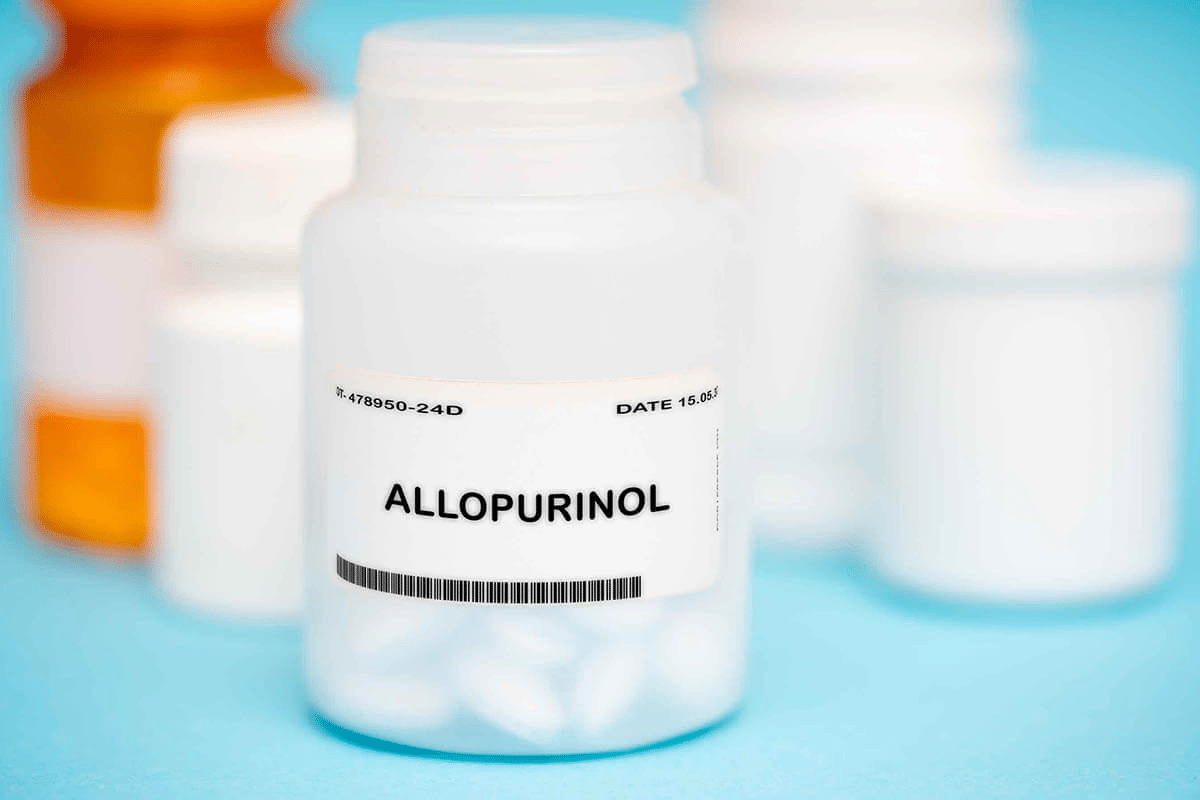
Allopurinol is key in managing high uric acid levels. It works by blocking the production of uric acid. This makes it important for treating conditions linked to too much uric acid.
What is Allopurinol?
Allopurinol is a drug that stops the body from making too much uric acid. It’s used mainly for treating gout and high uric acid levels. “Allopurinol has been a cornerstone in the management of gout and hyperuricemia for many years,” as it effectively lowers serum uric acid levels.
Mechanism of Action in Hyperuricemia
Allopurinol blocks the enzyme xanthine oxidase, which makes uric acid. By doing this, it decreases uric acid production. This helps prevent the formation of urate crystals that cause gout attacks.
FDA-Approved Indications
Allopurinol is approved by the FDA for treating high uric acid levels and gout. It’s also used to prevent kidney damage from uric acid during chemotherapy. Its effectiveness in managing these conditions makes it a trusted treatment option for patients with hyperuricemia.
Allopurinol is essential in managing hyperuricemia and gout. Its way of working and FDA approval make it a key treatment for these conditions.
Allopurinol 100 mg vs 300 mg: Fundamental Differences
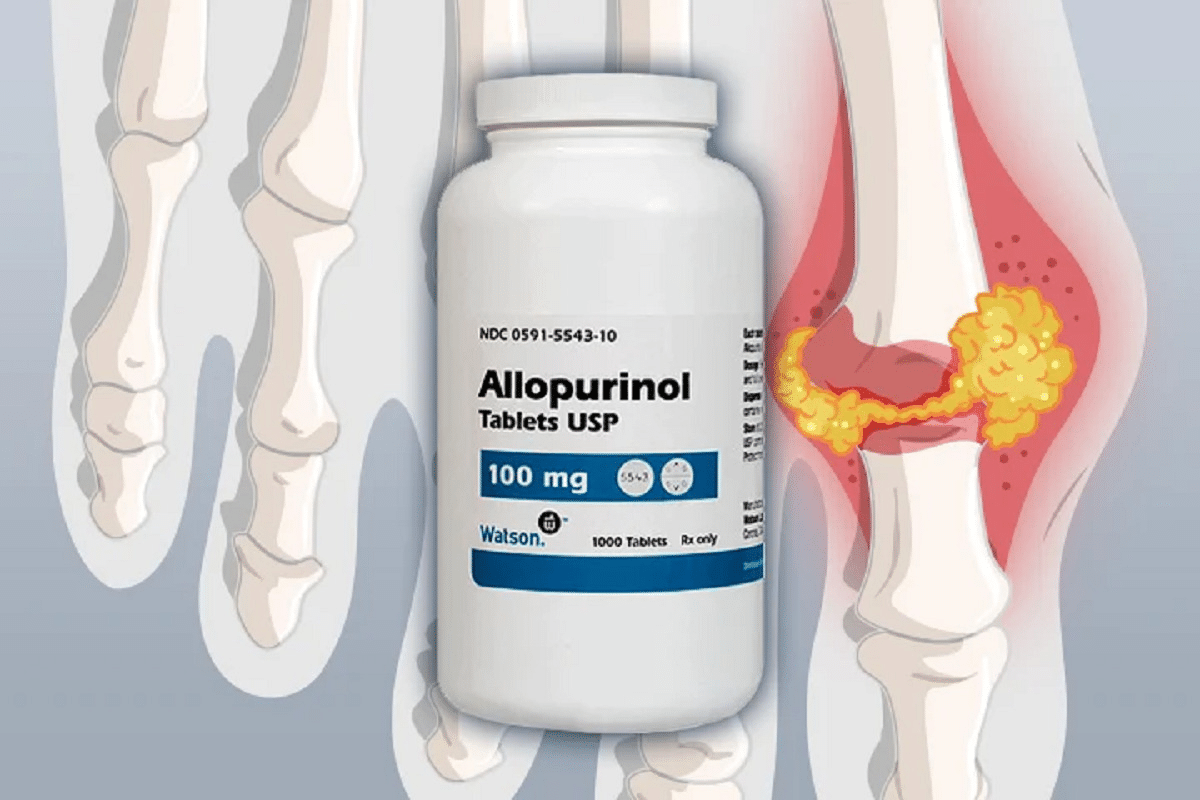
Allopurinol 100 mg and 300 mg tablets are not just about dosage. They mark different stages in patient care. It’s key for doctors to understand these differences to treat patients right.
Tablet Formulation Comparison
Allopurinol tablets come in various strengths to meet patient needs. The 100 mg and 300 mg tablets differ in strength and how they’re made.
Here’s a table showing the main differences in the tablets:
|
Characteristics |
Allopurinol 100 mg |
Allopurinol 300 mg |
|---|---|---|
|
Tablet Strength |
100 mg |
300 mg |
|
Color and Shape |
Typically white, round |
Often scored, oval |
|
Scoring |
Not always scored |
Often scored for easy splitting |
Active Ingredient Concentration
The main ingredient in Allopurinol tablets is Allopurinol. The amount in the 100 mg and 300 mg tablets matches their strengths.
Key Point: The 300 mg tablet has three times more Allopurinol than the 100 mg tablet. It’s better for more serious cases or when patients need a stronger dose.
Prescription Patterns in the United States
In the U.S., doctors often prescribe Allopurinol for gout and high uric acid levels. They choose between 100 mg and 300 mg based on the treatment stage and how the patient responds.
“The initial dosage of Allopurinol is typically 100 mg daily, which can be gradually increased until the desired serum uric acid level is achieved. The 300 mg dosage is commonly used for maintenance therapy.”
Doctors in the U.S. usually start with 100 mg for the first treatment. They then increase the dose as needed. The 300 mg dose is often used for ongoing treatment, making it easier for patients to take once a day.
Pharmacokinetic Properties by Dosage
To get the most out of allopurinol, understanding its pharmacokinetics at different doses is key. The 100 mg and 300 mg doses have different absorption, bioavailability, and elimination rates.
Absorption and Bioavailability Differences
Allopurinol is taken by mouth, and how it’s absorbed is important. Studies show it’s absorbed quickly, with bioavailability between 80% to 90% for both doses. But, how fast and how much it’s absorbed can change based on stomach movement and food intake.
Both doses have high bioavailability, meaning most of the drug is absorbed. The peak plasma concentrations are reached in 1.5 to 3 hours for both, showing fast absorption.
Peak Plasma Concentrations
The peak plasma concentrations of allopurinol are key. They show how well the drug works and its side effects. For both doses, peak levels are reached in 1.5 to 3 hours, showing quick absorption.
But, the peak levels are much higher for the 300 mg dose than the 100 mg dose. This makes sense because the 300 mg dose is larger.
Half-Life and Elimination Patterns
The half-life of allopurinol and its metabolite, oxypurinol, is very important. Allopurinol’s half-life is about 1 to 2 hours. But, oxypurinol’s half-life is much longer, from 15 to 23 hours.
Most of allopurinol and oxypurinol is removed by the kidneys, with a small amount in feces. Oxypurinol’s long half-life means allopurinol can be taken once a day. This makes it easier for patients to stick to their treatment.
The 100 mg Dosage: Starting Treatment Protocol
Starting with 100 mg of allopurinol is common for new patients. This dose is key for managing high uric acid levels and gout.
Initial Therapy Guidelines
Begin with 100 mg of allopurinol daily for new users. This dose is usually safe and allows for adjustments. Guidelines suggest keeping this dose for a while before making changes.
Weekly Titration Strategy
Increasing the dose weekly is a common approach. Each week, the dose goes up by 100 mg. This slow increase helps avoid side effects and lets doctors watch how the patient reacts.
For example, a patient might start with 100 mg, then go to 200 mg after a week. If needed, they might increase to 300 mg after the second week. This method is flexible and based on how well the patient does.
Monitoring During Initiation Phase
It’s vital to watch closely during the start of treatment. We check serum uric acid levels, kidney function, and any side effects. This helps doctors adjust the treatment as needed.
It’s also key to teach patients about possible side effects and the need to follow the treatment plan. This helps make the treatment more effective and improves patient results.
The 300 mg Dosage: Maintenance Therapy Benefits
The 300 mg dosage of allopurinol is key in maintenance therapy. It’s given once a day, making it easier for patients to stick to their treatment. This dosage helps in managing gout over the long term, making treatment more effective.
Transition from Starting to Maintenance Dose
Switching to the 300 mg dose is a big step in managing gout. This change is based on how well the patient responds to the initial treatment and their uric acid levels. It’s important to keep an eye on these levels to find the right dose for long-term care.
Doctors adjust the dose based on how well the patient is doing and how they react to the medicine. They aim to keep uric acid levels below 6 mg/dL. This helps prevent gout attacks and manage the condition well.
Single Daily Dosing Advantages
The 300 mg allopurinol dose is given once a day. This makes it easier for patients to follow their treatment plan. Sticking to the treatment is key to managing chronic gout effectively.
Once-a-day dosing also keeps uric acid levels steady. This is important for preventing gout attacks. It makes it easier for doctors to help patients manage their condition better.
Long-Term Management Considerations
Long-term use of allopurinol 300 mg involves several factors. These include the patient’s kidney function, any drug interactions, and other health conditions. Regular check-ups are needed to adjust the treatment plan as necessary.
Teaching patients about their treatment is also important. They need to know why sticking to their medication is important. They should also learn about lifestyle changes and possible side effects of allopurinol. This knowledge helps improve treatment results.
Clinical Efficacy Comparison Between Dosages
Allopurinol dosages of 100 mg and 300 mg have different effects. The higher dose is better at managing high uric acid levels and gout symptoms.
Research on Serum Uric Acid Control
Both doses can lower serum uric acid levels. But, the 300 mg dose does it more effectively. This is key for stopping gout flares.
Here’s a table showing the results of clinical trials:
|
Dosage |
Mean Reduction in Serum Uric Acid |
Percentage of Patients Achieving Target Levels |
|---|---|---|
|
100 mg |
3.5 mg/dL |
60% |
|
300 mg |
5.2 mg/dL |
85% |
Time to Therapeutic Effect
The 300 mg dose works faster than the 100 mg dose. It quickly lowers serum uric acid levels.
Key findings include:
- The 300 mg dose reaches therapeutic levels significantly faster than the 100 mg dose.
- Patients on the 300 mg regimen tend to have better adherence due to the convenience of a single daily dose.
Gout Flare Prevention Outcomes
Preventing gout flares is a main goal of allopurinol therapy. The 300 mg dose is more effective than the 100 mg dose in this area.
Patients on the 300 mg regimen see a significant reduction in gout flare frequency. This is because the higher dose lowers serum uric acid levels more.
Managing Severe and Tophaceous Gout
Managing severe and tophaceous gout needs a special approach to allopurinol dosing. Severe and tophaceous gout have high serum uric acid levels and frequent flares. Allopurinol, a xanthine oxidase inhibitor, is a key treatment for chronic gout.
Dosing Requirements Beyond 300 mg
For severe and tophaceous gout, the usual 300 mg dose of allopurinol might not be enough. In such cases, dosing may need to be escalated beyond 300 mg, sometimes up to 400 mg, 600 mg, or even higher, under close medical supervision.
The goal is to lower serum uric acid levels to less than 6 mg/dL. This helps dissolve tophi and prevent more uric acid crystal formation. The dose increase should be slow, watching for how well it works and how it’s tolerated.
Divided Dosing Strategies
In some cases, divided dosing strategies are used to improve allopurinol’s effectiveness. This means splitting the daily dose into smaller amounts. It helps keep serum uric acid levels steady throughout the day.
But, once-daily dosing is often preferred for its simplicity and better patient adherence. The choice between divided and once-daily dosing depends on the patient’s needs and how they respond to treatment.
Monitoring Parameters for Higher Doses
When using higher doses of allopurinol, it’s important to watch patients closely for any adverse effects. Key monitoring parameters include serum uric acid levels, renal function, and liver enzymes.
- Serum uric acid levels should be regularly checked to ensure that the treatment is effectively reducing uric acid levels.
- Renal function monitoring is important because allopurinol is excreted by the kidneys, and impaired renal function can affect drug clearance.
- Liver enzymes should be monitored due to the possible risk of hepatotoxicity associated with allopurinol.
By adjusting the allopurinol dose carefully and monitoring patients closely, we can manage severe and tophaceous gout well. This improves patient outcomes and quality of life.
Side Effect Profiles and Safety Considerations
Allopurinol’s safety is key for doctors treating patients with high uric acid levels. It’s important to know the side effects linked to different doses.
Dose-Dependent Adverse Reactions
Allopurinol can cause side effects that depend on the dose. Common issues include rash, stomach problems, and high liver enzymes. The risk of these problems often goes up with higher doses.
A study showed that the 100 mg dose was mostly safe, but the 300 mg dose raised the risk of side effects. It’s wise to adjust the dose carefully to avoid these issues.
Gastrointestinal Tolerability Comparison
Stomach problems like nausea and diarrhea can happen with allopurinol. The 300 mg dose slightly ups the risk of these issues. But, these problems are usually not too bad and can be managed with the right care and watch.
To lessen stomach side effects, it’s best to take allopurinol with food. Also, keep an eye out for any signs of stomach trouble.
Hypersensitivity Risk Assessment
Even though rare, hypersensitivity reactions to allopurinol can be serious. Watch for signs like rash or fever in patients starting allopurinol. The risk isn’t just about the dose, but also about who takes it.
It’s vital to stop allopurinol right away if you think someone is having a hypersensitivity reaction. This can help avoid serious problems.
Special Patient Populations and Dosage Adjustments
When treating patients with allopurinol, it’s key to adjust doses for special groups. These adjustments ensure the drug works well and is safe for everyone.
Renal Impairment Guidelines
Patients with kidney problems need special care with allopurinol. The drug mainly leaves the body through the kidneys. If kidneys don’t work well, the drug can build up, raising the risk of side effects.
We start with a lower dose for these patients. Then, we slowly increase it based on kidney function and uric acid levels.
It’s very important for patients with kidney function under 60 mL/min. Keeping a close eye on kidney health is vital to prevent harm.
Elderly Patient Recommendations
Elderly patients often face more health challenges and take many medicines. When deciding on allopurinol dose, we consider their overall health and any drug interactions.
For elderly patients, we start with the smallest dose. It’s important to regularly check kidney function and uric acid levels.
Hepatic Dysfunction Considerations
Even though allopurinol isn’t mainly broken down by the liver, liver problems can affect its safety and effectiveness. We use caution in patients with liver disease.
Regular liver function tests are a must for those with liver issues on allopurinol. We might need to adjust the dose based on liver health.
Conclusion: Selecting the Appropriate Allopurinol Regimen
Choosing the right allopurinol dosage is key for patients. It’s important to know the difference between 100 mg and 300 mg. The right choice depends on the patient’s treatment stage and needs.
The 100 mg dosage is often the starting point. It allows for gradual increases to find the best dose. This helps avoid side effects.
The 300 mg dosage is for keeping treatment going. It’s a single dose a day. This makes it easier for patients to stick with their treatment plan.
Healthcare providers need to know how each dosage works. They must consider the patient’s kidney function, other medicines, and health conditions. This way, they can choose the best dosage for each patient.
Choosing the right dosage is all about the patient. It’s about making treatment work best for them. This improves their life quality, whether they have gout or other conditions.
FAQ
What is the primary difference between allopurinol 100 mg and 300 mg?
The main difference is in dosage strength. The 100 mg is for starting treatment and adjusting doses. The 300 mg is for keeping treatment going in managing high uric acid levels.
How does allopurinol work in managing hyperuricemia?
Allopurinol blocks the enzyme xanthine oxidase. This enzyme helps make uric acid. By blocking it, allopurinol lowers uric acid levels and stops gout attacks.
What are the FDA-approved indications for allopurinol?
The FDA says allopurinol is good for managing high uric acid levels in gout. It also helps prevent kidney damage from uric acid.
How do prescription patterns for allopurinol 100 mg and 300 mg vary in the United States?
Doctors often start with 100 mg and then increase the dose. The 300 mg is for those who need more to control their uric acid levels.
What are the pharmacokinetic differences between allopurinol 100 mg and 300 mg?
The way the body absorbs and uses both dosages is similar. But, small differences can happen because of how they are made.
How should therapy be initiated with allopurinol 100 mg?
Start with a low dose of 100 mg. Then, increase it a little each week. This helps avoid bad reactions and gout attacks.
What are the benefits of using allopurinol 300 mg for maintenance therapy?
Taking 300 mg once a day is easier for patients. It keeps uric acid levels in check well.
How do the clinical efficacies of allopurinol 100 mg and 300 mg compare?
Both dosages work well for managing high uric acid levels. But, 300 mg is better at keeping levels low and preventing gout attacks.
What are the considerations for managing severe and tophaceous gout with allopurinol?
For severe gout, doctors might use more than 300 mg. They might also split the dose. It’s important to watch uric acid levels and watch for bad reactions.
What are the side effect profiles of allopurinol, and how do they compare between the 100 mg and 300 mg dosages?
Side effects are similar for both dosages. But, the risk of bad reactions might depend on the dose. How well the stomach can handle it might also differ.
How should allopurinol be dosed in patients with renal impairment?
Patients with kidney problems need a lower dose. The dose should be adjusted based on how well the kidneys work to avoid bad reactions.
Are there any special considerations for elderly patients taking allopurinol?
Older patients might need a lower dose because their kidneys work less well with age. It’s important to watch for bad reactions closely.
How does hepatic dysfunction affect allopurinol dosing?
Allopurinol is mostly removed by the kidneys. But, liver problems need careful watching. Usually, you don’t need to change the dose unless kidney problems also exist.
Reference
National Center for Biotechnology Information. Allopurinol 100mg vs 300mg: Dosing Differences in Gout Treatment. Retrieved fromhttps://pmc.ncbi.nlm.nih.gov/articles/PMC8915170/