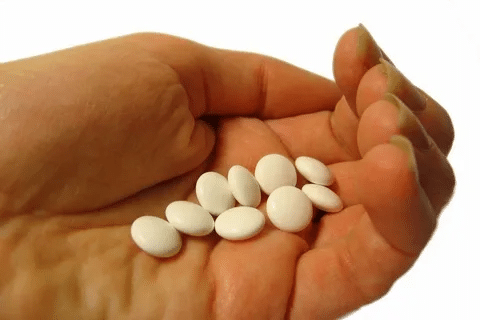
Do you often get joint pain attacks or worry about kidney stones because of high uric acid? Allopurinol is a well-trusted solution by doctors for nearly 60 years. Defining theallopurinol generic name and explaining its primary uses and mechanism of action for gout treatment.
This important medicine cuts down uric acid in your body. It stops the crystals that lead to gout pain and kidney harm.
At Liv Hospital, we know how key it is to keep uric acid levels in check. Allopurinol tab is a common choice, with allopur 300 among the options.
Key Takeaways
- Allopurinol is a xanthine oxidase inhibitor used to treat gout and prevent kidney stones.
- It works by reducing uric acid production in the body.
- Available in multiple allopurinol tablet strengths, including 100 mg and 300 mg.
- Trusted by healthcare providers for nearly six decades.
- Used to manage elevated uric acid levels caused by chemotherapy.
Understanding Allopurinol Generic Name and Classification
It’s key for healthcare providers to know about Allopurinol. This knowledge helps them manage patients with gout and high uric acid levels. We’ll look into what Allopurinol is, its type, and how it comes in different forms.
What Is Allopurinol?
Allopurinol is a drug that stops the body from making too much uric acid. It’s part of a group called xanthine oxidase inhibitors. By stopping the production of uric acid, it helps with gout and prevents kidney stones.
Classification as a Xanthine Oxidase Inhibitor
Allopurinol works by blocking the production of uric acid. This is important because it shows how the drug works. It stops the body from turning hypoxanthine into uric acid, which lowers uric acid levels.
Available Brand Names and Formulations
Allopurinol comes in tablets of 100 mg and 300 mg. The allopurinol 300 mg is good for treating serious gout. There are also generic versions that are cheaper. Brands like Zyloprim and Allopur 300 are used in different places.
Having different strengths and types helps doctors find the best treatment for each patient. This ensures the right level of uric acid and helps with related health issues.
Primary Medical Uses of Allopurinol

Allopurinol is a versatile medication used for several health issues. It helps manage conditions linked to too much uric acid. This includes treating and preventing gout, managing uric acid stones, and controlling high uric acid levels during chemotherapy.
Treatment and Prevention of Gout
Allopurinol is key in managing gout. Gout is caused by high uric acid levels, leading to painful joints. By lowering uric acid, Allopurinol stops gout attacks and eases chronic symptoms.
Prevention of Uric Acid Kidney Stones
Allopurinol also prevents uric acid stones. It lowers uric acid in urine, reducing stone risk. This helps avoid the pain and damage from uric acid stones.
Management of Hyperuricemia During Chemotherapy
Allopurinol is vital for managing high uric acid levels during cancer treatment. Chemotherapy can cause uric acid to rise, harming kidneys. Allopurinol cuts down uric acid production, protecting kidneys.
Other Medical Applications
Allopurinol is also studied for managing high blood pressure and heart diseases. Yet, these are not its main uses.
|
Condition |
Allopurinol’s Role |
Benefits |
|---|---|---|
|
Gout |
Treatment and Prevention |
Reduces frequency of gout attacks, alleviates chronic symptoms |
|
Uric Acid Kidney Stones |
Prevention |
Lowers risk of stone formation |
|
Hyperuricemia during Chemotherapy |
Management |
Reduces risk of kidney damage due to high uric acid levels |
How Allopurinol Works in the Body
Allopurinol stops the enzyme xanthine oxidase from working. This is key to its role in treating gout and other conditions.
Mechanism of Action as a Xanthine Oxidase Inhibitor
Allopurinol blocks the enzyme xanthine oxidase. This enzyme is important for making uric acid. Xanthine oxidase turns hypoxanthine into xanthine and then xanthine into uric acid. By stopping this enzyme, Allopurinol cuts down uric acid production in the body.
Metabolic Pathway Interference
Allopurinol targets the metabolic pathway involving xanthine oxidase. It stops uric acid crystals from building up in joints, which is a sign of gout. This action is key to reducing gout attacks.
Reduction of Uric Acid Production
By stopping xanthine oxidase, Allopurinol lowers uric acid production. This is vital for managing high uric acid levels and preventing kidney stones. Lowering uric acid helps ease gout symptoms and other related issues.
Timeframe for Therapeutic Effect
The effects of Allopurinol are not seen right away. It may take weeks for its full benefits to show. Patients should keep taking their medicine as told by their doctor, even if they don’t feel better right away.
“Allopurinol is a key treatment for gout and related conditions,” say doctors. It greatly reduces uric acid production and symptoms. Understanding how Allopurinol works helps patients see its benefits and stick to their treatment plans.
Available Dosage Forms and Strengths
Allopurinol comes in different tablet strengths. This variety is key for treating gout and hyperuricemia well.
Allopurinol Tablet 100 mg Specifications
The 100 mg tablet is great for starting treatment or for those needing a smaller dose. These 100 mg tablets are scored. This makes it simple to split the dose if necessary.
Allopurinol 300 mg Formulation
Most patients take a 300 mg dose for ongoing treatment. This higher dose means fewer tablets a day. It helps patients stick to their treatment plan.
Other Formulations (Allopur 300, Puribel 300)
Allopur 300 and Puribel 300 are also 300 mg. They work the same as generic Allopurinol 300 mg. The choice depends on what’s available, cost, and what the patient prefers.
Differences Between Generic and Brand Name Products
Generic and brand name Allopurinol have the same active ingredient. But, inactive ingredients can differ. These differences might affect how the drug is absorbed or tolerated by some.
|
Dosage Strength |
Common Use |
Notable Brands |
|---|---|---|
|
100 mg |
Initial dosing or low-dose therapy |
Allopurinol Accord |
|
300 mg |
Maintenance therapy |
Allopur 300, Puribel 300 |
Proper Dosing and Administration Guidelines
Getting the right dose of Allopurinol is key to its success. It’s usually taken by mouth. The amount needed varies from person to person, based on how well they respond to the treatment.
Initial Dosing Protocols
The first dose for gout treatment is 100 mg a day. This dose goes up by 100 mg each week. This slow increase helps avoid sudden gout attacks.
For those with mild gout, 200 to 300 mg a day is common. Those with severe gout might need up to 600 mg a day. This is split into two or three doses.
Maintenance Dosing Considerations
After reaching the right uric acid level, the dose may change. It’s important to keep checking uric acid levels. This ensures the dose is right to prevent gout and kidney stones.
For those on 300mg Allopurinol, watching kidney function is critical. Adjusting the dose helps avoid toxicity.
Dosage Adjustments for Specific Conditions
People with kidney problems need a lower dose. This prevents too much Allopurinol and its byproducts. For those on dialysis, the dose should be given after dialysis.
Timing and Food Considerations
Allopurinol can be taken with or without food. Taking it after meals might ease stomach upset. It’s best to take it at the same time every day for consistent levels.
To prevent gout attacks early on, doctors might prescribe colchicine or NSAIDs.
Potential Side Effects and Adverse Reactions
Patients taking Allopurinol should know about possible side effects. This medication is usually well-tolerated but can cause various effects, from mild to severe.
Common Side Effects
Some common side effects of Allopurinol include:
- Skin rash
- Diarrhea
- Nausea
These side effects are usually mild and may go away on their own. But, if they don’t get better or get worse, you should talk to a doctor.
Serious Adverse Reactions
Though rare, Allopurinol can cause serious problems, including:
- Stevens-Johnson syndrome
- Toxic epidermal necrolysis
- Drug reaction with eosinophilia and systemic symptoms (DRESS)
These serious conditions can be life-threatening and need immediate medical help.
Risk Factors for Adverse Reactions
Some factors can make you more likely to have bad reactions to Allopurinol, such as:
- Pre-existing kidney disease
- Using other medications at the same time
- Having allergies to Allopurinol or its parts
If you have these risk factors, your doctor should keep a close eye on you.
Managing and Reporting Side Effects
If you have side effects from Allopurinol, it’s important to:
- Tell your doctor right away
- Follow their advice on handling the side effects
- Never change your dosage without a doctor’s say-so
Knowing about side effects and acting early can help you get the most out of Allopurinol treatment.
Contraindications and Drug Interactions
It’s important to know the contraindications and drug interactions of Allopurinol for safe use. Allopurinol treats gout and high uric acid levels. But, it has its own set of precautions.
When Allopurinol Should Not Be Used
Allopurinol is not for those who had severe allergic reactions to it before. Also, people with certain health issues should avoid it or use it carefully. Always talk to a doctor first.
Medications That Interact with Allopurinol
Allopurinol can interact with many drugs, causing bad side effects or making them less effective. It can raise levels of azathioprine and mercaptopurine, leading to toxicity. It also increases the risk of bleeding when taken with warfarin.
It also interacts with some antibiotics and diabetes medications. Always check all your medications before starting Allopurinol.
Special Precautions for Certain Populations
Some groups need extra care with Allopurinol. For example, those with kidney problems might need a different dose. Pregnant or breastfeeding women should also be cautious.
People with liver disease should be watched closely. Regular check-ups with a doctor are key to safe use.
Monitoring and Long-Term Management
Monitoring and long-term management are key for patients on Allopurinol. We focus on a detailed approach to get the best results and reduce side effects.
Laboratory Tests and Monitoring
Regular lab tests are vital to check uric acid levels and side effects. We suggest:
- Regular liver function tests to catch any liver problems
- Complete Blood Count (CBC) to watch for bone marrow issues
- Uric acid tests to see if treatment is working
- Renal function tests to check kidney health
These tests help us adjust the treatment and solve any problems quickly.
Target Uric Acid Levels
The main goal of Allopurinol is to lower uric acid levels. We aim for:
- Uric acid levels below 6 mg/dL for most patients
- Stricter targets for those with severe gout or frequent attacks
Regular checks help us hit and keep these targets, improving patient results.
Duration of Therapy
Allopurinol treatment is often long-term, sometimes for life. We look at:
- Gout or hyperuricemia severity
- Presence of tophi or kidney stones
- How well the treatment works and how well the patient tolerates it
Sticking with treatment long-term is key for lasting benefits.
Lifestyle Modifications While Taking Allopurinol
Medication is just part of managing gout and hyperuricemia. We also recommend:
- Keeping a healthy weight through diet and exercise
- Drinking lots of water
- Avoiding foods high in purines, like organ meats and some seafood
- Limiting alcohol, mainly beer and liquor
Combining Allopurinol with these lifestyle changes helps patients control their condition better and enjoy a better life.
When taking Allopurinol tablets, 100 mg or other doses, following the treatment plan and attending regular check-ups is critical. This way, we can adjust the treatment as needed and address any issues quickly.
Conclusion: The Role of Allopurinol in Modern Medicine
Allopurinol is key in treating gout and other hyperuricemia-related conditions. It’s a widely used and effective drug. Knowing what Allopurinol treats and its generic name helps us see its value in patient care.
This medication cuts down uric acid production. It’s vital for treating gout and preventing kidney stones. Healthcare providers use it to manage hyperuricemia during chemotherapy and other treatments.
Allopurinol’s proven safety and effectiveness make it a top choice for long-term use. It’s important to follow the right dosage, monitor its effects, and educate patients. This way, we can get the most benefits while avoiding side effects.
Using Allopurinol in care plans helps improve patient outcomes and quality of life. Its role in modern medicine shows how treatments for complex conditions keep evolving. We depend on its benefits to help our patients.
FAQ
What is Allopurinol used to treat?
Allopurinol treats gout and prevents kidney stones. It also helps manage high uric acid levels during chemotherapy. It works by reducing uric acid production in the body.
Is Allopurinol a diuretic?
No, Allopurinol is not a diuretic. It is a xanthine oxidase inhibitor that lowers uric acid production.
What are the common side effects of Allopurinol?
Side effects include rash, stomach issues, and liver problems. Serious reactions can happen, so patients need close monitoring.
How does Allopurinol work in the body?
Allopurinol blocks the metabolic pathway to cut down uric acid production. It stops the enzyme xanthine oxidase, key in making uric acid.
What are the available dosage forms and strengths of Allopurinol?
Allopurinol comes in many forms and strengths. This includes 100 mg and 300 mg tablets, as well as allopur 300 and puribel 300.
How should Allopurinol be dosed and administered?
Dosage and how to take Allopurinol vary based on the patient’s health. Follow the initial and maintenance dosing, and adjust for specific conditions.
Can Allopurinol interact with other medications?
Yes, Allopurinol can interact with some medications. This includes azathioprine and mercaptopurine. Always tell your doctor about all medications you’re taking.
What are the contraindications for Allopurinol?
Allopurinol is not for those with severe hypersensitivity reactions to it. Use it with caution in patients with kidney or liver disease.
How is Allopurinol therapy monitored?
Regular lab tests, like uric acid and liver function tests, are needed. Lifestyle changes, like diet, may also be suggested.
What is the generic name of Allopurinol?
The generic name is Allopurinol. It’s sold under various brand names and formulations.
Reference
National Center for Biotechnology Information. Allopurinol: Identifiers, Uses, and Management of Hyperuricemia. Retrieved from https://www.ncbi.nlm.nih.gov/books/NBK499942/