
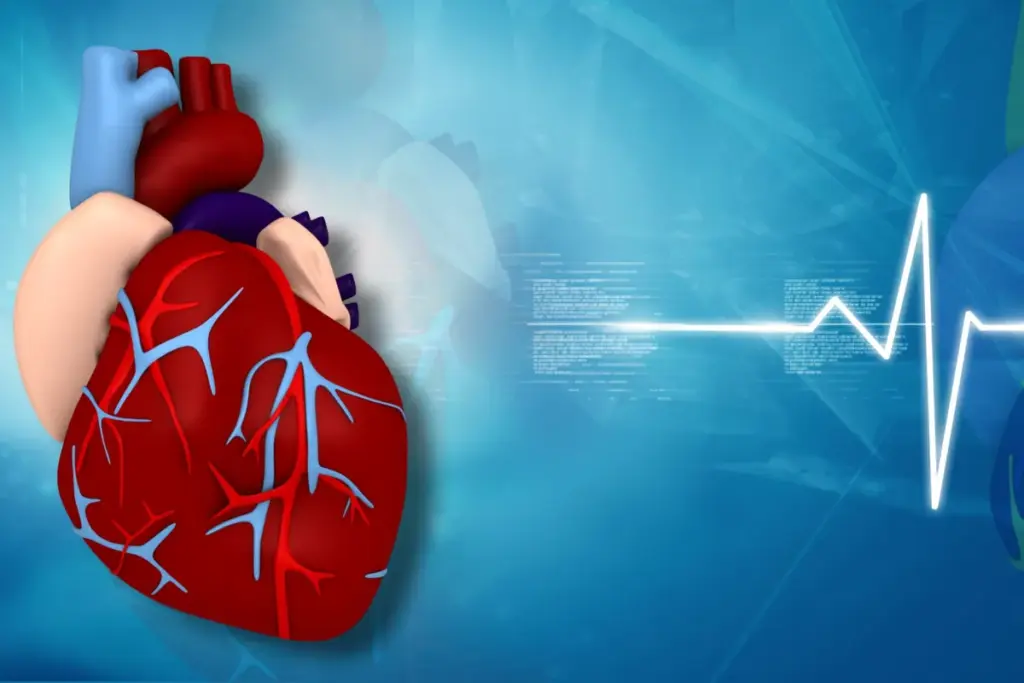
Did you know that arrhythmia affects millions of people worldwide? It causes irregular heartbeats that can lead to serious problems if not handled right. It’s key to know the lifestyle limitations of arrhythmia to manage it well and avoid more heart damage.
Living with a heart rhythm disorder can be tough. There are restrictions on daily activities needed to keep your heart healthy. By knowing what to avoid and making lifestyle changes, you can lessen symptoms and live better.
How does it feel? Understand the key arrhythmia symptoms sensations so you can be alert to abnormal heart rhythms.
Key Takeaways
- Understand the importance of managing arrhythmia effectively
- Learn about the lifestyle changes necessary for heart health
- Discover the daily activity restrictions that can help prevent complications
- Find out how to modify your lifestyle to reduce symptoms
- Improve your overall quality of life with arrhythmia
Understanding Arrhythmia and Its Impact on Daily Life

It’s important to know about arrhythmia to manage its effects on daily life. Arrhythmias, or irregular heartbeats, can affect people differently. Their severity and impact on quality of life vary.
Arrhythmias are divided into types based on their severity and where they occur in the heart. The American Heart Association lists several types, including atrial fibrillation and ventricular fibrillation. Each type has its own risks and characteristics.
Types of Arrhythmias and Their Severity Levels
Arrhythmias can range from mild to life-threatening. Benign arrhythmias might cause minor symptoms and have little impact. Life-threatening arrhythmias can lead to serious issues like stroke or sudden cardiac death.
|
Type of Arrhythmia |
Severity Level |
Common Symptoms |
|---|---|---|
|
Atrial Fibrillation |
Moderate to Severe |
Palpitations, shortness of breath |
|
Supraventricular Tachycardia |
Mild to Moderate |
Rapid heartbeat, dizziness |
|
Ventricular Fibrillation |
Life-Threatening |
No pulse, loss of consciousness |
How Arrhythmia Affects Your Body’s Function
Arrhythmias can impact the body in different ways. For example, atrial fibrillation can cause fatigue and shortness of breath. Ventricular fibrillation can lead to cardiac arrest, needing quick medical help.
Arrhythmia can significantly affect daily life. It can influence physical activity, sleep, and overall well-being. Knowing these effects helps in finding the right management and lifestyle changes.
Recognizing When Your Arrhythmia Requires Medical Attention

It’s key to know when to seek medical help for arrhythmia. People with arrhythmia need to watch for warning signs. The European Society of Cardiology says being aware of these signs is vital to avoid serious problems.
Warning Signs That Shouldn’t Be Ignored
Some symptoms mean you should see a doctor right away. These include persistent or recurring arrhythmia episodes, dizziness or lightheadedness, and shortness of breath. If you have any of these, talk to your doctor to change your treatment plan.
Also, if you feel chest pain or discomfort, fainting or near-fainting spells, or severe fatigue, get help fast. These signs might mean your arrhythmia isn’t being managed well or there’s another issue that needs fixing.
Emergency Symptoms Requiring Immediate Care
Arrhythmia can sometimes be very serious. If you have cardiac arrest symptoms like sudden loss of consciousness, not breathing, or no pulse, call 911. Other urgent signs include severe difficulty breathing or chest pain that spreads to the arm, neck, or jaw.
It’s also important to know your emergency contact information and have a plan for emergencies. This includes knowing where the nearest hospital is and how to get there quickly.
Arrhythmia Activity Restrictions: What Your Cardiologist Wants You to Know
Living with arrhythmia means knowing how much activity is safe. It’s a balance between being active and not overdoing it. Our cardiologists stress the need to understand these limits to keep your heart healthy.
General Physical Activity Guidelines for Arrhythmia Patients
People with arrhythmia should aim for a balanced workout routine. The American Heart Association suggests 150 minutes of moderate aerobic activity weekly. Or, 75 minutes of vigorous activity, or a mix of both, for heart health. But, the right exercise for you might depend on your specific situation.
Here are some tips:
- Avoid high-impact activities that could worsen your condition
- Try stress-reducing exercises like yoga or tai chi
- Stick to moderate exercises like brisk walking or cycling
Individualized Restrictions Based on Arrhythmia Type
The type and severity of your arrhythmia affect how much you can exercise. Some arrhythmias might mean you can’t do competitive sports or intense workouts.
Working with your cardiologist to create a custom exercise plan is key. This plan will take into account your arrhythmia type, health, and other factors.
Following these guidelines can help you avoid complications and enhance your life quality. It’s about finding the right balance between staying active and caring for your heart.
High-Intensity Exercise: Possible Dangers for Arrhythmia Patients
High-intensity exercise is good for many, but it’s risky for those with arrhythmia. It’s not about avoiding all physical activity. It’s about making smart choices.
People with arrhythmia already have heart rhythm problems. High-intensity workouts can make these problems worse. It’s important to find a balance between staying active and keeping the heart safe.
Competitive Sports and Arrhythmia Risk Assessment
Deciding to play competitive sports is big for those with arrhythmia. They need a cardiologist’s check first. This check looks at the arrhythmia type, heart health, and the sport’s demands.
Some arrhythmias are riskier during hard workouts. For example, long QT syndrome or catecholaminergic polymorphic ventricular tachycardia (CPVT) are very risky. A detailed check helps figure out safe activities.
Safe Alternatives to High-Impact Activities
There are many safe activities for arrhythmia patients. Brisk walking, swimming, or cycling are good. These activities help stay fit without risking heart health too much.
Yoga and Pilates are great too. They offer physical benefits and help reduce stress, which is key for managing arrhythmia. It’s vital to work with doctors to create a personalized exercise plan.
Knowing what activities are safe and following safety guidelines helps arrhythmia patients stay active. They can live full lives while keeping their heart safe.
Dietary Don’ts: Foods and Beverages to Avoid with Arrhythmia
What you eat and drink can greatly affect your arrhythmia. Some foods and drinks can trigger symptoms or make your condition worse. Changing your diet is key to managing arrhythmia.
Caffeine and Stimulants: The Heart Connection
Caffeine and stimulants can deeply affect your heart rhythm. High levels of caffeine can increase your heart rate and lead to arrhythmia episodes. We suggest avoiding:
- Energy drinks
- High-caffeine coffee and tea
- Certain medications with stimulants
- Some over-the-counter cold and allergy meds
Alcohol Consumption Limitations
Alcohol can also affect your heart rhythm, possibly causing arrhythmia episodes. Binge drinking is very risky, as it can greatly change your heart rhythm. We recommend:
- Keeping alcohol intake low (up to one drink a day for women, up to two for men)
- Avoiding binge drinking
- Being careful with alcohol if you’re on certain meds
High-Sodium Foods and Heart Rhythm
High-sodium diets can raise your blood pressure, making arrhythmia worse. Lowering sodium intake is vital for heart health. Consider:
- Reducing processed and packaged foods
- Using herbs and spices for flavor instead of salt
- Choosing low-sodium options when possible
By choosing the right foods, people with arrhythmia can lower their risk of symptoms. This can also improve their quality of life.
Substance Restrictions: Medications and Supplements That Can Trigger Arrhythmias
Understanding arrhythmia is key to managing it. Knowing what substances can trigger or worsen symptoms is also important. Certain medications and supplements can affect heart rhythm. It’s vital for those with arrhythmia to know what they can and cannot take.
Over-the-Counter Medications to Approach with Caution
OTC medications seem safe because you don’t need a prescription. But, some can affect heart rhythm and should be used carefully by those with arrhythmia. For example, decongestants and cold medications with pseudoephedrine or phenylephrine can raise heart rate and blood pressure. This can make arrhythmia symptoms worse.
Be careful with OTC pain relievers too. They are generally safe, but some ingredients like ibuprofen can interact with other drugs or worsen heart conditions. Always check the label and talk to your doctor before trying a new medication.
|
Medication Type |
Potential Risk |
Precaution |
|---|---|---|
|
Decongestants |
Can increase heart rate and blood pressure |
Use alternative cold medications or consult your doctor |
|
Certain Pain Relievers |
May interact with other medications or worsen heart conditions |
Read labels carefully and consult your healthcare provider |
Herbal Supplements Known to Affect Heart Rhythm
Herbal supplements can also impact heart rhythm. Even though they are marketed as natural and safe, some can interact with medications or directly affect the heart. For instance, ephedra (ma huang) has been linked to serious heart problems, including arrhythmias.
Ginseng and licorice root are herbal supplements that can affect heart rhythm. Ginseng may interact with blood thinners and diabetes medications. Licorice root can cause potassium deficiency, leading to arrhythmias.
Always talk to your healthcare provider before taking any supplement. They can advise based on your condition and current medications.
|
Herbal Supplement |
Potential Risk |
Precaution |
|---|---|---|
|
Ephedra (Ma Huang) |
Linked to serious heart-related side effects, including arrhythmias |
Avoid using this supplement |
|
Ginseng |
May interact with blood thinners and diabetes medications |
Consult your healthcare provider before use |
|
Licorice Root |
Can lead to potassium deficiency, potentially causing arrhythmias |
Use with caution and monitor potassium levels |
Environmental Factors and Arrhythmia Triggers to Avoid
Managing arrhythmia means knowing what environmental factors can affect it. It’s important to understand these factors to manage arrhythmia well and avoid complications.
Extreme Temperatures and Heart Rhythm Concerns
Extreme temperatures can really affect heart rhythm. High temperatures can cause dehydration, which affects the heart’s electrical activity. Cold temperatures can make blood vessels constrict, increasing blood pressure and straining the heart.
To handle arrhythmia in extreme temperatures, taking steps is key. Stay hydrated in hot weather. In cold weather, wear warm clothes and avoid sudden cold exposure.
“Patients with arrhythmia should be aware of the temperature extremes and take necessary precautions to protect their heart health.”
Electromagnetic Interference with Cardiac Devices
Electromagnetic interference (EMI) can affect people with certain cardiac devices, like pacemakers. Strong electromagnetic fields can disrupt these devices, causing arrhythmia or other issues.
To avoid EMI risks, be careful around strong electromagnetic fields. This includes industrial equipment, MRI machines, and some household appliances. Being aware and cautious can greatly reduce EMI-related complications.
By knowing and avoiding these environmental triggers, people with arrhythmia can manage their condition better. It’s about being proactive and protecting heart health.
Stress Management: Emotional Triggers to Recognize and Avoid
People with arrhythmia need to understand how emotional stress affects their heart rhythm. This knowledge is key to improving their life quality. Emotional stress can make arrhythmia symptoms worse, so managing stress is vital for heart health.
Impact of Emotional Stress on Heart Rhythm
Emotional stress can change heart rhythm by releasing hormones like adrenaline and cortisol. These hormones can make heart rate and rhythm change. This can trigger arrhythmias in people who are more likely to get them.
Key effects of emotional stress on heart rhythm include:
- Increased heart rate
- Altered heart rhythm
- Elevated blood pressure
Eliminating Unhealthy Coping Mechanisms
It’s normal to want to avoid stress, but some ways to cope can be bad. Unhealthy coping strategies include using substances, eating too much, or avoiding problems. These can make arrhythmia symptoms worse.
|
Unhealthy Coping Mechanism |
Potential Impact on Arrhythmia |
Healthier Alternative |
|---|---|---|
|
Substance abuse |
Increased risk of arrhythmia episodes |
Seek professional help, engage in therapy |
|
Overeating |
Weight gain, increased strain on the heart |
Practice mindful eating, balanced diet |
|
Avoidance behaviors |
Increased stress, decreased quality of life |
Engage in stress-reducing activities, mindfulness |
By avoiding bad coping habits, people with arrhythmia can manage their condition better. This improves their overall health and well-being.
Sleep Habits That Can Worsen Arrhythmia Symptoms
Sleep is key in managing arrhythmia. Poor sleep can make symptoms worse. Our body repairs itself during sleep, and bad sleep can increase stress and inflammation.
It’s important to understand how sleep affects arrhythmia. We need to look at sleep apnea and making a sleep environment good for the heart.
Sleep Apnea and Arrhythmia: A Dangerous Combination
Sleep apnea means breathing stops or gets shallow while sleeping. It’s bad for people with arrhythmia because it makes symptoms worse. Studies show sleep apnea raises the risk of arrhythmias, like atrial fibrillation.
The reasons for this link are complex. Sleep apnea causes low oxygen, inflammation, and stress. These can make arrhythmias worse.
Creating a Heart-Healthy Sleep Environment
To lower risks from sleep and arrhythmia, we need a heart-friendly sleep space. Here’s how:
- Keep a regular sleep schedule to keep your body clock in sync.
- Make your bedroom cool, dark, and quiet for better sleep.
- Stay away from caffeine and screens before bed.
- Do relaxing things before bed to tell your body it’s time to sleep.
By following these tips and watching out for sleep apnea, people with arrhythmia can lessen symptoms. This improves their quality of life.
Travel Considerations for Arrhythmia Patients
Traveling can be tough for people with arrhythmia. It’s important to know how to stay safe. Travel stress and fatigue can make symptoms worse. So, being ready is essential for a good trip.
Air Travel Precautions with Heart Rhythm Disorders
Air travel is common for long trips. But, it’s different for those with arrhythmia. The air pressure and humidity in planes can affect heart rhythm. Talk to your doctor before flying to plan your trip.
Wear loose clothes and drink water on the plane. Avoid caffeine and alcohol to stay hydrated. Carry a medical alert ID for emergencies.
Altitude and Climate Considerations
High altitudes can be risky for arrhythmia patients. Lower oxygen levels can make symptoms worse. Slowly get used to high altitudes and watch how your body reacts.
Weather is also important. Extreme temperatures can affect heart rhythm. Check the weather and pack right. Stay cool in the heat and warm in the cold.
Knowing these travel tips can help you stay safe. Always talk to your doctor about your travel plans. They can give you advice tailored to you.
Work-Related Activities and Environments to Reconsider
People with arrhythmia often face challenges at work. They need to carefully look at the risks in their jobs. Understanding how work affects their condition is key.
Occupational Hazards for Arrhythmia Patients
Some jobs can make arrhythmia symptoms worse. Jobs with extreme temperatures, high stress, or chemicals can be risky. A cardiologist says, “People with arrhythmia should check their work environment and talk to their doctor about risks.”
It’s important for those with arrhythmia to find and avoid these dangers. They should look at the physical and mental demands of their job. They should also think about how their environment might affect their heart rhythm.
Workplace Accommodations to Request
To manage arrhythmia at work, people might need special help. This could be flexible hours, changes to job tasks, or a better work environment. These changes can help reduce stress and avoid triggers.
The American Heart Association says, “A heart-healthy work place is key for those with arrhythmia.” It’s important for employees to talk to their bosses about what they need to work well.
By knowing the risks at work and asking for the right help, people with arrhythmia can lower their symptoms. It’s about finding a balance between work and health.
In summary, managing arrhythmia at work means being proactive about job risks and asking for the right support. By doing this, people with arrhythmia can stay healthy and productive at work.
Common Misconceptions About Living with Arrhythmia
Arrhythmia is often misunderstood, leading to unnecessary restrictions and worry. Many people with arrhythmia face myths that affect their daily life. Knowing the truth can help them make better choices and reduce symptoms.
Debunking Myths About Activity Limitations
One big myth is that people with arrhythmia can’t exercise at all. While some activities might be too intense, stopping all exercise is bad for your health. Doctors often suggest regular, moderate exercise to keep the heart healthy.
Another myth is that those with arrhythmia can’t play sports. The truth is, every situation is different. Deciding to play sports should be talked over with a doctor, based on the type and severity of the arrhythmia.
Balancing Caution with Quality of Life
It’s key for people with arrhythmia to find a balance. They should understand their condition, listen to their body, and make smart lifestyle choices.
- Stay informed about your condition and the latest treatment options.
- Work closely with your healthcare provider to develop a personalized management plan.
- Make lifestyle adjustments as needed to minimize symptoms and maximize quality of life.
By clearing up common myths and knowing the facts about arrhythmia, people can live active, healthy lives. They can manage their condition well.
Technology Use and Arrhythmia: Digital Precautions
Technology and arrhythmia management have both good and bad sides. We use digital tools more and more. It’s key to know how they affect arrhythmia symptoms and what precautions to take.
Electronic Devices and Possible Interference with Pacemakers
People with arrhythmia, and those with pacemakers, face a big concern. Smartphones, tablets, and laptops can interfere with pacemakers because of their magnets and electromagnetic fields. To stay safe, keep these devices away from your pacemaker.
For example, keep your smartphone at least 6 inches from your pacemaker. Don’t put your phone in a breast pocket or near your pacemaker. Also, be careful with headphones or earbuds because their magnets can cause problems.
Apps and Wearables: Helpful Tools vs. Unnecessary Anxiety
But technology can also help manage arrhythmia. Mobile apps and wearable devices can track heart rhythms and symptoms, giving you insights into your condition. Yet, it’s important to use them wisely to avoid too much worry.
Choose apps and wearables that are proven to work and approved by health authorities. Be careful of apps that make false claims or promise too much. Always talk to your doctor before using these tools to make sure they fit into your treatment plan.
|
Device/App |
Potential Benefits |
Potential Risks |
|---|---|---|
|
Smartphones |
Access to health apps, reminders for medication |
Potential interference with pacemakers |
|
Wearable Devices |
Heart rhythm monitoring, activity tracking |
Unnecessary anxiety, data overload |
|
Tablets/Laptops |
Access to health information, telemedicine |
Electromagnetic interference |
Knowing the good and bad of technology can help people with arrhythmia use digital tools wisely. It’s about finding the right balance. This way, we can use technology to manage arrhythmia better without causing problems.
Communication Strategies: Discussing Your Arrhythmia with Others
Talking openly about arrhythmia is important. It helps family, friends, and workmates understand and support us. This way, we build a strong network that helps us manage arrhythmia better.
Informing Family, Friends, and Colleagues About Your Condition
When we talk about arrhythmia, we should be clear and simple. Explain that it’s a heart rhythm disorder that can cause symptoms like palpitations or shortness of breath. Share how we manage it, like with medication or lifestyle changes.
By teaching others, we clear up any wrong ideas about arrhythmia. This way, they know how to help if we have symptoms. Open talk creates a supportive space that’s key for our health.
Creating an Emergency Action Plan with Your Support Network
Having an emergency action plan is vital for managing arrhythmia. Talk with our support network about what to do in emergencies, like calling 911 or using an AED. Make sure they know how to use an AED if needed.
To make a good emergency plan, follow these steps:
- Find the nearest hospital or healthcare facility.
- Save important phone numbers, like our cardiologist and emergency contacts.
- Practice the plan with our support network so everyone knows their role.
By doing these things, our support network will be ready to help in emergencies. This gives us peace of mind and security.
Conclusion: Balancing Restrictions with a Fulfilling Life
Managing arrhythmia is all about finding the right balance. By following arrhythmia management guidelines, people can lower their risk of symptoms. This way, they can live a happy and full life.
It’s key to know the heart rhythm disorder limitations. A balanced approach to daily activities is vital. This means being careful with how much we do and how we take care of ourselves.
Getting the right arrhythmia lifestyle balance means watching our physical activity, what we eat, and our surroundings. Making smart choices helps reduce risks. This way, people with arrhythmia can enjoy life to the fullest.
Getting help from healthcare experts is critical. They can guide individuals with arrhythmia. Together, they can create a plan that fits each person’s needs. This ensures they can stay active and happy.
FAQ
What are the most common arrhythmia activity restrictions?
People with arrhythmia should avoid high-intensity exercise and competitive sports. They should also stay away from activities that make symptoms worse. It’s important to limit or avoid caffeine, stimulants, and alcohol, as they can make arrhythmia symptoms worse.
Can I exercise with arrhythmia?
Yes, but you need to follow your doctor’s advice. High-intensity exercise might not be okay, but you can try yoga, walking, or swimming. Always talk to your doctor before starting or changing your exercise routine.
How does emotional stress impact heart rhythm?
Emotional stress can really affect your heart rhythm and make arrhythmia symptoms worse. Using healthy ways to manage stress, like meditation or deep breathing, can help.
Are there specific dietary restrictions for arrhythmia patients?
Yes, people with arrhythmia should avoid foods and drinks that can trigger symptoms. This includes caffeine, high-sodium foods, and alcohol. Eating a balanced diet with lots of fruits, vegetables, and whole grains is good for your heart.
Can certain medications or supplements trigger arrhythmia symptoms?
Yes, some over-the-counter medicines and herbal supplements can make arrhythmia symptoms worse. Always check with your doctor before trying new medicines or supplements.
How can I manage my arrhythmia while traveling?
To manage arrhythmia while traveling, avoid extreme temperatures and stay hydrated. Be mindful of altitude and climate changes. Make sure to pack your medicines and have a plan for emergencies.
Can technology interfere with my arrhythmia treatment?
Some electronic devices might affect pacemakers or other heart devices. But, many modern devices are safe. Always follow your doctor’s advice on using technology with your treatment.
How can I balance caution with quality of life while living with arrhythmia?
Understanding your condition and following your doctor’s advice is key. Stay active, manage stress, and know what can trigger symptoms. This way, you can live a good life while being careful.
What should I discuss with my support network about my arrhythmia?
Tell your family, friends, and workmates about your arrhythmia. Let them know what to do in an emergency. Having a plan with your support network is important for your safety.
Are there any workplace accommodations I can request with arrhythmia?
Yes, you can ask for work changes to help manage your symptoms. Talk to your employer about what you need. This can help you and your work team.
Reference
National Center for Biotechnology Information. Evidence-Based Medical Insight. Retrieved from https://www.ncbi.nlm.nih.gov/pmc/articles/PMC4582985/
Nature. Evidence-Based Medical Insight. Retrieved from https://www.nature.com/articles/nrcardio.2017.144



 Departments
 Related Videos
 Our Doctors
 News
News