
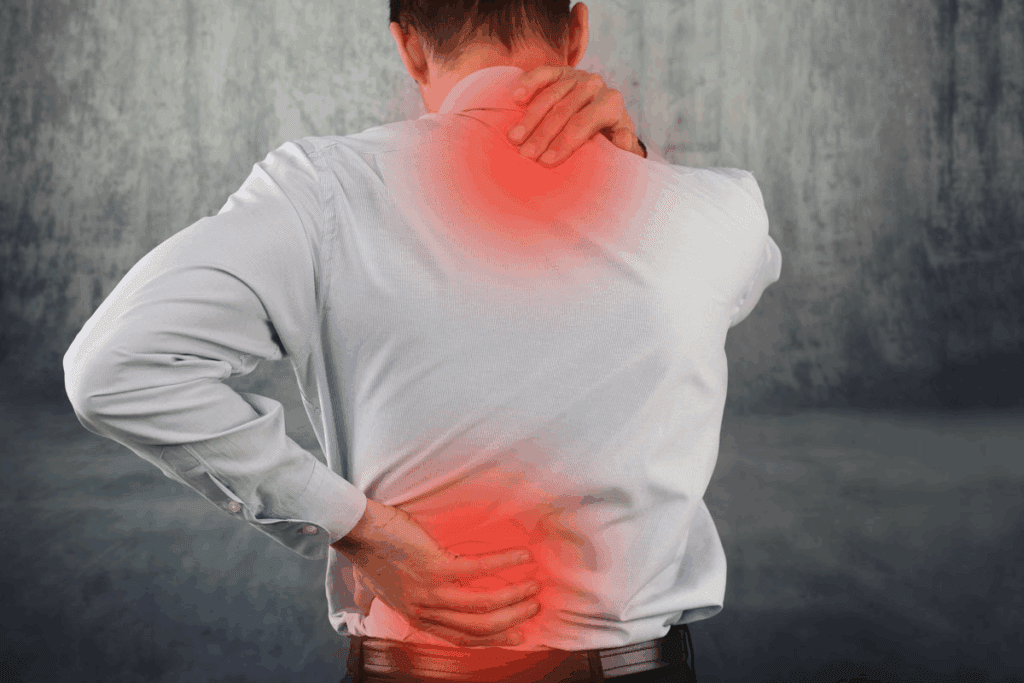
Spinal stenosis is a widespread condition that often leads to significant back pain. Managing this pain well is key to a better life for those who have it.
Recent studies show that knowing the best over-the-counter (OTC) medications for spinal stenosis is important. We look into how common spinal stenosis is and its effects. This sets the stage for talking about the best OTC pain relief options.
Finding the right painkiller can be hard because spinal stenosis varies in severity. We want to help you find the best over-the-counter lower back pain medication.
Learn the key best otc med for back pain caused by spinal stenosis. Understand which over-the-counter painkillers are most effective clearly.
Key Takeaways
- Spinal stenosis is a common condition causing significant back pain.
- Effective OTC medication can greatly improve the quality of life.
- Understanding the best painkiller options is key for managing spinal stenosis.
- OTC medications are a first line of defense against spinal stenosis pain.
- Choosing the right medication depends on the severity of the condition.
Understanding Spinal Stenosis and Its Pain Mechanisms
Spinal stenosis is a condition where the spinal canal narrows. It affects millions worldwide, causing pain and discomfort. This condition can compress nerves in the spine, leading to symptoms like pain, numbness, and weakness in the back and legs.
What Happens in Spinal Stenosis
In spinal stenosis, the spinal canal narrows, putting pressure on the spinal cord and nerves. This can happen due to degenerative changes or congenital conditions. As the canal narrows, it can compress nerves, causing pain and other symptoms.
The progression of spinal stenosis involves several key changes in the spine. These include:
- Disc Degeneration: The intervertebral discs lose height and bulge, narrowing the spinal canal.
- Osteophyte Formation: Bone spurs form on the vertebrae, further narrowing the canal.
- Ligamentum Flavum Hypertrophy: The ligamentum flavum thickens, contributing to the narrowing.
How Spinal Stenosis Causes Pain
The pain from spinal stenosis comes from compressed nerves in the narrowed spinal canal. This compression can cause inflammation and irritation of the nerves. The pain can range from mild to severe and can be felt in the back or legs, depending on the nerves affected.
| Pain Characteristic | Description |
| Location | Lower back, buttocks, thighs, and legs |
| Nature | Aching, sharp, or burning |
| Triggers | Standing, walking, or extending the back |
| Relief | Flexing, sitting, or lying down |
Understanding how spinal stenosis causes pain is key to finding effective treatments. By addressing the pain’s causes, healthcare providers can offer targeted interventions. This can help alleviate symptoms and improve the quality of life for those with spinal stenosis.
Common Symptoms and Pain Patterns in Spinal Stenosis
Knowing the symptoms of spinal stenosis is key to managing it well. This condition narrows the spinal canal, leading to various symptoms that can really affect your daily life.
Location-Specific Pain Symptoms
The pain from spinal stenosis often hits the lower back, legs, and buttocks. Pain in these areas comes from nerves being compressed in the spinal canal. The pain’s severity and where it is felt can change based on the stenosis level and the nerves involved.
Many people feel pain or discomfort in one or both legs, which gets worse when standing or walking. This pain often feels like it’s coming from the lower back and goes down to the legs.
Neurogenic Claudication
Neurogenic claudication is a big symptom of spinal stenosis. It causes pain, weakness, or tiredness in the legs and buttocks, usually when standing or walking. Neurogenic claudication happens when nerves in the spinal canal get compressed, making it hard to move and causing more pain.
Getting relief from neurogenic claudication can be found by bending forward, sitting, or lying down. These positions help take pressure off the nerves.
Pain Triggers and Relieving Positions
It’s important to know what triggers pain and what positions help. Common pain triggers include standing for a long time, walking, or stretching the back. On the other hand, bending forward, sitting, or lying down can often ease the pain.
Patients can help manage their symptoms by finding their personal pain triggers and adopting relieving positions. This might mean making some lifestyle changes to reduce discomfort and improve mobility.
Best OTC Med for Back Pain: Options for Spinal Stenosis
OTC medications help ease back pain from spinal stenosis. There are many options, each with its own benefits and things to consider.
NSAIDs: Ibuprofen (Advil, Motrin)
Ibuprofen is a popular NSAID that fights inflammation and pain. It comes in various strengths and forms, making it a good choice for back pain.
Key benefits:
- Reduces inflammation
- Effective for pain relief
- Available in different strengths
NSAIDs: Naproxen Sodium (Aleve)
Naproxen sodium offers longer-lasting pain relief than ibuprofen. It’s great for those needing pain relief all day long.
Considerations:
- Longer duration of action
- May be more suitable for chronic pain
- Should be taken with food to minimize stomach upset
Acetaminophen (Tylenol)
Acetaminophen is a pain reliever that works by blocking pain-causing chemicals in the brain. It’s a good choice for those who can’t take NSAIDs.
Advantages:
- Gentle on the stomach
- Effective for pain relief
- Available in various formulations
Effectiveness Comparison for Stenosis Pain
When looking at how well these OTC meds work for spinal stenosis pain, several things matter. NSAIDs like ibuprofen and naproxen sodium are great at fighting inflammation. This is a big part of what causes spinal stenosis pain.
| Medication | Primary Action | Duration of Relief |
| Ibuprofen | Reduces inflammation and pain | 4-6 hours |
| Naproxen Sodium | Reduces inflammation and pain | 8-12 hours |
| Acetaminophen | Reduces pain perception | 4-6 hours |
Strongest Over-the-Counter Pain Relievers for Back Pain
Managing back pain from spinal stenosis can be tough. Finding the right over-the-counter (OTC) pain reliever can make a big difference. People with this condition often need strong relief to live better lives.
There are many OTC pain relievers, each with its own strengths. Let’s look at what’s available.
Maximum Strength Formulations
Maximum strength OTC pain relievers have the most active ingredients allowed. They are great for back pain from spinal stenosis.
- Ibuprofen: Maximum strength ibuprofen has 400mg or 600mg per dose. It’s very effective against inflammation.
- Naproxen Sodium: Some OTC naproxen sodium products are extra strong. They give longer-lasting pain relief.
- Acetaminophen: Extra strength acetaminophen has 500mg or 1000mg per dose. It’s good for pain relief.
These strong formulas are great for when pain is really bad or during flare-ups.
Extended-Release Options
Extended-release pain relievers last longer, so you don’t need to take them as often. They’re good for chronic back pain from spinal stenosis.
- Extended-Release Naproxen: Some OTC naproxen is made to last up to 12 hours, giving long-lasting relief.
- Long-Acting Ibuprofen: Some ibuprofen products are made to release slowly. They give steady pain relief.
These options help keep pain under control all day or night.
Combination Products
Some pain relievers come with extra ingredients. These combinations might help more people with spinal stenosis pain.
- Pain Reliever and Antihistamine Combinations: Some products mix a pain reliever with an antihistamine. This can help if pain keeps you awake.
- Topical and Oral Combinations: Using both creams or patches and oral meds can offer more relief.
When looking at combination products, check the ingredients carefully. Always talk to a doctor to make sure they’re safe and work well.
Knowing about the strongest OTC pain relievers can help people with spinal stenosis manage their pain better. Always talk to a doctor before starting or changing any medication.
Topical Treatments: Painkilling Creams and Patches
We look at the different topical treatments for spinal stenosis pain. These include creams and patches. They target pain right where it hurts, without the side effects of pills.
Lidocaine Products
Lidocaine products like Salonpas and Lidoderm are well-liked. They numb the skin, which helps reduce pain. You can apply them directly to the painful spot.
Counterirritants
Counterirritants, like Icy Hot and Biofreeze, cool or warm the skin. This can take your mind off the pain. They work by sending different signals to your brain.
Salicylate Creams
Salicylate creams, such as Aspercreme, have aspirin-like ingredients. They soak into the skin to fight inflammation and pain. They’re good for muscle and joint pain, including spinal stenosis.
CBD and Hemp-Based Topicals
CBD and hemp topicals are becoming popular for pain relief. While studies are ongoing, many people find them helpful. They’re a good option for those looking for something different.
When picking a topical treatment, think about what’s in it and how it might affect you. Some people might get skin reactions. Always follow the instructions and talk to a doctor if you’re unsure.
Key Considerations:
- Always read and follow the product label instructions.
- Be aware of possible skin irritation or allergic reactions.
- Consult with a healthcare provider before using new topical treatments, if you have sensitive skin or allergies.
- Think about using topical treatments with other pain management methods for the best results.
Over-the-Counter Muscle Relaxers for Back Pain
There are OTC muscle relaxers for back pain, aside from prescription ones. These options are good for those who want to manage pain without strong meds’ side effects.
Do True OTC Muscle Relaxers Exist?
“Muscle relaxer” usually means prescription meds that affect the nervous system. But, some OTC products can relax muscles or stop spasms.
Magnesium Supplements
Magnesium is key for muscle function and relaxation. Taking magnesium can ease muscle cramps and spasms. Many find it helps with back pain by relaxing muscles.
Magnesium Benefits:
- Relaxes muscles
- Reduces muscle cramps and spasms
- Improves muscle function
Herbal Muscle Relaxants
Some herbs are known for their muscle-relaxing effects. Though results vary, many people find relief from back pain with these natural options.
Common Herbal Muscle Relaxants:
- Chamomile
- Valerian root
- Passionflower
- Arnica
Always talk to a doctor before trying new supplements. They can interact with other meds or cause side effects.
| Supplement | Potential Benefits | Considerations |
| Magnesium | Relaxes muscles, reduces cramps and spasms | Gastrointestinal side effects possible |
| Chamomile | Promotes relaxation, reduces inflammation | May cause drowsiness, interact with blood thinners |
| Valerian Root | Improves sleep, relaxes muscles | Can cause drowsiness, interact with sedatives |
Best Painkiller for Herniated Disc vs. Spinal Stenosis
Herniated discs and spinal stenosis both cause back pain but in different ways. They need different treatments. Knowing these differences helps pick the right over-the-counter (OTC) pain relievers.
How Herniated Disc Pain Differs from Stenosis
Herniated disc pain comes from nerves being compressed or irritated. This leads to sharp, shooting, or radiating pain down the legs. You might also feel numbness, tingling, or weakness.
On the other hand, spinal stenosis pain is from the spinal canal narrowing. This compresses nerves, causing aching or cramping pain. This pain gets worse when you stand or walk.
Targeted OTC Options for Disc Herniation
For herniated disc pain, OTC pain relievers for nerve pain are often suggested. These include:
- NSAIDs like ibuprofen (Advil, Motrin) or naproxen sodium (Aleve), which reduce inflammation and alleviate pain.
- Acetaminophen (Tylenol), which is effective for pain relief, though it doesn’t address inflammation.
- Topical treatments such as lidocaine patches or creams, which can provide localized pain relief.
When Different Medications Are Needed
Severe pain from a herniated disc or spinal stenosis might need prescription-strength meds. If OTC NSAIDs don’t work, a doctor might prescribe stronger ones or muscle relaxants. For very bad nerve pain, gabapentin or pregabalin might be an option.
It’s key to talk to a healthcare professional for the best pain management plan. They can guide you through the options and create a plan just for you.
Prescription Medications for Severe Spinal Stenosis
When spinal stenosis pain is too much, doctors often give strong medicines. These can really help people with severe spinal stenosis.
Prescription-Strength NSAIDs
For severe spinal stenosis, stronger NSAIDs are better. Diclofenac and meloxicam are examples. They fight inflammation well. But, watch out for side effects like stomach problems and heart risks.
Muscle Relaxants
Muscle relaxants like cyclobenzaprine and baclofen help with muscle spasms. Cyclobenzaprine affects the brain to relax muscles. Baclofen works on the spinal cord. They’re great for when pain gets worse.
Nerve Pain Medications
Nerve pain meds, or neuromodulators, help with nerve pain. Gabapentin and pregabalin are examples. They stop nerve pain signals. But, they can make you dizzy or sleepy.
It’s key for patients to talk to their doctor about the right medicine. This way, they can manage their pain better and live better.
Corticosteroids and Injections for Spinal Stenosis
For many, corticosteroids and injections help manage severe pain and inflammation from spinal stenosis. These treatments are great when other methods like over-the-counter meds and physical therapy don’t work.
Oral Steroids
Oral steroids are strong anti-inflammatory meds for short-term use. They help with acute flare-ups of spinal stenosis. But, they should be used carefully because of possible side effects with long-term use.
Epidural Steroid Injections
Epidural steroid injections put corticosteroids near the spinal cord. This targets inflammation and pain. The procedure is guided by fluoroscopy for accuracy.
The benefits of epidural steroid injections include:
- Reduced inflammation
- Pain relief
- Improved mobility
Facet Joint Injections
Facet joint injections put corticosteroids into the facet joints. These joints are between and behind vertebrae. The injections help with facet joint syndrome, a common pain source in spinal stenosis.
Effectiveness and Duration of Relief
How well corticosteroid injections work varies. Some see lasting relief for months, while others experience shorter benefits.
| Treatment | Typical Duration of Relief | Common Side Effects |
| Oral Steroids | Short-term (days to weeks) | Weight gain, mood changes, insomnia |
| Epidural Steroid Injections | Several weeks to months | Pain at injection site, temporary numbness |
| Facet Joint Injections | Several weeks to months | Pain at injection site, temporary increase in pain |
Knowing about different corticosteroid injections is key for choosing spinal stenosis treatment. Talking to a healthcare provider helps find the best treatment for each person’s needs.
Natural Remedies and Supplements for Spinal Stenosis Pain
For those with spinal stenosis, natural remedies and supplements can help with pain. Many are looking for alternatives to traditional pain meds. This is because of worries about side effects and how well they work over time.
Anti-Inflammatory Supplements
Inflammation is a big part of spinal stenosis pain. Some supplements might help reduce this inflammation and ease symptoms.
- Omega-3 fatty acids: These anti-inflammatory agents, found in fish oil supplements, may help reduce inflammation and pain.
- Turmeric/Curcumin: Curcumin, a compound in turmeric, has potent anti-inflammatory properties and may help manage pain.
- Ginger: Ginger has anti-inflammatory compounds called gingerols, which may help reduce pain and inflammation.
Herbal Pain Relievers
Some herbs have been used for pain relief and might help spinal stenosis sufferers.
- Devil’s Claw: This herb has been used to treat various types of pain, including back pain.
- White Willow Bark: Containing salicin, similar to aspirin, it may help reduce pain and inflammation.
- Arnica: Topical arnica preparations may help reduce pain and inflammation when applied to the affected area.
Effectiveness of Natural Approaches
While these natural remedies and supplements show promise, it’s important to know their limits and possible interactions.
- Variable efficacy: The effectiveness of these supplements can vary significantly from person to person.
- Quality control: The supplement industry is less regulated than pharmaceuticals, so quality can vary between brands.
- Interactions: Natural supplements can interact with other medications, so it’s vital to talk to a healthcare provider before adding them to your regimen.
We suggest talking to your healthcare provider about these options. They can help figure out the best mix for you. Combining natural remedies with other treatments might lead to better pain relief and a better quality of life.
Physical Therapy and Exercises for Spinal Stenosis
Physical therapy and exercises can help those with spinal stenosis. A good exercise plan is key to managing symptoms and improving life quality.
The Three Best Exercises for Spinal Stenosis
Some exercises can really help with spinal stenosis. Here are three of the best:
- Flexion Exercises: These stretch the spine and ease nerve pressure.
- Core Strengthening Exercises: These make the core muscles stronger, which supports the spine and lessens pain.
- Stretching Exercises: Gentle stretches can make the spine more flexible and reduce stiffness.
Flexion-Based Movements
Flexion-based movements are great because they open up the spinal canal. This relieves nerve pressure. Examples include:
- Bending forward
- Pelvic tilts
- Knee to chest stretches
These exercises can be adjusted to fit your comfort and flexibility.
Core Strengthening
Strengthening the core is important for supporting the spine and reducing pain from spinal stenosis. Good core exercises include:
| Exercise | Description | Benefits |
| Plank | Hold a position with your body in a straight line from head to heels | Improves overall core strength |
| Bridges | Lie on your back, knees bent, and lift your hips towards the ceiling | Strengthens lower back and glutes |
| Bird Dog | Start on your hands and knees, lift your right arm and left leg simultaneously | Enhances balance and core stability |
How Exercise Enhances Medication Effectiveness
Exercise and physical therapy can make medications for spinal stenosis work better. They improve flexibility, strengthen muscles, and reduce pain. This can:
- Reduce the amount of pain medication needed
- Improve your overall quality of life
- Make moving easier and reduce stiffness
Using physical therapy with medication can better manage spinal stenosis symptoms.
Managing Spinal Stenosis Flare-Ups
Managing spinal stenosis flare-ups is key to a good life. These flare-ups can be unpredictable and painful. But, with the right strategies, you can lessen their frequency and severity.
Duration of Flare-Ups
Many wonder, “How long do flare-ups typically last?” The time frame varies a lot, based on the stenosis’s severity and your health. Flare-ups can last from a few days to weeks.
Knowing how long they last helps plan how to manage them. Some flare-ups might get better with rest and simple care. But, others might need more serious treatment.
Emergency Pain Relief Strategies
Having good emergency pain relief plans is essential when a flare-up happens. Immediate relief measures include:
- Resting in a comfortable position, often flexing the spine can help alleviate pain.
- Using cold or heat packs to reduce pain and inflammation.
- Taking over-the-counter pain relievers such as NSAIDs or acetaminophen as directed.
- Engaging in gentle stretching exercises, if possible, to maintain flexibility.
These steps can offer quick relief and help manage pain until you can get more help.
Preventing Future Flare-Ups
Stopping future flare-ups is a big part of managing spinal stenosis. This includes:
- Maintaining a healthy weight to reduce pressure on the spine.
- Doing regular, gentle exercises to strengthen the back muscles and improve flexibility.
- Avoiding activities that make the condition worse, like heavy lifting or bending.
- Using proper body mechanics when lifting or bending.
By adding these preventive steps to your daily routine, you can lower the chance of future flare-ups.
When to Seek Immediate Medical Care
It’s important to know when to seek immediate medical care for a flare-up. If you have any of these symptoms, get medical help right away:
- Severe pain that doesn’t get better with rest or medicine.
- Loss of bladder or bowel control.
- Progressive weakness or numbness in the legs.
- Significant difficulty walking.
These signs can mean a serious issue that needs quick medical attention.
Special Considerations: Scoliosis and Spinal Stenosis Pain
It’s important to understand how scoliosis and spinal stenosis work together. This knowledge helps in creating a good pain management plan. When both conditions are present, they can make pain patterns more complex.
How Scoliosis Affects Pain Patterns
Scoliosis, which means the spine curves abnormally, can make pain worse for those with spinal stenosis. The uneven wear on the spine can make stenosis symptoms worse. Also, scoliosis changes how the spine works, affecting nerves and causing different types of pain.
The way scoliosis twists the spine can put extra stress on some areas. This can lead to more pain in specific spots. Doctors need to understand this to create effective treatment plans.
Best Pain Medications for Scoliosis-Related Stenosis
Dealing with pain from both scoliosis and spinal stenosis needs a variety of treatments. NSAIDs, like ibuprofen or naproxen, are often the first choice because they reduce inflammation. For stronger pain, prescription-strength NSAIDs or nerve pain medications like gabapentin might be used.
Muscle relaxants can help with muscle spasms from scoliosis. It’s important to weigh the benefits against the risks, mainly with long-term use.
Specialized Treatment Approaches
Because of the complexity of scoliosis-related spinal stenosis, special treatments are often needed. Physical therapy is key, focusing on exercises that strengthen the spine muscles and improve flexibility. Sometimes, bracing is recommended to stabilize the spine and lessen pain.
In severe cases, surgery might be an option. Spinal fusion or decompression surgery can help by stabilizing the spine and relieving nerve pressure. Surgery is usually considered after other treatments have been tried and discussed with a spine specialist.
Creating a Comprehensive Pain Management Plan
To get the best pain relief, people with spinal stenosis should use a whole approach. This means mixing different treatments together.
Combining Medications Safely
Using more than one medicine for spinal stenosis pain can work well. But, it’s important to do it carefully to avoid bad reactions. Always talk to a doctor before mixing medicines.
For example, taking NSAIDs like ibuprofen with acetaminophen can help more. But, always stick to the right doses and watch for side effects.
Integrating Non-Medication Approaches
There are also non-medical ways to manage pain. Physical therapy can make moving easier and strengthen back muscles.
Cognitive-behavioral therapy (CBT) helps deal with long-term pain. And, mindfulness practices like meditation or deep breathing can also help.
Lifestyle Modifications
Changing your lifestyle can also help with spinal stenosis pain. Staying at a healthy weight can ease spine pressure. And, regular exercise can boost flexibility and strength.
Also, using proper posture and ergonomic furniture can reduce back strain. Quitting smoking is also good, as it can make spinal problems worse.
By using these methods together, people with spinal stenosis can make a detailed pain management plan. This plan can meet their specific needs and improve their life quality.
Potential Risks and Side Effects of Pain Medications
It’s important to know the risks of pain medications for safe use in spinal stenosis. These drugs can help a lot, but they also have side effects. It’s key to manage these effects well.
NSAID Risks
NSAIDs, like ibuprofen and naproxen, help with pain and swelling. But, they can cause stomach problems like ulcers and bleeding. This is more likely with long-term or high doses. They can also harm the kidneys and increase heart risks.
Acetaminophen Risks
Acetaminophen is safer for the stomach than NSAIDs. But, it can harm the liver, mainly if taken too much or with alcohol. It’s important to watch liver health for those taking it long-term.
Long-Term Use Considerations
Using pain meds for a long time needs careful thought. There’s a risk of becoming dependent, needing more to feel the same effect, and more side effects. Regular check-ups with a doctor are vital to manage these risks.
Drug Interactions to Be Aware Of
Pain meds can react with other drugs, like blood thinners and antidepressants. Always tell your doctor about all your meds and supplements. This helps avoid bad reactions.
Knowing these risks and working with your doctor can help you use pain meds safely. This way, you can manage your spinal stenosis well.
Conclusion: Finding Your Optimal Pain Relief Strategy
Finding the right pain relief strategy is key to managing spinal stenosis effectively. We have explored various options for managing spinal stenosis pain. These include over-the-counter medications, physical therapy, and natural remedies.
Developing a pain management plan is essential for optimal relief. By combining medications, lifestyle changes, and alternative therapies, we can tailor a plan for our needs. This approach helps manage spinal stenosis pain effectively.
Working with healthcare professionals is important. They help us find the most effective treatments and strategies. This teamwork leads to an optimal pain relief strategy for spinal stenosis. It improves our quality of life and helps us manage pain better.
By adopting a pain management plan, we can control our spinal stenosis symptoms. This improves our overall well-being.
FAQ
What is the best painkiller for spinal stenosis?
For spinal stenosis, a mix of over-the-counter (OTC) meds works best. NSAIDs like ibuprofen and naproxen sodium, along with acetaminophen, are good choices. If pain is severe, doctors might prescribe stronger meds.
Are there any effective over-the-counter pain relievers for back pain?
Yes, OTC pain relievers like NSAIDs (ibuprofen, naproxen sodium) and acetaminophen (Tylenol) are effective. They help with back pain from spinal stenosis.
What are the strongest over-the-counter pain relievers available for back pain?
The strongest OTC pain relievers for back pain include high-strength NSAIDs and acetaminophen. Extended-release options and combo products are also effective.
Can topical treatments help alleviate spinal stenosis pain?
Yes, topical treatments like lidocaine, counterirritants (Icy Hot, Biofreeze), and salicylate creams (Aspercreme) help. They’re applied directly to the pain area.
Are there any over-the-counter muscle relaxers that can help with back pain?
There are no traditional OTC muscle relaxers. But, magnesium supplements and some herbal options can relax muscles and ease back pain.
How does pain from a herniated disc differ from spinal stenosis, and what are the best OTC pain relief options for each?
Herniated disc pain is sharp and radiates. Spinal stenosis pain is more general and activity-related. Both use NSAIDs and acetaminophen, but the right one and dosage depend on the condition.
When are prescription medications necessary for spinal stenosis pain?
Prescription meds are needed for severe pain that OTC treatments can’t handle. This includes stronger NSAIDs, muscle relaxants, and nerve pain meds.
Can corticosteroids and injections provide relief for spinal stenosis pain?
Yes, corticosteroids (oral and injectable) can help a lot. Epidural and facet joint injections are common to reduce inflammation and pain.
Are there any natural remedies or supplements that can help alleviate spinal stenosis pain?
Yes, natural remedies like anti-inflammatory supplements (omega-3, turmeric) and herbal pain relievers might help. But, their effectiveness varies.
How can physical therapy and exercises help manage spinal stenosis?
Physical therapy and exercises like flexion movements and core strengthening help. They improve flexibility, reduce pain, and make meds work better.
How long do spinal stenosis flare-ups typically last, and how can they be managed?
Flare-ups can last different lengths. Managing them includes adjusting meds and resting. To prevent future flare-ups, keep a detailed pain management plan.
What special considerations should be taken into account for individuals with both scoliosis and spinal stenosis?
Those with scoliosis and spinal stenosis need special care. Scoliosis can change pain patterns and how meds work. Treatment plans should be tailored to each person’s needs.
How can a complete pain management plan be created for spinal stenosis?
A complete plan combines meds safely with non-medication methods (physical therapy, lifestyle changes). It’s important to monitor and adjust the plan as needed.
What are the possible risks and side effects of common pain medications used for spinal stenosis?
Common meds like NSAIDs and acetaminophen have risks and side effects. NSAIDs can cause stomach issues, and acetaminophen can harm the liver. It’s important to manage long-term use and drug interactions carefully.
References
National Center for Biotechnology Information. Evidence-Based Medical Insight. Retrieved from https://www.ncbi.nlm.nih.gov/pmc/articles/PMC3885225/


 Departments
 Related Videos
 Our Doctors
 News
News