
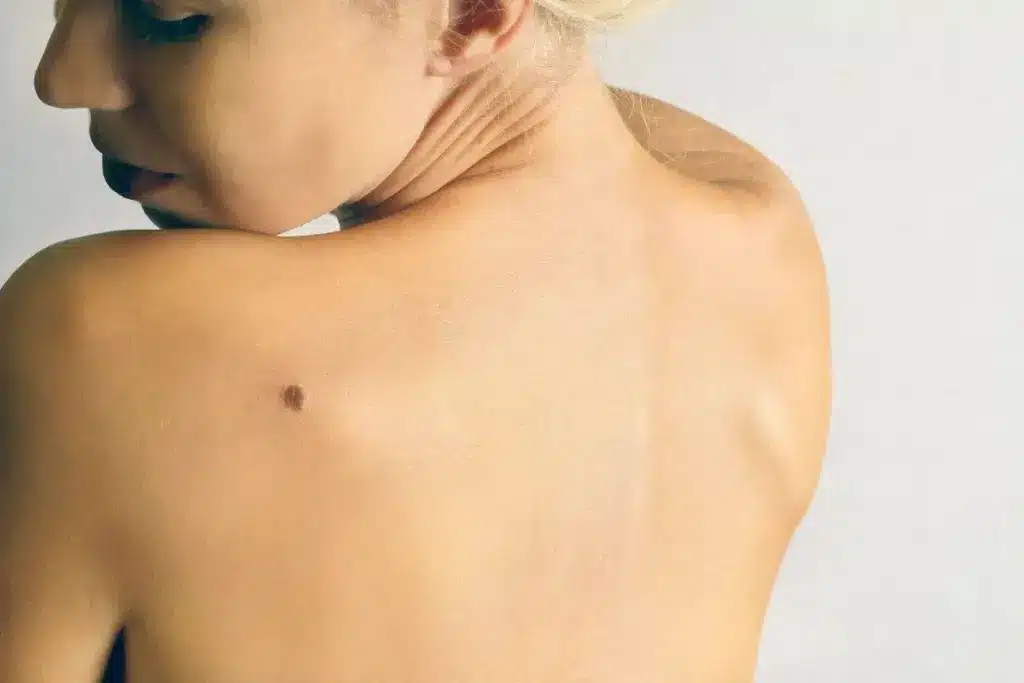
Did you know that skin cancer is one of the most common cancers in the United States? Over 9,500 people get diagnosed every day. A big reason for this is the late detection of skin problems, often linked to moles. It’s important to get regular checks for early detection and treatment.
Knowing where to get moles on your face or body checked is key for skin health. You can choose from primary care doctors to specialized dermatologists. Each offers different levels of care and expertise.
Key Takeaways
- Regular mole checks are vital for catching skin issues early.
- Primary care doctors and dermatologists are essential for mole checks.
- Early detection greatly improves treatment outcomes for skin problems.
- Knowing the right place for a mole check can save time and protect your skin health.
- Don’t delay; book a mole check if you’re worried about a skin mole.
What Are Moles and Why Should You Monitor Them?
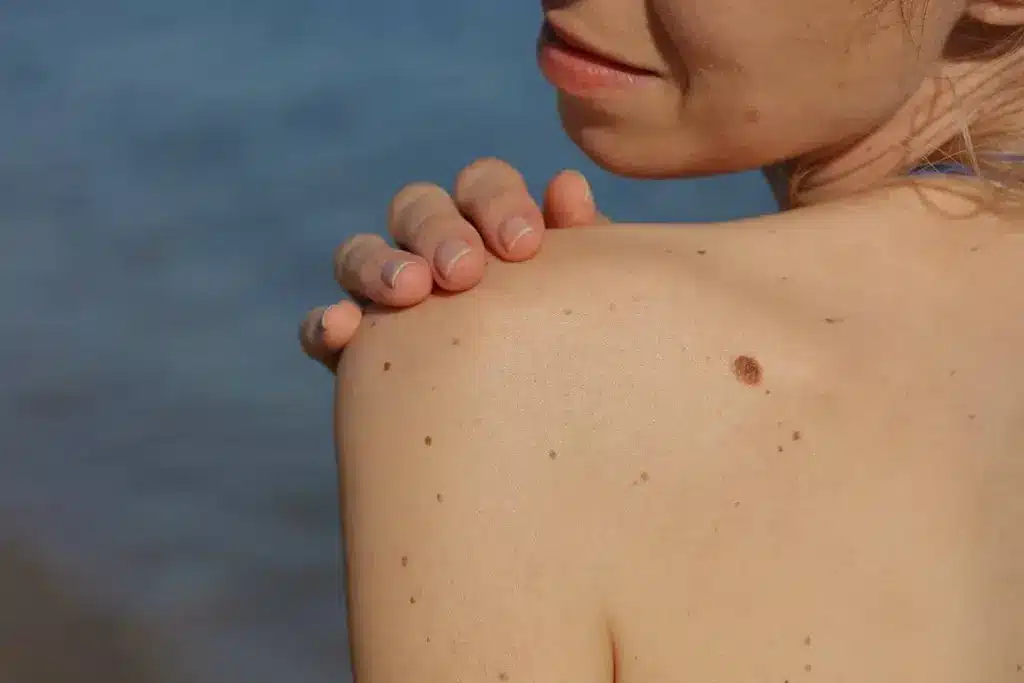
It’s important to watch moles for your skin’s health. Moles are common growths on the body. Most are harmless, but some can signal skin problems. Knowing about moles and why to watch them helps keep your skin healthy.
The Science Behind Skin Mole Formation
Moles happen when skin cells called melanocytes group together. This usually isn’t harmful and can be influenced by genes and sun exposure. Understanding mole formation helps spot any issues.
Moles form from a mix of genetics and environment. Some people are born with them, while others get them later, often in childhood or teens.
Common Types of Moles on Body
There are different kinds of moles, like congenital, acquired, and atypical moles. Congenital moles are there from birth, and acquired moles appear later. Atypical moles look different and might be a concern.
Most moles are okay, but it’s key to watch for changes. If a mole grows, changes color, or texture, it could be a sign of skin cancer. Regular checks by yourself and a doctor are vital for skin health.
The Importance of Regular Mole Monitoring
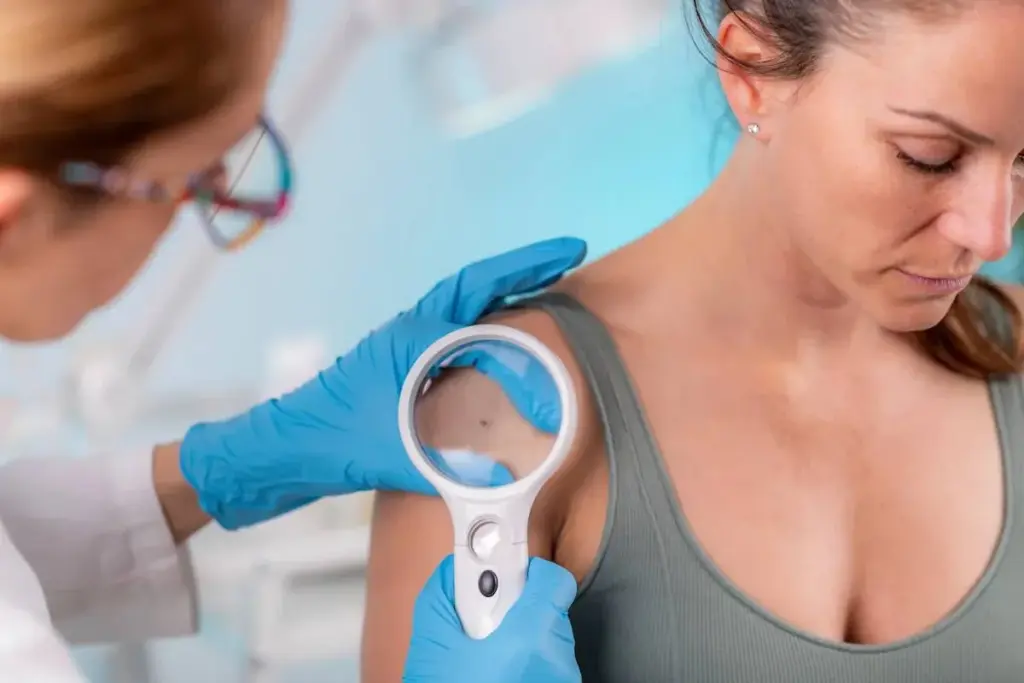
Checking your moles regularly is very important for skin care. It helps spot changes or suspicious moles early. This is key for good treatment and peace of mind.
Recommended Frequency for Skin Examinations
Adults should check their skin once a month. Look for new or changing moles on all body parts. If you have a history of skin cancer or a family history, check more often.
Those at high risk of skin cancer should see a doctor at least once a year. This helps catch problems early and treat them quickly.
Self-Checks vs. Professional Evaluations
Self-checks are good for keeping an eye on your moles. But, they can’t replace a doctor’s check-up. Doctors can spot moles that you might miss.
Key differences between self-checks and professional evaluations include:
- Expertise: Doctors know how to spot small skin problems.
- Equipment: They use special tools, like dermatoscopes, for better checks.
- Comprehensive assessment: Doctors look at your moles and overall skin health.
By doing self-checks and seeing a doctor, you take a strong step for your skin. This way, you catch problems early and get the best treatment.
Identifying Suspicious Moles: Warning Signs
Knowing the warning signs of suspicious moles is key for early detection and skin cancer prevention. Moles are common, but some signs mean you should check them closer.
The ABCDE Method for Evaluating Moles
The ABCDE method is a well-known way to check moles. It stands for Asymmetry, Border, Color, Diameter, and Evolving. If a mole shows any of these signs, it might be suspicious.
- Asymmetry: If a mole is not symmetrical, it could be a warning sign.
- Border: A mole with a notched, ragged, or irregular border may be suspicious.
- Color: Moles with multiple colors or an uneven color distribution are concerning.
- Diameter: Moles larger than 6mm in diameter are more likely to be cancerous.
- Evolving: Changes in size, shape, or color over time are a significant warning sign.
Other Skin Moles to Worry About
There are other moles and skin lesions that need attention. These include itchy, bleeding, or painful moles. Also, new moles in adulthood are worth checking.
Watch for moles that change in elevation or have an unusual texture. Any mole that stands out or causes discomfort should be seen by a professional.
When to Get a Mole Checked by a Professional
Many moles are harmless, but some changes can mean you need to see a doctor. It’s important to watch your moles and know when to get help. This helps keep your skin healthy.
Development of a New Mole in Adulthood
Getting a new mole as an adult is something to think about. Most moles show up when you’re young. So, a new mole later on might need a doctor’s check.
It’s essential to have any new mole examined by a dermatologist to rule out any issues. New moles can be okay, but they might also mean you have a skin problem.
Changes in Size, Color, or Texture of Existing Moles
Changes in size, color, or texture of a mole are big signs to see a doctor. The ABCDE rule can help you know if it’s time to get checked:
- A: Asymmetry – If the mole is not symmetrical.
- B: Border – If the edges are irregular, ragged, or blurred.
- C: Color – If the color is not uniform and includes shades of brown, black, or even patches of red, white, or blue.
- D: Diameter – If the mole is larger than 6mm in diameter.
- E: Evolving – If the mole is changing in size, shape, or color.
|
Characteristic |
Benign Mole |
Suspicious Mole |
|---|---|---|
|
Asymmetry |
Symmetrical |
Asymmetrical |
|
Border |
Smooth, even edges |
Irregular, ragged edges |
|
Color |
Uniform color |
Multiple colors or uneven color |
|
Diameter |
Typically small |
Larger than 6mm |
|
Evolving |
Stable |
Changing in size, shape, or color |
Watching your moles and knowing when to get help is key to good skin health. Regular checks and knowing the signs for a doctor’s visit can help catch problems early.
Primary Care Physicians as First-Line Providers
Primary care physicians are key in checking moles first. They act as the first defense against skin problems. They are often the first to see patients with mole concerns.
What Happens During a Mole Check at Your PCP
At your primary care visit, expect a detailed skin check. The doctor will start by asking about your health history. They’ll look at your skin closely, focusing on any moles or spots that worry them.
The examination process usually involves:
- A full-body skin check, though it might focus on certain areas
- Using a dermatoscope to examine moles closely
- Recording any findings, which might include photos
The American Academy of Dermatology says early detection is key. Your primary care doctor can spot risky moles and guide you next steps.
Referral Criteria for Specialist Consultation
If a mole looks suspicious, your doctor will send you to a specialist. They look for:
- Moles that look odd, like they’re not symmetrical or have uneven borders
- Moles that change size, shape, or color over time
- Moles that bleed, itch, or cause discomfort
A
“study in the Journal of the American Board of Family Medicine found primary care doctors can spot suspicious skin lesions. But, dermatologists are better at finding skin cancer.”
This shows why seeing a specialist is important when needed.
In summary, primary care doctors are vital in checking moles first. They offer a first line of defense and can send you to specialists when needed. This ensures you get the best care for your skin.
Dermatologists: Specialists in Mole Evaluation
Dermatologists are experts in skin lesions, including moles. They know how to tell the difference between harmless and dangerous moles.
Advanced Training and Expertise in Skin Lesion Assessment
Dermatologists get a lot of training in dermatology. This lets them accurately check skin lesions. They are skilled in:
- Spotting the signs of harmless and dangerous moles
- Using tools like dermoscopy for a closer look
- Understanding biopsy results for unsure cases
This training helps them give accurate diagnoses and suggest the right treatments.
The Complete Skin Examination Process
A complete skin check looks at every mole and lesion. Here’s what happens during it:
- The dermatologist looks at the skin, noting mole size, shape, color, and texture.
- They might use a dermatoscope for a closer look at moles.
- Any moles that look suspicious are checked further, possibly with a biopsy.
This detailed check makes sure all skin problems are found and handled right.
Seeing a dermatologist means your moles are checked by a pro. This gives you peace of mind and helps catch any skin problems early.
Specialized Skin Cancer Clinics and Mole Mapping Services
Specialized skin cancer clinics have made a big difference in checking moles and finding skin cancer early. These places have the latest tools for diagnosing and treating skin cancer.
Digital Dermoscopy and AI-Assisted Mole Analysis
Digital dermoscopy is a key tool in these clinics. It lets doctors take detailed pictures of moles. This tech, paired with AI-assisted analysis, makes mole checks more accurate.
Digital dermoscopy captures clear images of the skin. Then, special software looks at these images for any problems. AI helps spot patterns that might not be seen by the naked eye. This helps find skin cancer sooner.
Benefits for Patients with Multiple Moles or High Risk
People with many moles or at high risk of skin cancer get a lot from these clinics. Mole mapping lets doctors keep an eye on moles over time. This way, they can spot any changes or problems early.
- Comprehensive monitoring of multiple moles
- Early detection of changes in mole size, color, or texture
- Enhanced diagnostic accuracy through AI-assisted analysis
- Personalized recommendations for follow-up care
Thanks to these advanced tools and services, patients get better, more tailored care. This leads to better results in finding and treating skin cancer.
Telemedicine Options for Initial Mole Assessments
Telemedicine has changed how we check moles, making it easier and more accessible. It’s great for those with tight schedules or living far from dermatologists.
Virtual Dermatology Consultation Process
First, patients send clear images of their mole online. A dermatologist then checks these images using the ABCDE criteria. They might also talk to the patient via video to discuss their health and any worries.
Key steps in the virtual consultation process include:
- Patient registration and secure upload of mole images
- Dermatologist review of images and patient history
- Video consultation to discuss findings and recommendations
Limitations and When In-Person Visits Are Necessary
Telemedicine has its limits. Some conditions need a face-to-face check for a correct diagnosis. Poor-quality images or moles needing a closer look might need an in-person visit.
Telemedicine isn’t right for all skin issues. Some problems need a hands-on check that can’t be done online.
In summary, telemedicine is a good start for mole checks, but it’s not perfect. Knowing when to see a doctor in person is key for the best care.
Free Skin Cancer Screenings and Community Health Events
Community health events often have free skin cancer screenings. They are a great resource for those worried about their skin. These events help catch skin cancer early and prevent it.
Finding No-Cost Mole Check Services
To find no-cost mole check services, start by looking at local event calendars or contacting your health department. Many groups, like the American Academy of Dermatology, offer free screenings at different places.
Also, check with local dermatology clinics or hospitals. They might have or join free screening events. These events not only help but also spread the word about skin health.
What to Expect at Community Screening Events
At community health events with free skin cancer screenings, you’ll get a detailed skin check. A dermatologist or healthcare expert will look closely at your skin, focusing on moles or any other unusual spots.
As one expert says, “Early detection is key in treating skin cancer effectively.”
“The goal of these screenings is to identify issues early. This makes early detection and treatment possible.”
After the check, you’ll get feedback on your skin health. You might also get advice on what to do next. This could mean more tests or watching certain moles.
Moles on Face: Special Considerations and Best Practices
It’s important to watch moles on your face for health and looks. Facial moles are common and can affect how you look.
Balancing Cosmetic Concerns with Health Monitoring
Facial moles need careful attention to both looks and health. People worry about how they look and their health. It’s key to watch for any changes in size, color, or texture.
Some important things to consider include:
- Regular self-examinations to track changes in facial moles
- Consulting a dermatologist for professional evaluation and advice
- Understanding the possible risks, like skin cancer
- Thinking about removing moles that are a problem or for looks
Can You Grow a New Mole on Your Face? Understanding Facial Mole Development
You can get new moles on your face at any age. The chance of getting them changes with age. Genetics and the sun play big roles in new mole growth.
To get a better grasp of mole development, remember:
- Genetic predisposition: If your family has many moles, you might get them too.
- Sun exposure: The sun’s UV rays can make new moles grow.
- Hormonal changes: Hormonal shifts during pregnancy or puberty can cause new moles.
Knowing these factors helps you keep an eye on your moles. It’s also good to get expert advice when needed.
Moles on Back: Challenges and Solutions for Monitoring
Moles on the back can be tricky to keep an eye on. This area is common for moles to appear. Their location makes it hard to check them by yourself.
Looking at moles on the back without help is a big challenge. Unlike moles on the face or arms, these are not easy to see. This makes it tough to do regular self-checks.
Tools and Techniques for Checking Hard-to-See Areas
There are ways to make monitoring moles on the back easier. Using a mirror or a handheld mirror with a full-length mirror can help. This setup gives you a better view of your back.
Recommended Tools:
- A handheld mirror
- A full-length mirror
- Good lighting
Also, taking photos of your back moles over time is helpful. This visual record is great for showing a dermatologist any changes.
Partner Assistance for Thorough Examination of Moles in the Back
Getting help from a partner when checking moles on the back is very beneficial. A partner can see areas you can’t, giving a more detailed check.
Benefits of Partner Assistance:
|
Benefit |
Description |
|---|---|
|
Thorough Inspection |
A partner can inspect areas that are hard to see, ensuring a more complete check. |
|
Early Detection |
With a partner’s help, changes in moles can be spotted sooner. |
|
Peace of Mind |
Regular checks with a partner can give you peace of mind about your skin health. |
Using the right tools, techniques, and possibly a partner’s help makes monitoring moles on the back easier. This way, you can keep your skin healthy.
The Complete Mole Check Process: Step by Step
Knowing what to expect during a mole check can make it less scary and more useful. A mole check is key to keeping your skin healthy and catching problems early.
Preparing for Your Appointment
Before your mole check, getting ready is important for a good exam. Gather any relevant medical history, like past skin cancer or treatments. Also, write down any mole changes you’ve seen.
Don’t put on lotions or creams on the day of your appointment. They can mess with the exam. Wear loose clothes that make it easy to check your skin.
During the Examination: What to Expect
A healthcare pro will look at your skin closely, maybe with a dermatoscope for more detail. They’ll check your moles with the ABCDE method. This means looking at asymmetry, border, color, diameter, and any changes.
The exam is detailed and might check more than just your worried moles. This helps find problems early.
Post-Examination: Understanding Results and Recommendations
After the exam, the pro will talk about what they found. If a mole looks suspicious, they might suggest a biopsy or more tests. It’s important to get what they say and what comes next.
A dermatology expert says, “The key to effective mole management is early detection and monitoring.” Your doctor will tell you what to do next, like when to come back or what treatments you might need.
In short, being ready for your mole check and knowing what happens can make it better. By following these steps, you’ll have a good experience and feel good about your skin health.
Biopsy and Further Testing for Suspicious Moles
When a mole looks suspicious, a biopsy is usually needed. This test removes part of the mole for a closer look under a microscope.
Types of Mole Biopsies and Removal Procedures
There are different ways to do a mole biopsy, each for its own reason:
- Shave Biopsy: This method uses a special tool to shave off the mole at the skin’s surface.
- Punch Biopsy: A punch biopsy takes a deeper skin sample with a circular tool.
- Excisional Biopsy: This method removes the whole mole and some skin around it.
The doctor picks the best method based on the mole’s size, where it is, and its look.
Interpreting Pathology Results and Next Steps
After the biopsy, the tissue goes to a lab for a detailed look. The lab report will say if the mole is safe or not, and if it’s not, what kind of cancer it is.
It’s very important to understand the lab report because it helps decide what to do next. If the mole is cancerous, you might need:
- More surgery to make sure all cancer is gone.
- See a cancer expert or skin doctor for more care.
- Regular check-ups to watch for any new moles or cancer.
Talking to your doctor about your lab results is key. They can explain what it means and what to do next.
In short, a biopsy is a key test for moles that worry you. Knowing about the different biopsies and what lab results mean helps you understand your health better.
Insurance Coverage and Costs for Professional Mole Checks
Understanding insurance for mole checks can be tricky. But it’s key for keeping your skin healthy. Knowing what your insurance pays for can help lower the cost of skin care.
Preventive vs. Diagnostic Examination Coverage
Insurance plans split checks into preventive and diagnostic. Preventive care is for regular skin checks to catch problems early. Diagnostic examinations are for when you have a specific issue.
Many plans cover yearly skin checks for those at high skin cancer risk. But, if a mole looks suspicious, more tests might be needed. These could be covered differently.
Navigating Insurance for Dermatology Services
Getting your insurance to cover dermatology needs some work. You should review your policy to see what’s included. Some plans need a doctor’s referral, while others don’t.
If you’re worried about mole check costs, talk to your doctor about payment options and financial help. Some clinics offer deals on services, which can cut costs.
Knowing your insurance and the costs of mole checks helps you care for your skin. You can do this without worrying about money.
How to Tell if a Mole is Cancerous: Critical Signs
Spotting cancerous moles early is key. Knowing the signs and symptoms can help. Catching changes in your skin early can lead to better treatment if cancer is found.
Visual Indicators That Require Immediate Attention
Some mole traits can signal trouble. The ABCDE rule helps identify these:
- Asymmetry: One half doesn’t match the other.
- Border: The edges are irregular or blurry.
- Color: The color is uneven, with shades of brown, black, or red, white, or blue.
- Diameter: It’s bigger than 6mm, like a pencil eraser.
- Evolving: It’s changing in size, shape, or color.
Physical Symptoms Associated with Problematic Moles
Some physical feelings can also point to trouble. These include:
- Moles that itch, hurt, or bleed.
- Moles with redness or swelling around them.
If you notice these, see a doctor right away.
Spotting skin cancer early makes treatment more effective. Regular self-checks and doctor visits are vital for skin health.
Conclusion: Prioritizing Proactive Skin Health
Keeping your skin healthy is key to catching skin problems early, like skin cancer. Regular checks on moles help spot issues before they get worse.
Knowing the signs and acting fast can really help in finding and treating skin cancer. Make sure to see a doctor for skin exams often. Also, watch for any changes in your moles or new ones.
By focusing on your skin’s health, you can avoid serious issues. It’s important to stay informed and take steps to protect your skin.
FAQ
What are the warning signs of a potentially cancerous mole?
Look out for changes in size, color, or texture. Also, watch for asymmetry, irregular borders, and bleeding or itching. The ABCDE method is a good guide for checking moles.
How often should I check my moles?
Check your moles monthly on your own. See a doctor once a year or more often if advised. This is important if you’ve had skin cancer or have many moles.
Can I get a mole checked virtually through telemedicine?
Yes, you can get a mole checked online. But, you might need to see a doctor in person for a detailed check or biopsy.
What happens during a mole check at a primary care physician’s office?
A doctor will look at your skin and might use a dermatoscope. If they find any suspicious moles, they’ll send you to a dermatologist.
Are free skin cancer screenings available?
Yes, many places offer free skin cancer screenings. These events are a great way to get your moles checked without cost.
How do I prepare for a mole check appointment?
Don’t apply lotions or makeup before your appointment. Wear loose clothes. Be ready to talk about your health and any mole concerns.
Will my insurance cover a professional mole check?
Many insurance plans cover skin exams. But, coverage can vary. It’s best to check with your insurance to see what’s covered.
Can a new mole be a sign of skin cancer?
Yes, a new mole in adulthood could be skin cancer. Always have new or changing moles checked by a doctor.
How are suspicious moles biopsied?
Doctors use different methods to biopsy moles. These include shave biopsy, punch biopsy, or excisional biopsy. The choice depends on the mole’s type and location.
What are the benefits of mole mapping services?
Mole mapping uses digital dermoscopy and AI to track your moles. It helps spot changes and can catch skin cancer early.
Are moles on the face a greater concern than those on other parts of the body?
Moles on the face are more noticeable and can affect your appearance. But, all moles should be watched for changes, no matter where they are.
How can I check moles on my back?
It’s hard to see moles on your back. Use a mirror, ask someone to help, or try special tools to check these areas.
References
https://instacare.pk/treatments/removal-of-moles-warts/karachi



 Departments
 Related Videos
 Our Doctors
 News
News