Answering can you get arthritis in your neck (yes, cervical spondylosis) and detailing causes and treatment options.
As we get older, our necks go through changes that can cause cervical spondylosis. This condition affects over 80% of people over 55.
At Liv Hospital, we know that persistent neck pain and stiffness can really affect your daily life. Cervical spondylosis, or cervical osteoarthritis or neck arthritis, is a condition that affects the neck’s joints and discs.
We will look into the causes, symptoms, and ways to treat osteoarthritis in the neck. Our goal is to give you a full guide to help you understand and manage this condition.
Key Takeaways
- Cervical spondylosis is a degenerative condition affecting the cervical spine.
- It is a common condition, present in over 80% of individuals over 55.
- Symptoms include persistent neck pain, stiffness, and limited mobility.
- Treatment options are available to manage the condition and alleviate symptoms.
- Understanding the causes and symptoms is key for effective management.
Understanding Neck Arthritis
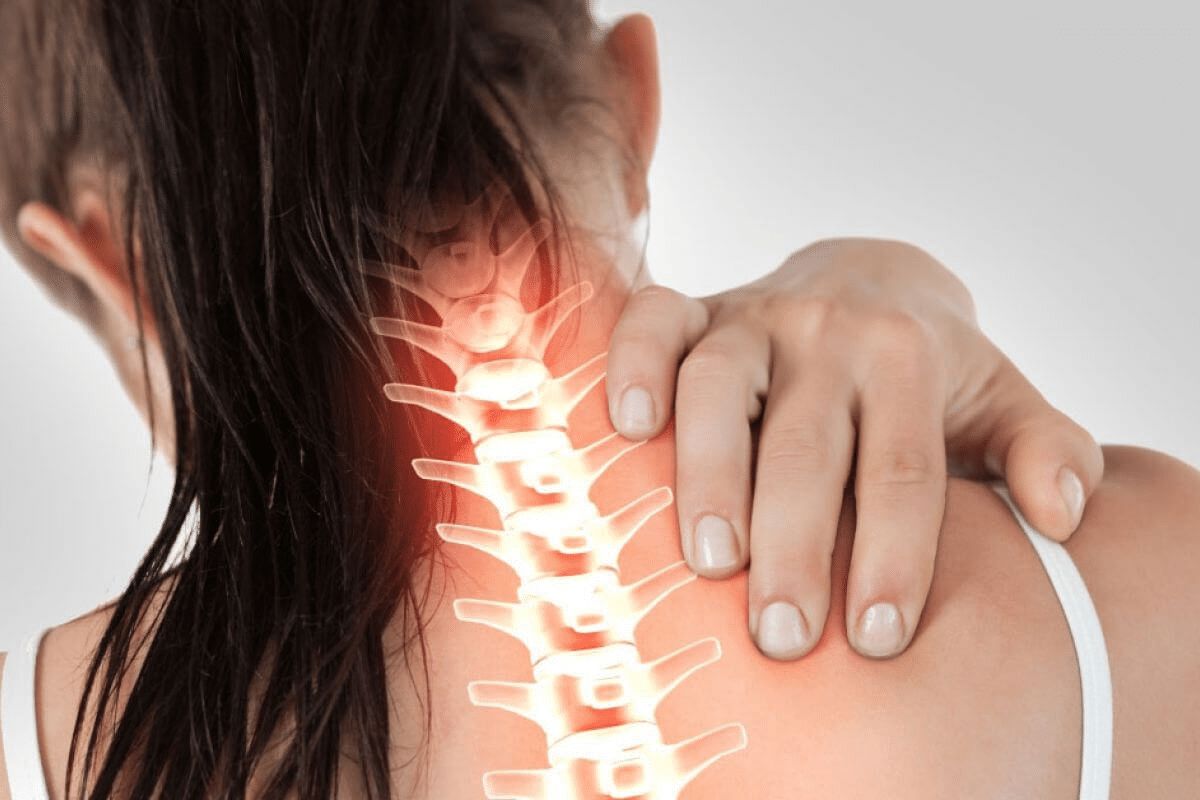
Neck arthritis is linked to cervical spondylosis, a wear and tear condition on the spine. It affects the neck’s joints and discs, causing symptoms that can lower your quality of life.
What Is Cervical Spondylosis?
Cervical spondylosis is when the neck’s seven vertebrae wear down. This leads to pain, stiffness, and less mobility in the neck.
As the condition worsens, bone spurs and a narrower spinal canal can form. This can press on nerves, causing more symptoms.
Prevalence and Demographics
Cervical spondylosis is common and gets worse with age. Over 85% of people over 60 have it, making it a big health issue for seniors.
It’s mainly due to aging, but lifestyle, genetics, and injuries can also play a part. These factors contribute to the condition’s development.
|
Age Group |
Prevalence of Cervical Spondylosis |
|---|---|
|
40-49 years |
25% |
|
50-59 years |
50% |
|
60 years and above |
85% |
The Anatomy of the Cervical Spine
The cervical spine is made of seven vertebrae, discs, and ligaments and muscles. It helps the neck move and stay stable.
Knowing how the cervical spine works is key to understanding cervical spondylosis. It affects the discs, joints, and other parts, leading to symptoms and nerve issues.
The key components of the cervical spine include:
- Vertebrae: The seven cervical vertebrae provide the structural framework for the neck.
- Discs: The intervertebral discs act as shock absorbers between the vertebrae, facilitating flexibility and cushioning.
- Joints: The facet joints enable smooth movement between the vertebrae.
- Ligaments and muscles: These provide additional support and stability to the cervical spine.
Can You Get Arthritis in Your Neck? Common Types and Causes

It’s important to know about the different types of arthritis that can affect the neck. This knowledge helps in managing and treating the condition. Arthritis in the neck, also known as cervical spondylosis, causes pain, stiffness, and less mobility.
Osteoarthritis in the Cervical Spine
Osteoarthritis is the most common neck arthritis. It happens when the cartilage between the vertebrae wears out. This leads to joint inflammation, pain, and stiffness.
Key Features of Osteoarthritis in the Neck:
- Cartilage degradation
- Joint inflammation
- Bone spur formation
- Potential for spinal stenosis
Rheumatoid Arthritis Affecting the Neck
Rheumatoid arthritis (RA) is an autoimmune disease that can affect any joint, including the neck. It causes inflammation in the synovium, leading to pain, swelling, and severe joint damage.
Other Types of Neck Arthritis
Other types of arthritis can also affect the neck, including:
- Ankylosing spondylitis
- Psoriatic arthritis
- Juvenile idiopathic arthritis
Risk Factors for Developing Neck Arthritis
Several factors can increase the risk of neck arthritis. These include age, genetics, previous injuries, and lifestyle. Knowing these risk factors helps in prevention and early treatment.
|
Risk Factor |
Description |
|---|---|
|
Age |
The risk of developing neck arthritis increases with age due to cumulative wear and tear. |
|
Genetics |
A family history of arthritis can predispose individuals to neck arthritis. |
|
Previous Injuries |
Trauma to the neck can accelerate the development of arthritis. |
The Degenerative Process: How Neck Arthritis Develops
Neck arthritis develops through cartilage wear and joint changes. As we get older, the cartilage in our neck can wear down. This leads to osteoarthritis.
Cartilage Deterioration and Joint Changes
Cartilage wear is a key part of neck arthritis. When the cartilage that protects the joints breaks down, it causes neck pain and stiffness. This can also lead to joint changes, like cysts and bone erosion.
“The loss of cartilage can significantly impact the functioning of the cervical spine, leading to reduced mobility and increased pain,” says a leading orthopedic specialist.
Formation of Bone Spurs (Osteophytes)
When the body tries to fix cartilage damage, it might form bone spurs. These spurs can press on nerves, causing numbness, tingling, and weakness in the arms and hands.
Development of Spinal Stenosis
Spinal stenosis can also develop due to degeneration. This is when the spinal canal narrows. It can press on the spinal cord, causing numbness, weakness, and clumsiness in the hands and legs.
- Narrowing of the spinal canal
- Pressure on the spinal cord
- Neurological symptoms
Impact on Surrounding Structures
Neck arthritis can harm nerves and the spinal cord. As it gets worse, it can cause chronic pain, reduced mobility, and a lower quality of life.
Understanding the degenerative process is key to managing neck arthritis well. Recognizing signs and symptoms early helps slow the disease and improve treatment results.
Recognizing Symptoms of Neck Arthritis
It’s important to know the signs of neck arthritis early. This condition can make daily life harder and affect how well you can do things.
Common Pain Patterns and Characteristics
Neck pain is a key sign of neck arthritis. This pain might stay in the neck or spread to the shoulders, arms, or upper back. The pain can feel sharp, dull, or aching, and get worse with certain movements or positions.
Some people feel pain that gets worse as the day goes on, or when they wake up. Understanding the pattern of pain is key to treating neck arthritis well.
Stiffness and Reduced Range of Motion
Stiffness in the neck is another common symptom, often with less ability to move. It can be hard to turn your head or tilt it sideways. This stiffness is often worse after resting or in the morning.
Gentle exercises and stretches can help with stiffness. But, it’s important to talk to a healthcare professional before starting any new exercises.
Neurological Symptoms
Neck arthritis can also cause nerve problems. Symptoms like numbness, tingling, or weakness in the arms or hands can happen. Severe neurological symptoms can really affect daily life and need quick medical help.
If you suddenly feel numbness, weakness, or trouble controlling your limbs, get medical help right away.
When Symptoms Require Immediate Medical Attention
While many symptoms of neck arthritis can be managed without a doctor, some need urgent care. If you have severe pain, big nerve problems, or symptoms that get worse, see a healthcare professional.
In serious cases of neck arthritis, surgical intervention may be needed to avoid lasting damage.
Diagnosis of Cervical Arthritis
Diagnosing cervical arthritis involves several steps. We use both clinical checks and advanced imaging. Accurate diagnosis is key to creating a good treatment plan.
Physical Examination Techniques
First, we do a detailed physical check. We look at how much the patient can move and if they feel pain. We also check for tenderness and muscle strength in the arms and hands.
During the check, we look for signs of nerve issues like numbness or weakness. These signs help us understand how bad the condition is and what tests to do next.
Imaging Studies: X-rays, MRI, and CT Scans
Imaging tests are vital for confirming cervical arthritis. X-rays help us see the spine’s alignment and any bone issues.
MRI scans are great for looking at soft tissues like discs and nerves. They show if there are any problems with the spinal cord.
CT scans give us detailed views of bones. They help us see bone spurs and other bony issues.
Additional Diagnostic Tests
Sometimes, we need more tests to be sure of the diagnosis. Electromyography (EMG) and nerve conduction studies (NCS) check nerve function.
We might also do blood tests to look for inflammation or other types of arthritis.
Differential Diagnosis: Conditions That Mimic Neck Arthritis
It’s important to tell cervical arthritis from other conditions that might cause similar symptoms. These include cervical radiculopathy, cervical stenosis, fibromyalgia, and referred pain from other areas.
|
Condition |
Key Characteristics |
Diagnostic Tools |
|---|---|---|
|
Cervical Radiculopathy |
Nerve root compression causing pain, numbness, or weakness in the arm |
MRI, EMG |
|
Cervical Stenosis |
Narrowing of the spinal canal, potentially compressing the spinal cord |
MRI, CT scans |
|
Fibromyalgia |
Widespread musculoskeletal pain, fatigue, and tender points |
Clinical evaluation, symptom criteria |
By combining clinical findings with imaging studies and other tests, we can accurately diagnose cervical arthritis. This helps us create a treatment plan that meets the patient’s needs.
Non-Surgical Treatment Options for Neck Arthritis
Non-surgical treatments are key in managing neck arthritis. They offer many options to ease symptoms and improve life quality. These treatments are often the first choice to fight neck arthritis pain and stiffness.
Medications for Pain and Inflammation
Medications are a common first step for neck arthritis symptoms. Over-the-counter pain relievers like acetaminophen or ibuprofen can lessen pain and swelling. For more severe cases, prescription medications like corticosteroids or muscle relaxants might be suggested.
“Effective pain management is key to keeping mobility and reducing pain in neck arthritis patients,” says Medical Expert, a top rheumatologist. “The right medications can greatly enhance our patients’ life quality.”
Physical Therapy and Exercise Approaches
Physical therapy is vital for non-surgical neck arthritis treatment. A physical therapist creates a custom exercise plan. This plan helps keep the neck mobile, strengthens muscles, and improves posture.
- Gentle stretching exercises to keep flexibility
- Strengthening exercises for neck and shoulder muscles
- Posture correction techniques to lessen cervical spine strain
Alternative and Complementary Treatments
Some patients find relief in alternative and complementary therapies. These include:
- Acupuncture to lessen pain and aid healing
- Chiropractic care to enhance spinal alignment and function
- Massage therapy to relax tense muscles and boost circulation
Lifestyle Modifications for Symptom Management
Changing your lifestyle can also help manage neck arthritis symptoms. This includes:
- Maintaining a healthy weight to lessen joint stress
- Improving workplace ergonomics to reduce neck strain
- Doing regular, low-impact exercise to keep overall health
By using these non-surgical treatments together, patients with neck arthritis can manage their symptoms well. This helps them maintain a good quality of life.
Surgical Interventions for Severe Neck Arthritis
When other treatments don’t work, surgery might be needed for neck arthritis. This choice is big and needs careful thought. It’s important to know when surgery is the right step and what it means.
When Surgery Becomes Necessary
Surgery is an option when other treatments don’t help and the condition affects daily life. Severe pain, neurological symptoms, or significant spinal instability show it’s time for surgery.
As the
“American Academy of Orthopaedic Surgeons says, surgery is needed when there’s a big neurological problem or when other treatments don’t work.”
Common Surgical Procedures
There are a few main surgeries for neck arthritis. Two common ones are:
- Anterior Cervical Discectomy and Fusion (ACDF): This removes the bad disc and fuses the vertebrae to make the spine stable.
- Posterior Cervical Laminectomy: This surgery takes out part of the vertebra to ease pressure on the spinal cord or nerves.
Recovery and Rehabilitation After Neck Surgery
Recovery time depends on the surgery. Patients usually need to rest and then do physical therapy to get strong and move well again. Following the doctor’s instructions is key for a good recovery.
It’s important to stick to a rehabilitation plan. This might include:
- Physical therapy to improve movement and strength
- Pain management with medicine and other methods
- Changes in lifestyle to avoid future problems
Potential Risks and Complications
Like any surgery, neck surgery has risks and possible problems. These can be infection, nerve damage, or fusion failure. Talking about these risks with a doctor is important to make a good choice.
Knowing about surgery options and what to expect helps patients make smart choices. We aim to give full care and support during the surgery process.
Living With Neck Arthritis: Self-Care and Prevention Strategies
Managing neck arthritis goes beyond just medical treatments. It’s about taking care of yourself and preventing problems. By doing these things every day, you can handle your symptoms better and live a happier life.
Ergonomic Considerations for Daily Activities
Changing how you do daily tasks can really help your neck. Make sure your workspace is set up right for good posture. Use furniture that’s good for your body and take breaks to stretch.
For example, keep your computer monitor at eye level and your keyboard straight. When you’re reading or cooking, try to keep your neck straight to avoid strain.
Exercise and Stretching Routines
Doing the right exercises and stretches keeps your neck flexible and strong. Simple moves like neck rotations, shoulder rolls, and chin tucks are good.
It’s important to talk to a doctor or physical therapist. They can help you make a plan that’s just right for you.
Sleep Positioning and Pillow Selection
How you sleep and what pillow you use are key to managing neck arthritis. Sleeping on your back with a supportive pillow under your neck helps keep your spine in line.
Avoid sleeping on your stomach, as it twists your neck. If you sleep on your side, use a pillow that fits between your ear and shoulder to keep your spine straight.
Stress Management Techniques
Stress can make neck arthritis worse. Using stress-relief methods like meditation, deep breathing, or yoga can help. These activities can make you feel more relaxed.
Also, regular exercise, enough sleep, and a healthy lifestyle help reduce stress. They make you feel better overall.
|
Self-Care Strategy |
Benefits |
Tips for Implementation |
|---|---|---|
|
Ergonomic Adjustments |
Reduces strain on the neck |
Use ergonomic furniture, take regular breaks |
|
Exercise and Stretching |
Maintains flexibility and strength |
Consult a healthcare professional, start with gentle exercises |
|
Proper Sleep Positioning |
Supports the natural curve of the cervical spine |
Use a supportive pillow, avoid sleeping on your stomach |
|
Stress Management |
Reduces exacerbation of symptoms |
Practice meditation, deep breathing, or yoga |
Conclusion
Understanding neck arthritis is key to managing it well. We’ve looked at its causes, symptoms, diagnosis, and treatments. Neck arthritis, or cervical spondylosis, affects the neck’s joints and discs.
Managing neck arthritis involves different approaches. This includes non-surgical treatments like medicines, physical therapy, and lifestyle changes. For severe cases, surgery might be needed. Knowing these options helps people make better care choices.
Self-care and prevention are important in managing neck arthritis. A healthy lifestyle, good posture, and regular exercise help. These steps can lessen symptoms and improve life quality.
In short, neck arthritis may be chronic, but there are many ways to treat and manage it. By understanding these, people can control their symptoms and live well.
FAQ
What is cervical spondylosis?
Cervical spondylosis is a condition where the cervical spine degenerates, often causing arthritis. It’s common among older adults.
Can arthritis in the neck cause neurological symptoms?
Yes, neck arthritis can lead to numbness, tingling, and weakness in the arms and hands. This happens due to nerve compression.
What are the common symptoms of neck arthritis?
Symptoms include neck pain, stiffness, and reduced mobility. You might also feel numbness and tingling.
How is neck arthritis diagnosed?
Doctors use physical exams, X-rays, MRI, and CT scans to diagnose neck arthritis. They might also use other tests.
What are the treatment options for neck arthritis?
Treatments include medications, physical therapy, and lifestyle changes. For severe cases, surgery might be needed.
Can neck arthritis be prevented?
Some risk factors, like age and genetics, can’t be changed. But, maintaining a healthy weight and exercising regularly can help reduce risk.
What is the best treatment for arthritis in the neck?
The best treatment varies based on the condition’s severity and the person’s health. It might include non-surgical and surgical options.
Can you get arthritis in your neck and shoulder?
Yes, arthritis can affect both the neck and shoulder. Treatment for both areas may be necessary.
How does arthritis in the cervical spine affect daily life?
It can make daily activities hard due to pain, stiffness, and reduced mobility. Everyday tasks become challenging.
What is the role of physical therapy in managing neck arthritis?
Physical therapy improves mobility, strength, and flexibility. It also reduces pain and inflammation.
Are there any alternative treatments for neck arthritis?
Yes, treatments like acupuncture, massage, and chiropractic care can be used alongside conventional treatments.
Can stress management techniques help alleviate neck arthritis symptoms?
Yes, techniques like meditation and deep breathing can help. They reduce stress and promote relaxation.
References
https://www.healthline.com/health/arthritis/neck-arthritis