Back Upper Thigh Pain: 7 Causes and Treatments for Rapid ReliefUpper back pain is a big problem worldwide, affecting millions. It can really hurt your work and daily life. Feeling persistent discomfort in your upper back is tough constant upper back pain.
At Liv Hospital, we use top medical standards and care that fits you. The upper back, or thoracic region, has muscles, bones, and joints. Many things can cause upper back pain, like poor posture, muscle strain, and health issues.
It’s important to know about the upper back’s anatomy and how common pain is. The CDC says about 39.0 percent of adults have back pain in three months.
Key Takeaways
- Upper back pain is a common condition affecting millions worldwide.
- Poor posture, muscle strain, and medical conditions can cause upper back pain.
- Understanding the anatomy of the upper back is key to solving the problem.
- Liv Hospital offers a patient-centered approach to addressing upper back pain.
- Personalized care is essential for effective relief from upper back pain.
Understanding Upper Back Anatomy
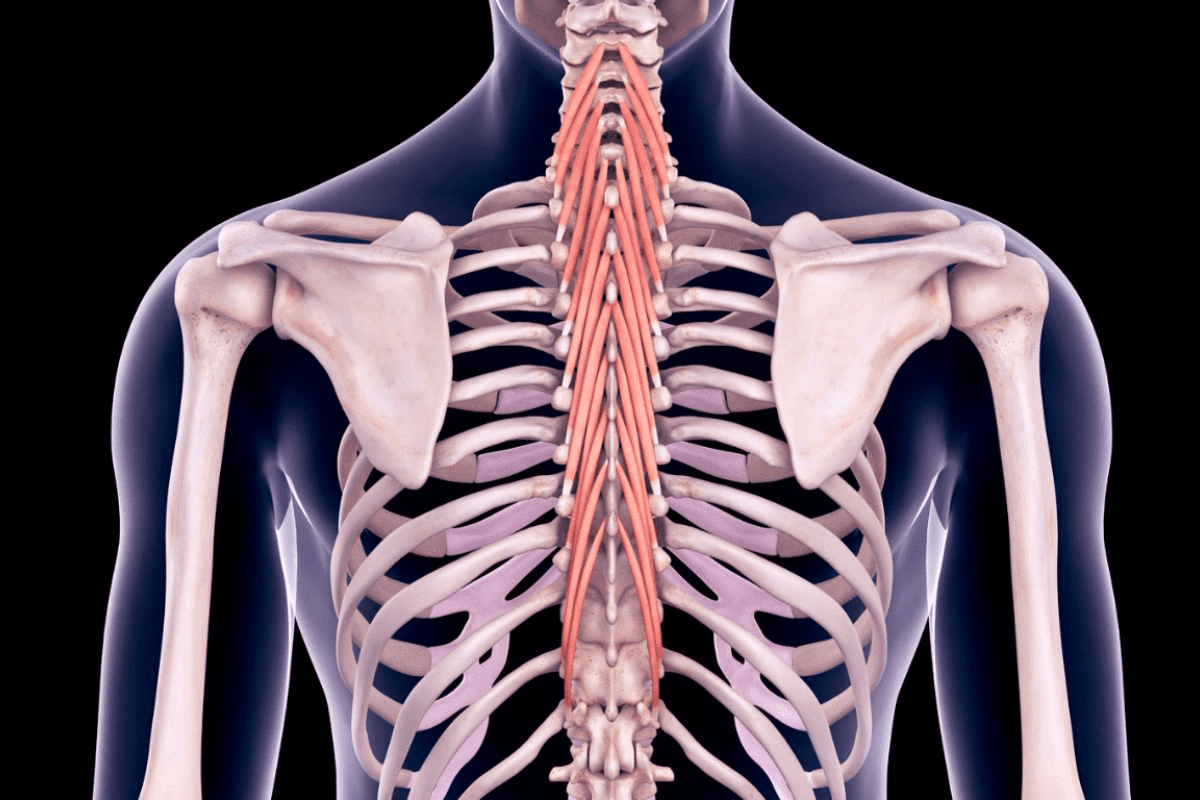
Knowing the upper back’s anatomy is key to fixing upper back pain. The upper back, or thoracic spine, has vertebrae, discs, ligaments, and muscles. It supports the rib cage and guards the heart and lungs.
The Thoracic Spine Structure
The thoracic spine has 12 vertebrae (T1-T12) linked by discs. These vertebrae help the rib cage move and bend. They’re special because they connect with the ribs.
The thoracic spine’s design is key to its job. It absorbs shock and spreads out the load. The health of these discs is vital for maintaining the integrity and function of the thoracic spine.
Muscles of the Upper Back
The upper back’s muscles help with movement and stability. They include the trapezius, latissimus dorsi, and deeper muscles like the rhomboids. These muscles help the thoracic spine move.
- The trapezius muscle helps in elevating and rotating the scapula.
- The rhomboids stabilize the scapula against the thoracic wall.
- The latissimus dorsi is involved in adduction, extension, and medial rotation of the arm.
Nerves and Blood Supply
The thoracic spine has many nerves from the thoracic spinal cord. These nerves control movement and feeling. The blood supply comes from arteries branching off the aorta.
The nerves in the thoracic spine are vital for body signals. Damage to these nerves can cause pain, numbness, or weakness in the upper back and other areas.
The Prevalence of Upper Back Pain

Upper back pain is a big health issue. It affects many people worldwide, changing their lives and work. It’s a common problem that impacts quality of life and productivity.
The Centers for Disease Control and Prevention (CDC) says about 39.0 percent of adults have back pain in three months. Women and older adults are hit hard. This shows how common upper back pain is and why we need good ways to manage it.
Statistics and Demographics
Upper back pain is common among many people. Studies show:
- It gets worse with age, hitting middle-aged people the hardest.
- Women get upper back pain more than men, maybe because of muscle strength and hormones.
- Those who sit a lot or do heavy work are more likely to get upper back pain.
Risk Factors for Developing Upper Back Pain
Many things can lead to upper back pain. These include:
- Poor Posture: Slouching or slumping strains the upper back muscles.
- Muscle Imbalance: Weak or overused muscles cause pain.
- Previous Injuries: Upper back injuries raise the risk of chronic pain.
- Medical Conditions: Issues like scoliosis or spinal degeneration can cause pain.
Impact on Daily Life
Upper back pain can really mess up daily life. It makes it hard to do simple tasks and stay productive. Healthcare experts say,
“Upper back pain can be debilitating, affecting not just the individual but also their family and social networks.”
Upper back pain affects daily life in many ways:
- Reduced Mobility: Pain and stiffness limit movement and flexibility.
- Decreased Productivity: Chronic pain hurts work performance and productivity.
- Emotional Distress: Long-term pain can cause frustration, anxiety, and depression.
Common Causes of Constant Upper Back Pain
The upper back, or thoracic region, can hurt for many reasons. These include bad ergonomics and injuries. Knowing why we hurt helps us find relief.
Poor Posture and Ergonomic Issues
Poor posture is a big reason for upper back pain. Slouching or hunching strains muscles and joints. This can cause long-term pain.
Setting up your workspace right can help. Make sure your monitor is at eye level and your chair supports your back. This helps avoid pain.
Ergonomic Adjustment | Benefit |
Monitor at eye level | Reduces strain on neck and upper back |
Chair height adjustment | Promotes good posture and reduces pressure on spine |
Keyboard and mouse positioning | Minimizes reaching and strain on shoulders and upper back |
Muscle Strain and Overuse
Muscle strain is another common cause of upper back pain. It happens from too much lifting or sudden activity. It can also come from bad posture or ergonomics.
To avoid muscle strain, take breaks during repetitive tasks. Stretching and strengthening exercises can also help.
Trauma and Injuries
Trauma and injuries, like car accidents or sports injuries, can hurt the upper back. They can strain or damage muscles, bones, or discs.
If you’ve had an injury, see a doctor. They can help figure out the damage and treat it. This can ease pain and prevent more problems.
Why Is My Upper Back Hurting So Bad? Medical Conditions
Upper back pain can really hurt. Knowing what causes it is key to feeling better. We’ll look at different medical reasons for upper back pain. This will help you find out why and get the right help.
Arthritis and Degenerative Disc Disease
Arthritis can hurt your upper back. Osteoarthritis is the most common type. It happens when joints wear out, causing pain and stiffness. Degenerative disc disease also affects the spine, making discs lose their cushioning and causing pain.
These conditions often come with age. But, genetics, lifestyle, and past injuries can also play a part. Knowing about these conditions helps manage symptoms and slow disease.
Spinal Stenosis
Spinal stenosis is when the spinal canal gets too narrow. This puts pressure on the spinal cord and nerves. It can cause pain, numbness, and weakness in the upper back and arms. It’s more common in the lower back but can also affect the upper back.
Herniated Discs
A herniated disc is when the soft center of a disc leaks out. This can irritate nerves, causing pain, numbness, and weakness. Herniated discs are more common in the lower back but can also happen in the upper back, leading to pain.
Osteoporosis and Compression Fractures
Osteoporosis makes bones weak, making them more likely to break. Compression fractures in the upper back can cause sudden, severe pain. These fractures happen when a vertebra collapses, often due to osteoporosis or trauma.
Medical Condition | Symptoms | Treatment Options |
Arthritis | Pain, stiffness, limited mobility | Medications, physical therapy, lifestyle changes |
Spinal Stenosis | Pain, numbness, weakness in upper back and arms | Physical therapy, medications, surgery |
Herniated Discs | Pain, numbness, weakness | Conservative management, physical therapy, surgery |
Osteoporosis and Compression Fractures | Sudden severe pain, vertebral collapse | Pain management, bracing, vertebroplasty |
Understanding these medical conditions is key to treating upper back pain. By knowing the cause, you can work with doctors to find the best treatment for you.
Inflammatory Conditions Causing Upper Back Swelling
Upper back swelling can be a sign of several inflammatory conditions that need medical help. These include ankylosing spondylitis, fibromyalgia, myofascial pain syndrome, and rheumatoid arthritis. They can cause pain and swelling in the upper back.
Ankylosing Spondylitis
Ankylosing spondylitis mainly affects the spine, but other joints can also get involved. It leads to inflammation in the spinal joints, causing severe pain. In severe cases, this can cause the vertebrae to fuse together.
Symptoms of ankylosing spondylitis include:
- Chronic back pain and stiffness
- Fatigue
- Loss of appetite
- Eye inflammation
Fibromyalgia
Fibromyalgia is a long-term condition with widespread pain in muscles and bones. It also includes tender points and fatigue. The cause is often unclear, but it involves genetics, environment, and psychology.
Fibromyalgia symptoms include:
- Widespread musculoskeletal pain
- Tender points on the body
- Fatigue and sleep disturbances
- Cognitive difficulties
Myofascial Pain Syndrome
Myofascial pain syndrome is a chronic pain disorder. It causes pain in specific areas of the body when pressure is applied. It often results from muscle overuse or injury.
Treatment for myofascial pain syndrome includes:
- Physical therapy
- Pain injections
- Dry needling
- Relaxation techniques
Rheumatoid Arthritis
Rheumatoid arthritis is an autoimmune disorder causing chronic inflammation in joints. It can affect any joint but often hits the hands, feet, wrists, and knees. It can also affect the upper back.
Symptoms of rheumatoid arthritis include:
- Symmetrical joint pain and swelling
- Morning stiffness
- Fatigue
- Loss of joint function
The following table summarizes the key aspects of these inflammatory conditions:
Condition | Primary Symptoms | Treatment Approaches |
Ankylosing Spondylitis | Chronic back pain, stiffness, fatigue | Physical therapy, medication, lifestyle changes |
Fibromyalgia | Widespread pain, tender points, fatigue | Medication, physical therapy, relaxation techniques |
Myofascial Pain Syndrome | Trigger point pain, muscle stiffness | Physical therapy, pain injections, dry needling |
Rheumatoid Arthritis | Joint pain, swelling, morning stiffness | Medication, physical therapy, lifestyle changes |
Why the Top of My Back Hurts: Upper Spine Pain Patterns
It’s important to know why upper spine pain happens. This pain can show up in different ways, each hinting at a unique cause.
Pain in Sides of Upper Back
Pain on the sides of the upper back can really hurt. It makes simple tasks like lifting or twisting hard. This pain usually comes from strained muscles or ligaments near the thoracic spine.
Things that might cause this pain include:
- Repetitive movements or overuse
- Poor posture, like sitting or standing for too long
- Lifting heavy things or sudden twisting
Top Backbone Pain
Pain in the upper thoracic spine can have many reasons. It might be from the spine itself or the muscles around it.
Some common reasons for this pain are:
Cause | Description |
Poor Posture | Long periods of slouching or leaning forward |
Muscle Strain | Too much use or sudden strain on spine muscles |
Spinal Conditions | Problems like herniated discs, spinal stenosis, or degenerative disc disease |
Soreness Across Upper Back
Pain that spreads across the upper back is really uncomfortable. It feels like a wide band of tension or pain. This pain can come from muscles or bones.
Things that might cause this pain include:
- Muscle tiredness from long computer work or static postures
- Stress and tension, making muscles tight
- Underlying spinal or musculoskeletal conditions
Knowing about these upper spine pain patterns helps people find out why they hurt. They can then look for the right ways to feel better.
Upper Back Hurts When I Move: Activity-Related Pain
Upper back pain during movement often points to muscle or joint problems. This type of pain can really affect your daily life and how you feel.
Movement-Related Pain Patterns
Pain in the upper back can show up in different ways. Some people only feel pain when they twist or bend. Others might feel pain with almost any movement.
It’s important to know how your pain acts. We group movement-related pain by its type and what activities cause it.
Activities That Trigger Pain
Some activities can make upper back pain worse. These include:
- Lifting heavy objects
- Bending or twisting
- Reaching overhead
- Prolonged sitting or standing
Finding out what activities cause your pain helps in creating a treatment plan.
Moving Pain in Upper Back
The way pain feels in the upper back can differ a lot. Some people might feel sharp, stabbing pain. Others might feel a dull ache.
Pain Characteristic | Possible Causes |
Sharp, stabbing pain | Muscle strain, joint dysfunction |
Dull ache | Poor posture, overuse |
Pain radiating to arms | Nerve compression, herniated disc |
When Upper Back Suddenly Hurts
Sudden upper back pain can be scary. It might be from a muscle strain or a herniated disc.
Seeing a doctor is key if the pain is bad, doesn’t go away, or comes with other symptoms.
Upper Back Pain in Women: Unique Causes
Upper back pain in women comes from many sources. Hormonal changes, pregnancy, and gender-specific factors are key. Knowing these causes helps doctors find and treat the problem better.
Hormonal Influences
Hormonal shifts affect upper back pain in women. Changes in estrogen and progesterone can hurt the muscles. Research has shown that these changes can cause water retention, leading to inflammation and pain.
One study found that hormonal changes make women more sensitive to pain. This sensitivity can make upper back pain worse. So, doctors should look at hormonal changes when diagnosing.
Pregnancy-Related Back Pain
Pregnancy also causes upper back pain. The extra weight and changes in posture strain the muscles. It’s not just the weight gain; hormonal changes also relax ligaments, leading to instability and pain.
Breast Size and Upper Back Strain
Large breasts can also cause upper back pain. The extra weight strains the muscles, leading to chronic pain. Women with larger breasts may find relief after breast reduction surgery or using supportive bras.
Osteoporosis and Menopause
Menopause is another time when upper back pain is common. The drop in estrogen increases the risk of osteoporosis.
“Osteoporosis is a significant concern for postmenopausal women, as it can lead to vertebral fractures and chronic back pain.”
Keeping bones strong through diet, exercise, and medicine is key during menopause.
Understanding these causes helps doctors treat upper back pain in women more effectively. This improves women’s quality of life.
Diagnosing the Source of Upper Back Aches
To find the cause of upper back pain, we use physical exams, imaging, and special tests. These tools help us figure out why you’re in pain. Then, we create a treatment plan just for you.
Physical Examination Techniques
First, we check your upper back with a physical exam. We look at how you stand, move, and where it hurts. We might do special moves to see where the pain comes from.
Key parts of the exam include:
- Looking at your posture and spine
- Checking how well you can move
- Feeling for sore spots
- Doing tests to see if nerves are working right
Imaging Studies
Imaging helps us see inside your upper back. We use X-rays, CT scans, MRI scans, and bone scans to find the cause of pain.
Each study has its own strengths:
- X-rays show bones and can spot breaks or wear and tear.
- CT scans give detailed views of bones and soft tissues.
- MRI scans are great for seeing soft tissues like discs and nerves.
- Bone scans find areas where bone is more active, like infections or tumors.
Specialized Tests
Sometimes, we need special tests to find out why you’re in pain. These include EMG to check muscles, nerve tests to see if nerves are damaged, and myelography to look at the spinal cord and nerves.
Ruling Out Serious Conditions
It’s important to check for serious problems that need quick help. These can be infections, breaks, tumors, or nerve damage.
Signs of serious issues include:
- Pain that comes on suddenly and is very bad
- Accidents or injuries
- Getting worse or new nerve problems
- Feeling sick or losing weight
By using physical exams, imaging, and special tests, we can find out why you’re in pain. Then, we make a treatment plan that fits you best.
Immediate Relief for Aching Pain in Upper Back
Quickly relieving upper back pain is key to staying active. It’s important to have effective ways to ease the pain. We’ll look at methods to give you quick relief and make you feel better.
Heat and Cold Therapy
Heat and cold therapy are simple yet effective for upper back pain. Heat therapy relaxes muscles and boosts blood flow. Cold therapy cuts down inflammation and dulls pain. Switching between heat and cold works well.
To use heat, try a warm bath, heating pad, or microwaveable heat wrap. For cold, use an ice pack or cold compress in a towel. Cold is best for sudden injuries, while heat is better for ongoing pain.
Over-the-Counter Pain Medications
OTC pain meds can quickly ease upper back pain. Acetaminophen and ibuprofen are common choices. Acetaminophen eases pain, and ibuprofen also fights inflammation.
Always follow the dosage and talk to a doctor if you have health issues or take other meds. While OTC pain relievers work, use them wisely and don’t rely on them long-term without a doctor’s advice.
Gentle Stretches for Quick Relief
Simple stretches can ease tension and pain in the upper back. Try shoulder rolls, chest stretches, and shoulder blade squeezes at home or work for quick relief.
- Shoulder Rolls: Roll your shoulders forward and backward in a circular motion.
- Chest Stretch: Place your hands behind you on a wall or door frame and lean back to stretch your chest.
- Shoulder Blade Squeeze: Squeeze your shoulder blades together and hold for a few seconds before releasing.
Self-Massage Techniques
Self-massage can also ease upper back tension. A foam roller or tennis ball against a wall can massage out tight spots.
To use a foam roller, lie on it with the affected area and slowly roll back and forth, applying pressure. For a tennis ball, stand with the ball between your upper back and the wall, leaning against it to apply pressure, and move up and down or side to side.
Relief Method | Description | Benefits |
Heat Therapy | Apply heat using a warm bath, heating pad, or heat wrap | Relaxes muscles, increases blood flow |
Cold Therapy | Apply cold using an ice pack or cold compress | Reduces inflammation, numbs pain |
OTC Pain Medications | Use acetaminophen or ibuprofen as directed | Reduces pain, anti-inflammatory effects |
Gentle Stretches | Perform shoulder rolls, chest stretches, and shoulder blade squeezes | Alleviates tension, improves flexibility |
Self-Massage | Use a foam roller or tennis ball to massage the upper back | Relieves muscle tension, reduces pain |
Long-Term Treatment Options for Pain Higher Back
Managing upper back pain often requires a mix of treatments. We’ll look at long-term options to help you understand your choices.
Physical Therapy Approaches
Physical therapy is key for long-term upper back pain management. It includes exercises to strengthen the spine and improve posture. Physical therapists also use manual therapy to help move better and feel less pain.
Massage and Manual Therapies
Massage and manual therapies can help with chronic upper back pain. They reduce muscle tension and improve blood flow. Myofascial release and trigger point therapy are very helpful.
Prescription Medications
Sometimes, prescription drugs are needed for chronic upper back pain. These can include muscle relaxants and anti-inflammatory drugs. Always talk to a doctor about the right medication and dosage.
Interventional Procedures
For severe pain that doesn’t get better with other treatments, interventional procedures might help. These include corticosteroid injections and radiofrequency ablation to block pain signals.
Treatment Option | Description | Benefits |
Physical Therapy | Customized exercise programs to strengthen spinal support muscles | Improved posture, reduced pain, enhanced flexibility |
Massage Therapy | Manual techniques to reduce muscle tension and improve circulation | Relaxation, reduced muscle tension, improved well-being |
Prescription Medications | Medications to manage pain and inflammation | Pain relief, reduced inflammation, improved sleep |
Interventional Procedures | Procedures like injections or radiofrequency ablation to manage pain | Significant pain relief, reduced need for oral medications |
Conclusion: When to Seek Medical Help for Upper Back Pain
Knowing when to get medical help for upper back pain is key. It helps avoid serious issues and improves health outcomes. If your back pain lasts or gets worse, see a doctor for the right care.
We’ve talked about why upper back pain happens. It can be from bad posture, muscle strain, or serious health issues. If your pain gets worse or you feel numbness, tingling, or weakness, get medical help right away.
Your doctor will check you thoroughly. They might use imaging tests to find out what’s causing your pain. Getting medical help means you can get the right treatment. This could be physical therapy, medicine, or other treatments to help you feel better.
If upper back pain is stopping you from doing daily things, don’t wait to see a doctor. Getting help early can really help manage your symptoms and prevent bigger problems later.
FAQ
What are the common causes of upper back pain?
Upper back pain can come from many sources. These include poor posture, muscle strain, and trauma. Certain medical issues like arthritis, spinal stenosis, and herniated discs also play a role.
Why does the top of my back hurt?
The top of your back might hurt for several reasons. Poor posture, muscle tension, and medical conditions like spinal stenosis or herniated discs are common causes.
What is the thoracic spine, and how does it relate to upper back pain?
The thoracic spine is the middle part of the spine. It has 12 vertebrae that support the rib cage and protect vital organs. Knowing about the thoracic spine helps in diagnosing and treating upper back pain.
How can I relieve upper back pain?
There are several ways to ease upper back pain. Heat and cold therapy, over-the-counter pain meds, gentle stretches, and self-massage can help. Sometimes, physical therapy, massage, or interventional procedures are needed.
What are the symptoms of inflammatory conditions that cause upper back swelling?
Inflammatory conditions like ankylosing spondylitis, fibromyalgia, and rheumatoid arthritis can cause swelling, stiffness, and pain in the upper back. It’s important to understand these conditions to provide effective treatment.
Why does my upper back hurt when I move?
Upper back pain when moving can stem from muscle strain, poor posture, or medical conditions. Knowing how activity affects upper back pain is key to effective treatment.
What are the unique causes of upper back pain in women?
Women may experience upper back pain due to hormonal changes, pregnancy, breast size, and osteoporosis. Understanding these factors is vital for effective treatment.
How is the source of upper back aches diagnosed?
Diagnosing upper back pain involves physical exams, imaging studies, and specialized tests. These methods are essential for effective treatment.
When should I seek medical help for upper back pain?
Seek medical help if your upper back pain is severe, lasts a long time, or comes with numbness, tingling, or weakness. Knowing when to seek help is important for better outcomes.
What are the long-term treatment options for managing upper back pain?
Long-term treatments include physical therapy, massage, prescription meds, and interventional procedures. These options are vital for managing upper back pain.
Can poor posture cause upper back pain?
Yes, poor posture can strain muscles and cause discomfort in the upper back. Good posture and regular breaks can help prevent pain.
What is the relationship between activity and upper back pain?
Activity can trigger or worsen upper back pain. Understanding how activity impacts pain is important for effective treatment.
References
National Center for Biotechnology Information. Evidence-Based Medical Guidance. Retrieved from https://www.ncbi.nlm.nih.gov/books/NBK538173/